
Available
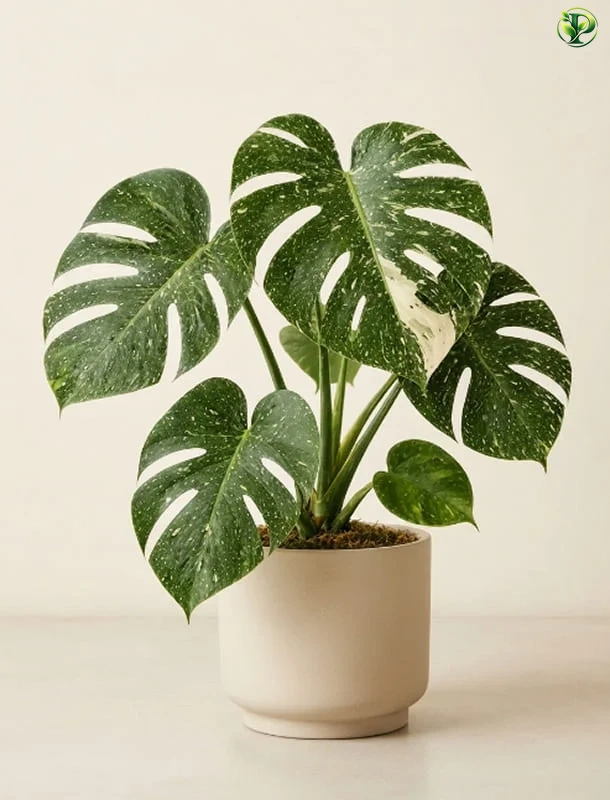
Monstera Thai Constellation
Available
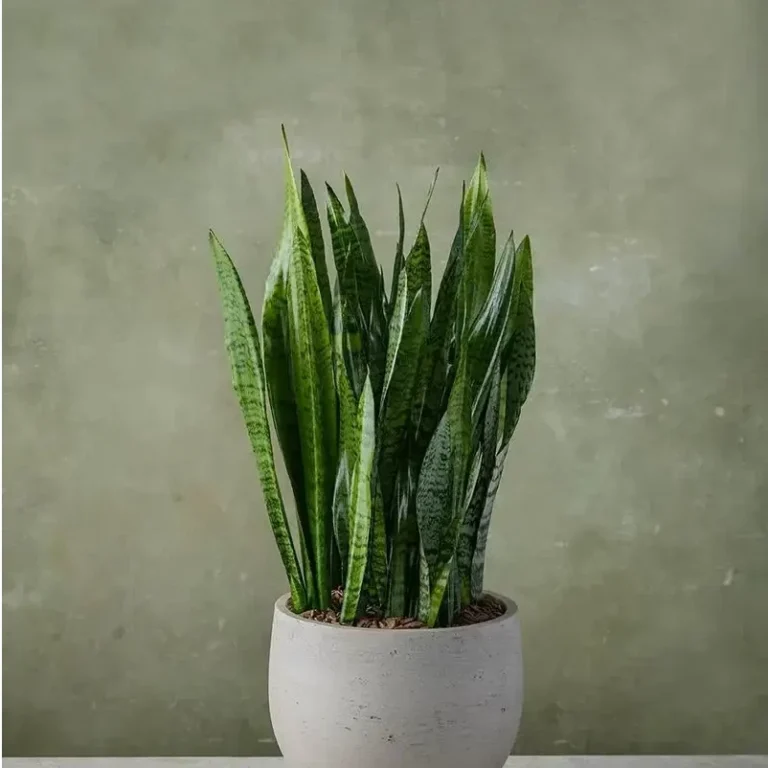
Snake Plant
Available
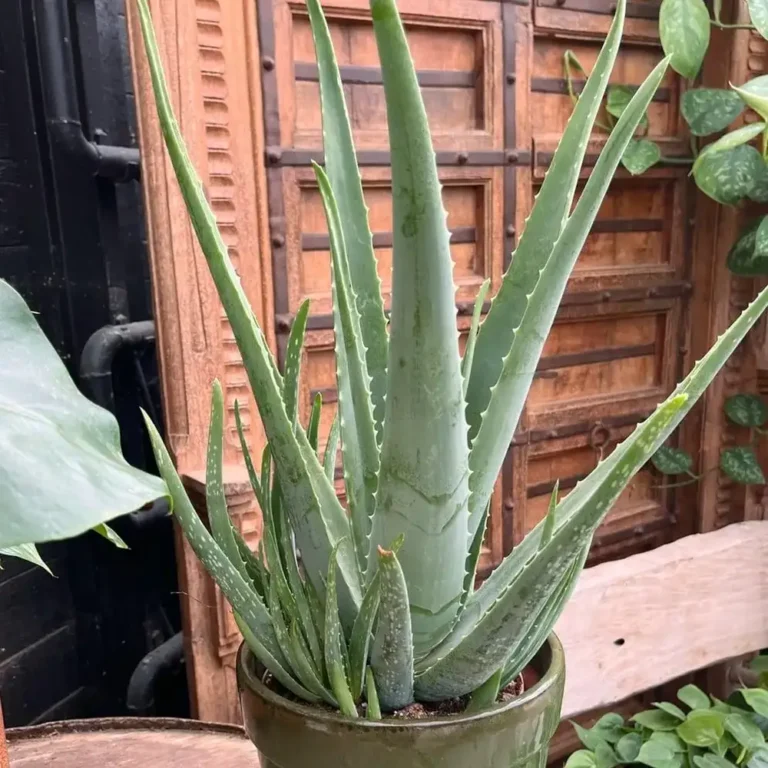
Aloe Vera
Available
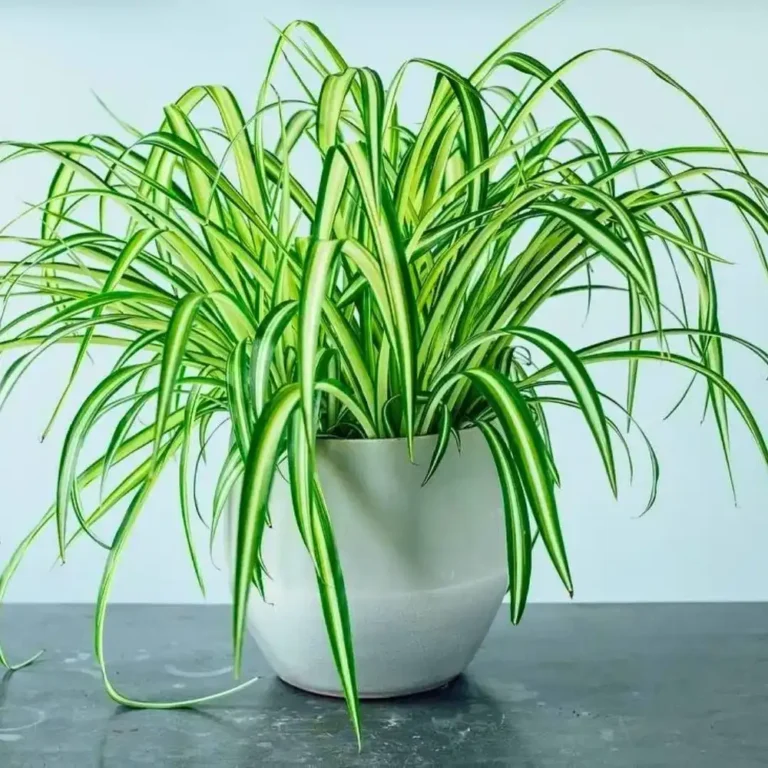
Spider Plant
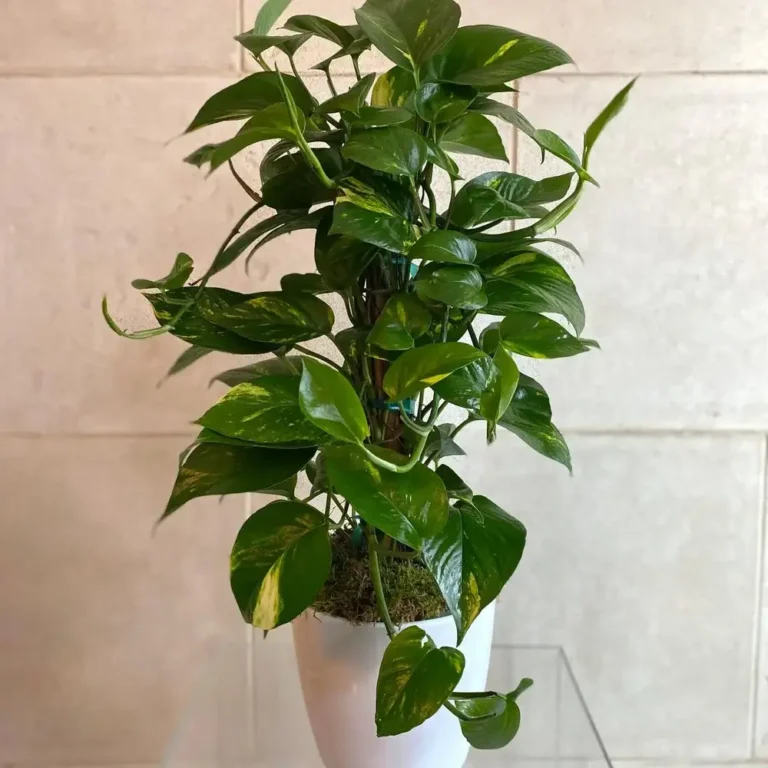
Available
Pothos
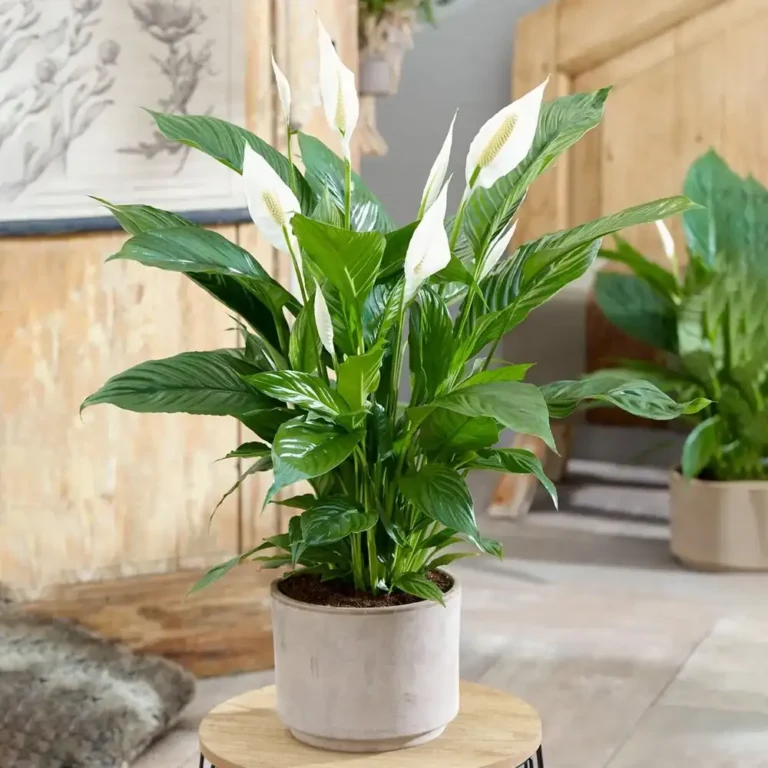
Available
Peace Lily
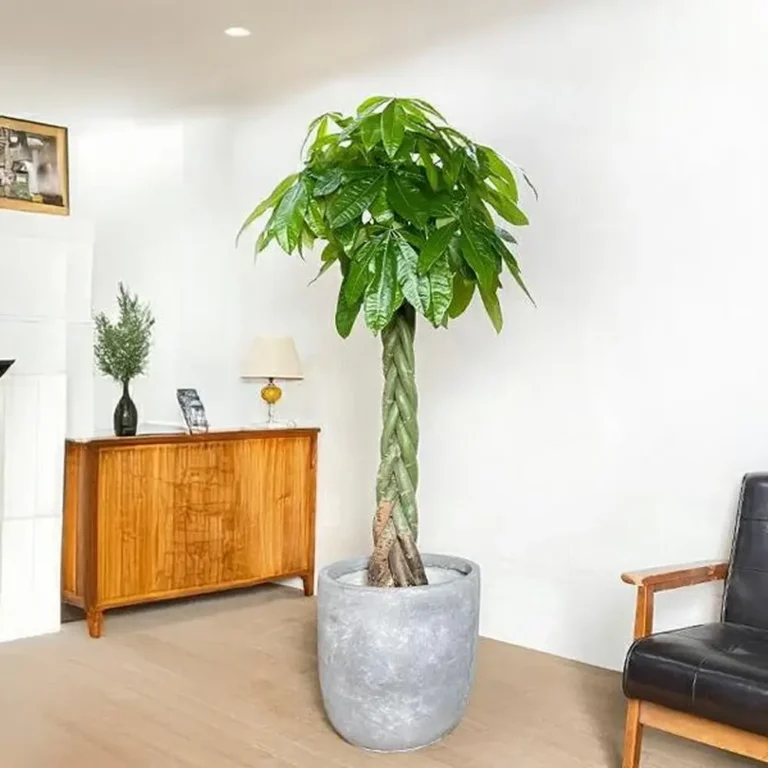
Available
Money Tree
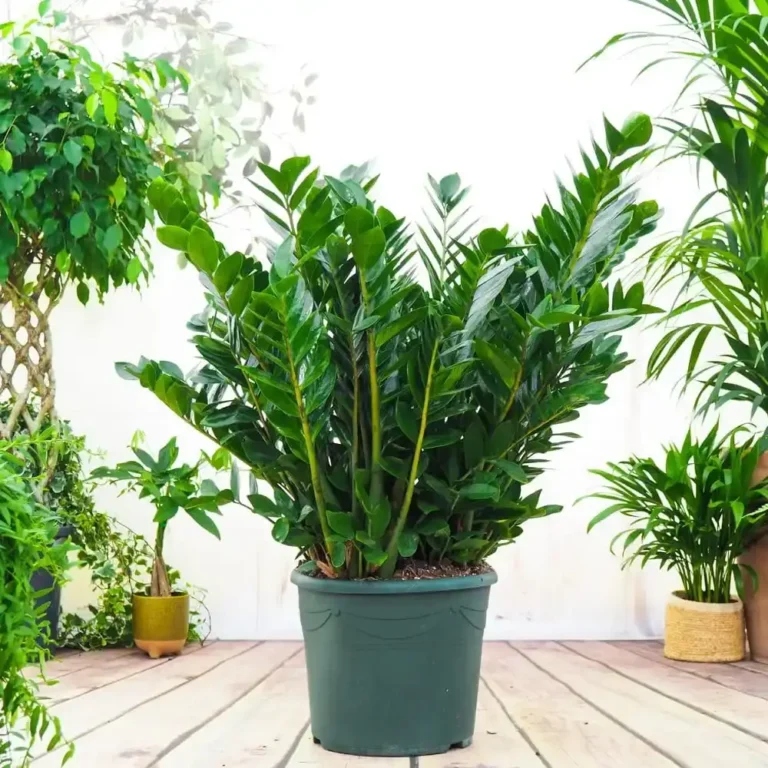
Available
ZZ Plant
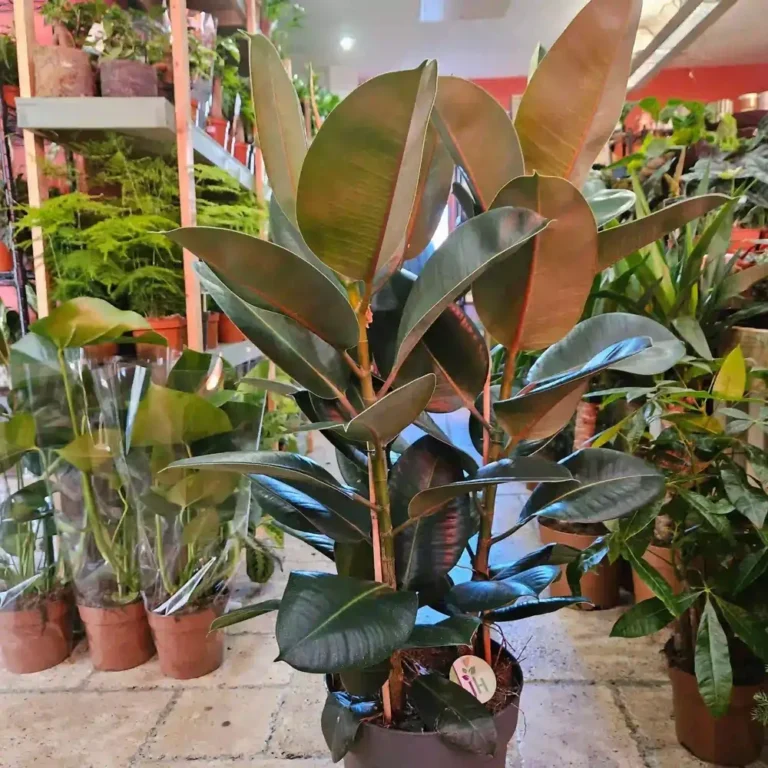
Available
Rubber Plant
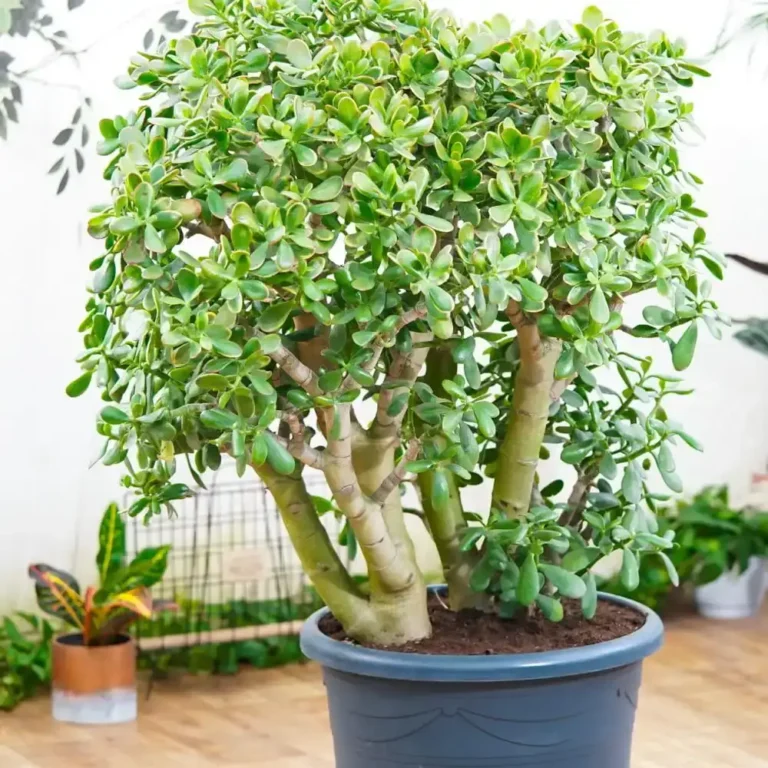
Available
Jade Plant
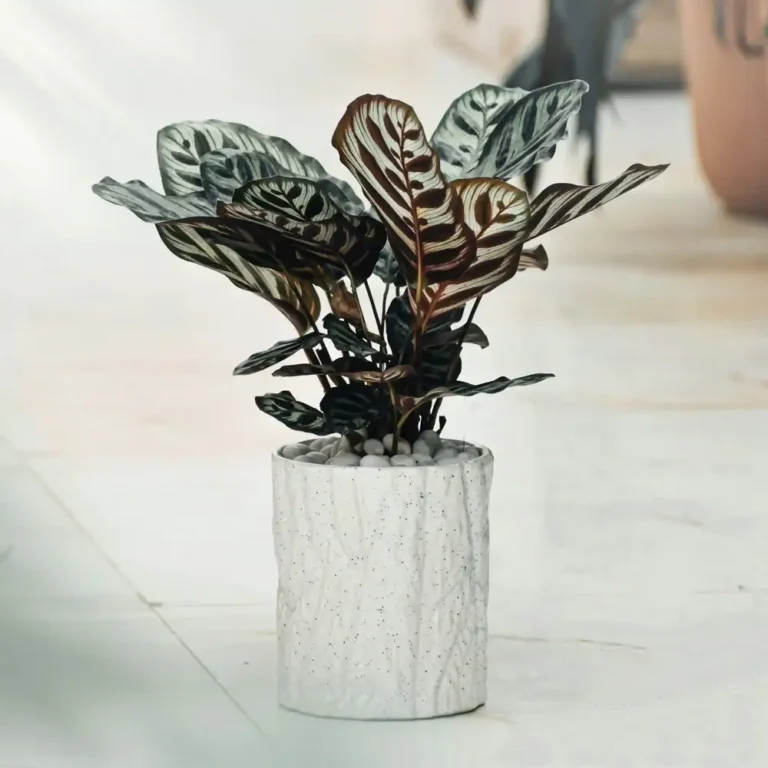
Available
Calathea
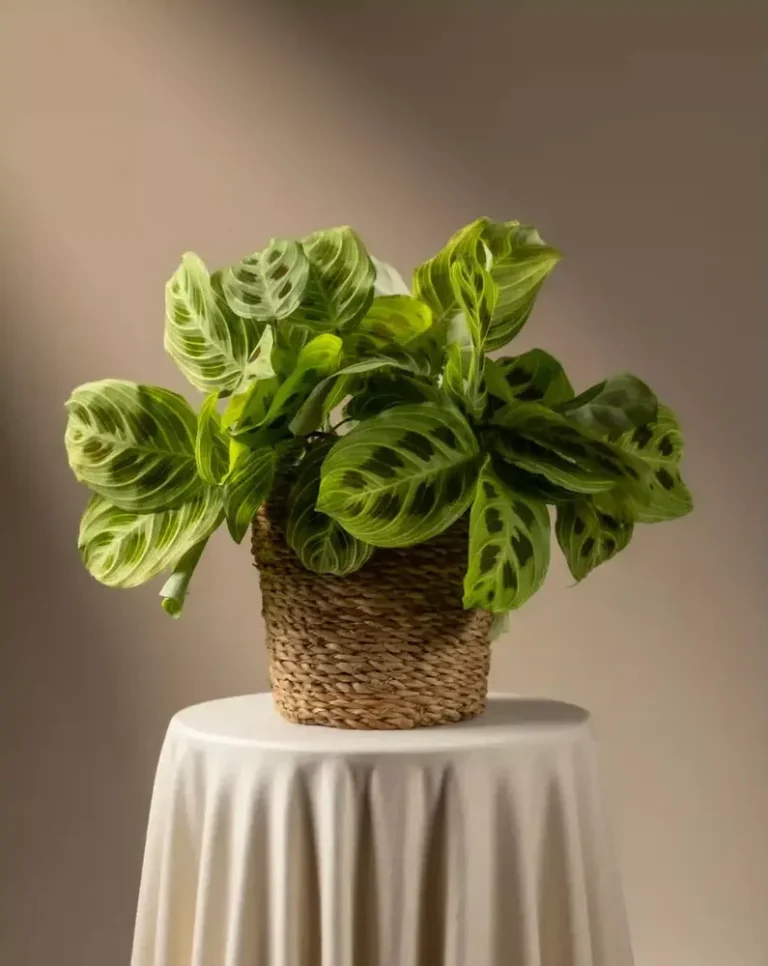
Available
Prayer Plant
Available
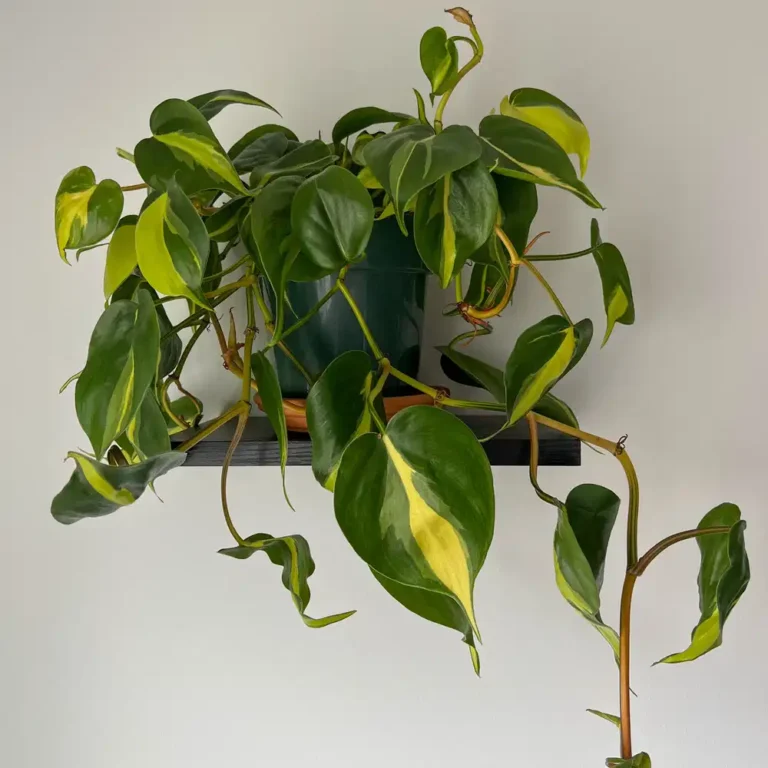
Philodendron
Available
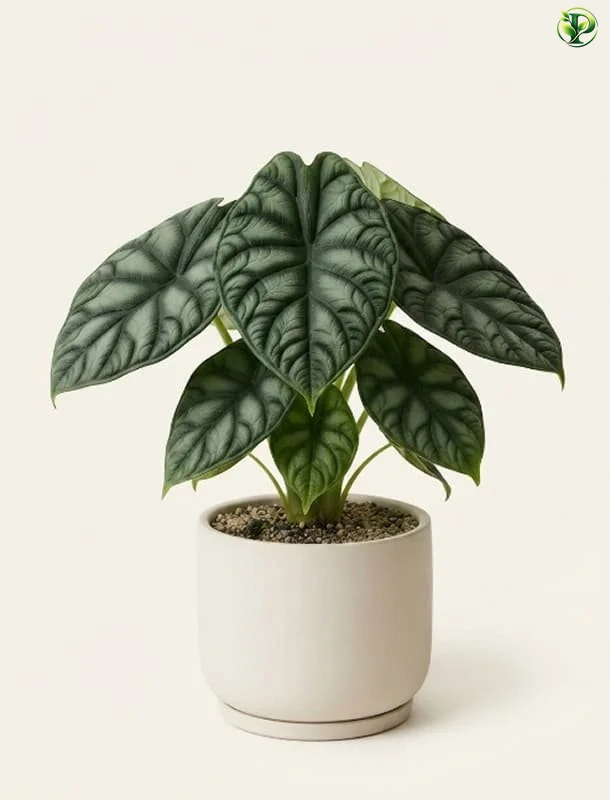
String of Pearls
Available
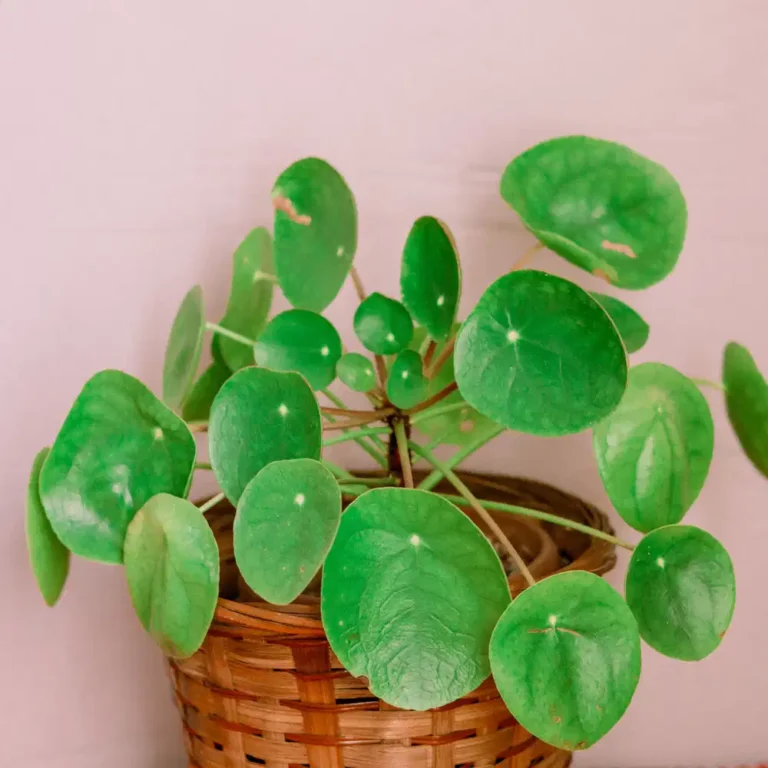
Chinese Money Plant
Available
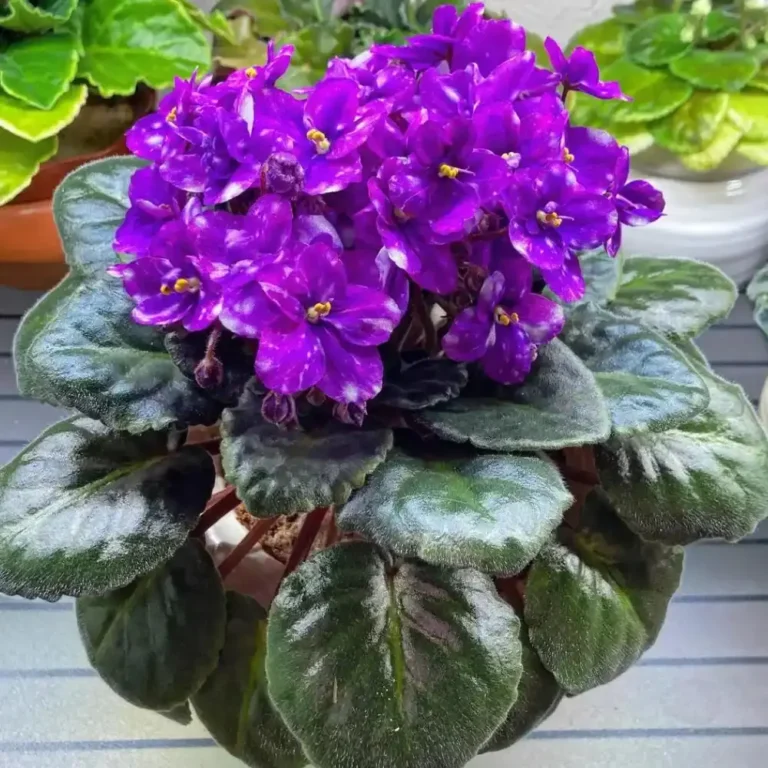
African Violet
Available
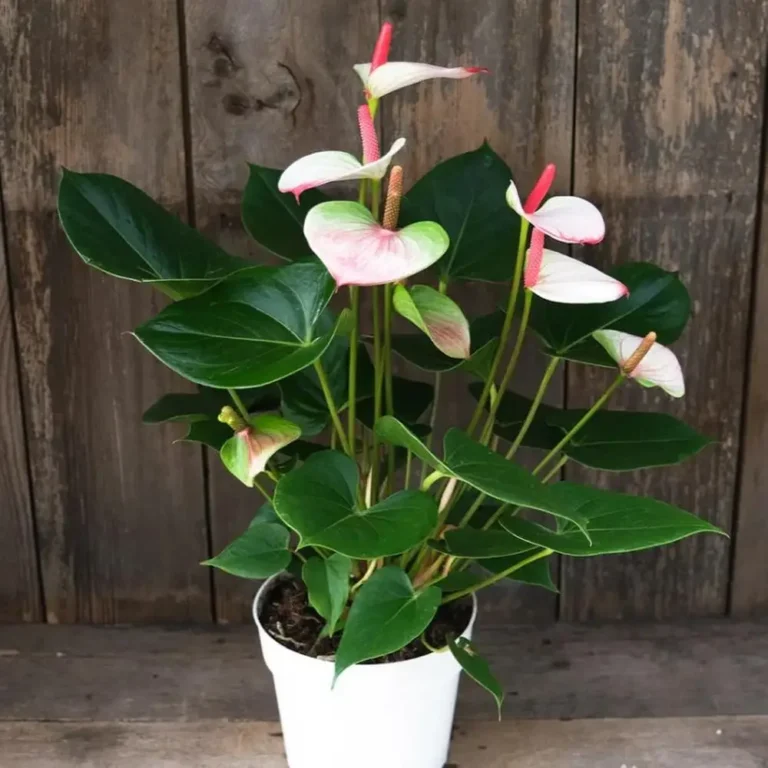
Anthurium
Available
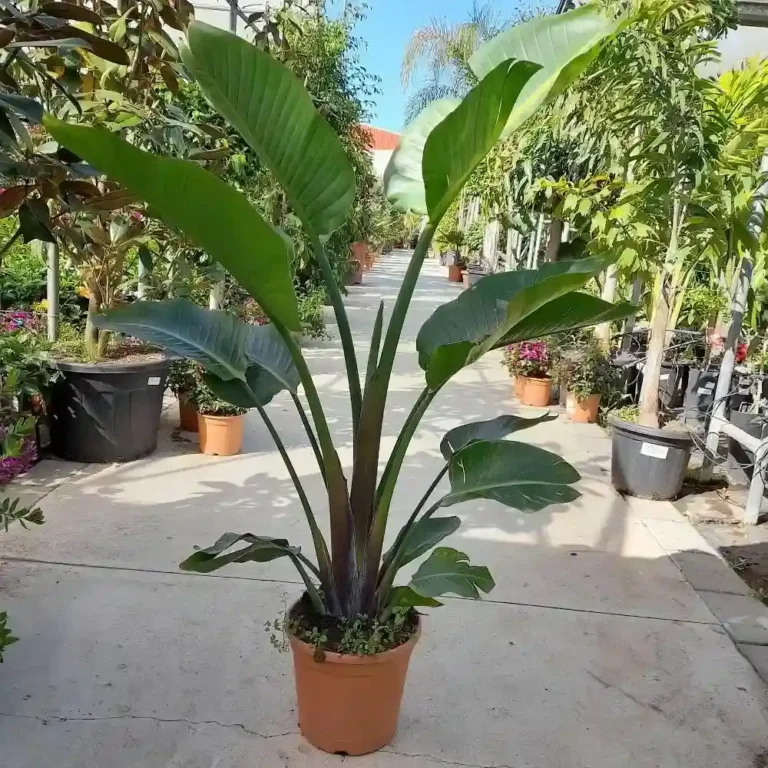
Bird of Paradise
Available
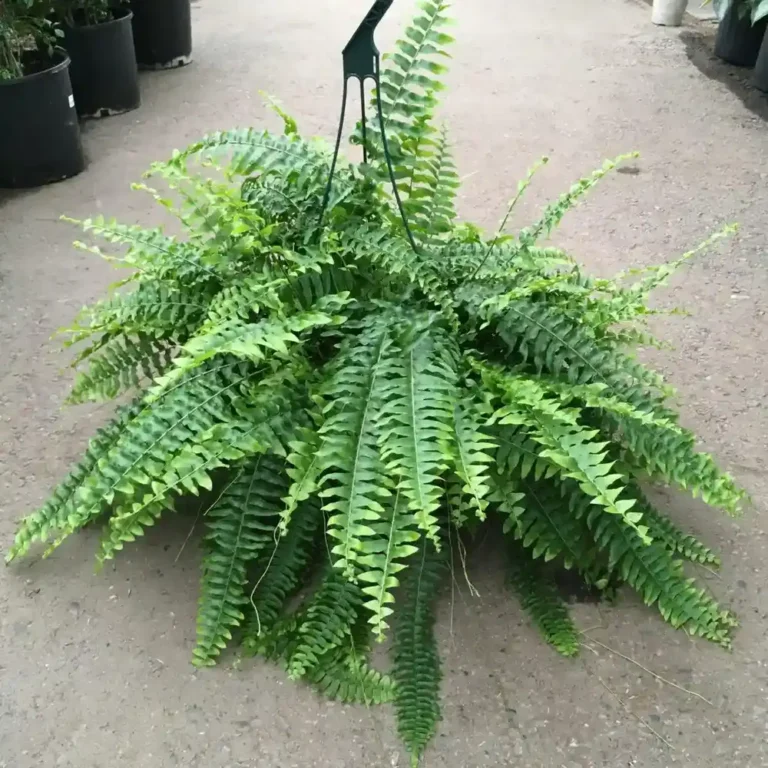
Boston Fern
Available
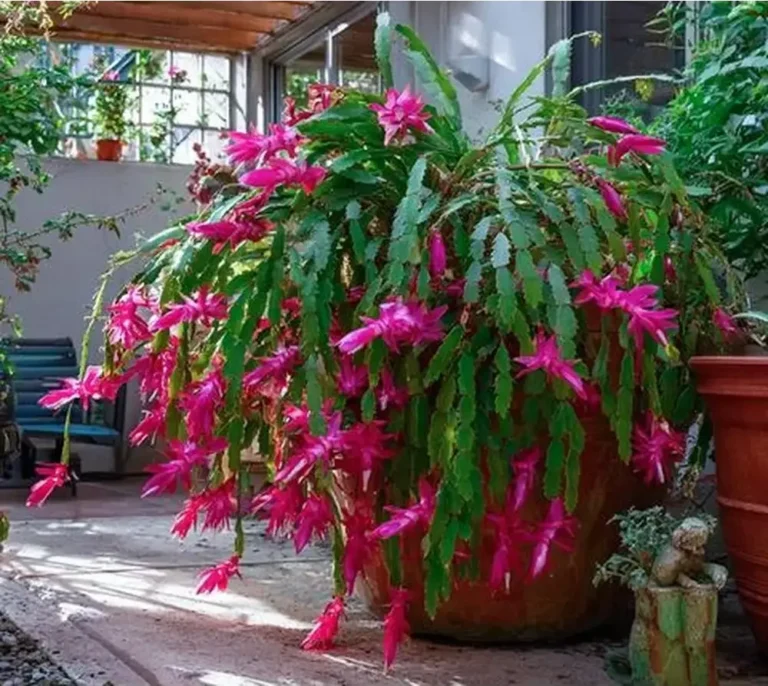
Christmas Cactus
Available
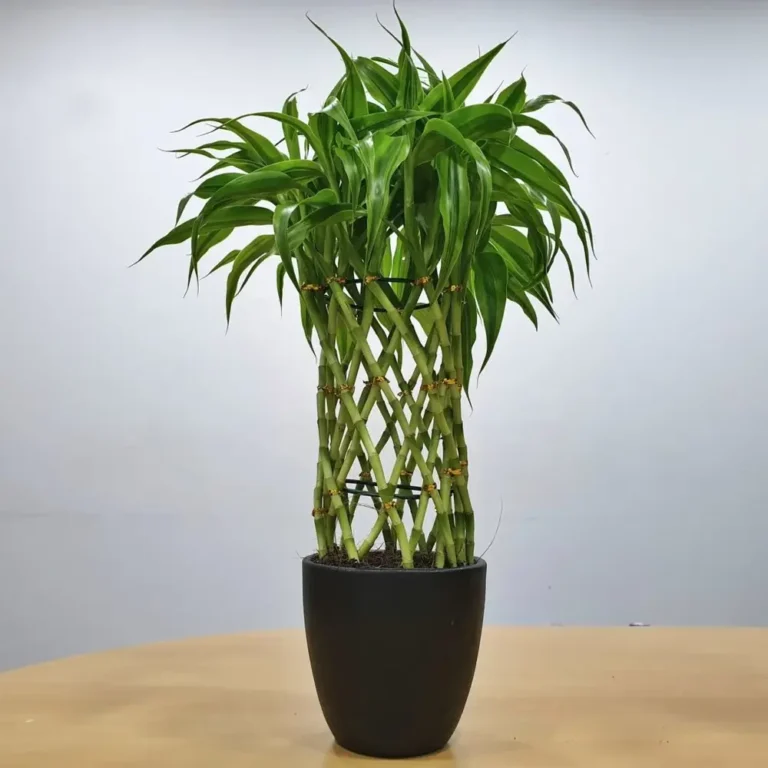
Lucky Bamboo
Available
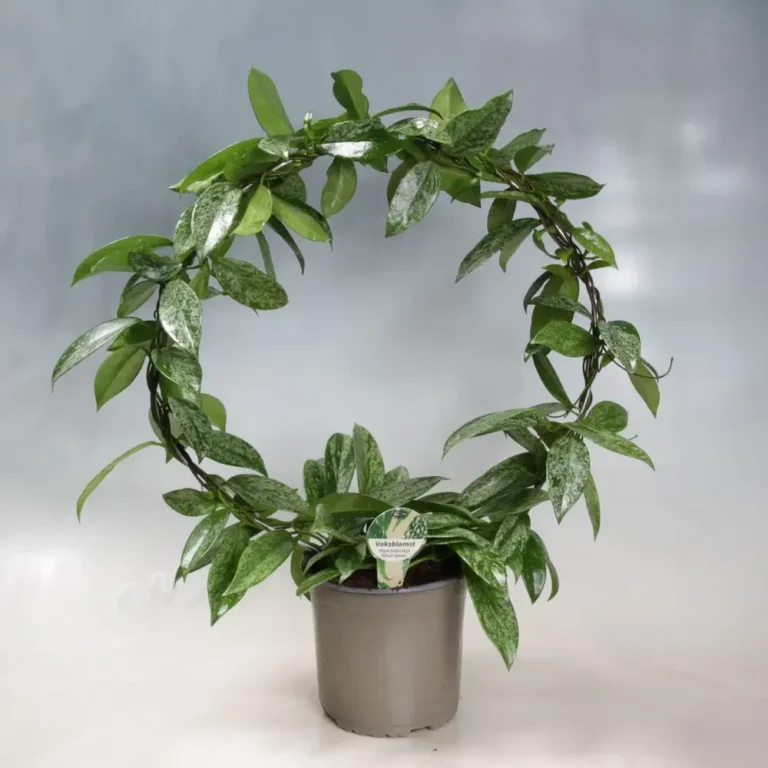
Hoya
Available
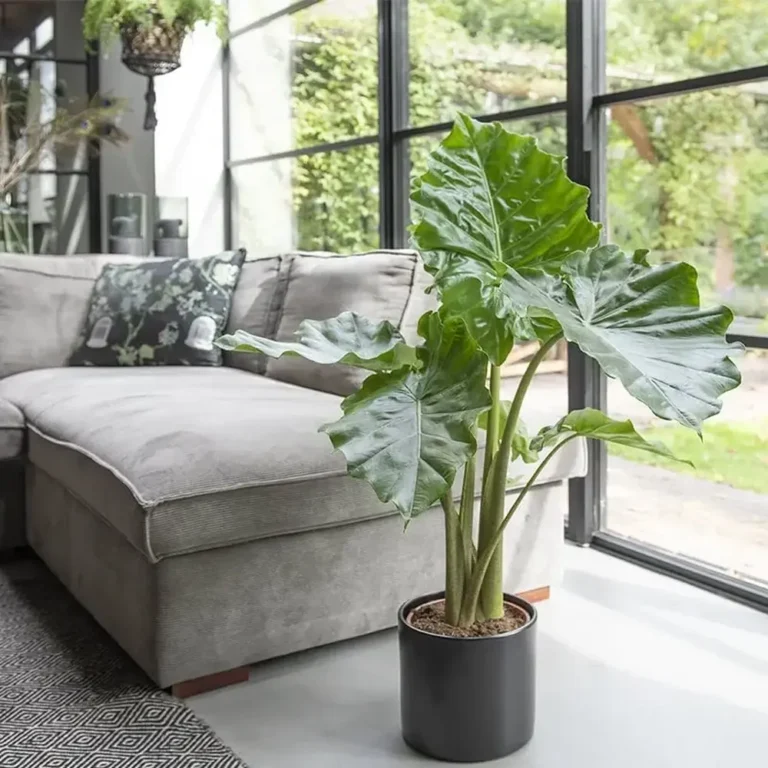
Alocasia
Available
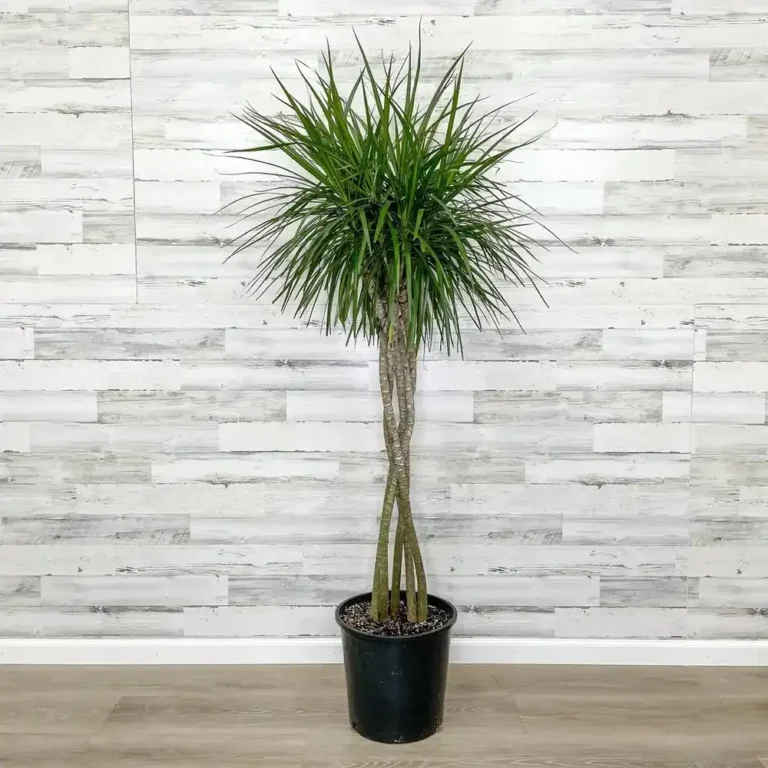
Dracaena

Available
Croton
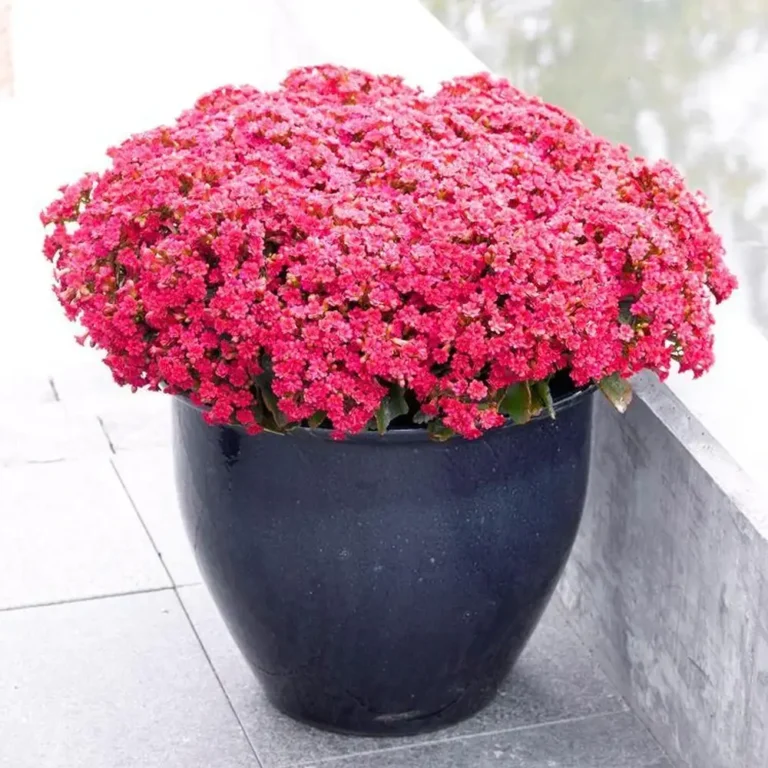
Available
Kalanchoe

Available
Bromeliad
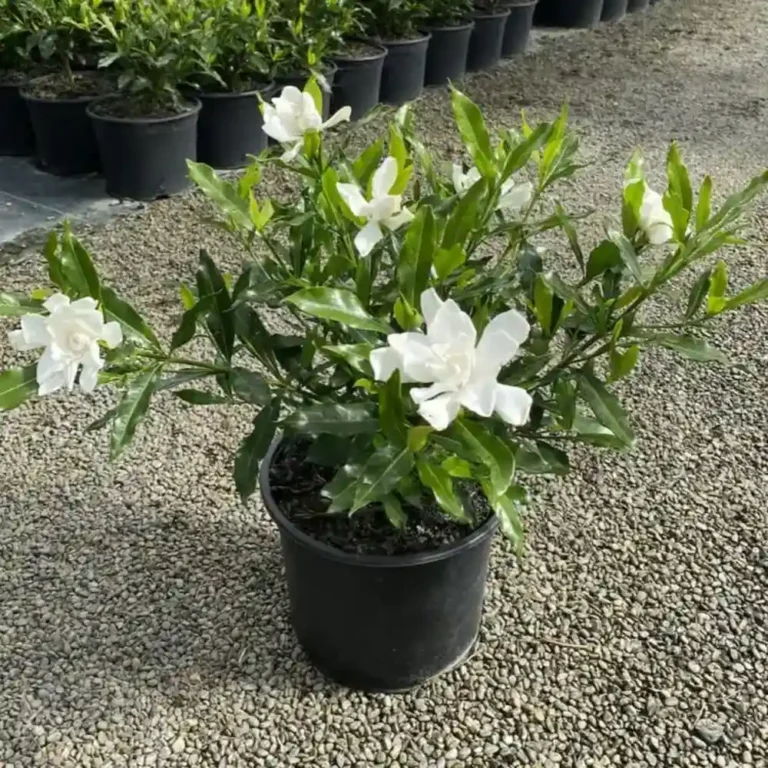
Available
Gardenia
Available
Hoya Compacta
Available
Dragon Scale
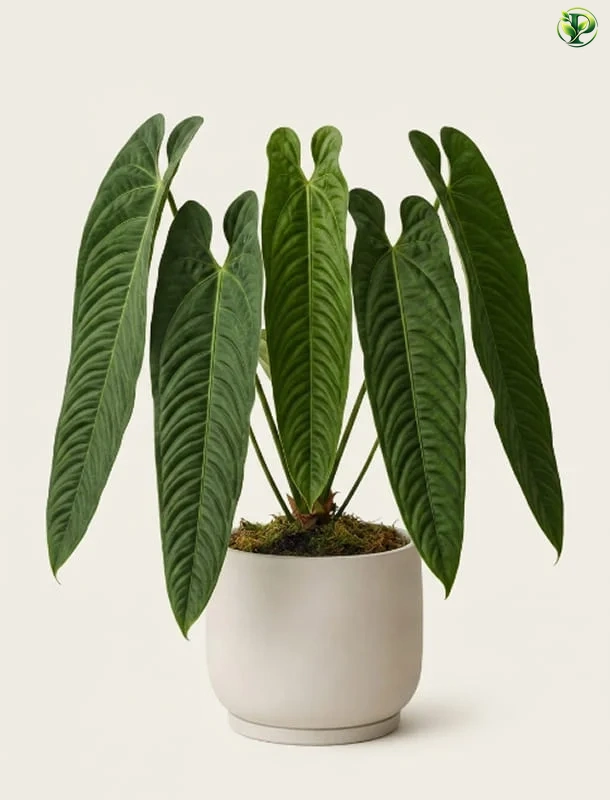
Available
Veitchii
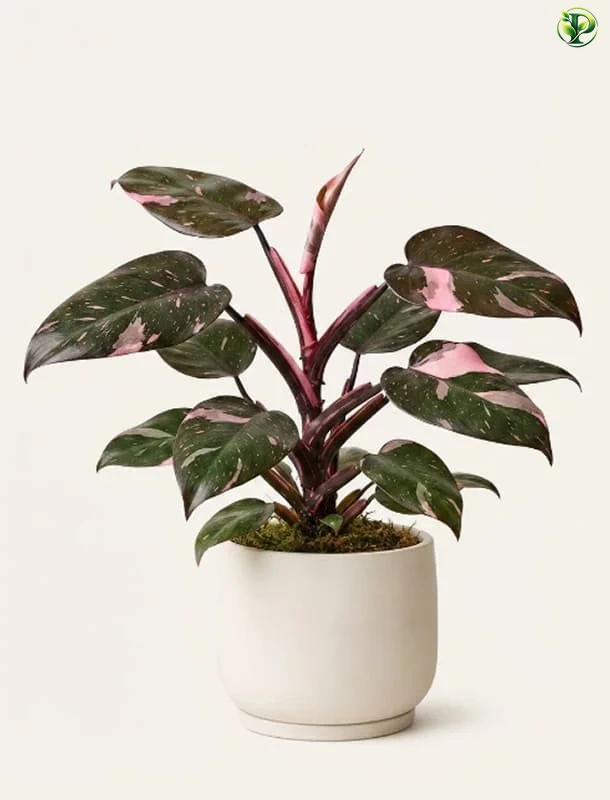
Available
Pink Princess
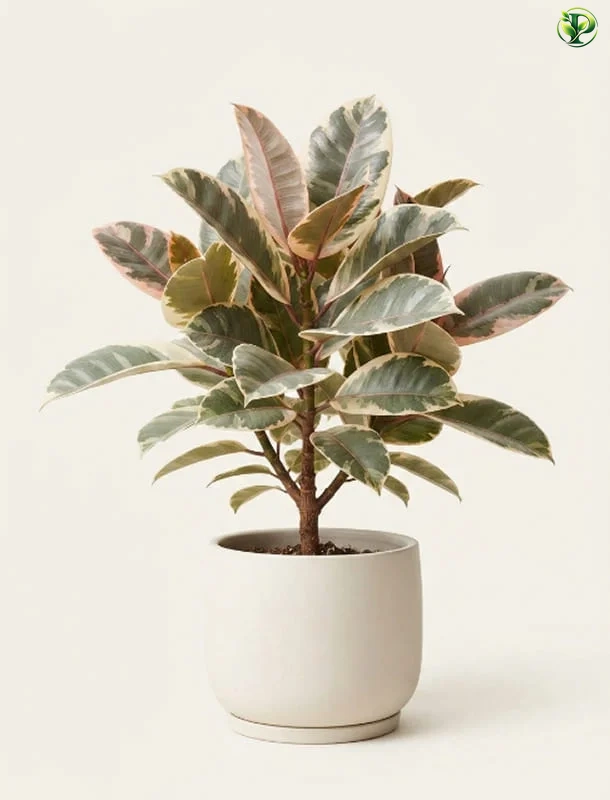
Available
Ficus Elastica

Available
White Queen
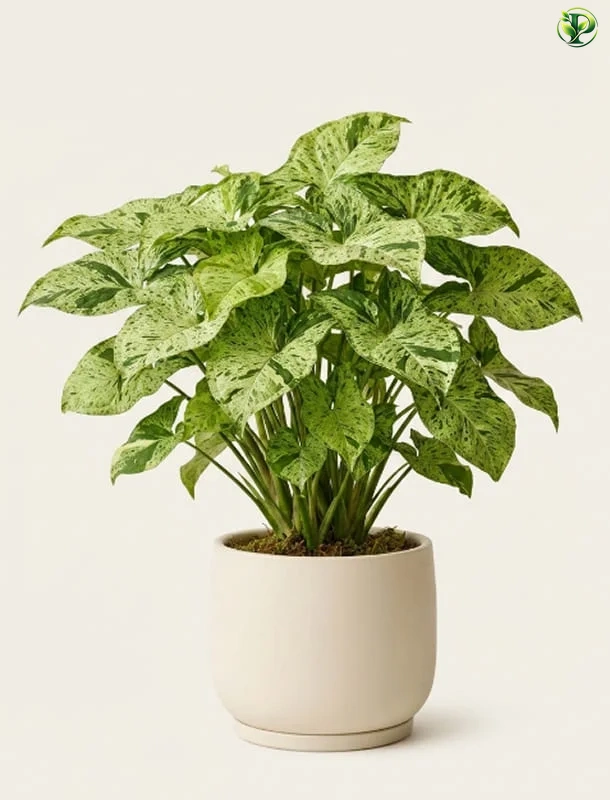
Available
Syngonium Mojito
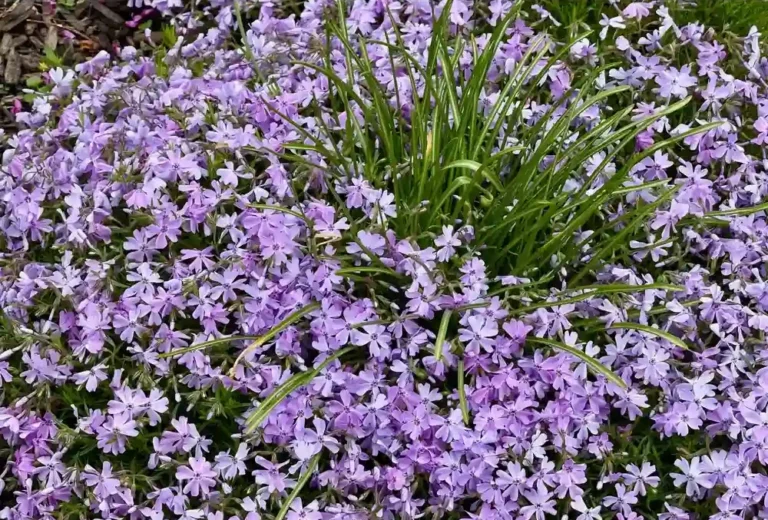
Available
Ground Cover Plants

Find the Best Indoor Plants
Explore easy-care indoor plants for bedrooms, living rooms, offices, and small spaces. Learn about light, watering, humidity, and the best plant choices for healthier, greener indoor living.
Solve Common Plant Problems
Get clear solutions for yellow leaves, brown tips, drooping, root rot, pests, and slow growth. Our practical plant problem guides help you identify issues quickly and care for plants with confidence.
Right Ground Cover Plants
Discover ground cover plants for full sun, shade, slopes, borders, and low-maintenance landscapes. Compare flowering, evergreen, and drought-tolerant options for U.S. gardens and growing zones.