Pothos Plant Care Guide with Detail & Buying Tips
- Home
- Indoor Plants
- Pothos
- Low-Maintenance Houseplant
Evergreen Tropical Climbing Vine
Care + Buying Guide
Pothos Plant Care
Pothos (Epipremnum aureum) is a low-maintenance tropical houseplant prized for its glossy, heart-shaped foliage and long trailing or climbing vines. For reliable indoor growth in U.S. homes, place it in bright indirect or filtered light, although it can tolerate lower-light rooms. Water when the surface of the potting mix feels dry, then let excess moisture drain completely. Use a loose, well-aerated potting mix and avoid keeping the roots constantly wet. Pothos adapts well to normal household conditions, responds well to occasional feeding during active growth, and can be pruned or trained on a support to control its size and shape.
FAMOUS PLANT
🌿 Trailing Evergreen Foliage
☀️ Bright Indirect Light
🪴 Beginner Friendly
✂️ Easy to Propagate

Care Guide
About Pothos
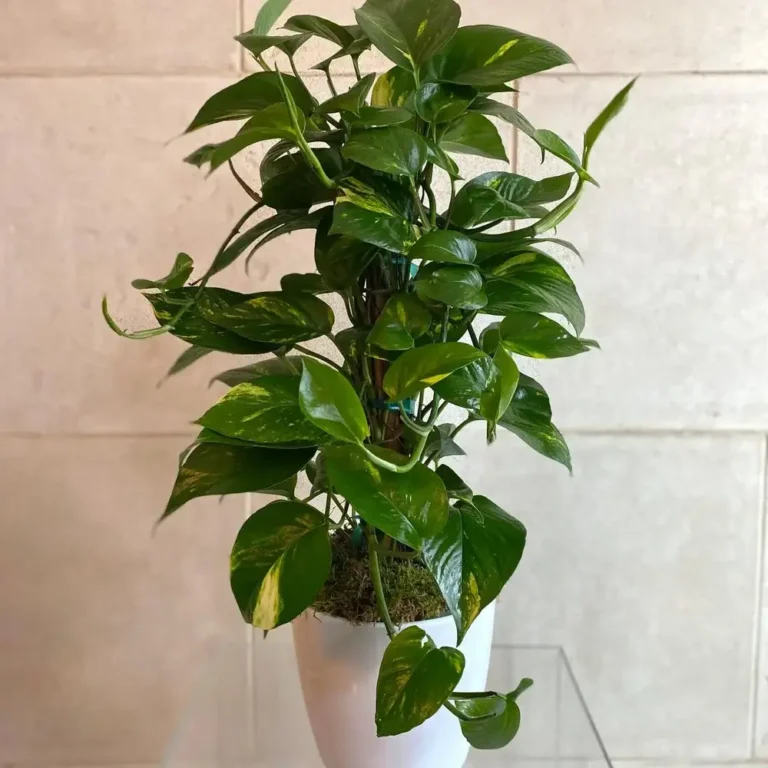
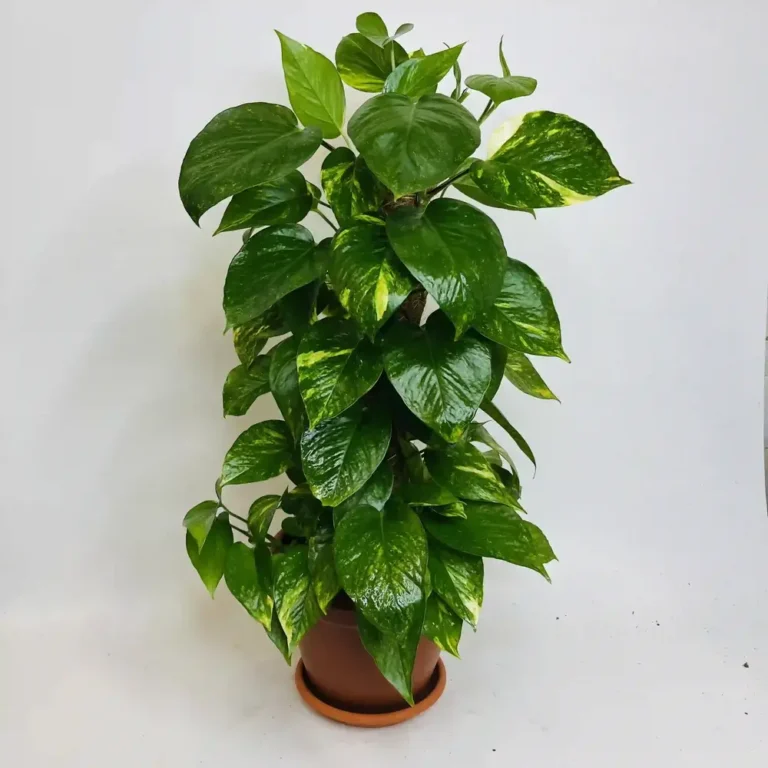
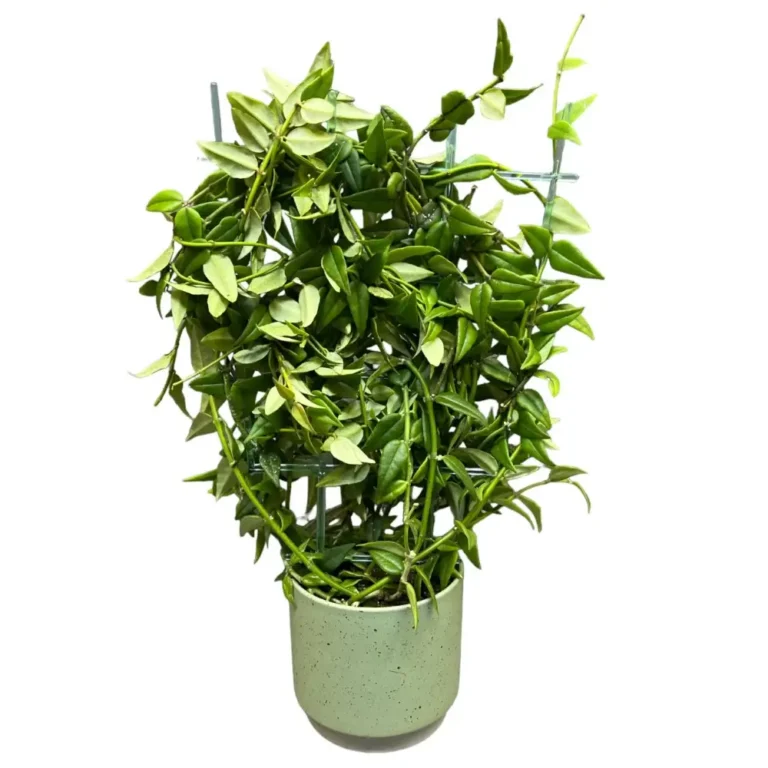
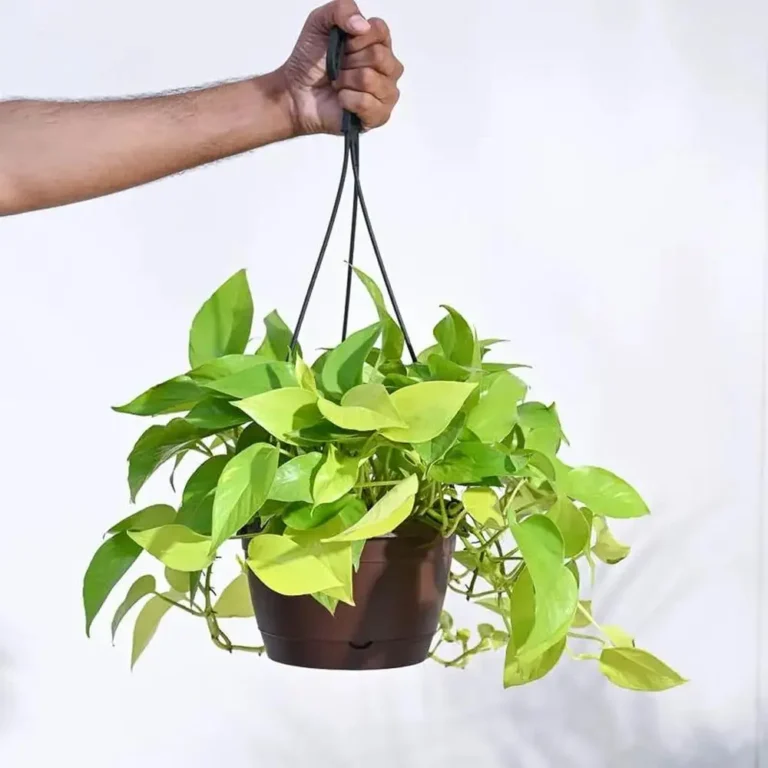
Pothos (Epipremnum aureum) is an evergreen climbing plant in the Araceae family. It produces flexible vines with glossy, heart-shaped juvenile leaves that may be solid green or patterned with yellow, cream, white, or lighter green depending on the cultivar. Aerial roots develop along the stems and allow the plant to cling to trees or supports as it climbs.
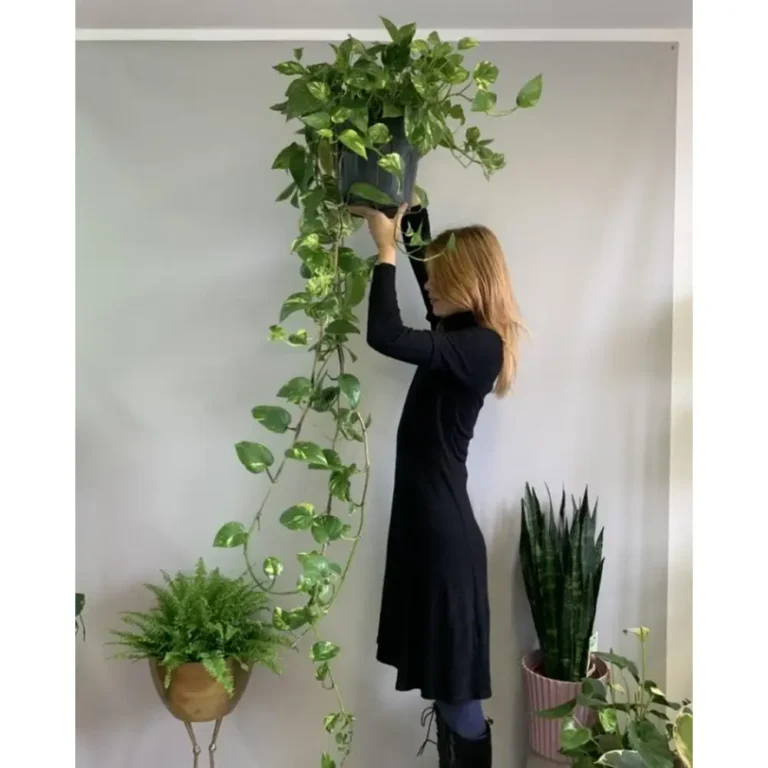
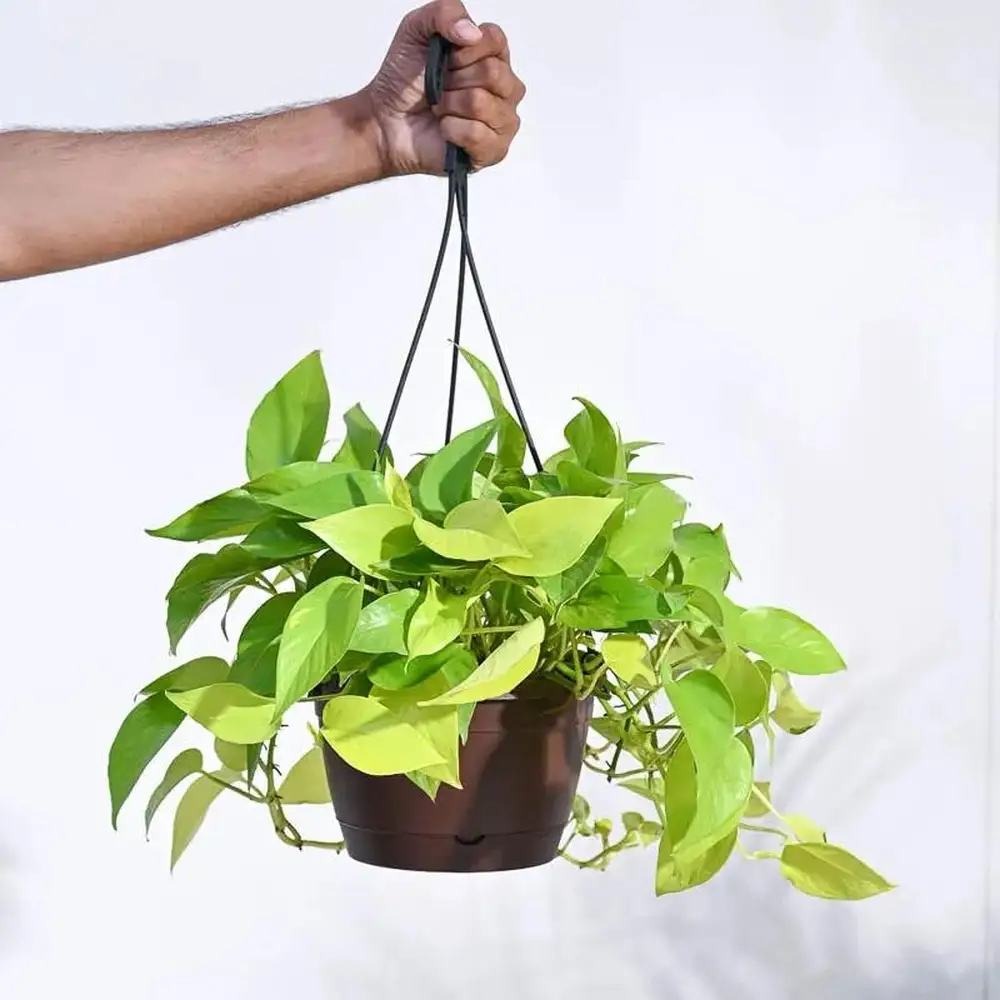
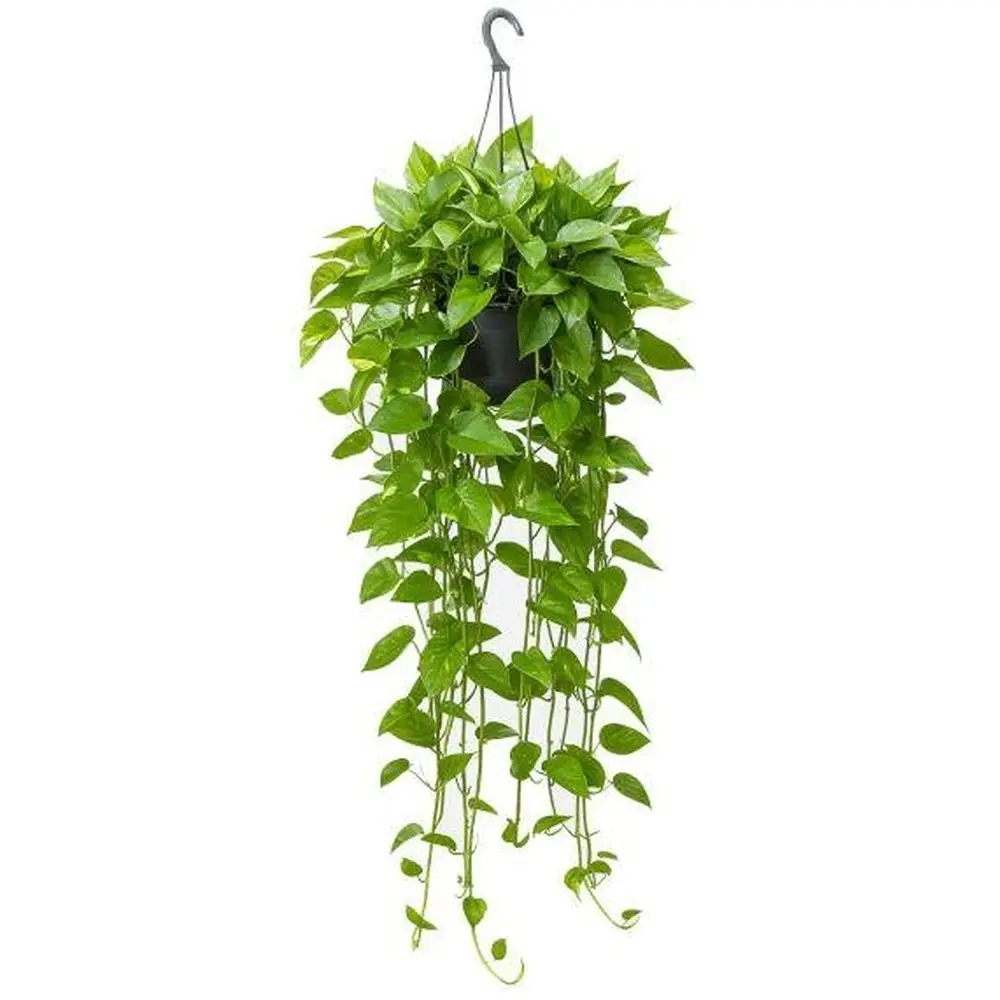
Indoors, Pothos is usually grown in its juvenile form as a trailing plant in hanging baskets, on shelves, or trained upward on a moss pole or trellis. In tropical conditions, mature vines can become dramatically larger and produce much bigger, divided leaves. Houseplants remain much easier to control through regular pruning.
Pothos is especially popular in North America because it tolerates a broad range of indoor conditions, including relatively low light, and it roots readily from stem cuttings. Common cultivated forms include Golden Pothos, Marble Queen, Jade, Neon, N’Joy, Pearls and Jade, and Global Green.
Plant Information
Difficulty
Easy
Light
Bright Indirect; Low Light Tolerated
Water
Water When Soil Surface Is Dry
Humidity
Average Household; Higher Is Helpful
Temperature
70–80°F Indoors Preferred
Growth Rate
Medium
Pet Friendly
No
Indoor Vine Length
6–10+ ft, Easily Pruned
Repotting
Every 1–2 Years or When Root-Bound
Native Range
Society Islands (Mo'orea)
History of Pothos
Pothos has a well-documented botanical naming history. The species was originally published in 1880 as Pothos aureus by Linden and André. During the twentieth century it was moved through several genera, including Scindapsus and Rhaphidophora, as botanists refined the classification of tropical aroids.
In 1964, George Sydney Bunting published the combination Epipremnum aureum, which is the botanical name accepted today. Kew currently recognizes the species as native to the Society Islands, specifically Mo’orea, rather than the Solomon Islands that are often cited in older horticultural references.
Pothos became an important ornamental foliage plant because its juvenile vines are attractive, adaptable, and easy to propagate. University of Florida sources note that Pothos has been grown commercially in the United States for nearly a century, becoming a familiar plant in homes, offices, hanging baskets, dish gardens, and commercial interiorscapes.
Today, numerous cultivars are sold throughout the U.S. plant trade, offering different combinations of green, gold, cream, white, and chartreuse foliage. Its resilience and ability to grow in a wide range of indoor conditions have helped Pothos remain one of the most recognizable houseplants in North America.
Plant Specifications
Botanical Name
Epipremnum aureum
Family
Araceae
Plant Type
Evergreen Tropical Climbing Perennial
Growth Habit
Climbing, Trailing, Root-Clinging
Indoor Vine Length
6–10+ ft Indoors, Prunable
Light Requirement
Bright Indirect; Low Light Tolerated
Watering
Water When Soil Surface Is Dry
Humidity
Average to Moderately High
Temperature
70–80°F Preferred Indoors
Soil
Loose, Well-Aerated, Well-Drained Mix
USDA Hardiness
USDA Zones 10–12 Outdoors
Repotting
Every 1–2 Years or When Root-Bound
Pet Safety
Toxic if Ingested
Native Range
Society Islands (Mo'orea)
Pothos Plant Care Guide
Use these practical Pothos plant care guidelines to maintain healthy roots, strong variegation, attractive vines, and steady growth in typical U.S. indoor conditions.
Light & Placement
Pothos grows best in bright, filtered or indirect light. It can remain alive in lower-light rooms, but growth may slow, leaves may become smaller, and variegated cultivars can lose some of their color.
Best placement: near an east- or west-facing window, or several feet back from a bright south-facing window. Avoid prolonged hot direct sun, which can scorch foliage.
Watering & Drainage
Allow the surface of the potting mix to dry before watering again, then water thoroughly until excess moisture drains from the container.
Do not water on a fixed calendar. Pothos generally uses less water during darker winter months, and constantly wet soil can lead to root rot and blackened leaf margins.
Soil & Repotting
Use a loose, well-aerated houseplant mix in a pot with working drainage holes. The root zone should hold some moisture without remaining saturated.
Repot when roots densely fill the container, drainage becomes difficult, or growth slows because the plant is crowded. Move up only one reasonable pot size to avoid holding excess wet soil around the roots.
Temperature & Humidity
Pothos performs well in warm indoor conditions. Temperatures around 70–80°F are suitable for most U.S. homes, and growth is best when plants are protected from cold drafts and sudden temperature changes.
Average household humidity is usually workable, although moderately higher humidity can support fuller growth. Keep vines away from heating vents and strong air-conditioning drafts.
Fertilizer
Pothos is not a heavy feeder. During active spring and summer growth, apply a balanced houseplant fertilizer at the label rate or a diluted strength approximately every other month.
Reduce or stop feeding during winter if growth has slowed, and avoid excessive fertilizer because soluble-salt buildup can damage roots and leaf edges.
Pruning & Training
Prune long or sparse vines just above a node to control size and encourage fresh branching. Healthy cuttings can be used for propagation.
Pothos can trail freely or climb a moss pole, trellis, or other support. Climbing plants supplied with good light can develop larger leaves. Wipe dusty foliage occasionally with a soft damp cloth.
Common Pothos Problems
Pothos symptoms can have more than one cause. Check soil moisture, drainage, light, temperature, roots, and pest activity before making major changes to the plant’s care routine.
Yellow Leaves
Yellowing can occur when roots remain too wet, drainage is poor, light is inadequate, or older leaves are naturally aging. Check the potting mix and root condition before increasing watering or fertilizer.
Root Rot & Blackened Margins
Persistently wet soil can damage Pothos roots and may be associated with root rot and blackening along leaf margins. Let the mix drain and partially dry, remove badly rotted roots if necessary, and repot into fresh, well-aerated medium.
Loss of Variegation
Variegated Pothos may become greener in low light, and new leaves may also be smaller. Move the plant to brighter indirect light while avoiding sudden exposure to intense direct sun.
Brown Patches & Cold Stress
Scattered brown patches can develop after exposure to low temperatures, cold drafts, or abrupt temperature changes. Keep Pothos in a stable warm location and away from frequently opened winter doors or strong air-conditioning vents.
Mealybugs & Scale
Inspect stems, nodes, petioles, and leaf undersides for white cottony mealybugs or brown scale insects. Isolate affected plants and address infestations promptly before pests spread to nearby houseplants.
Spider Mites
Spider mites can occasionally infest Pothos, especially stressed indoor plants. Look for fine stippling, faded foliage, or delicate webbing and inspect neighboring plants if symptoms appear.
How to Choose a Healthy Pothos Plant
Choose a healthy Pothos plant with firm, glossy foliage, active nodes, and evenly distributed growth. Leaves should show the normal color pattern for the cultivar without widespread yellowing, black margins, large scorched areas, or extensive wilting. Check that stems are flexible but not soft or collapsing and that the plant is firmly anchored in the container.
Inspect the potting mix and visible roots before buying. Avoid plants sitting in permanently soggy soil or containers with a sour smell, severely blackened roots, or obvious root rot. Check stems, leaf undersides, and nodes for mealybugs, scale insects, spider mites, sticky residue, or webbing. A healthy root system, good drainage, and clean new growth are more important than choosing the longest vine.
Also confirm the cultivar name because Pothos varieties can differ significantly in color, growth rate, and variegation. Golden Pothos, Marble Queen, Jade, Neon, N’Joy, Pearls and Jade, and Global Green are commonly sold in the U.S. Select a cultivar that matches your indoor light level, available space, preferred foliage color, and whether you plan to grow the plant as a trailing basket or train it vertically.
Buying Checklist
Healthy Leaves & Nodes
Choose firm, glossy foliage with healthy nodes and no widespread yellowing, blackened margins, severe scorch, or collapsing stems.
Healthy Roots
Avoid foul-smelling wet soil, badly blackened roots, or a plant that feels unstable because of root damage.
Good Drainage
Choose a container with working drainage holes and potting mix that is not permanently saturated.
No Visible Pests
Inspect stems, nodes, petioles, and leaf undersides for mealybugs, scale insects, mite damage, sticky residue, or webbing.
Correct Cultivar
Confirm that the leaf color and variegation match the labeled Pothos cultivar, especially when buying premium variegated forms.
Frequently Asked Questions
Yes. Pothos is one of the easiest common houseplants for beginners because it tolerates a range of indoor light levels, responds well to pruning, and roots readily from stem cuttings. Avoid chronic overwatering.
Bright indirect or filtered light is best. Pothos can survive in relatively low light, but growth may slow and variegated cultivars can become greener. Avoid prolonged intense direct sun.
Do not water on a fixed weekly schedule. Water when the soil surface has dried, then water thoroughly and allow excess moisture to drain. Watering frequency usually decreases during darker winter months.
No. Pothos contains insoluble calcium oxalate crystals and is toxic to cats and dogs if chewed or ingested. Keep it out of reach of pets that investigate houseplants.
No special tropical humidity setup is required for most homes. Average household humidity is generally workable, although moderately higher humidity can support stronger foliage growth. Avoid very dry heating vents and cold drafts.
Take a healthy stem cutting with at least one node. Cuttings root readily in water, vermiculite, or a moist propagation medium. Several rooted cuttings can be planted together to create a fuller pot.
Pothos is hardy outdoors mainly in USDA Zones 10–12 and is otherwise grown as a houseplant or warm-season container plant. In Florida, it can escape cultivation and is considered an invasive risk, so follow local extension guidance before planting it in the landscape.
Related Plants
Explore Similar Indoor Plants
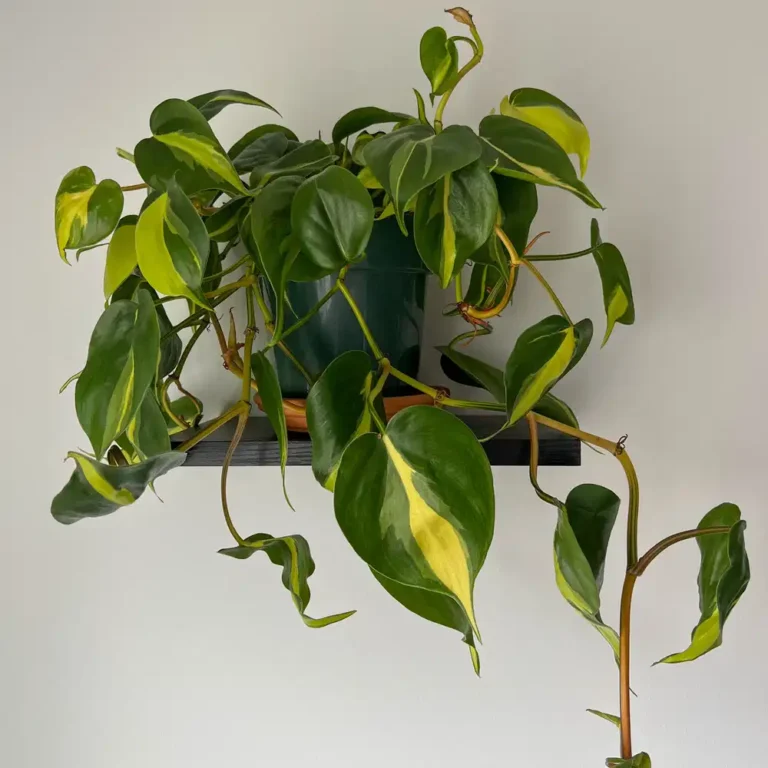
Philodendron
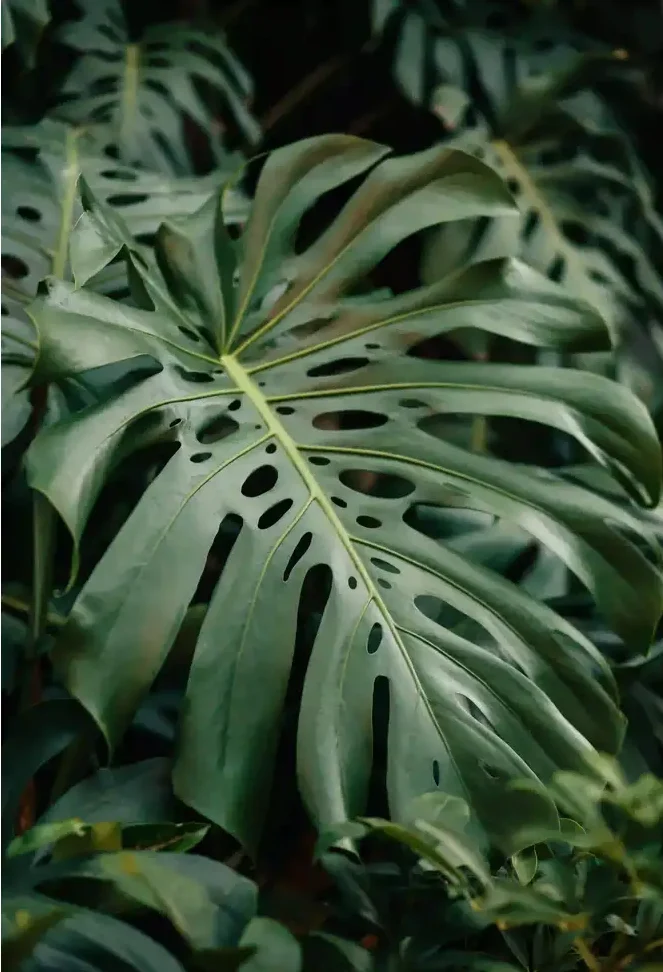
Monstera
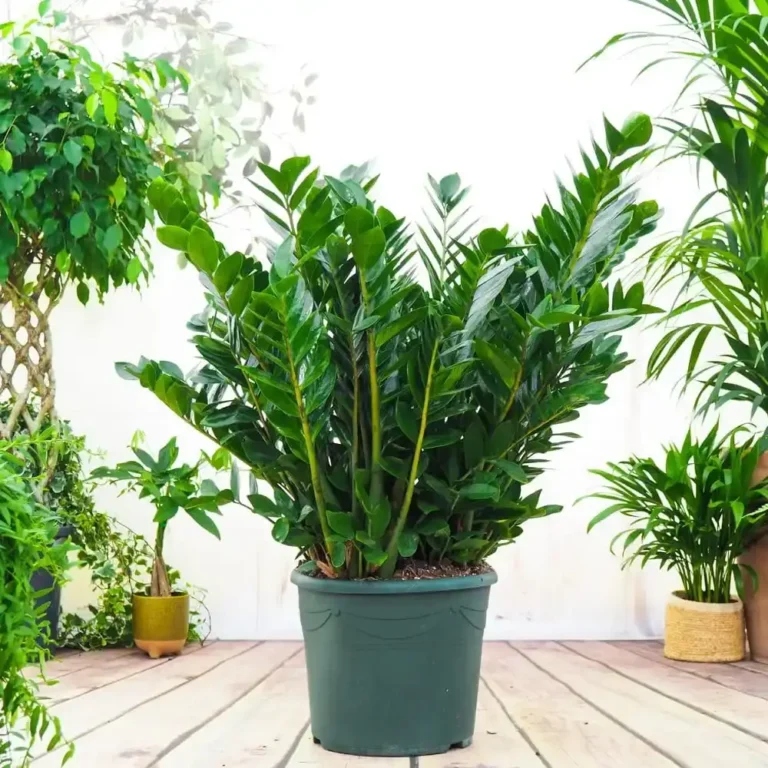
Zamioculcas