
Plant Problems: Common Symptoms, Causes & Solutions
- Tropical Flowering Houseplant
Plant Health & Diagnosis Guide
Symptoms + Causes + Fixes
How to Diagnose and Fix Common Plant Problems Successfully
Yellow leaves, brown tips, drooping stems, curling foliage, root rot, pests, and slow growth are some of the most common plant problems gardeners and houseplant owners face. The same symptom can have several possible causes, so successful plant care starts with diagnosis rather than immediately adding more water, fertilizer, or pesticide.
Use this guide to identify indoor plant problems, houseplant problems, plant diseases, watering problems, leaf problems, root problems, and houseplant pests. Start with what you can see, then check soil moisture, drainage, roots, light, temperature, recent changes, and pest activity before choosing a treatment.
COMMON PLANT PROBLEMS
🍃 Yellow, Brown or Curling Leaves
💧 Overwatering & Root Rot
🕷️ Pests, Gnats & Mites
🌱 Slow Growth & Plant Stress

Care Guide

Why Is My Plant Dying?
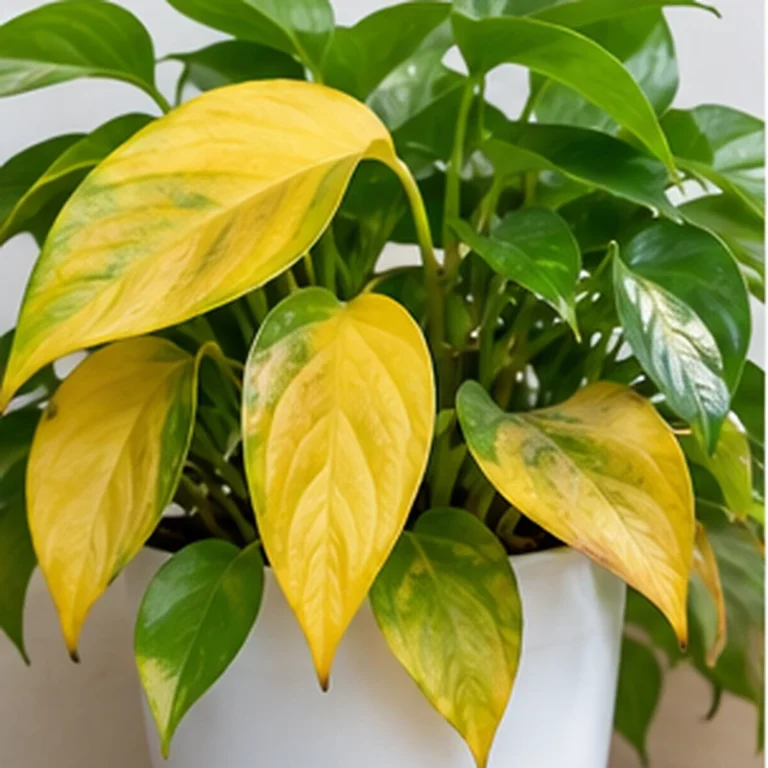
When a plant looks unhealthy, avoid treating one symptom in isolation. A drooping plant can be underwatered, but it can also wilt because roots are damaged in constantly wet soil. Yellow leaves on plants may come from overwatering, low light, root stress, temperature changes, pests, nutrient problems, or normal leaf aging. Other common plant problems include brown leaf tips, curling leaves, root rot, slow growth, leaf drop, and houseplant pests.
Start with five checks: soil moisture, drainage and roots, light, pests, and recent changes. Ask whether the plant was moved, repotted, fertilized, exposed to cold or heat, or placed near a vent. Inspect the entire plant—not just the damaged leaf—and compare symptoms with the plant’s normal growth habit. Many indoor plant problems and houseplant problems are caused by incorrect watering, poor drainage, unsuitable light, or environmental stress rather than serious plant diseases.
If you are searching “why is my plant dying” or “how to save a dying plant”, the safest approach is to correct the most likely underlying problem first and give the plant time to respond. Check especially for overwatering plants, root rot, plant leaves turning yellow, plant pests, and damaged roots. Changing watering, light, soil, fertilizer, and location all at once can create more stress and make diagnosis harder.
Plant Problem Quick Diagnosis
Yellow Leaves
Overwatering, Low Light, Root Stress or Natural Aging
Brown Tips
Dry Air, Inconsistent Watering, Salts or Root Stress
Drooping
Underwatering, Overwatering, Heat or Root Damage
Curling Leaves
Water Stress, Heat, Pests or Humidity Problems
Leaf Drop
Environmental Change, Water Stress, Low Light or Roots
Slow / Leggy Growth
Often Low Light; Also Roots, Season or Nutrients
Mushy Roots
Possible Root Rot from Excess Moisture or Poor Drainage
Sticky Leaves / Webbing
Check for Scale, Mealybugs, Aphids or Spider Mites
Tiny Flying Bugs
Often Fungus Gnats Around Moist Potting Mix
First Rule
Diagnose Before You Water, Feed or Spray
Start With the Symptom, Then Find the Cause
Look at the pattern: One old yellow leaf is different from several new leaves turning yellow at once. Dry brown edges are different from soft water-soaked spots. Fine stippling and webbing point in a different direction than simple sunburn.
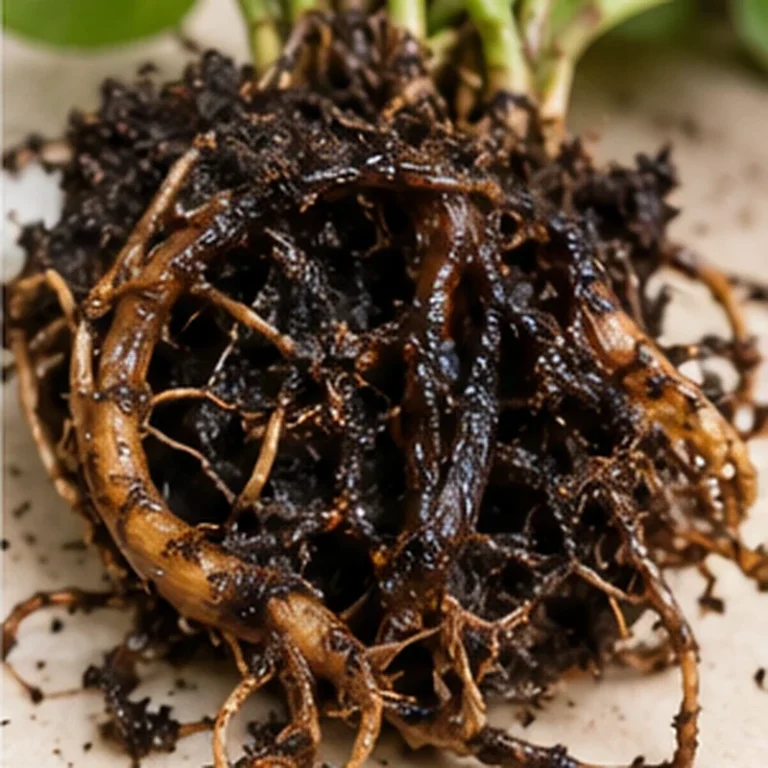
Check the root zone: Feel the potting mix below the surface. Confirm that excess water can drain. If the plant is declining despite wet soil, inspect roots for dark, soft, or decaying tissue before adding more water.
Review the environment: Compare the plant’s light, temperature, humidity, and airflow with its normal needs. Sudden moves, cold windows, air-conditioning, heating vents, and a rapid increase in direct sun can all trigger visible stress.
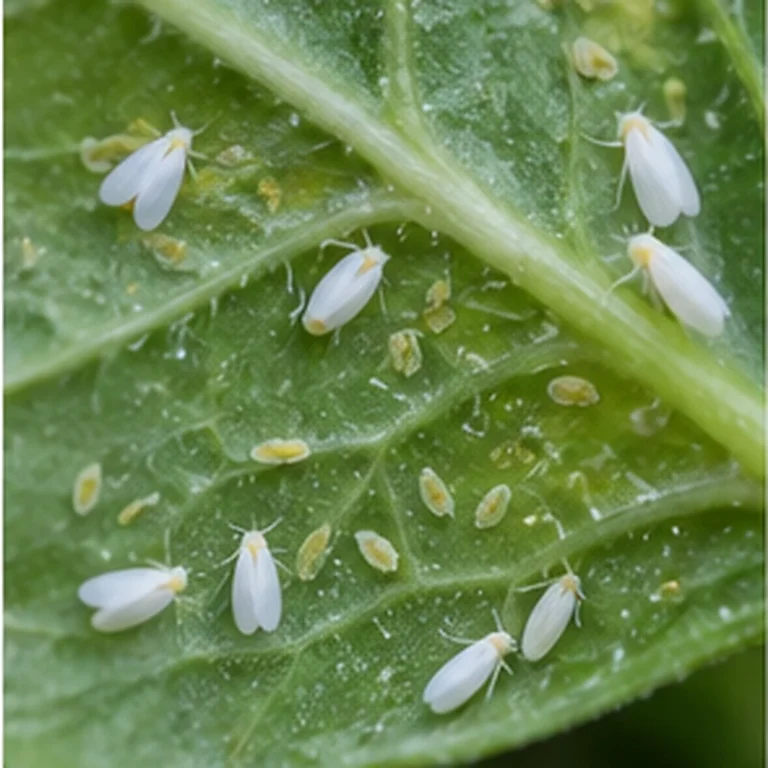
Inspect for pests: Check leaf undersides, stem joints, new growth, and the soil surface. Look for webbing, sticky honeydew, white cottony material, small bumps, silvery scarring, tiny insects, or flying gnats. Early identification makes houseplant pest control much easier.
First Checks Before Treatment
1. Plant Identity
Know the Species or Cultivar Before Diagnosing
2. Soil Moisture
Too Wet, Too Dry, or Appropriate for the Plant?
3. Drainage
Confirm Excess Water Can Leave the Container
4. Roots
Firm and Healthy vs. Dark, Soft or Mushy
5. Light
Too Much, Too Little, or a Sudden Change?
6. Pests
Inspect Leaves, Nodes, New Growth & Soil Surface
7. Temperature
Check for Cold Drafts, Heat or Rapid Swings
8. Humidity
Important for Species That Need Moist Air
9. Fertilizer
Check for Overfeeding, Salt Buildup or Deficiency
10. Recent Changes
Moving, Repotting, Shipping, Pruning or Seasonal Change
Treatment Strategy
Correct the Most Likely Cause First
Recovery Time
Healthy New Growth Matters More Than Old Damage
Isolation
Separate Plants When Pests or Disease Are Suspected
Prevention
Right Plant + Right Light + Correct Watering + Regular Checks
Leaf & Growth Problems
Leaf color, texture, shape, and growth pattern provide useful clues, but one symptom rarely proves a single cause. Use the sections below to narrow down common plant leaf problems before making major changes to your care routine.
Yellow Leaves on Plants
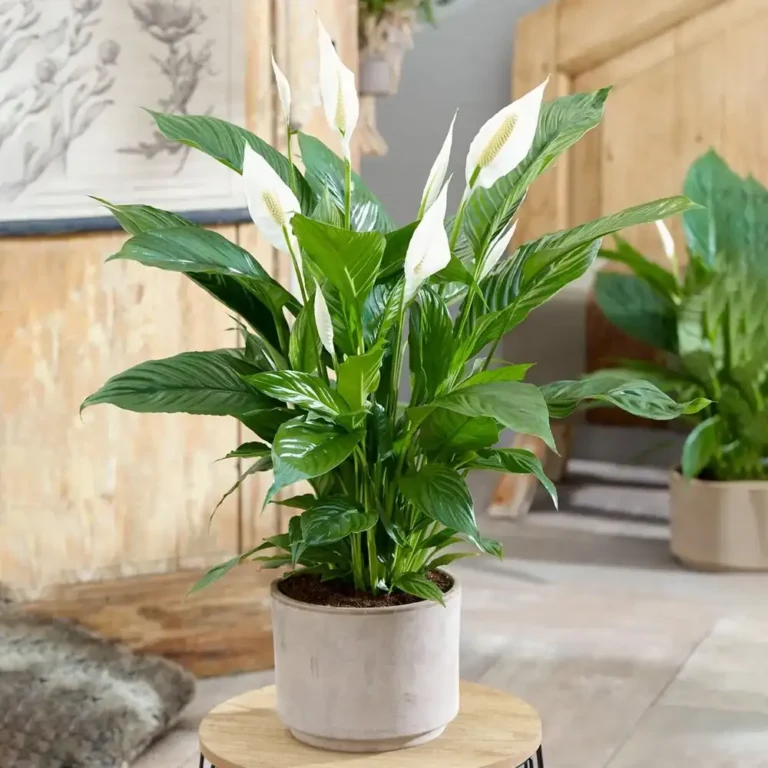
Yellow leaves on plants are commonly linked with excess moisture, poor drainage, insufficient light, root stress, nutrient imbalance, temperature stress, pests, or natural aging. If several leaves yellow while the potting mix stays wet for long periods, investigate overwatering and root health first.
If only the oldest lower leaf turns yellow while the plant is producing healthy new growth, normal aging may be responsible. Check the pattern across the whole plant before fertilizing or watering more. For repeated yellowing, confirm drainage, compare light with the species’ needs, and inspect roots and pests.
Brown Leaf Tips & Brown Spots
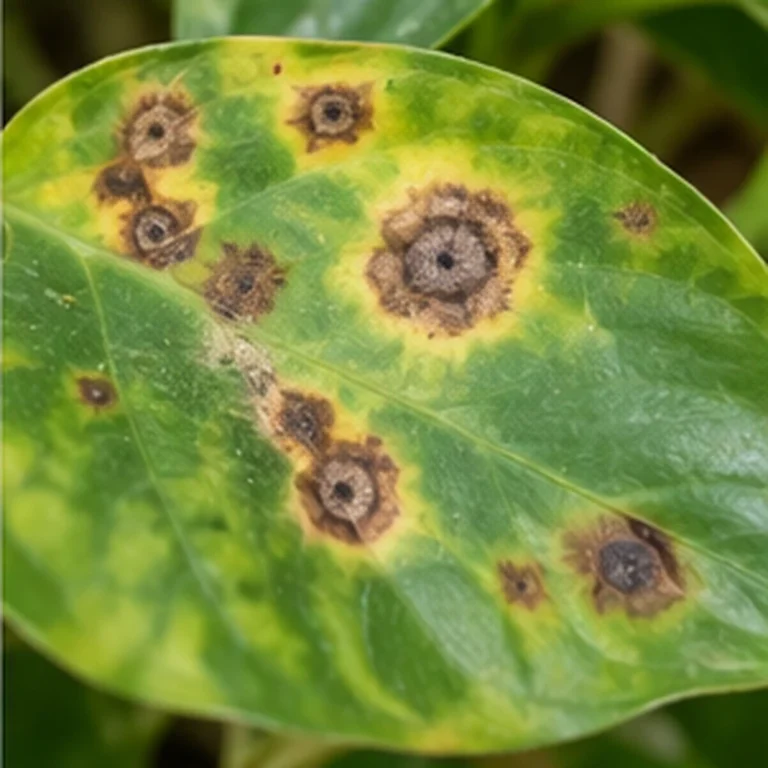
Brown leaf tips may come from inconsistent watering, dry air, fertilizer-salt buildup, damaged roots, excessive heat, or sensitivity to water quality. Dry, crispy brown spots can also follow sunburn or severe dehydration, while soft or water-soaked spots may point to excess moisture, tissue injury, or disease.
Do not assume every brown leaf means the plant needs more water. Check the soil and roots first, then review humidity, fertilizer use, direct sun, and airflow. Old damaged tissue will not turn green again; judge recovery by healthy new growth.
Plant Leaves Curling & Drooping
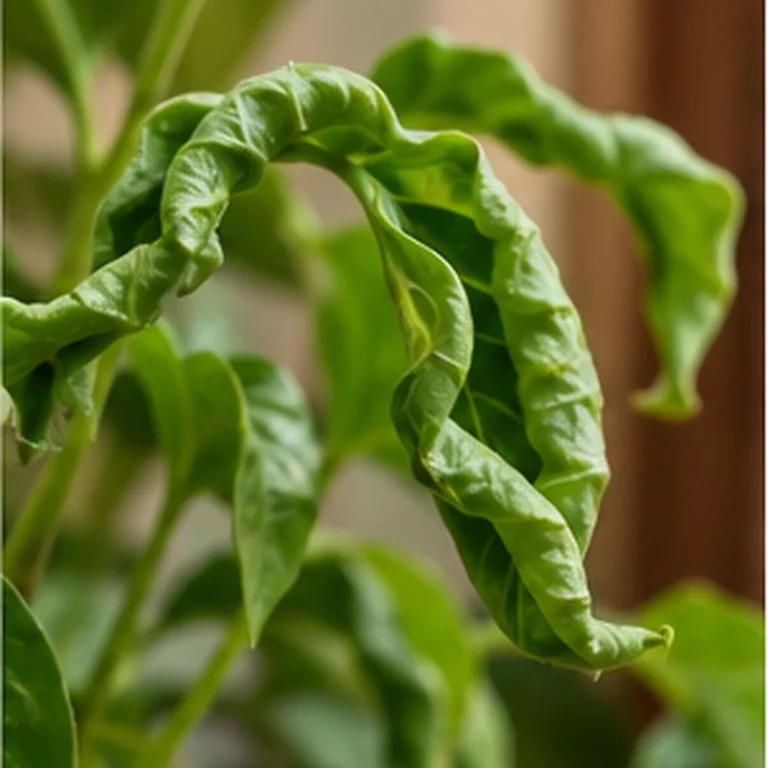
Plant leaves curling can be caused by underwatering, heat, low humidity, root stress, strong direct sun, or pest feeding. Inspect the undersides of curled leaves for mites, thrips, aphids, webbing, sticky residue, or distorted new growth.
A drooping plant does not automatically need water. Dry soil and a lightweight pot support an underwatering diagnosis, but wet soil combined with wilting can indicate poor root function or root rot. Always check moisture below the surface before watering.
Leaf Drop, Black Leaves & Crispy Foliage
Sudden leaf drop can follow a move, low light, watering stress, cold drafts, heat, root damage, or pest activity. Blackened or water-soaked tissue can appear after cold injury or severe root problems, while dry crispy foliage often points toward dehydration, heat, strong sun, low humidity, or damaged roots.
Think about what changed in the previous days or weeks. A plant moved from a bright nursery or outdoor location into a darker room may shed leaves while adjusting. Keep conditions stable while you rule out pests and root problems.
Pale Leaves, Chlorosis & Nutrient Problems
Pale or yellow-green leaves may be related to insufficient nutrients, root damage, unsuitable soil pH, low light, excessive light, or normal aging. Adding fertilizer is not always the solution because unhealthy roots may be unable to absorb nutrients effectively.
Before feeding, check root health, watering, drainage, and light. If you do fertilize, follow the product label and avoid repeated strong applications. Excess fertilizer can burn roots and create white salt crusts on the potting mix.
Slow Growth, Leggy Growth & No Flowers
Leggy plant growth—long stems with wide spaces between leaves—often develops when a plant does not receive enough usable light. Slow growth may also be normal during winter or dormancy, or it may reflect root crowding, cold conditions, damaged roots, pests, or low fertility.
If a flowering plant is healthy but will not bloom, review light first. Flowering can also depend on plant maturity, season, temperature, pruning, and species-specific cues. Increase light gradually rather than moving a shade-grown plant directly into intense sun.
Watering, Root & Environmental Problems
Many serious houseplant problems begin in the root zone or after a mismatch between the plant and its environment. Compare the symptoms below with soil moisture, drainage, root condition, light, and recent environmental changes.
Overwatering Plants
Overwatering plants usually means watering too frequently or keeping roots wet for too long. Common signs include yellow leaves, soft growth, persistently wet soil, fungus gnats, leaf drop, slow growth, mold on the soil surface, and eventually root rot.
Let the potting mix dry to the level appropriate for the species, empty standing water, and confirm that the container drains. If decline continues despite correcting watering frequency, inspect the roots.
Underwatered Plant
An underwatered plant may droop, develop crispy leaf edges, curl its leaves, shed foliage, or sit in potting mix that has become extremely dry and pulled away from the container. Water thoroughly so the root ball is actually moistened and allow excess water to drain.
Do not permanently keep the soil wet afterward. The goal is to restore the plant’s normal moisture cycle, not switch from underwatering to overwatering.
Root Rot
Root rot is a major cause of declining indoor plants. Warning signs can include yellow foliage, wilting despite wet soil, slow growth, soft stems, leaf drop, dark mushy roots, and an unpleasant smell. Root rot is commonly associated with excess moisture, poor drainage, dense potting mix, or an oversized container that stays wet too long.
If enough healthy roots remain, remove clearly rotten tissue with clean tools, repot in fresh appropriate mix, use a container with drainage, and correct the watering problem. Severely damaged plants may not recover.
Root-Bound Plants & Repotting Shock
A root-bound plant may have roots circling tightly inside the pot, roots growing heavily through drainage holes, very rapid drying, unstable top growth, or slower growth despite suitable care. Move to a slightly larger container rather than an oversized pot.
After repotting, temporary drooping or slowed growth can occur from root disturbance. Keep conditions stable and avoid unnecessary fertilizing or repeated repotting while the plant recovers.
Sunburn & Light Stress
Plant sunburn often appears as bleached, tan, brown, or crispy patches on foliage that received stronger direct light than it was accustomed to. Too little light can cause slow growth, small leaves, leaning, loss of variegation in some plants, and leggy stems.
Move plants gradually when changing light levels. Match the location to the species instead of assuming every indoor plant prefers the same window.
Cold, Heat & Humidity Stress
Tropical plants can react to cold windows, exterior doors, air-conditioning, heating vents, or sudden temperature swings with wilting, blackened tissue, leaf drop, or stalled growth. Very dry indoor air can contribute to crispy margins on humidity-sensitive plants, while excessive moisture and poor airflow can encourage some disease problems.
Keep sensitive plants away from direct blasts of hot or cold air and aim for stable conditions suited to the species. Remember that brown tips can have several causes, so humidity should not be blamed automatically.
Houseplant Pests & Plant Diseases
Houseplant pests often hide on leaf undersides, stem joints, new growth, and near the soil surface. Inspect plants regularly for fine webbing, sticky honeydew, white cottony clusters, brown scale-like bumps, silvery scars, distorted leaves, tiny insects, or flying gnats. Regular inspection is one of the most important parts of houseplant care because many indoor plant pests are much easier to control before they spread. Isolate a heavily infested plant when practical so pests do not move to nearby indoor plants and other houseplants.
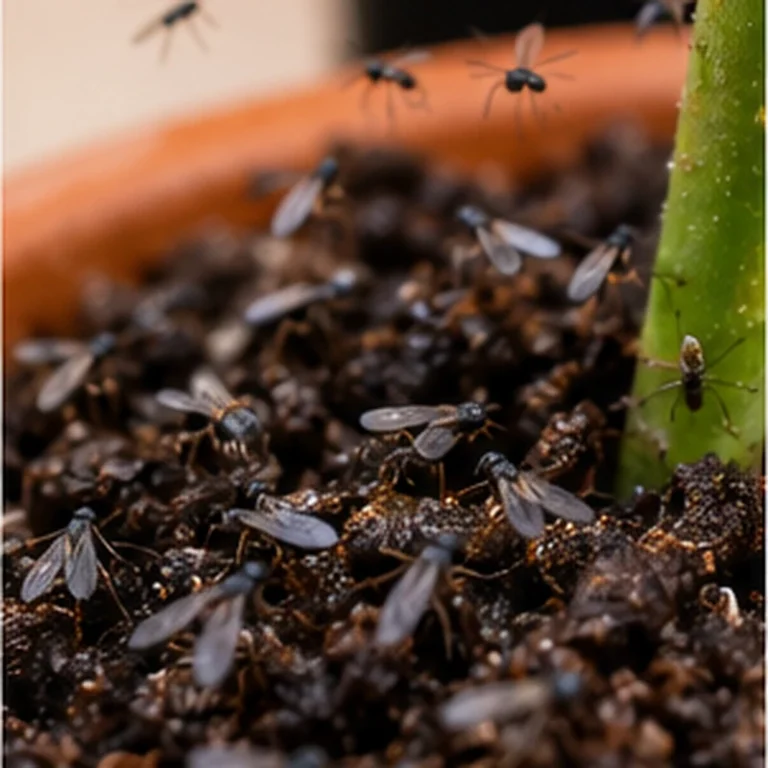
Spider mites can cause fine stippling, pale leaves, and webbing. Mealybugs look like white cottony material around stems and leaf joints. Scale insects may resemble attached brown or tan bumps. Thrips can scar or distort leaves, while aphids often cluster on tender new growth. Fungus gnats are small dark flies commonly associated with moist organic potting media. These are some of the most common houseplant pests, and they can contribute to yellow leaves, curling leaves, weak growth, leaf drop, and other plant problems if infestations become severe.
Not every damaged leaf is a plant disease. Watering problems, overwatering, underwatering, sunburn, cold injury, fertilizer salts, low humidity, poor drainage, and physical damage can mimic disease. Fungal or bacterial leaf spots may produce expanding lesions, while powdery mildew creates a pale powdery coating on susceptible plants. Root rot, brown leaf spots, yellow leaves on plants, and plant leaves curling may also be linked to environmental stress rather than an infectious disease.
Improve airflow, remove heavily affected debris, keep foliage appropriately dry for the species, and use pesticides or fungicides only when the problem is correctly identified and the product label allows use on that plant. Good indoor plant care, proper watering, healthy soil, adequate light, and early pest detection can prevent many common plant problems, plant diseases, and recurring pest infestations before serious damage develops.
Pest & Disease Identification Checklist
Spider Mites
Look for fine webbing, pale stippling, faded leaves, and tiny moving dots—especially on leaf undersides. Warm, dry conditions can favor rapid mite buildup. Isolate affected plants and use an appropriate labeled control if washing and physical removal are not enough.
Fungus Gnats
Tiny dark flies hovering around potting soil are often fungus gnats. They are strongly associated with persistently moist organic media. Reduce unnecessary watering, let the mix dry to the level the plant tolerates, and use yellow sticky traps to monitor adults.
Mealybugs & Scale
Mealybugs appear as white cottony clusters around nodes and leaf joints. Scale can look like brown or tan bumps attached to stems and leaves. Both can produce sticky honeydew. Inspect the entire plant and repeat treatment as required by the product label.
Thrips & Aphids
Thrips can leave silvery scars, black specks, and distorted new growth. Aphids often cluster on tender stems, buds, and leaf undersides and may cause curling or sticky honeydew. Early detection is important because populations can spread quickly.
Leaf Spot, Powdery Mildew & Soil Mold
Expanding leaf spots, water-soaked lesions, or powdery coatings may indicate disease, but diagnose environmental causes first. Improve airflow, remove heavily affected debris, avoid unnecessary leaf wetness, and correct persistently wet soil. Surface mold alone does not always mean the plant itself is infected.
Plant Problems FAQs
Yes. Some plant-care apps offer free photo-based diagnosis, but accuracy varies. Always confirm symptoms by checking soil moisture, drainage, light, roots, temperature, and pests before choosing any treatment for plants.
Start by checking soil moisture, drainage, light, temperature, roots, and pests. Compare symptoms like yellow leaves, wilting, spots, curling, or webbing, then correct the most likely cause first before treatment.
Common houseplant problems often include yellow leaves, brown tips, wilting, leaf drop, root rot, overwatering, underwatering, low light, pests, fungal spots, nutrient deficiencies, poor drainage, and temperature stress indoors year-round.
Ten common plant diseases are powdery mildew, root rot, leaf spot, rust, blight, anthracnose, damping-off, botrytis, bacterial wilt, and mosaic virus. Symptoms vary, so correct identification matters before treatment begins.
Yes, you can use free university extension plant diagnostic websites, government agriculture resources, and some plant identification apps with free tiers. Upload clear photos and compare symptoms before choosing treatment.
To reduce plant shock, keep conditions stable, avoid overwatering, provide suitable light and temperature, protect roots during repotting, maintain humidity, and avoid fertilizing until the plant shows new growth.
Yes. Plants can experience transplant shock after repotting or moving. Symptoms may include wilting, leaf drop, yellowing, or slowed growth. Proper watering, stable light, and minimal root disturbance help recovery.
Plant Problem Guides
Explore Common Plant Problems and Solutions
Yellow Leaves
Root Rot
Spider Mites
