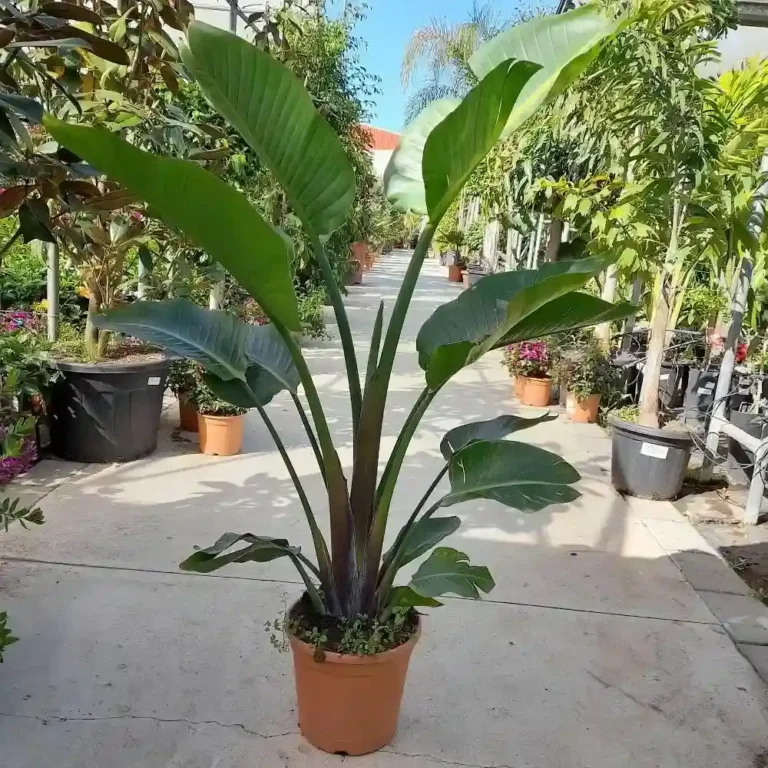
Rubber Plant Care Guide with Detail & Buying Tips
- Home
- Indoor Plants
- Rubber Plant
- Low-Maintenance Foliage Plant
Broadleaf Evergreen Tree
Care + Buying Guide
Rubber Plant Care
Rubber Plant (Ficus elastica) is a popular indoor tree valued for its large, glossy leaves and bold upright growth. It performs best in bright indirect light, although established green-leaved plants can adapt to somewhat lower light. Water thoroughly when the upper portion of the potting mix has dried slightly, then allow excess water to drain completely. Use a well-drained houseplant mix and avoid keeping the roots constantly wet, because overwatering can cause yellow leaves, leaf drop, and root rot. Rubber Plants prefer warm, stable indoor conditions, moderate humidity, and protection from cold drafts, sudden temperature changes, and harsh afternoon sun.
FAMOUS PLANT
🌿 Glossy Evergreen Foliage
☀️ Bright Indirect Light
🪴 Beginner Friendly
🌳 Upright Indoor Tree

Care Guide
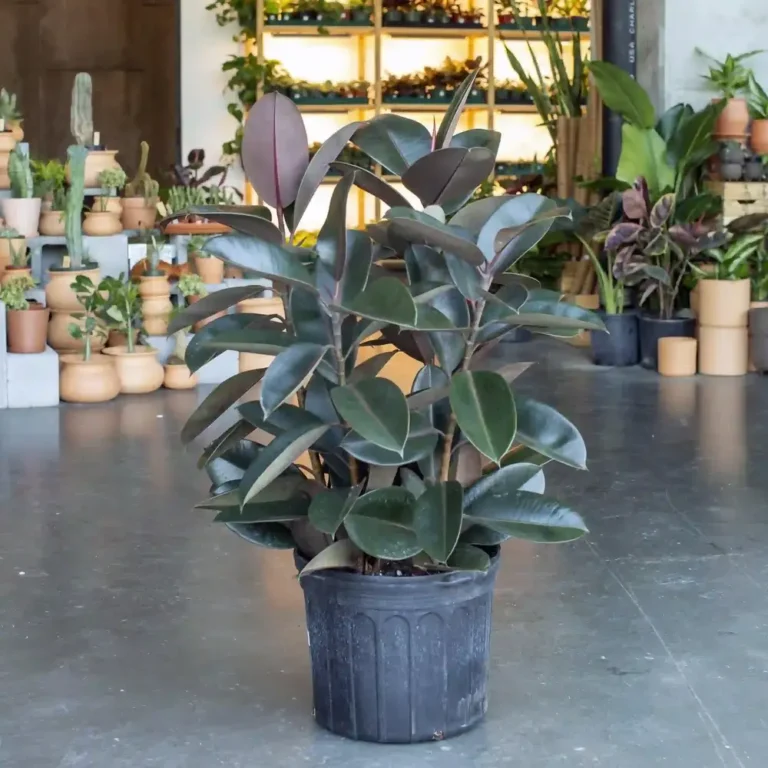
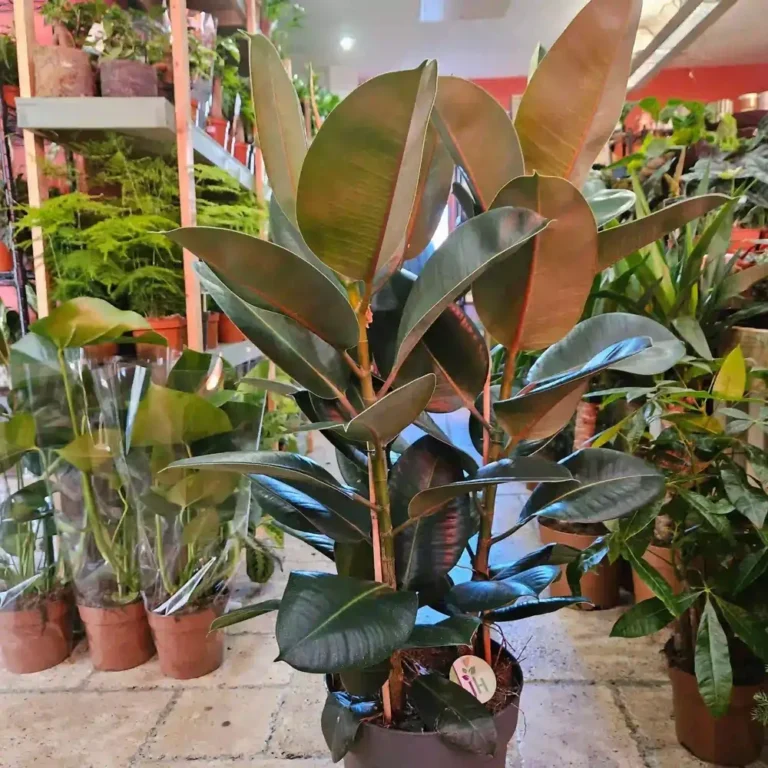
About Rubber Plant
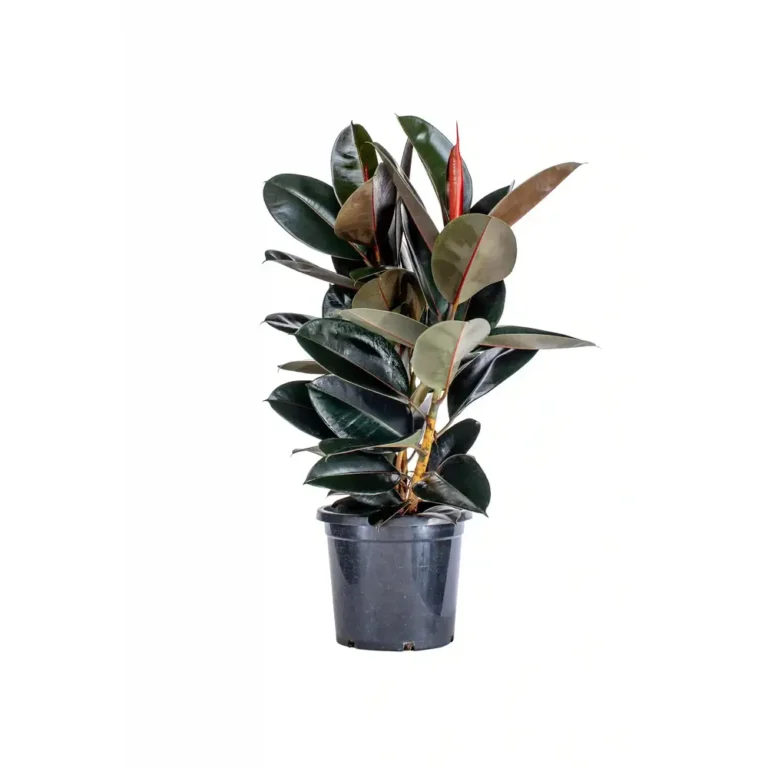
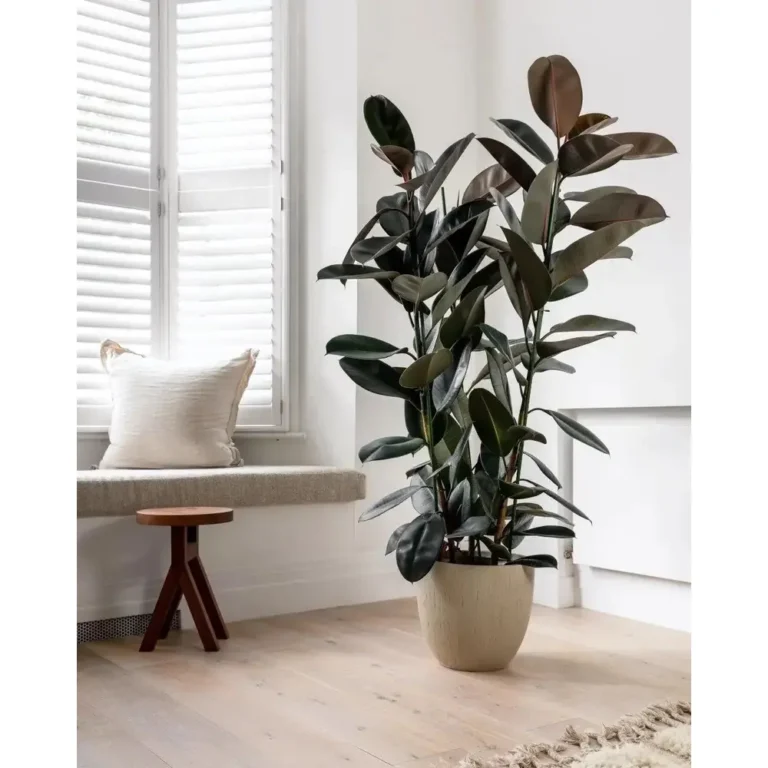
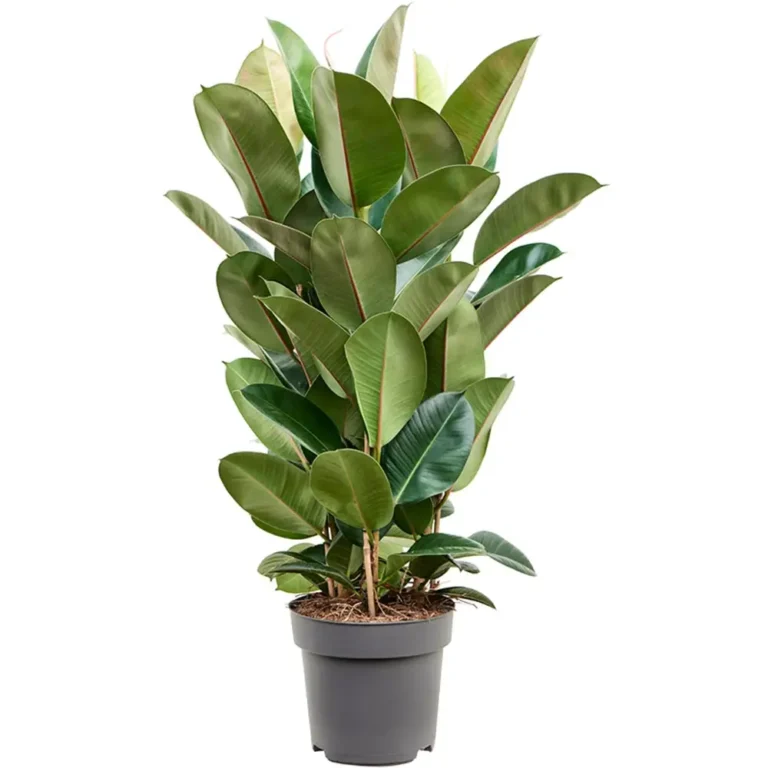
The Rubber Plant (Ficus elastica) is a broadleaf evergreen tree in the mulberry family, Moraceae. In its tropical native habitat it can become a very large tree, but indoors it is commonly maintained at about 2–10 feet tall through container culture, pruning, and available ceiling height. Its most recognizable feature is its large, thick, leathery foliage, which can be deep green, burgundy, or attractively variegated with cream, yellow, pink, or white depending on the cultivar.
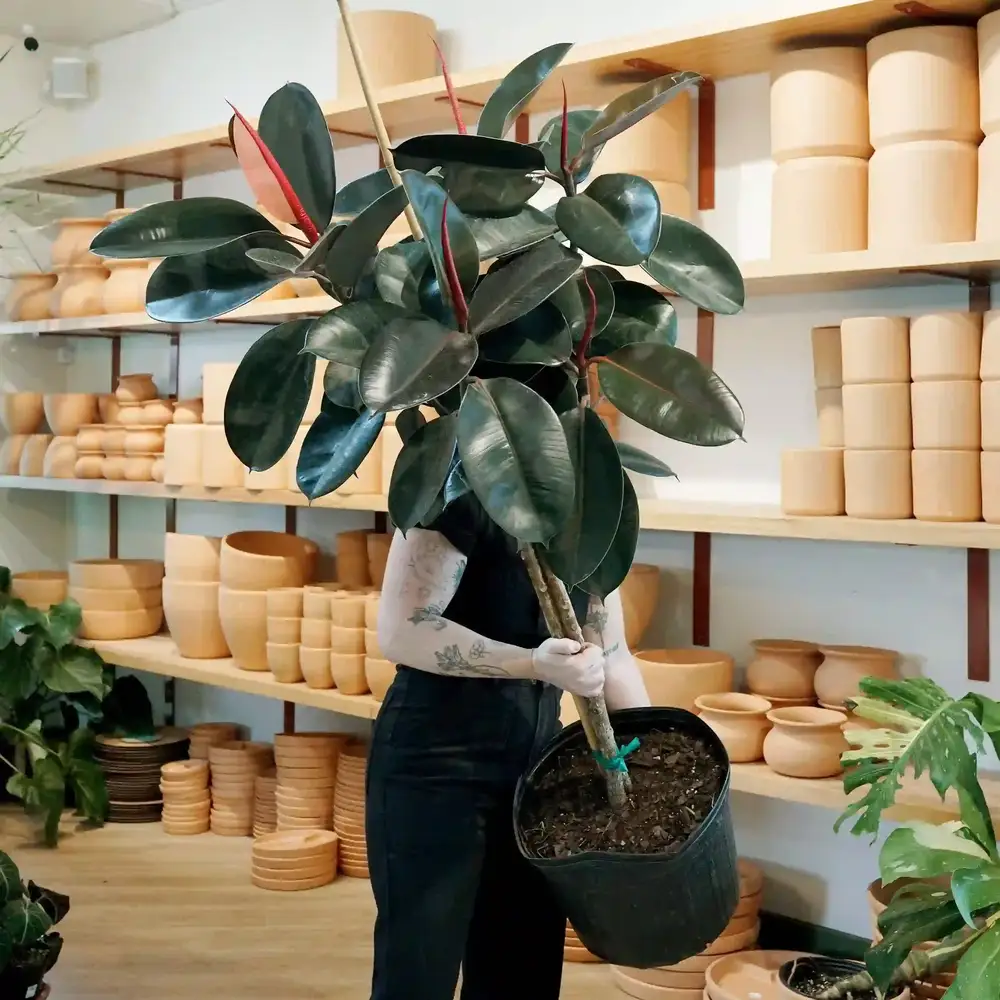
New leaves emerge tightly rolled and are often protected by a reddish or pink stipule before expanding into glossy mature foliage. Young plants tend to grow upright with relatively little branching, while pruning the main stem can encourage a fuller, bushier shape. Mature outdoor trees may develop spreading crowns and aerial roots, characteristics that are rarely expressed to the same degree in typical U.S. indoor conditions.
Rubber Plant is widely used as a statement houseplant for living rooms, offices, entryways, and other bright indoor spaces. Popular cultivars include ‘Robusta’, ‘Burgundy’, ‘Tineke’, ‘Ruby’, and ‘Tricolor’. Because the plant produces a sticky white latex sap when cut, pruning and handling should be done carefully, especially around children and pets.
Plant Information
Difficulty
Easy
Light
Bright Indirect Light
Water
Allow Top 1–2 in. to Dry
Humidity
Average to Moderate Household
Temperature
60–80°F; Protect Below 55°F
Growth Rate
Moderate to Fast
Pet Friendly
No
Indoor Height
2–10 ft Typical Indoors
Repotting
Every 1–2 Years or When Root-Bound
Native Range
Nepal to W. Yunnan & W. Malesia
History of Rubber Plant
The Rubber Plant has a documented botanical history dating to the early nineteenth century. The accepted name Ficus elastica Roxb. ex Hornem. was first published in 1819. It belongs to the genus Ficus, a large group in the Moraceae family that also includes many familiar fig species.
The species name elastica refers to the milky latex produced by the plant. Historically, this latex was collected and used as a source of rubber, which helped establish common names such as Rubber Plant, Rubber Tree, India Rubber, and Indian Rubber Fig. Today the species is grown far more widely as an ornamental foliage plant than as a commercial rubber source.
Botanical records place its native range from Nepal eastward to western Yunnan in China and south through parts of Southeast Asia and western Malesia, including areas such as Assam, Bangladesh, Myanmar, Thailand, Vietnam, Malaya, Java, and Sumatra. The plant has since been introduced to many warm regions around the world, including Florida and several tropical and subtropical islands and countries.
Its dramatic foliage and tolerance of indoor conditions helped Rubber Plant become a classic houseplant. Modern horticulture offers numerous cultivars ranging from deep burgundy forms to cream-and-pink variegated plants, allowing Ficus elastica to remain a popular choice for contemporary U.S. homes and interior landscapes.
Plant Specifications
Botanical Name
Ficus elastica Roxb. ex Hornem.
Family
Moraceae
Plant Type
Broadleaf Evergreen Tree
Growth Habit
Erect, Upright Tree
Indoor Height
2–10 ft Typical Indoors
Light Requirement
Bright Indirect Light / Partial Shade
Watering
Allow Mix to Dry Slightly Between Waterings
Humidity
Average to Moderate Household
Temperature
60–80°F; Protect Below 55°F
Soil
Well-Drained Houseplant Potting Mix
Support
Stake Tall Plants if Needed
Repotting
Late Winter or Spring When Root-Bound
Pet Safety
Not Pet-Safe; Irritating Latex Sap
Native Range
Nepal to W. Yunnan & W. Malesia
Rubber Plant Care Guide
Use these practical Rubber Plant care guidelines to maintain glossy foliage, balanced upright growth, healthy roots, and a strong indoor tree in U.S. home conditions.
Light & Placement
Rubber Plant grows best in bright indirect light. An east-facing window with gentle morning sun is a strong choice, while plants near south- or west-facing windows should be protected from intense afternoon rays.
Best placement: a bright room with stable light and enough space for vertical growth. Green cultivars tolerate somewhat lower light, but variegated forms generally need brighter conditions to maintain their color.
Watering & Drainage
Water thoroughly, then let the upper 1–2 inches of potting mix dry slightly before watering again. Empty any water that collects in a saucer or decorative cachepot.
Avoid a rigid weekly schedule. Rubber Plants use less water in fall and winter, and consistently wet soil can cause yellowing, leaf drop, and root rot.
Soil & Repotting
Use a well-drained, soil-based houseplant mix in a container with functional drainage holes. The mix should hold some moisture without staying saturated for long periods.
Repot when roots become crowded, preferably in late winter or early spring. Move up only one pot size at a time so excess unused soil does not remain wet around the roots.
Temperature & Humidity
Rubber Plant prefers warm, stable indoor temperatures. A useful U.S. indoor range is about 60–80°F, with roughly 75–80°F during the day and 60–65°F at night supporting good growth.
Protect the plant from temperatures below about 55°F, cold windows, HVAC drafts, and sudden temperature drops. Average household humidity is usually tolerated, although moderate humidity supports better foliage quality.
Fertilizer
Feed actively growing Rubber Plants during spring and summer with a balanced water-soluble houseplant fertilizer according to the product label. Plants in bright light generally use nutrients more actively than plants kept in dimmer rooms.
Reduce or stop fertilizing in fall and winter when growth slows. Avoid excessive feeding because fertilizer salts can accumulate in container soil and stress roots.
Pruning & Leaf Cleaning
Prune in spring if you want to control height or encourage branching and a bushier form. Tall, narrow plants can be supported with a stake when necessary.
Wear gloves when pruning because cut stems and leaves release sticky white latex sap. Wipe large leaves with a soft damp cloth to remove dust and keep the foliage attractive.
Common Rubber Plant Problems
Rubber Plant symptoms often relate to watering, drainage, light, temperature changes, or pests. Check the soil, roots, recent placement changes, and indoor environment before making major changes to the care routine.
Yellow Leaves & Leaf Drop
Yellow leaves or sudden leaf drop can result from overwatering, insufficient light, cold drafts, or abrupt environmental changes. Check soil moisture first and make sure the plant is not sitting in water or exposed to a cold HVAC vent.
Root Rot
Persistently wet soil and poor drainage can lead to root rot. Warning signs include yellowing, wilting despite wet soil, an unstable base, and dark or soft roots. Reduce watering and repot into fresh, well-drained mix if significant root damage is present.
Cold & Draft Stress
Rubber Plants dislike sudden temperature drops and cold drafts. Chilly windows, air-conditioning vents, or temperatures below about 55°F can trigger leaf loss and stalled growth. Move the plant to a warmer, more stable location.
Sun Scorch
Bleached, tan, or brown patches can develop when foliage is exposed to strong afternoon sun without acclimation, especially on variegated cultivars. Shift the plant to bright filtered light and introduce stronger sun gradually.
Mealybugs & Scale
Inspect stems, leaf joints, and the undersides of leaves for white cottony mealybugs or attached scale insects. Sticky residue may also appear. Isolate affected plants and treat the infestation before it spreads to nearby houseplants.
Spider Mites
Fine stippling, dull foliage, and delicate webbing can indicate spider mites, especially on stressed plants in warm, dry indoor air. Inspect both sides of the leaves and address infestations early.
How to Choose a Healthy Rubber Plant
Choose a healthy Rubber Plant with firm stems, glossy leaves, balanced growth, and a stable root ball. Avoid plants with widespread yellowing, heavy leaf drop, large black or mushy areas, or potting mix that smells sour and remains constantly saturated. Healthy Ficus elastica foliage should feel thick and leathery, with coloration that matches the cultivar rather than appearing washed out or damaged.
Inspect the stems, leaf joints, and undersides of leaves for mealybugs, scale insects, spider mites, webbing, sticky residue, or unusual spotting. Check the container for drainage holes and, when possible, inspect visible roots. A few circling roots are manageable, but severely compacted roots combined with stressed foliage can make establishment more difficult after purchase.
Confirm the cultivar before buying because Rubber Plant varieties can differ significantly in leaf color and mature appearance. ‘Robusta’ and ‘Burgundy’ are popular dark-leaved choices, while ‘Tineke’, ‘Ruby’, and ‘Tricolor’ offer cream, pink, red, or pale variegation and generally perform best with brighter light. For U.S. homes, also consider ceiling height, window exposure, winter drafts, HVAC vents, pet access, and the eventual size of this upright indoor tree.
Buying Checklist
Healthy Glossy Leaves
Choose thick, firm leaves with good color and no widespread yellowing, black patches, severe scorch, or excessive leaf drop.
Healthy Stems & Roots
Look for sturdy stems and a stable root ball. Avoid foul-smelling wet soil, black mushy roots, or soft tissue near the base.
Good Drainage
Choose a pot with working drainage holes and a well-drained mix that is not permanently saturated.
No Visible Pests
Inspect stems and both sides of the leaves for mealybugs, scale, spider mites, sticky residue, stippling, or webbing.
Correct Cultivar
Confirm the cultivar so the leaf color, variegation, mature size, and light requirements match your intended indoor location.
Frequently Asked Questions
Yes. Rubber Plant is generally beginner-friendly when it receives bright indirect light, good drainage, and consistent but not excessive watering. The main mistakes to avoid are overwatering, cold drafts, and repeated relocation.
Bright indirect light is ideal. An east-facing window is often excellent. Green cultivars can tolerate somewhat lower light, while variegated cultivars usually need brighter conditions to maintain strong coloration.
Do not water on a fixed schedule. Water thoroughly when the upper 1–2 inches of potting mix have dried slightly, then let excess water drain. Water less often during darker, cooler months.
No. Rubber Plant should be treated as not pet-safe. Its milky latex sap can irritate the skin and digestive system, so keep it away from cats, dogs, and children that may chew the foliage.
Indoor Rubber Plants are commonly maintained around 2–10 feet tall, depending on cultivar, light, pruning, container size, and ceiling height. Regular spring pruning can keep the plant shorter and encourage branching.
Rubber Plant can be propagated from stem or tip cuttings and by air layering. Use clean tools, handle the irritating latex sap carefully, and provide warm conditions while new roots develop.
Leaf drop can be triggered by overwatering, insufficient light, cold drafts, sudden temperature changes, or moving the plant to a very different environment. Check moisture and placement before making several care changes at once.
Related Plants
Explore Similar Indoor Plants
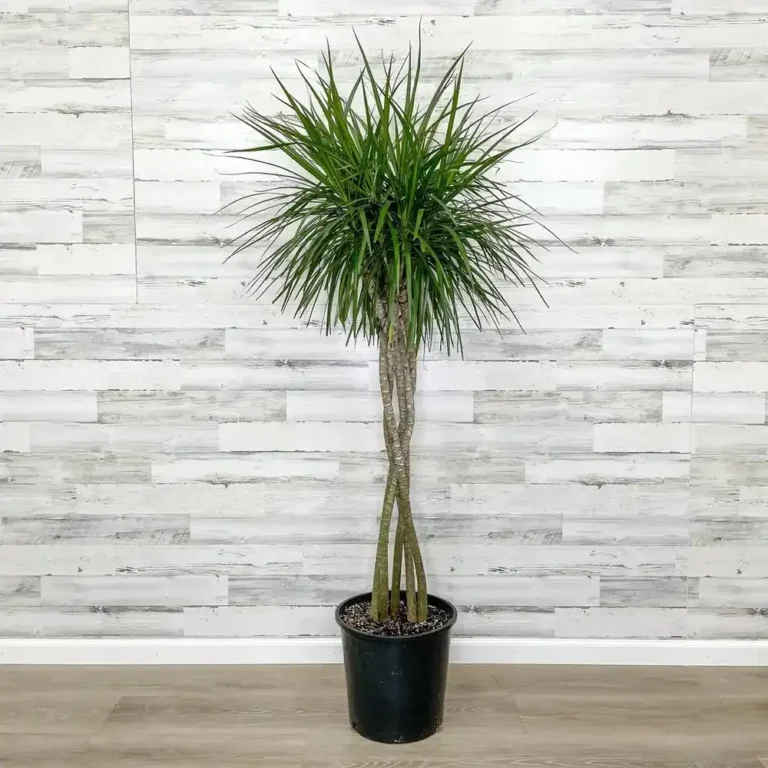
Dracaena
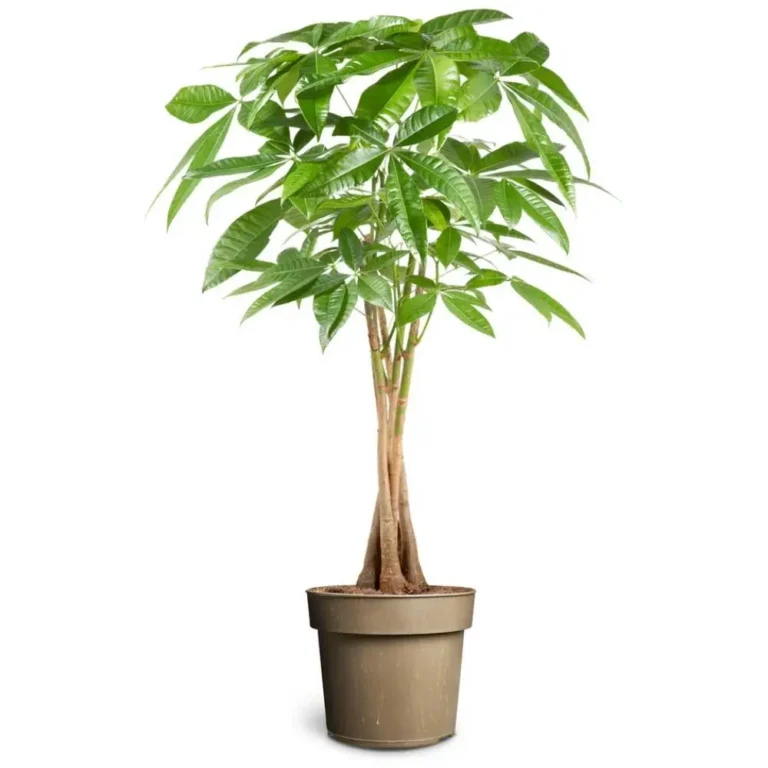
Pachira

Codiaeum