Bird of Paradise Care Indoor Growing & Blooming Guide
- Home
- Indoor Plants
- Bird of Paradise
- Architectural Flowering Houseplant
Evergreen Rhizomatous Perennial
Growing + Buying Guide
Bird of Paradise Care
Bird of Paradise care starts with strong light, careful watering, and enough room for its large leaves and spreading roots. This guide focuses on the classic orange bird of paradise, Strelitzia reginae. Place it in the brightest indoor location you can provide, water thoroughly during active growth, and let the upper layer of potting mix begin to dry before watering again. Use a fertile, well-drained mix and a sturdy container with drainage holes. In U.S. homes, protect the plant from cold HVAC drafts in winter and give it more light than most foliage houseplants. Mature plants can flower indoors, but low light, repeated disturbance, or an immature plant can delay blooms for years.
STATEMENT PLANT
🌿 Bold Tropical Foliage
☀️ Loves Very Bright Light
🌸 Can Bloom Indoors
🪴 Likes a Snug Pot

Care Guide
About Bird of Paradise
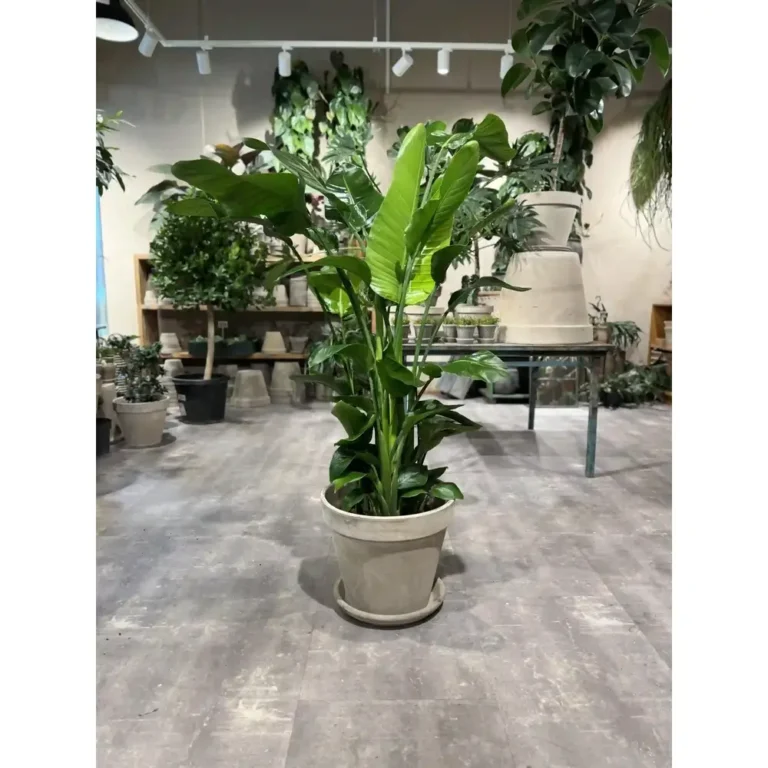
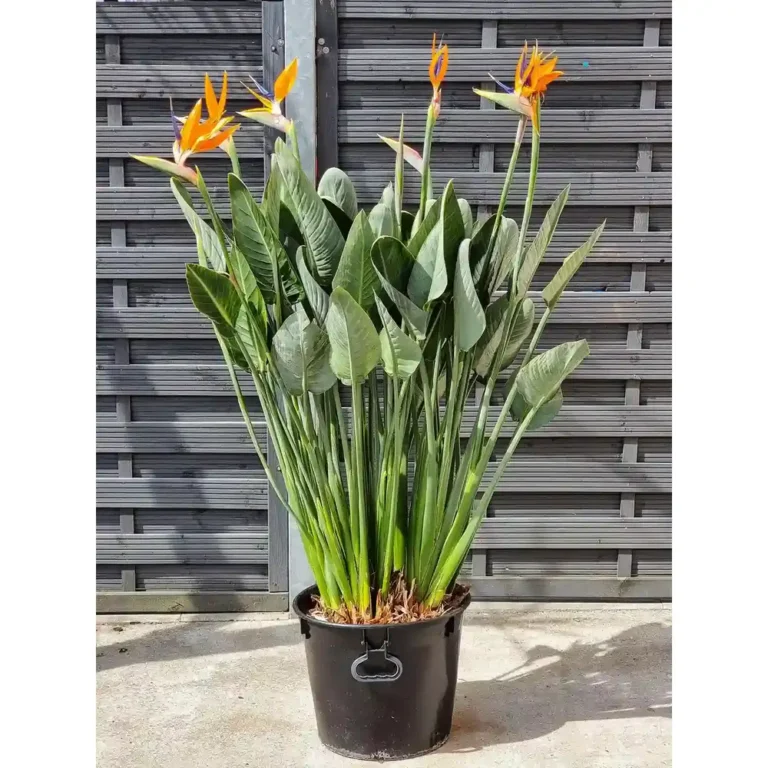
Bird of Paradise (Strelitzia reginae) is a clumping evergreen perennial from South Africa, where it grows from thick rhizomes and fleshy roots. Its stiff gray-green leaves rise from the base on long petioles and create the broad, tropical silhouette that makes the plant valuable even when it is not in bloom. Mature plants can produce the famous orange-and-blue inflorescences that resemble the head and crest of a bird.
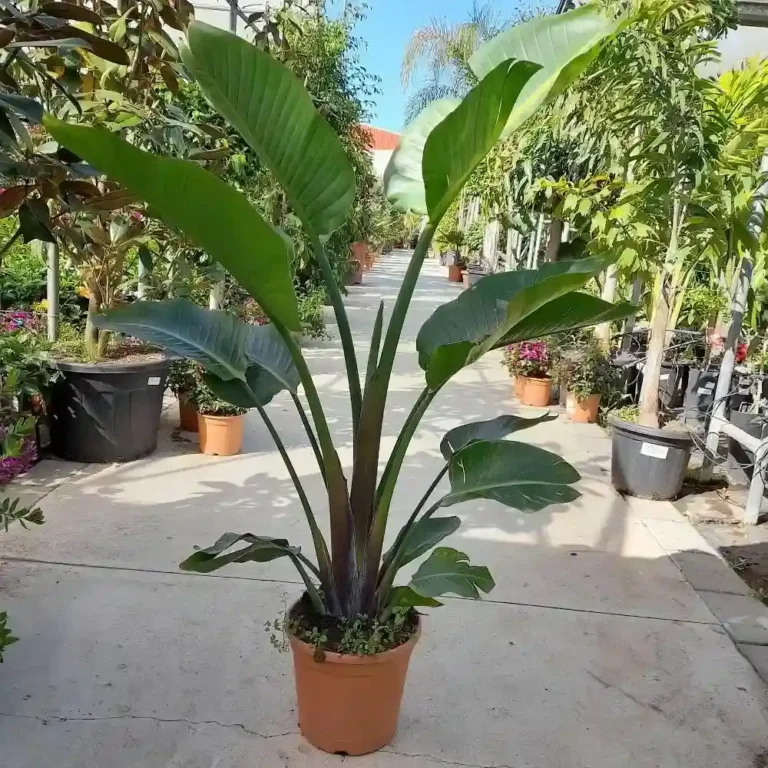
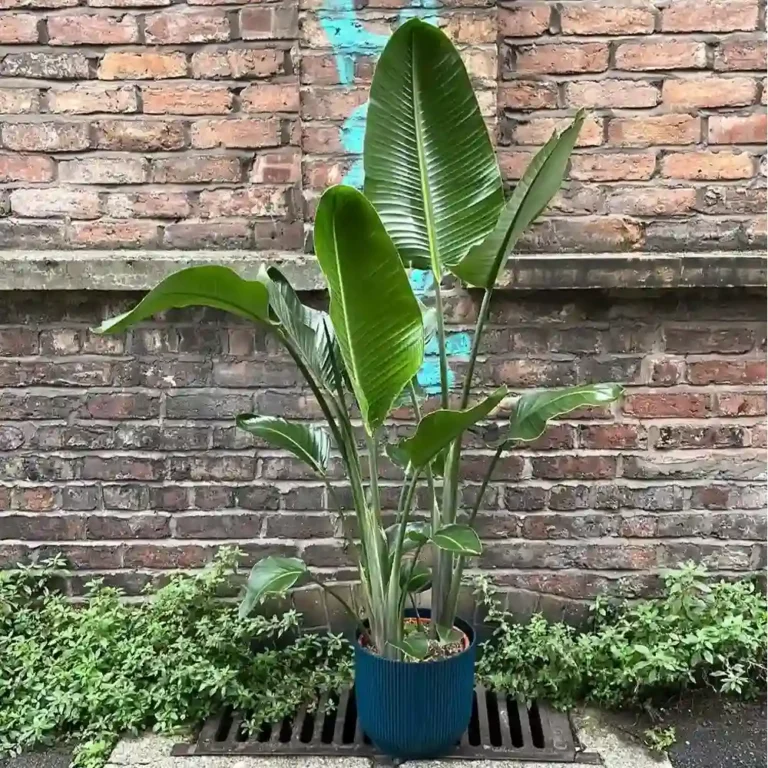
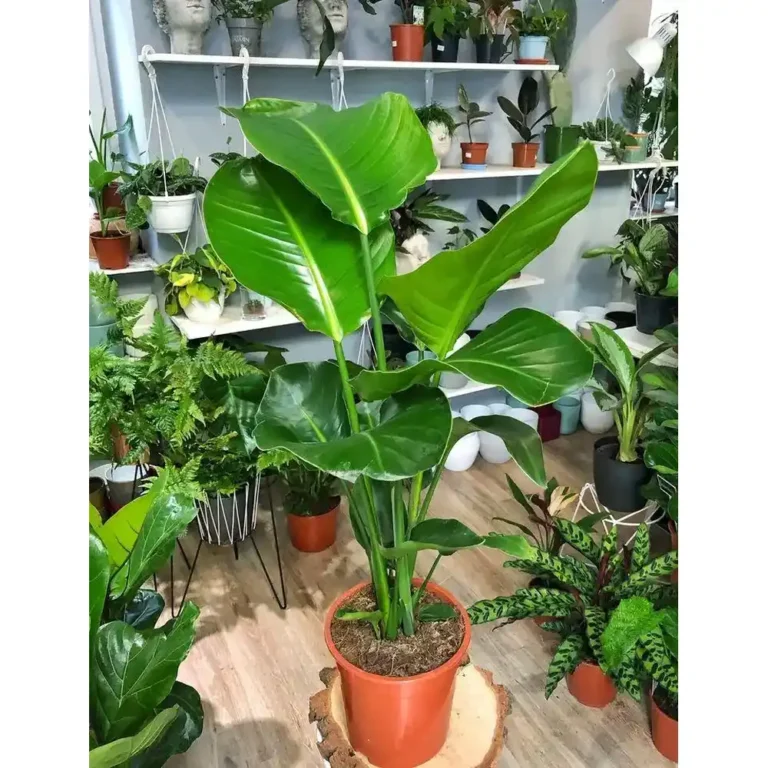
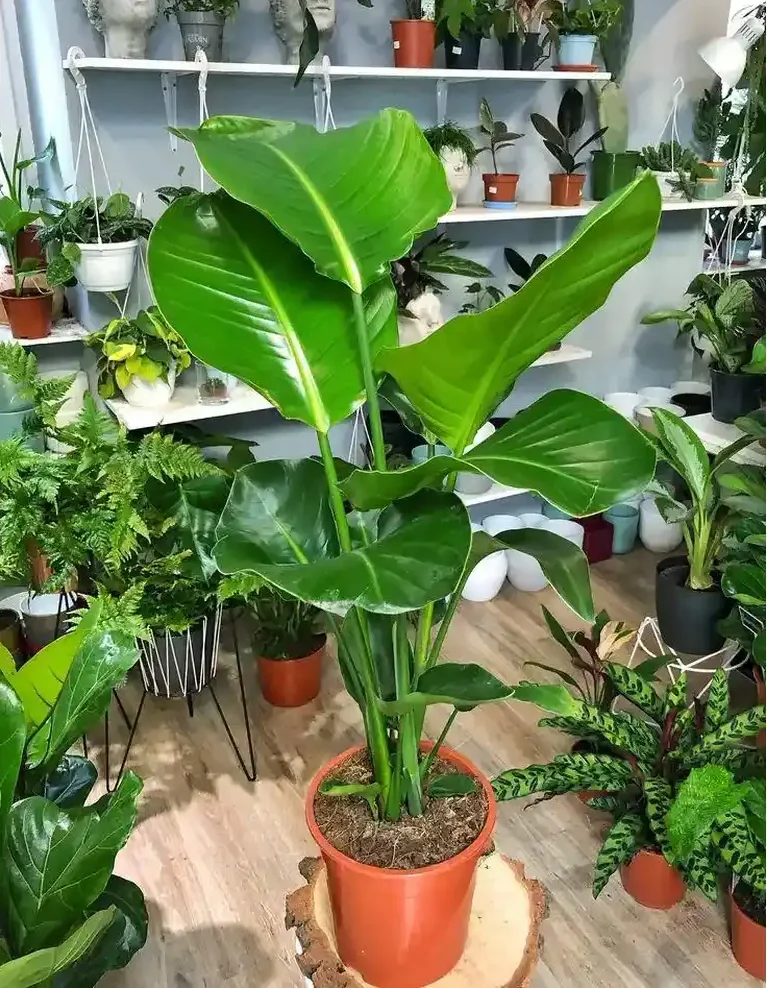
For indoor growers, the most important distinction is species identity. The classic orange bird of paradise is S. reginae, usually much more compact than the white or giant bird of paradise, S. nicolai, which can become a very large tree-like plant in warm climates. U.S. garden centers may sell both under the general “Bird of Paradise” name, so checking the botanical label before buying helps you predict mature size and flowering behavior.
Bird of Paradise is not a low-light plant. It performs best with abundant light, a well-drained but moisture-retentive root zone during active growth, and a seasonal rhythm that is slightly drier in winter. In warm parts of the United States it can also be grown outdoors as a landscape or patio specimen.
Plant Information
Difficulty
Moderate
Light
Very Bright Light to Sun
Water
Moist in Growth; Drier in Winter
Humidity
Average to Moderate
Temperature
55–80°F; Protect From Frost
Growth Rate
Slow to Moderate
Pet Friendly
No
Indoor Height
3–4 ft Typical for S. reginae
Repotting
Only When Clearly Root-Bound
Native Range
Cape Provinces to KwaZulu-Natal
History of Bird of Paradise
Bird of Paradise has been cultivated in Europe since the eighteenth century. Kew records that Strelitzia reginae was introduced into Britain in 1773 by plant collector Francis Masson. Sir Joseph Banks named the genus Strelitzia in honor of Queen Charlotte, wife of King George III and Duchess of Mecklenburg-Strelitz, and the species was formally published in 1788.
The extraordinary orange-and-blue flowers quickly made the plant a prized ornamental. Over time it became established in warm-climate horticulture around the world and is now especially familiar in Southern California and Florida. In the United States, the plant is used both as a landscape accent in frost-free regions and as a container or houseplant elsewhere.
Related species broadened the name “Bird of Paradise” in the nursery trade. White or giant bird of paradise, especially Strelitzia nicolai, became popular for its huge banana-like foliage and tall architectural form. That is why modern shoppers should verify the botanical label rather than assuming every Bird of Paradise will stay the same size or produce the same flower color.
Plant Specifications
Botanical Name
Strelitzia reginae Banks
Family
Strelitziaceae
Plant Type
Evergreen Rhizomatous Perennial
Growth Habit
Clumping, Upright
Indoor Height
About 3–4 ft for S. reginae
Light Requirement
Very Bright Light; Some Direct Sun
Watering
Regular in Growth; Reduce in Winter
Humidity
Average to Moderate Household
Temperature
55–80°F; Bring In Before Frost
Soil
Fertile, Loamy, Well-Drained Mix
USDA Hardiness
Zones 10a–12b Outdoors
Repotting
Spring, Only When Necessary
Pet Safety
Toxic if Ingested
Native Range
South Africa: Cape to KwaZulu-Natal
Indoor Bird of Paradise Growing Guide
Use these practical steps for healthy foliage, steady growth, and the best chance of flowering indoors. Bird of Paradise responds especially strongly to light, seasonal watering, and stable root conditions.
Bright Windows & Sun Exposure
Give Bird of Paradise more light than most common foliage houseplants. A bright south-, west-, or unobstructed east-facing window is often the best indoor position in U.S. homes. Mature S. reginae can take substantial direct sun once acclimated.
Blooming tip: insufficient light is one of the most common reasons a mature Bird of Paradise does not flower. If you move the plant outdoors for summer, increase sun exposure gradually to prevent leaf scorch.
Seasonal Watering Rhythm
During spring and summer, water thoroughly enough to moisten the full root ball, then allow the upper layer of mix to begin drying before the next watering. Never leave the pot standing in drained water.
Growth slows in winter, especially in cooler or dimmer homes, so let the mix dry more between waterings. Yellowing combined with persistently wet soil can signal that the root zone is staying too wet.
Potting Mix, Roots & Repotting
Use a fertile, well-drained potting mix in a heavy container with drainage holes. Bird of Paradise develops a substantial root system, so the pot should be stable enough to support tall foliage.
Do not repot simply because roots are visible. Established plants often flower better when somewhat pot-bound. Repot in spring when roots have clearly outgrown or damaged the container, moving up only one practical pot size.
Winter Care & Summer Outdoors
Indoors, protect the plant from cold glass, exterior-door drafts, and direct blasts from heating or air-conditioning vents. Night temperatures around 55–65°F are acceptable for S. reginae, while warmer conditions support active growth.
In much of the United States, Bird of Paradise can spend summer outdoors once temperatures are reliably warm. Acclimate it gradually to stronger sunlight and bring it back inside before frost.
Feeding for Strong Growth & Flowers
Bird of Paradise is a relatively heavy feeder during active growth. Feed according to a balanced houseplant fertilizer label through spring and summer, when light and warmth support new leaves. Reduce feeding when winter growth slows.
Fertilizer cannot compensate for low light. For a mature plant that refuses to bloom, first evaluate light levels, plant age, and whether frequent repotting has kept the root system too loose.
Leaf Cleaning, Pruning & Division
Wipe the broad leaves with a soft damp cloth so dust does not accumulate. Remove completely dead leaves and spent flower stalks with clean tools near their base. Avoid glossy leaf-shine products on the naturally matte foliage.
Large established clumps can be propagated by division. Divide only when needed, because root disturbance can delay flowering while the plant re-establishes.
Bird of Paradise Leaf & Growth Problems
Leaf symptoms often reflect more than one factor. Before changing the routine, check light, pot drainage, soil moisture, room temperature, pests, and whether the plant was recently moved or repotted.
Brown Leaf Edges
Brown edges can develop when the root ball becomes too dry, indoor air is very dry, salts accumulate in the potting mix, or the roots are stressed. Review watering consistency and drainage before simply adding more water.
Leaves Curling or Drooping
Leaves may curl or droop after the mix becomes too dry, after a sharp temperature change, or when roots are struggling in waterlogged soil. Check moisture several inches into the pot and look for cold-draft exposure before adjusting care.
Yellow Leaves & Root Rot
Occasional older yellow leaves are normal, but widespread yellowing with soggy soil or soft roots can indicate overwatering and poor drainage. Allow more drying time and inspect the root system if decline continues.
Split or Torn Leaves
Bird of Paradise leaves can split along their veins, especially after wind exposure, handling, or rubbing against walls and furniture. On large white bird of paradise plants this tearing is especially common. Cosmetic splits do not automatically mean the plant is diseased.
Bird of Paradise Not Flowering
Young plants may take years to mature, and indoor plants often fail to bloom when light is insufficient. Repeated repotting can also delay flowering because established plants often bloom more freely when their roots are somewhat snug.
Scale, Mealybugs & Spider Mites
Inspect leaf undersides, petioles, and crowded growth for scale, white cottony mealybugs, or fine spider-mite stippling and webbing. Isolate an infested plant and treat promptly using a method labeled for indoor ornamentals.
How to Choose the Right Bird of Paradise
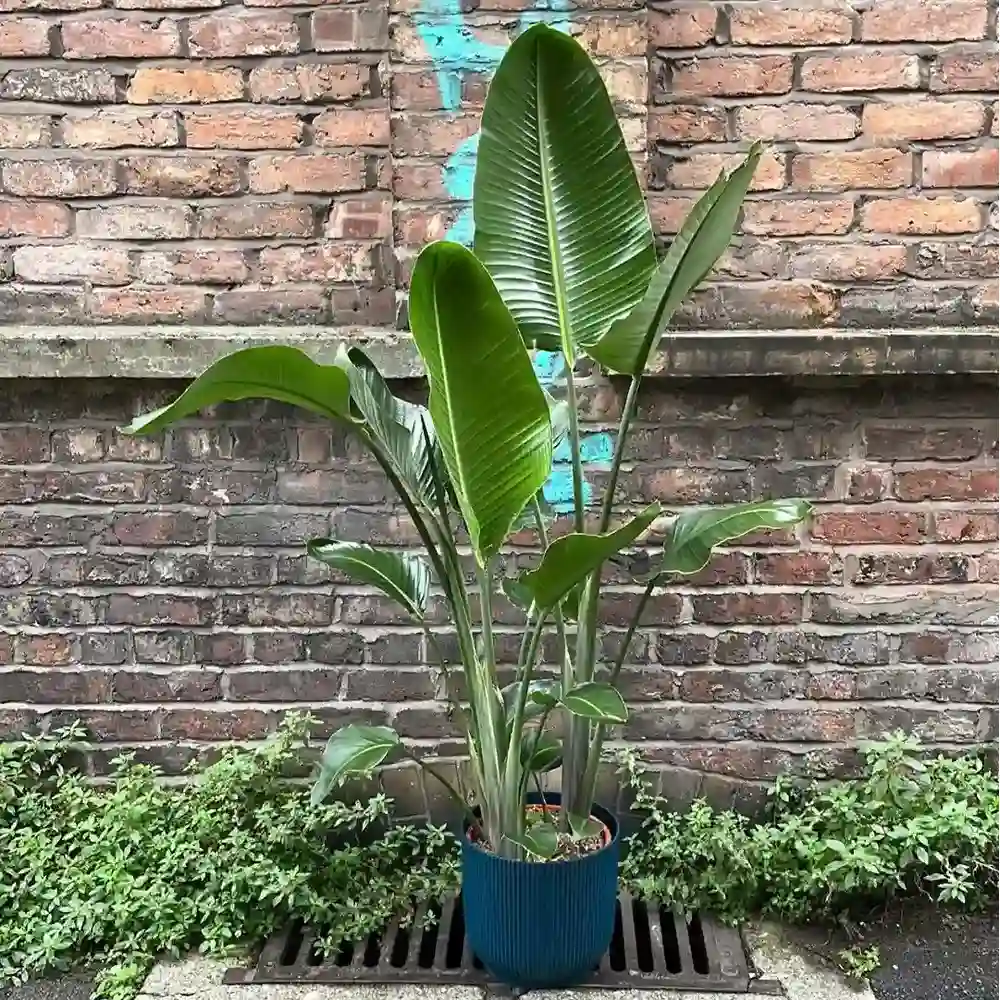
Start by reading the botanical label. If you want the classic orange-and-blue flowering plant, look for Strelitzia reginae. If the label says Strelitzia nicolai, you are buying white or giant bird of paradise, a much larger species that can eventually outgrow many rooms. This species check is one of the most useful Bird of Paradise buying tips because the two plants are often sold under the same common name.
Choose a plant with firm upright petioles, healthy new growth, and leaves that are mostly green and structurally sound. A few older cosmetic tears are not necessarily a problem, but avoid plants with widespread yellowing, black or mushy tissue, strong pest infestations, or potting mix that is waterlogged and sour-smelling. Check the leaf undersides and bases for scale, mealybugs, and spider mites.
Also match the plant to your home before purchase. Bird of Paradise indoor care is easiest in a room with very strong natural light, enough floor space for broad leaves, and clearance from heating and air-conditioning vents. For S. reginae, a sturdy container and a bright window can support a manageable specimen. For S. nicolai, plan for a far taller plant and much larger leaves over time.
Buying Checklist
Check the Species Label
Choose S. reginae for the classic orange bird of paradise; S. nicolai is the much larger white or giant form.
Look for Active New Growth
A healthy central spear or recently opened leaf is a useful sign that the crown and roots are actively growing.
Inspect Leaf Bases & Undersides
Check carefully for scale, mealybugs, spider mites, sticky residue, or heavy stippling before bringing the plant home.
Check the Root Zone
Avoid foul-smelling, permanently saturated mix or a container with severe rot. A snug root system is acceptable if the plant is otherwise healthy.
Match It to Your Light & Space
Buy only if you can provide very bright light and enough clearance for wide leaves. Giant white bird of paradise needs considerably more vertical space.
Frequently Asked Questions
Give it the brightest indoor position available. Strelitzia reginae can take substantial direct sun once acclimated, and weak light is a common reason mature plants fail to flower.
Water based on the potting mix rather than a fixed calendar. Keep the plant more evenly moist during active spring and summer growth, but allow more drying between waterings in winter and never leave the roots waterlogged.
The plant may still be immature, the light may be too weak, or frequent repotting may be delaying bloom. Seed-grown plants can take years to flower, and established plants often bloom better when somewhat pot-bound.
Splitting can be mechanical rather than a disease symptom. Large leaves may tear along their veins from wind, handling, or rubbing. This is especially common on the giant white bird of paradise, S. nicolai.
Yes, in most U.S. climates it can spend warm months outdoors. Wait for reliably warm weather, acclimate it gradually to stronger sunlight, and bring it back indoors before frost or damaging cold.
Yes. ASPCA lists Strelitzia reginae as toxic to cats and dogs, with gastrointestinal irritation and signs such as mild nausea, vomiting, or drowsiness, especially from fruit and seeds. Keep it away from pets that chew plants.
The classic orange bird of paradise is Strelitzia reginae, usually a compact clumping perennial around 3–4 feet tall in suitable conditions. White or giant bird of paradise is commonly Strelitzia nicolai, a much larger species that can become tree-like in warm climates.
Related Plants
Explore More Tropical Indoor Plants
Alocasia

Codiaeum
Anthurium