Alocasia Care: Indoor Growth, Dormancy & Leaf Problems
- Tropical Foliage Houseplant
Tuberous Tropical Perennial
Care + Buying Guide
Alocasia Care
Alocasia Care is easiest when you focus on steady warmth, bright filtered light, consistent moisture, and excellent drainage rather than a rigid watering calendar. Most indoor Alocasias grow best in a bright room out of harsh midday sun, with the potting mix kept lightly moist but never waterlogged. Warm temperatures and moderate to high humidity help maintain large leaves, while cold drafts, dry HVAC air, and soggy soil can quickly cause stress. Growth often slows in winter, and some species may partially rest or lose leaves, so watering and feeding should be reduced when active growth pauses.
TROPICAL FOLIAGE
🌿 Dramatic Arrow-Shaped Leaves
☀️ Bright Filtered Light
🪴 Corm-Forming Perennial
💧 Moist, Never Soggy Soil

Care Guide
About Alocasia Care
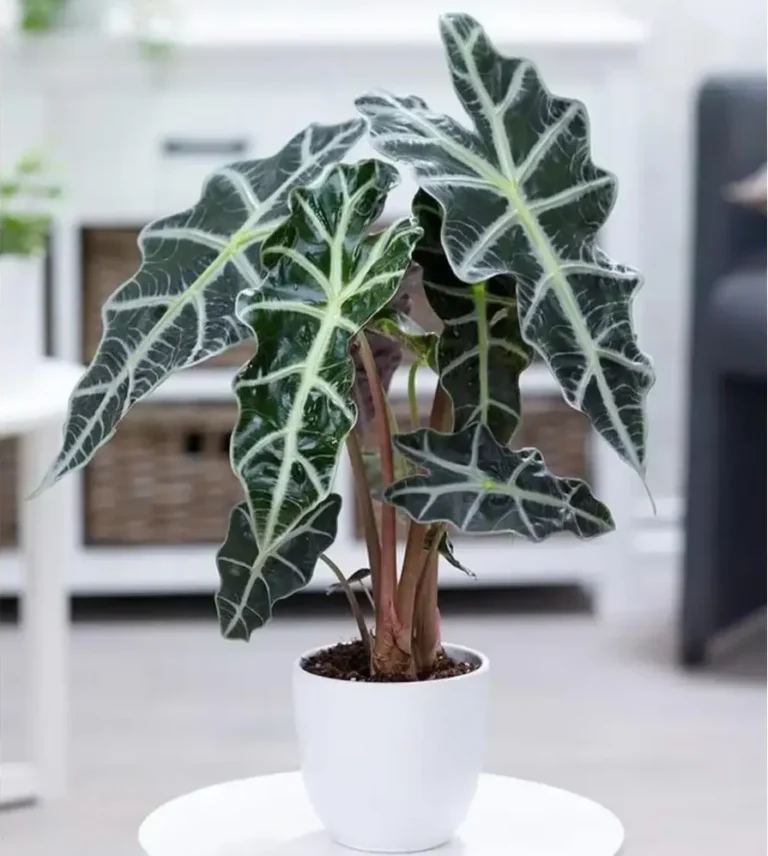
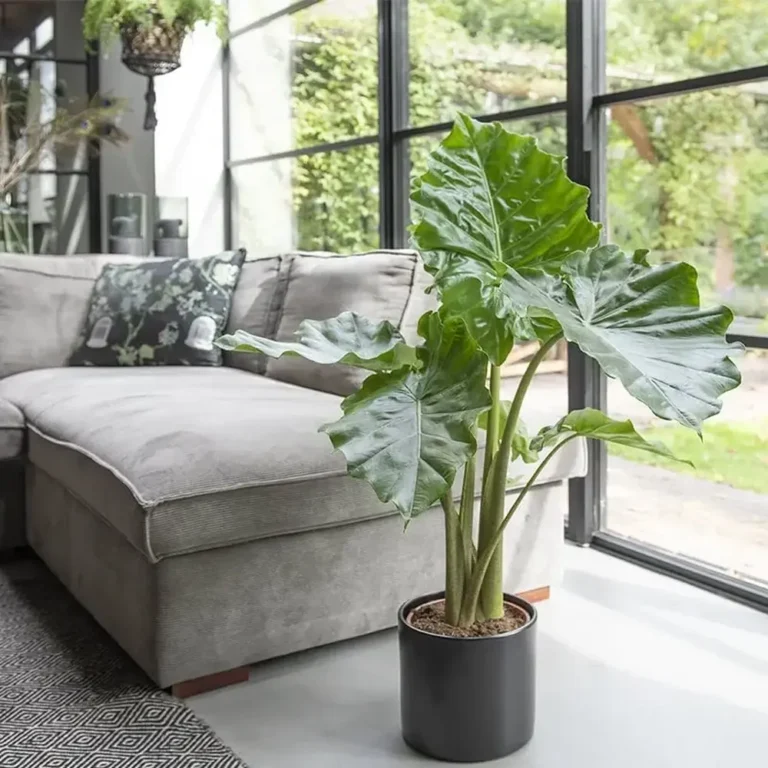
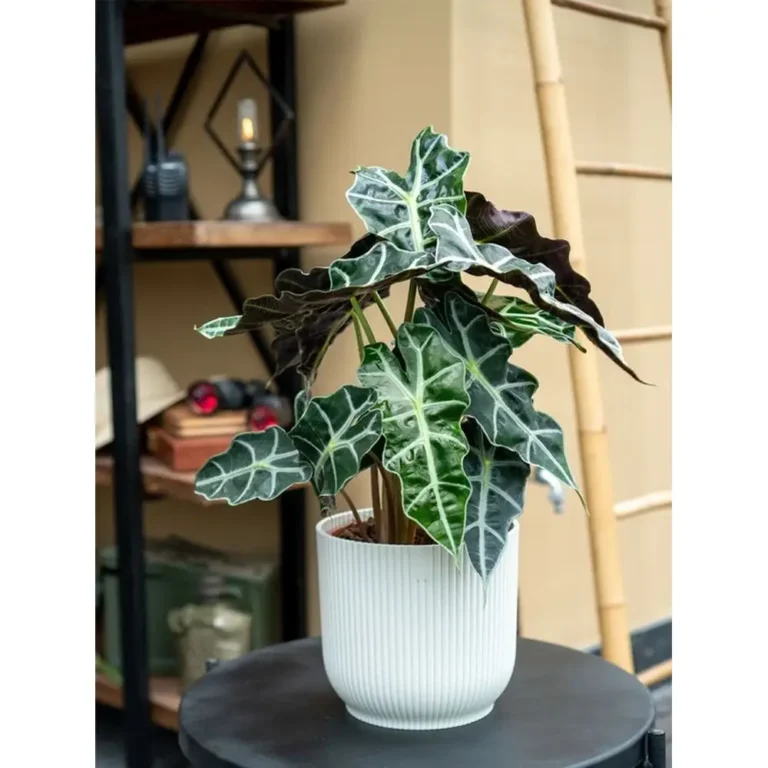
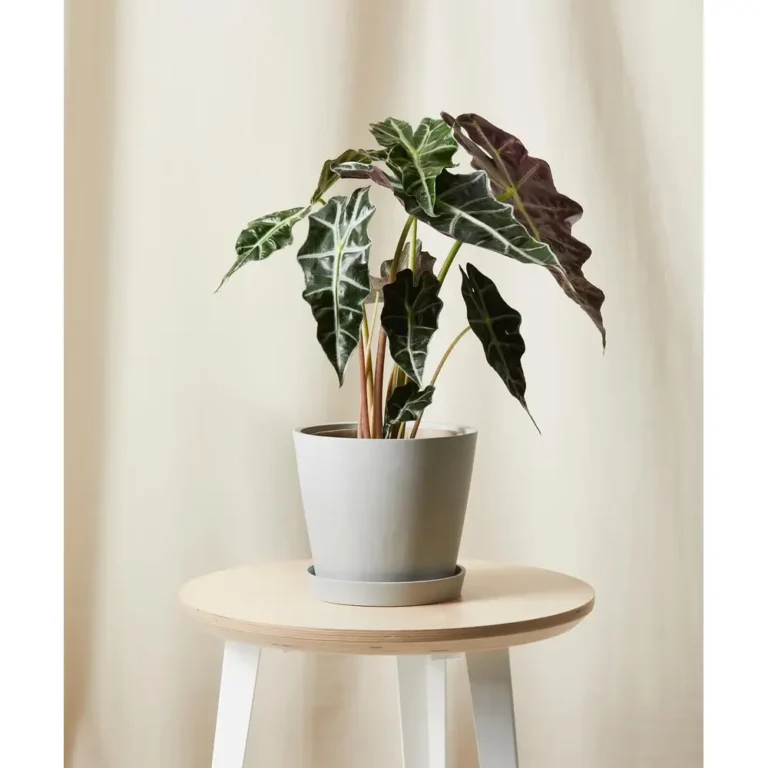
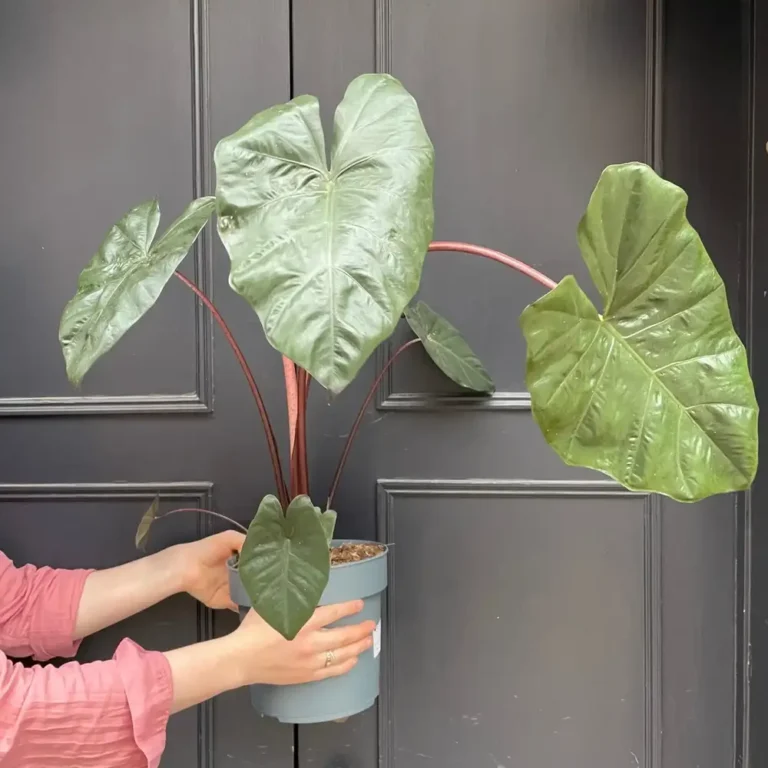
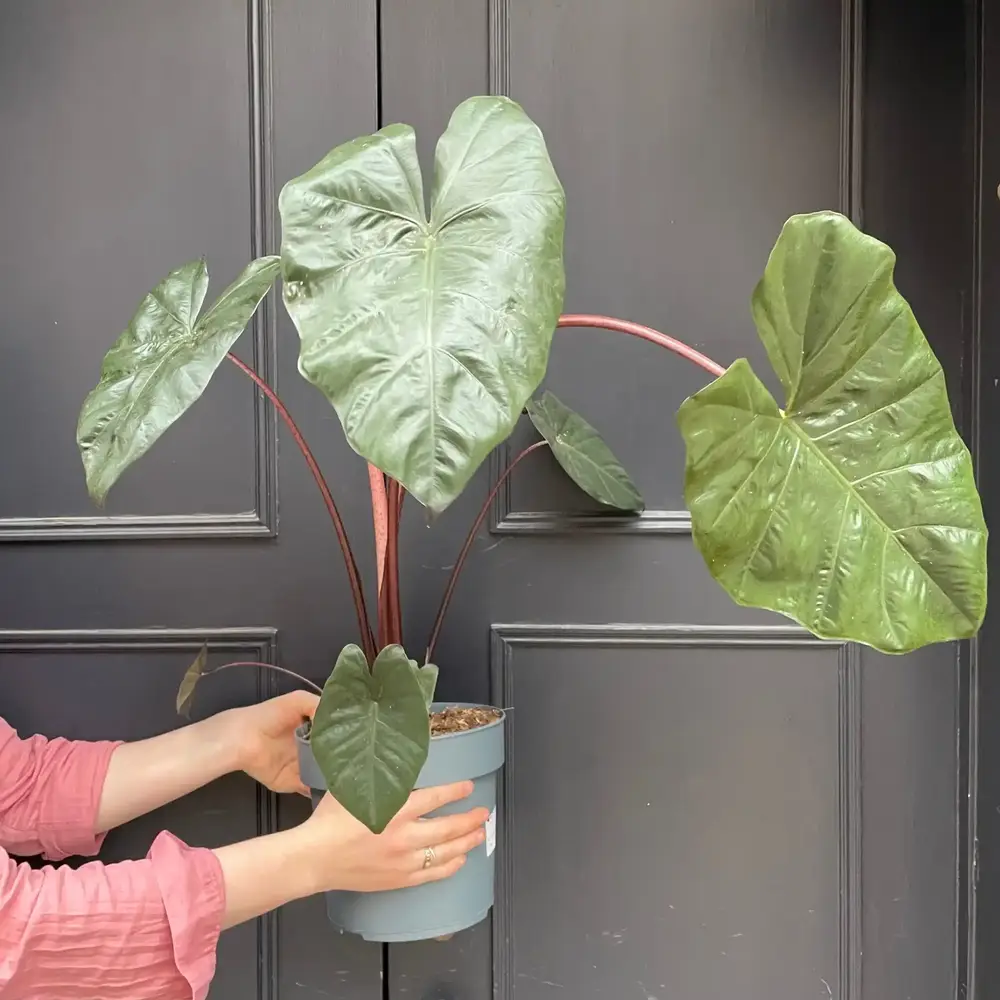
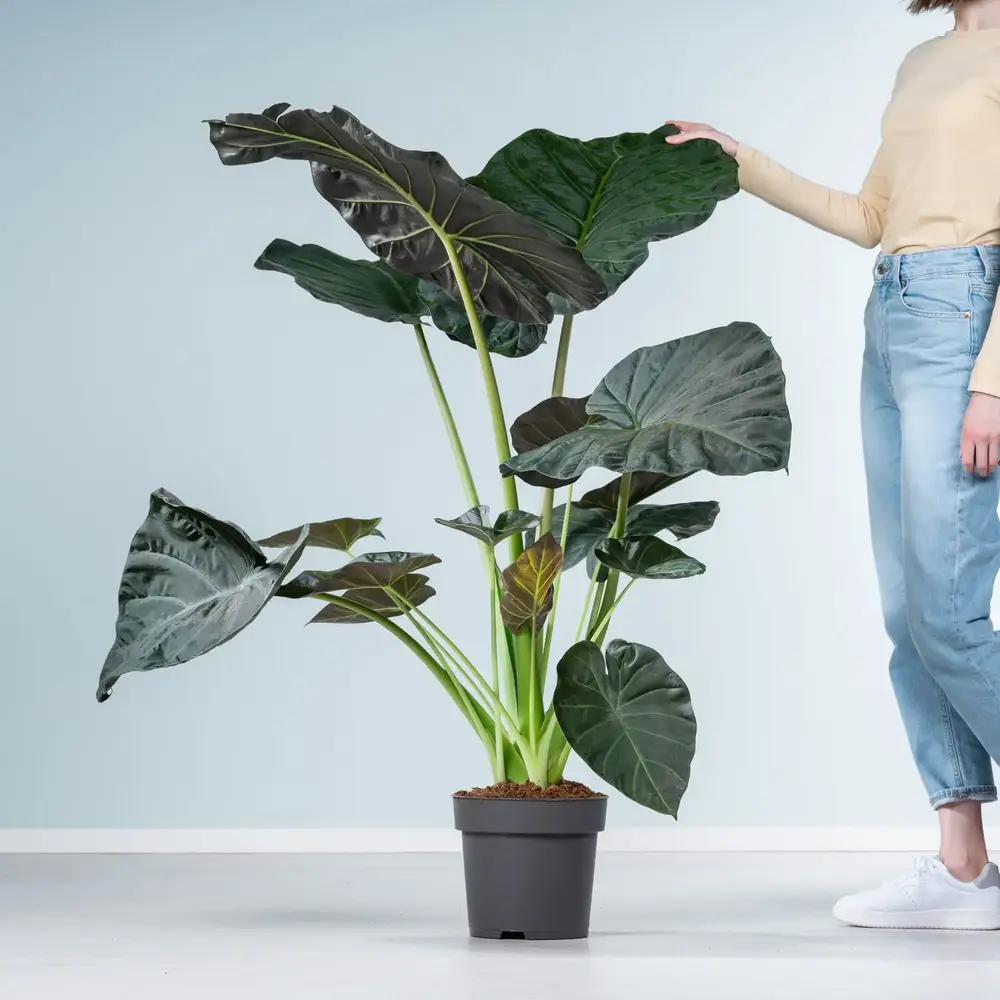
Alocasia is a genus of tropical and subtropical plants in the arum family, Araceae, valued for bold leaves that may be arrow-shaped, shield-shaped, glossy, velvety, metallic, or strongly veined. The genus contains more than 90 accepted species and is native from tropical and subtropical Asia to eastern Australia. Houseplant selections range from compact forms such as Black Velvet and Dragon Scale to much larger floor plants and outdoor landscape types.
Most Alocasias are tuberous or corm-forming herbaceous perennials with upright petioles that rise from a compact underground or short-stemmed base. They are adapted to warm, humid habitats with reliable moisture but still need air around the roots. Indoors, the best results usually come from bright indirect light, an airy but moisture-retentive mix, careful watering, and protection from cold drafts.
The common name elephant ear is not exclusive to Alocasia; it is also used for plants such as Colocasia and Xanthosoma. For accurate care and mature-size expectations, use the botanical or cultivar name on the plant label whenever possible. All Alocasia species should also be kept away from pets and small children because their tissues contain irritating insoluble calcium oxalate crystals.
Plant Information
Difficulty
Intermediate
Light
Bright Indirect / Filtered
Water
Evenly Moist, Not Soggy
Humidity
Moderate to High
Temperature
68-77°F Ideal; Avoid <60°F
Growth Rate
Moderate to Fast in Warmth
Pet Friendly
No - Toxic if Chewed
Indoor Height
1-6+ ft, Cultivar Dependent
Repotting
When Root-Bound or Crowded
Native Range
Tropical Asia to E. Australia
History of Alocasia
The accepted genus name Alocasia (Schott) G.Don dates to 1839 and belongs to the family Araceae. Modern botanical references recognize the genus across tropical and subtropical Asia through eastern Australia, where different species occupy warm, humid forest habitats and other moisture-rich tropical settings.
Alocasias became important ornamental foliage plants because of their unusually large leaves, strong venation, sculptural petioles, and dramatic upright form. Horticultural selection and hybridization later expanded the range available to indoor growers, including plants sold under names such as Polly, Frydek, Black Velvet, Dragon Scale, Silver Dragon, and Zebrina. These names do not all represent the same species, so their mature size and exact care tolerance can differ.
In the United States, Alocasia is most commonly grown as a houseplant or warm-season patio plant. In frost-free climates, some types can remain outdoors year-round, while gardeners in colder regions typically bring containers indoors before fall temperatures drop. This seasonal use is one reason winter slowdown, leaf loss, and dormancy are common topics in modern Alocasia care.
Plant Specifications
Botanical Name
Alocasia spp.
Family
Araceae
Plant Type
Tuberous Herbaceous Perennial
Growth Habit
Erect, Clumping
Indoor Height
1-6+ ft; Species/Cultivar Dependent
Light Requirement
Bright Indirect / Dappled Light
Watering
Evenly Moist; Drain Freely
Humidity
Moderate to High
Temperature
68-77°F Ideal; Protect Below 60°F
Soil
Rich, Airy, Moist but Well-Drained
USDA Hardiness
Typically USDA Zones 10-12; Varies
Repotting
As Needed When Crowded
Pet Safety
Toxic - Insoluble Calcium Oxalates
Native Range
Tropical & Subtropical Asia to E. Australia
How to Grow Alocasia Indoors
Healthy Alocasia growth depends on balancing moisture with oxygen around the roots. Use the plant’s leaf posture, soil moisture, season, and temperature together instead of relying on one fixed schedule.
Bright Light Without Scorch
Give Alocasia bright indirect or filtered light. A position near an east-facing window or a few feet back from a brighter south- or west-facing window often works well in U.S. homes.
Strong direct sun can scorch shade-grown leaves. Acclimate plants gradually if you move them outdoors or into brighter seasonal light.
Water Without Root Rot
Keep the root zone evenly moist during active growth, but never leave the pot standing in water. Check the upper layer of mix and water thoroughly when it begins to dry rather than following a calendar.
Reduce watering when growth slows in winter. Persistent sogginess can lead to yellow leaves, root rot, crown rot, and bacterial problems.
Airy Soil & Repotting
Use a fertile, moisture-retentive mix that still drains quickly. A chunky indoor blend with quality potting mix plus bark and perlite or pumice can improve air space around the roots.
Repot when the plant becomes crowded, roots fill the container, or drainage has deteriorated. Choose a pot with working drainage holes and only a modest increase in size.
Warmth, Humidity & HVAC
Alocasias prefer warm conditions. Around 68-77°F is a useful target, and many popular indoor types should be protected from temperatures below about 60°F.
Keep plants away from cold windows, air-conditioning blasts, and heating vents. Moderate to high humidity helps reduce crispy edges and stress, especially during dry U.S. winters.
Feed During Active Growth
Feed during active spring and summer growth with a balanced houseplant fertilizer at the label rate or a diluted strength appropriate for indoor plants. Do not push fertilizer on a cold, dormant, or recently stressed plant.
Excess fertilizer can contribute to leaf-edge burn and salt buildup, so occasional deep watering and good drainage are important.
Dormancy, Pruning & Propagation
Some Alocasias slow sharply or lose leaves as days shorten and temperatures fall. If the corm remains firm and healthy, reduce watering and wait for new growth rather than discarding the plant.
Remove fully yellow or damaged leaves with clean tools. Propagation is commonly done by separating offsets or corms during repotting; keep newly divided plants warm and only lightly moist while roots establish.
Alocasia Care ,Leaf & Root Problems
Drooping or damaged leaves are symptoms, not diagnoses. Before changing care, check soil moisture, root condition, light, temperature, humidity, pests, and whether the plant is entering a seasonal rest period.
Drooping Leaves
Drooping can come from dry soil, saturated roots, transplant shock, cold exposure, or a rapid humidity change. Feel the potting mix and inspect the crown before assuming the plant simply needs more water.
Yellow Leaves
One older leaf may yellow naturally, but widespread yellowing can signal overwatering, poor drainage, damaged roots, inadequate light, or cold stress. Check whether the mix is staying wet for too long.
Crispy Brown Edges
Brown margins commonly appear when indoor air is very dry, watering is inconsistent, roots are stressed, or fertilizer salts accumulate. Move the plant away from HVAC vents and review both moisture and drainage.
Spider Mites
Fine stippling, dull foliage, and delicate webbing are classic warning signs. Inspect leaf undersides regularly, isolate affected plants, and begin treatment early because mites multiply quickly in warm, dry rooms.
Root or Crown Rot
Soft tissue, a foul-smelling root zone, collapsing petioles, or constantly wet soil can indicate rot. Remove damaged material, correct drainage, and repot into fresh airy mix when needed.
Winter Leaf Loss
Cool temperatures and shorter days can trigger a pronounced slowdown or dormancy in some Alocasias. Keep the corm warm, reduce watering, stop heavy feeding, and wait for active growth to resume before increasing moisture again.
How to Choose a Healthy Alocasia
Start by checking the exact species or cultivar name. “Elephant ear” is a broad common name, and even within Alocasia there is a major difference between compact jewel types and large floor plants. Popular indoor choices include Polly or Amazonica-type hybrids, Frydek, Black Velvet, Dragon Scale, Silver Dragon, and Zebrina. Choose a form whose mature size and humidity needs fit the room where you plan to grow it.
Inspect both sides of the leaves for spider-mite stippling, webbing, mealybugs, aphids, or sticky residue. Petioles should feel firm, the crown should not be soft, and the potting mix should smell fresh rather than sour or rotten. Avoid plants sitting in standing water or specimens with several collapsing yellow leaves unless you are intentionally buying a rehabilitation project.
After purchase, keep the plant separate from the rest of your collection for a short observation period and avoid immediate heavy repotting unless the root zone is clearly failing. Alocasias can react to shipping and environmental changes with temporary drooping or an older yellow leaf, so stable warmth, filtered light, and careful watering during acclimation are more useful than repeatedly moving the plant.
Buying Checklist
Correct Species or Cultivar
Confirm the label so mature size, leaf texture, and expected care match what you actually want to grow.
Firm Crown & Petioles
Avoid a soft crown, collapsing stems, or widespread mushy tissue that can indicate rot or severe stress.
Clean Leaf Undersides
Check closely for mite stippling, webbing, mealybugs, aphids, and other pests before bringing the plant home.
Healthy Root Zone
The mix should be moist but not swampy, sour-smelling, or packed into a container with no drainage.
Right Size for Your Space
Compact jewel Alocasias and giant landscape forms need very different room, light, and container sizes.
Frequently Asked Questions
Alocasia can be difficult because it reacts quickly to dry air, overwatering, underwatering, low light, cold drafts, and pests. In many U.S. homes, winter heating lowers humidity, and seasonal dormancy can also cause leaf loss.
For Alocasia, top watering is usually best. Water slowly until excess drains from the bottom, then empty the saucer. Keep the soil evenly moist but never soggy or waterlogged.
A happy Alocasia usually has upright stems, firm leaves, steady new growth, and good leaf color. New leaves emerging regularly during the growing season are a strong sign that light, watering, warmth, and humidity are suitable.
Alocasias usually prefer a slightly snug pot rather than an oversized one. Choose a container only 1–2 inches wider than the root ball, with drainage holes, to reduce the risk of overwatering and root rot.
Coffee grounds are not the best fertilizer for Alocasia. Fresh or heavy amounts can compact soil, retain too much moisture, and upset nutrient balance. Use a balanced houseplant fertilizer instead, especially during active growth.
Alocasia plants can live 5–10 years or longer indoors with proper care. Their lifespan depends on light, watering, humidity, temperature, pest control, and healthy roots, with mature plants often lasting many years.
Alocasia can tolerate tap water in many homes, but it may react to hard water, chlorine, fluoride, or mineral buildup. If leaf tips brown, try filtered, distilled, or rainwater instead.
Related Plants
Explore Tropical Foliage Favorites
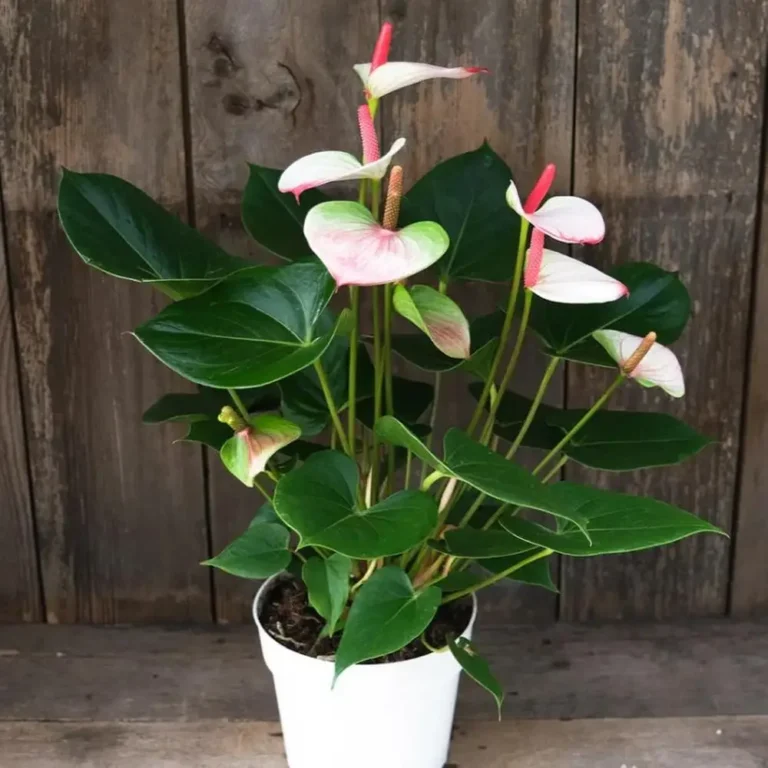
Anthurium
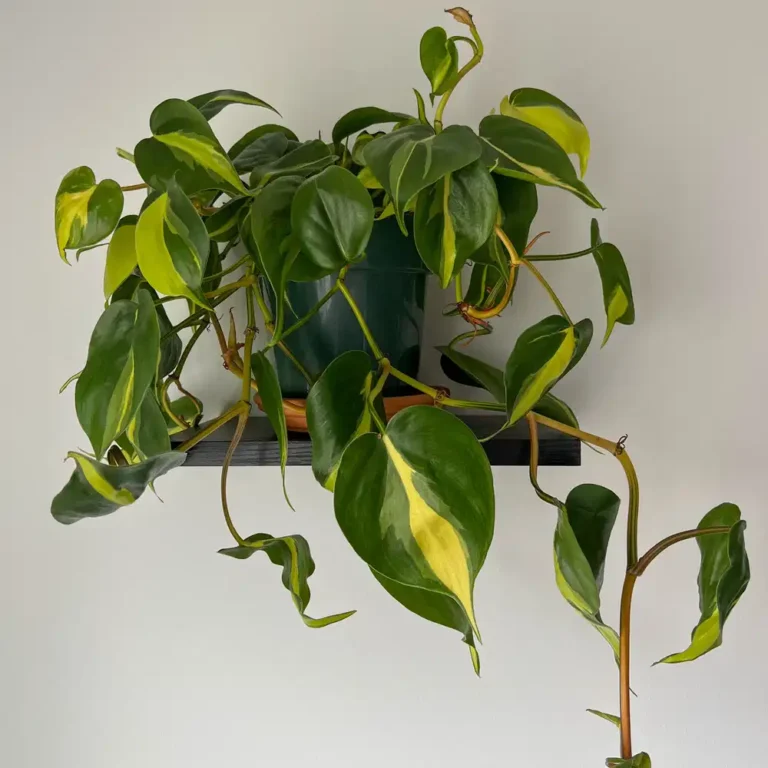
Philodendron
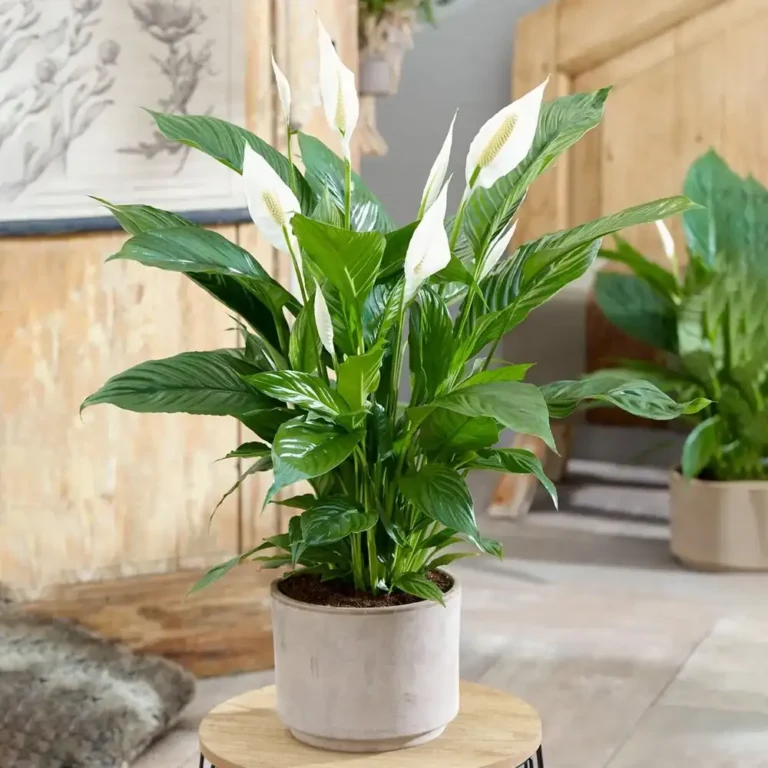
Peace Lily