Ground Cover Plants & Plant Care
Ground Cover Plants, Plant Care Guides & Growing Guides for Spaces
PlantsCare.online helps you choose, grow, and troubleshoot plants with practical plant care guides for U.S. homes and gardens. Explore ground cover plants, indoor plants, outdoor plants, flowering plants, low-maintenance plants, and pet-friendly plants, plus recommendations based on USDA hardiness zones, climate, sunlight, and growing conditions. Our plant care guides cover watering, fertilizing, pruning, soil, repotting, propagation, seasonal care, and pest prevention, along with clear solutions for common problems such as yellow leaves, brown leaves, drooping, root rot, slow growth, and plant pests. Whether you are choosing plants for shade, full sun, containers, lawns, borders, or indoor spaces, PlantsCare.online gives you simple, useful advice to help your plants stay healthy and thrive.
U.S.
Location, zone & climate growing guidance
Explore Plant Categories
Find Plants for Every Home, Garden, and Growing Condition
Home Plants
Top Picks
Blooming
Easy Care
Shade Picks
About Plant Care guides
Practical Plant Care Guides for Homes, Gardens, and Every Growing Space
PlantsCare.online brings plant discovery, care, and problem-solving into one easy resource. Use our guides to find plants for your location, USDA zone, climate, light, and lifestyle, then learn how to water, feed, prune, repot, and troubleshoot them with confidence.
- Better plant choices start with knowing what grows well where you live—and how to care for it.
— PlantsCare.online
🌿 U.S.-Focused Plant Guidance
Why PlantsCare
Everything You Need to Grow with More Confidence
Find the Right Plant
Discover suitable plants by location, USDA hardiness zone, climate, light, and growing conditions before you choose what to grow.
Plant Care Made Simple
Get practical help with watering, fertilizing, pruning, soil, repotting, and seasonal care for indoor and outdoor plants.
Plant Problems Explained
Identify yellow leaves, brown leaves, drooping, root rot, slow growth, pests, and other common problems with clear next steps.
Frequently Asked Questions
No. Baking soda and vinegar do not promote healthy plant growth. Baking soda can add harmful sodium to soil, while vinegar may burn roots and leaves. For stronger plants, use suitable soil, compost, balanced fertilizer, proper watering, sunlight, and good drainage.
Yes, you can trim brown tips from plants using clean, sharp scissors. Follow the natural shape of the leaf and avoid cutting healthy green tissue. Brown tips often result from watering issues, low humidity, fertilizer buildup, or poor water quality.
To help plants last longer, give them the right amount of light, water only when needed, use well-draining soil, remove dead leaves, avoid over-fertilizing, maintain proper humidity, protect them from temperature extremes, and check regularly for pests or disease problems.
Plants need six basic things to grow well: sunlight, water, air, nutrients, suitable temperature, and space. Sunlight powers photosynthesis, water supports cells, air provides carbon dioxide, nutrients feed growth, temperature supports metabolism, and space allows roots and leaves to develop.
Plants need five essentials to survive: sunlight, water, air, nutrients, and suitable temperature. Sunlight supports photosynthesis, water keeps cells functioning, air provides carbon dioxide, nutrients support growth, and proper temperature helps plants carry out normal biological processes efficiently each day.
The best fertilizer depends on the plant and soil, but a balanced fertilizer such as 10-10-10 works well for many garden plants. Compost is also useful because it adds nutrients and improves soil. Always follow label directions and avoid over-fertilizing.
No.Dawn dish soap can sometimes control soft-bodied pests, but it may damage leaves because household detergents contain additives. Insecticidal soap is safer for plants. If using Dawn, dilute it heavily, test one leaf first, and avoid spraying in sunny weather.
Popular Plant Guides
Explore Our Most-Loved Plant Care Pages

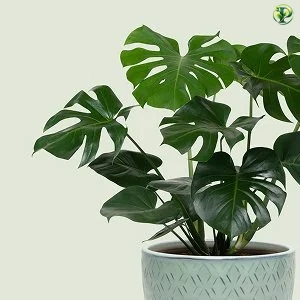
Monstera

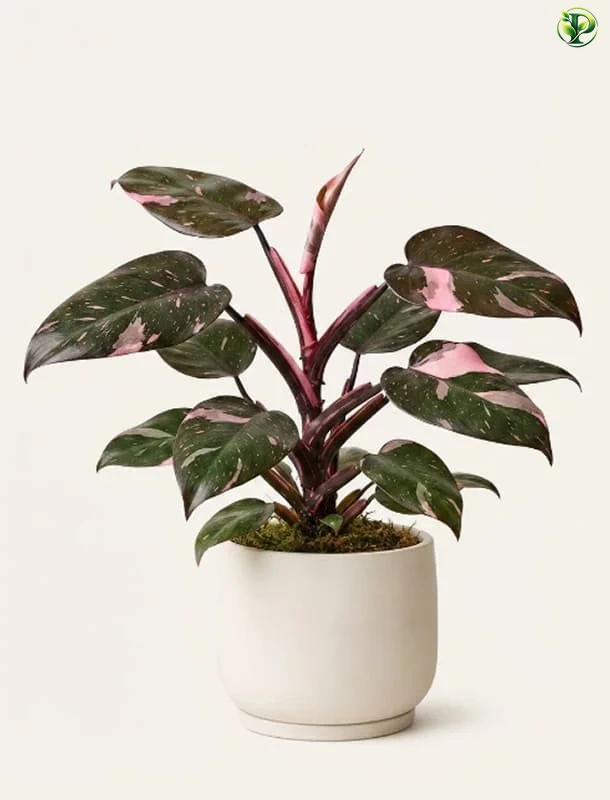
Philodendron

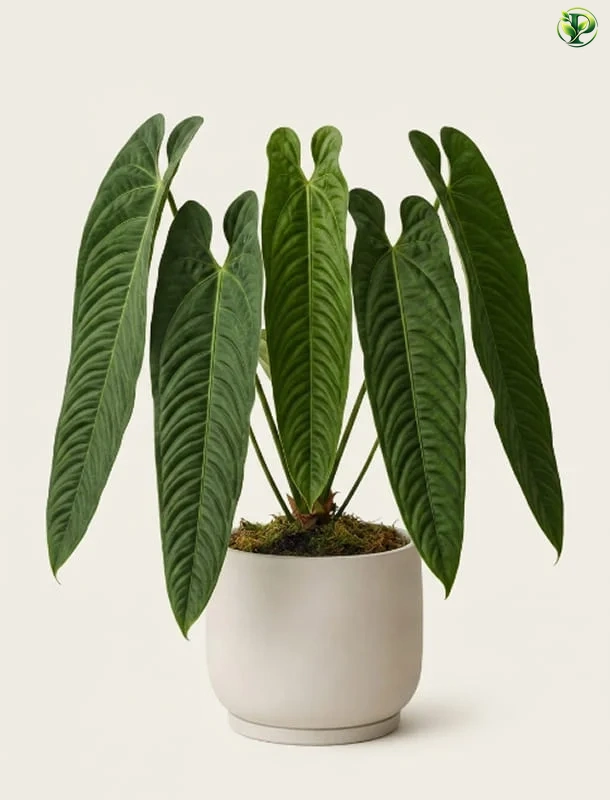
Anthurium

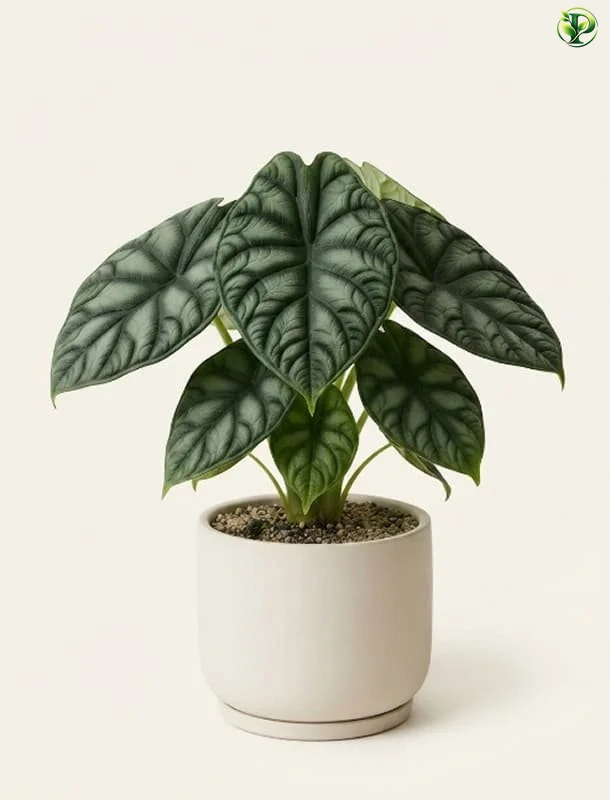
Alocasia

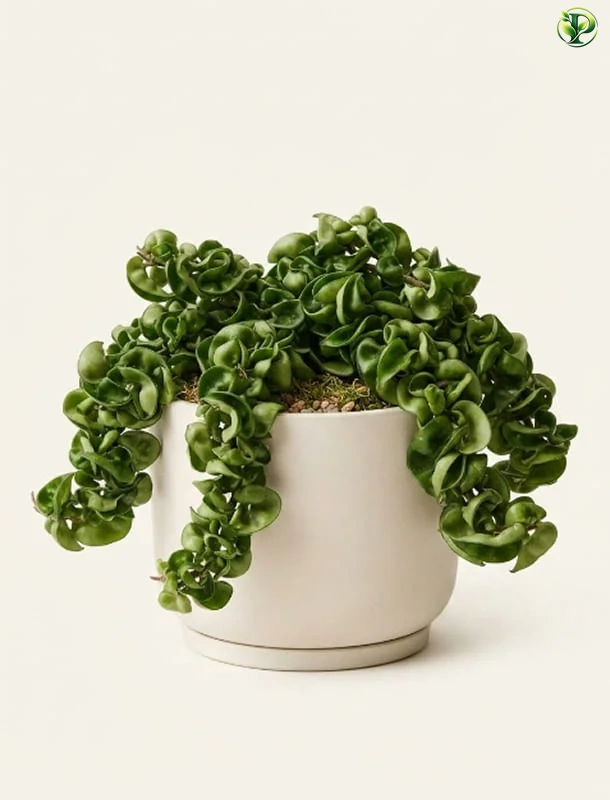
Compacta

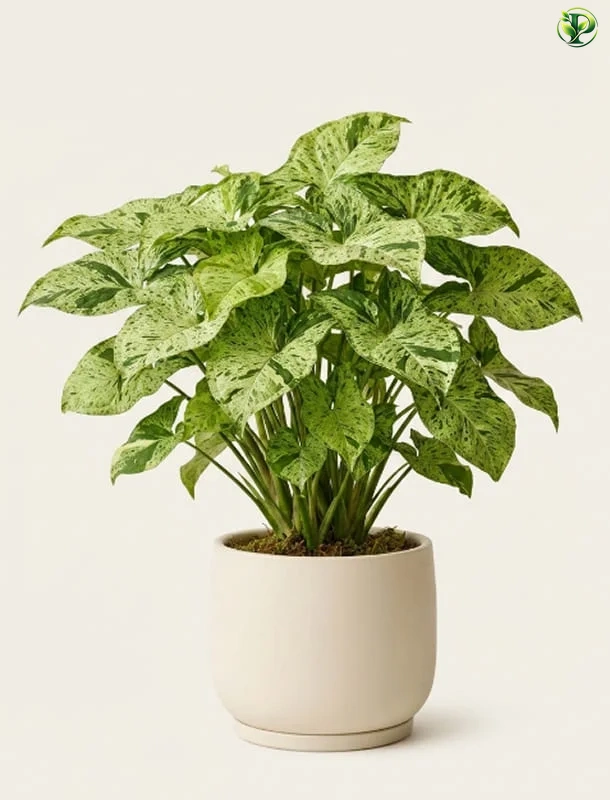
Syngonium

Caladium

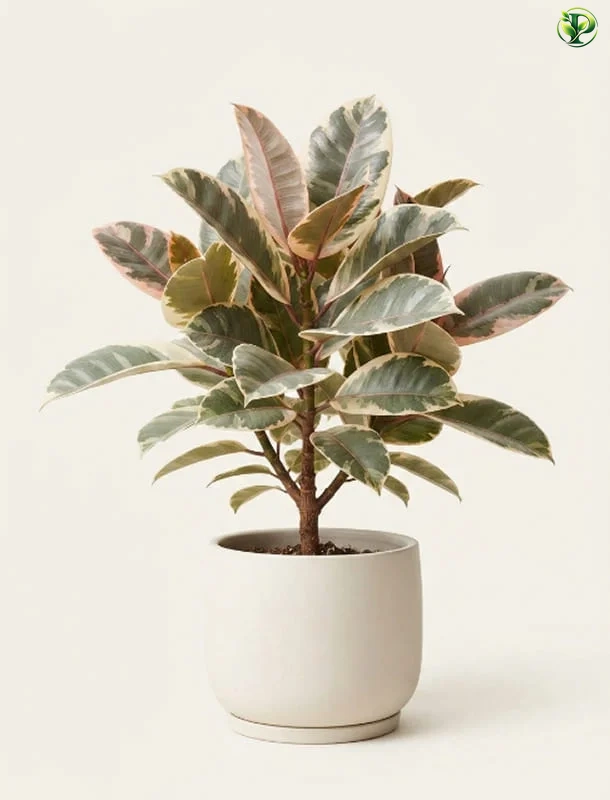
Ficus
Plant Finder
Choose Plants for Your Location, USDA Zone, and Climate
3 Ways
Location • USDA Zone • Climate
Not sure what will thrive where you live? Use our Plant Finder to narrow choices by location, USDA hardiness zone, and climate before comparing light, water, and care needs.
Find Plants for Your Area
Use the PlantsCare Plant Finder


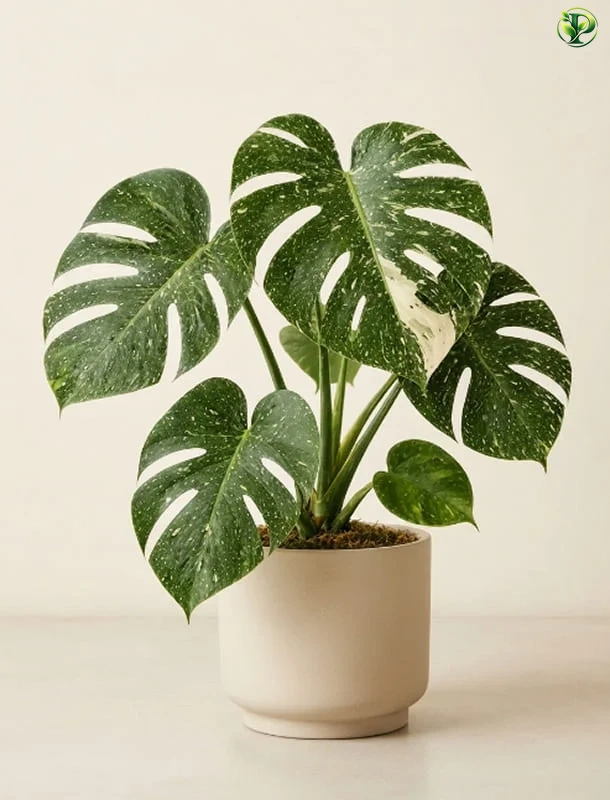
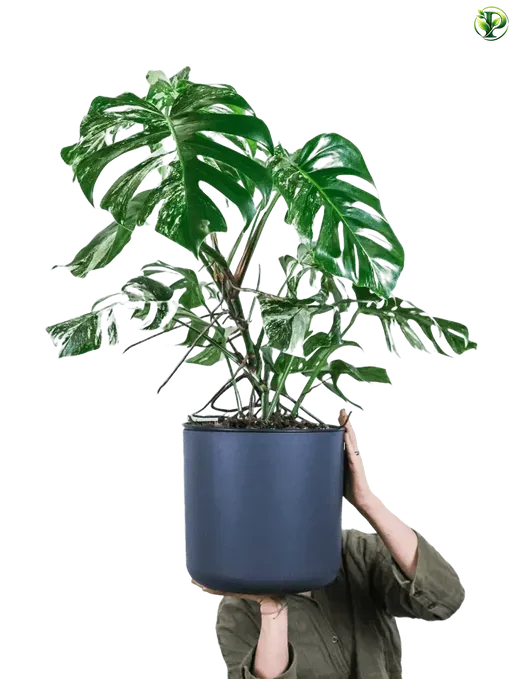
Monstera Thai Constellation Care
A Complete Guide to Healthy Variegated Growth
Learn how to care for Monstera Thai Constellation with practical guidance on light, watering, soil, humidity, repotting, growth, and common problems. Use the full care guide to support healthy leaves and strong variegated growth. Discover the best Monstera Thai Constellation care routine for maintaining creamy-white variegation, preventing brown leaf edges, avoiding root rot, and encouraging larger split leaves. Learn about ideal indoor temperatures, fertilizer needs, climbing support, moss poles, drainage, seasonal watering, pest prevention, and how to manage slow growth. With the right balance of bright indirect light, moisture, humidity, and proper soil, your variegated Monstera can stay healthy, attractive, and continue producing impressive new foliage.
- 🌿 Light, Water & Soil Guidance
- ⭐ Troubleshooting & Growing Tips