
Indoor Plants Guide: Choosing, Growing & Caring
- Tropical Flowering Houseplant
Houseplants for Every Indoor Space
Care + Buying Guide
How to Choose, Grow and Care for Indoor Plants Successfully
Indoor plants bring color, texture, and natural character into homes, apartments, and offices. From compact succulents and trailing vines to palms, flowering houseplants, and large tropical foliage plants, there is an indoor plant for almost every type of space.
Successful indoor plant care starts with choosing plants that match the conditions already available in your home. Check natural light, watering needs, room temperature, humidity, available space, and pet safety before buying. The best indoor plants are not simply the trendiest varieties—they are the houseplants that can thrive under the conditions you can consistently provide.
POPULAR INDOOR PLANTS
🪴 Low to Bright Light
💧 Species-Specific Watering
🌿 Tropical, Succulent & More
🏠 Homes, Apartments & Offices

Care Guide

About Indoor Plants
The term indoor plants describes plants that are grown successfully inside homes and other buildings. They are not one botanical group. Houseplants may include tropical foliage plants, flowering plants, succulents, cacti, palms, ferns, orchids, vines, air plants, and small indoor trees.
Many popular houseplants originate from tropical or subtropical environments where temperatures stay relatively warm. This helps explain why plants such as pothos, philodendrons, monsteras, peace lilies, palms, and many ficus species can adapt well to normal indoor temperatures. These best indoor plants are popular for home décor, indoor gardening, and easy-care greenery in living rooms, bedrooms, and offices.
Indoor plants have very different care requirements. A cactus that prefers strong light and drier soil should not receive the same care as a fern that prefers filtered light and more consistent moisture. Match the plant to your home’s light, moisture, temperature, and space instead of using one care routine for every houseplant. Good indoor plant care also means choosing low-light indoor plants or low-maintenance indoor plants when they better match your home conditions.
Indoor Plant Quick Facts
Difficulty
Beginner to Advanced
Light
Low Light to Bright Indirect; Some Direct Sun
Water
Species Dependent; Check the Potting Mix
Humidity
Average Household to High; Species Dependent
Temperature
About 60–85°F for Many Common Types
Growth Rate
Slow to Fast
Pet Friendly
Species Dependent
Indoor Size
Tabletop Plants to 10+ ft
Repotting
Usually Every 1–3 Years or As Needed
Best For
Homes, Apartments & Offices
Best Indoor Plants by Home Conditions
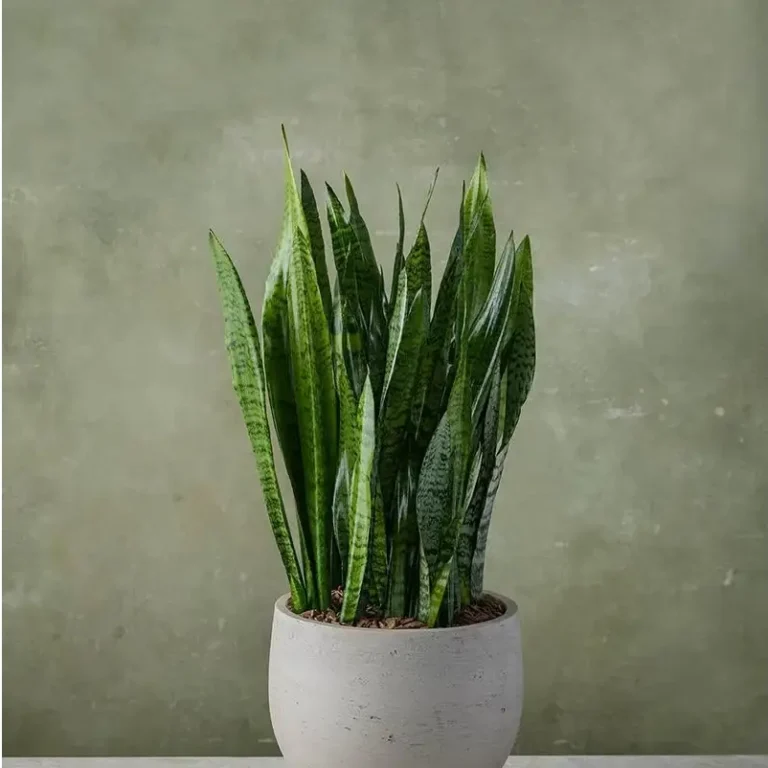
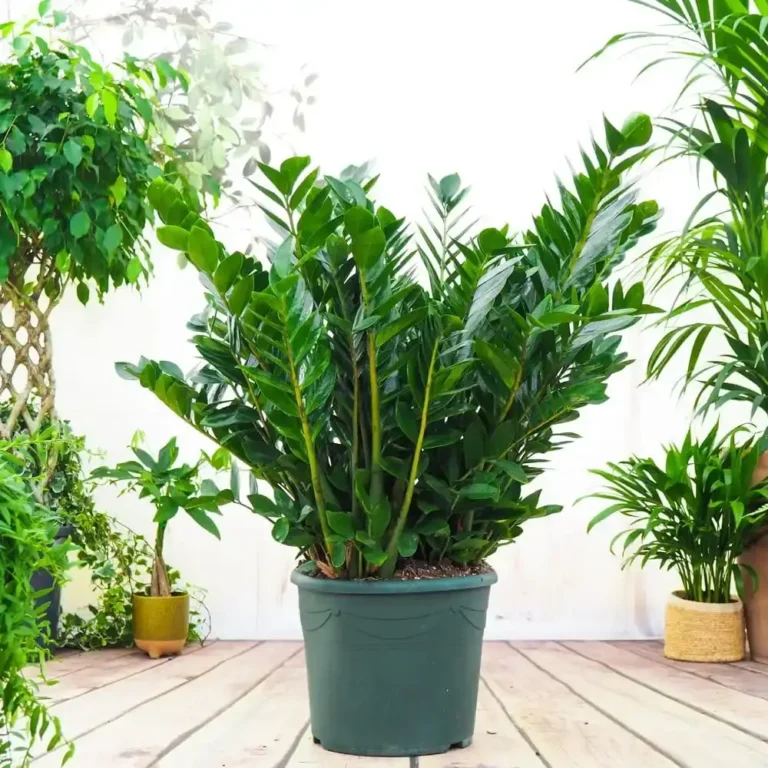
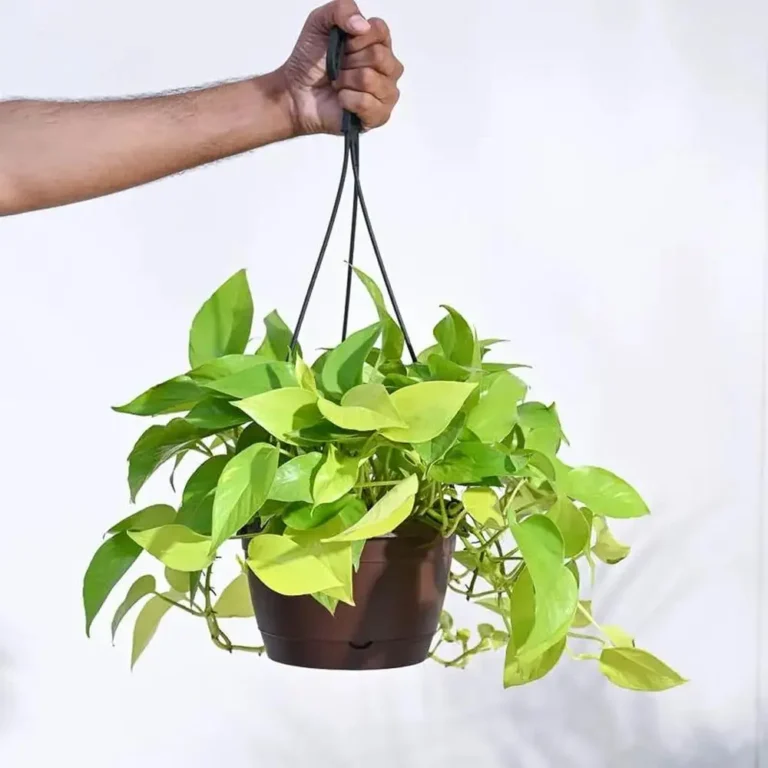
Low-light indoor plants: Snake plant, ZZ plant, cast iron plant, Chinese evergreen, pothos, and heartleaf philodendron are commonly chosen for rooms with less natural light. Low-light tolerance does not mean complete darkness, and better light usually supports stronger growth.
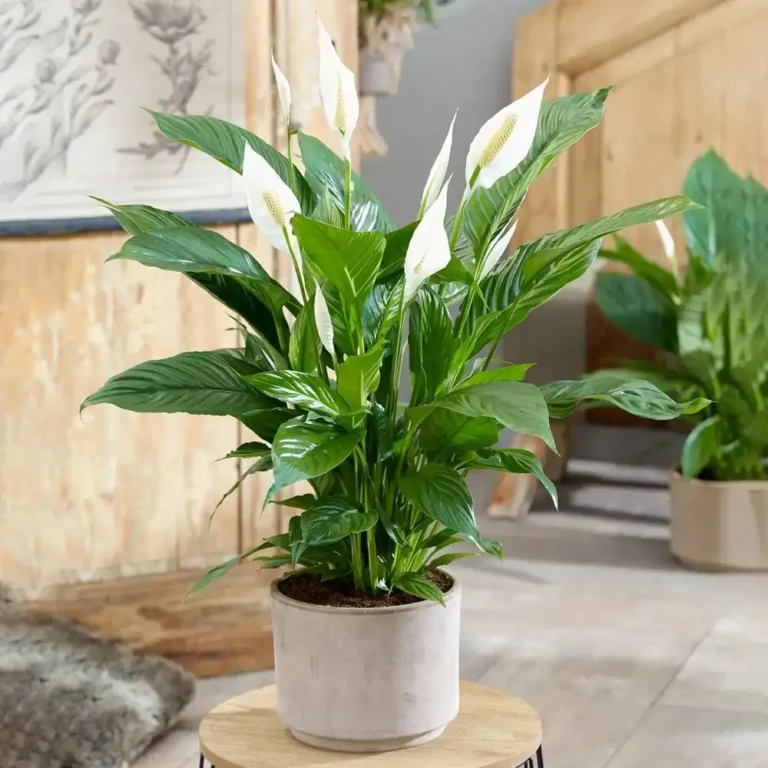
Bright indirect light: Monstera, philodendron, rubber plant, fiddle leaf fig, calathea, hoya, and peace lily are popular choices for brighter rooms without prolonged harsh direct sun.
Low-maintenance houseplants: Snake plant, ZZ plant, pothos, spider plant, heartleaf philodendron, and jade plant are often selected by beginners because they can tolerate some variation in routine.
Small spaces and apartments: Peperomia, African violet, fittonia, pilea, compact ferns, and small succulents can work well on shelves, desks, and windowsills. For larger spaces, monstera, rubber plant, bird of paradise, dracaena, palms, and fiddle leaf fig can become statement floor plants.
Indoor Plant Essentials
Category
Houseplants / Indoor Plants
Common Groups
Tropical, Succulents, Palms, Ferns & Vines
Best For
Homes, Apartments & Offices
Growth Habit
Upright, Trailing, Climbing, Rosette & Clumping
Indoor Size
A Few Inches to 10+ ft; Species Dependent
Light Requirement
Low Light to Bright Indirect; Some Direct Sun
Watering
Check Soil Moisture; Frequency Varies by Species
Humidity
Average Household to High; Species Dependent
Temperature
About 60–85°F for Many Common Houseplants
Potting Mix
Well-Draining Mix Matched to Plant Type
Drainage
Containers with Drainage Holes Recommended
Fertilizing
Light Feeding During Active Growth
Repotting
Usually Every 1–3 Years or As Needed
Pet Safety
Species Dependent; Verify the Exact Plant
Indoor Plant Care Guide
Good indoor plant care is mainly about matching each houseplant to the light, moisture, temperature, humidity, and root conditions it prefers. Use these guidelines as a starting point, then adjust them for the exact species or cultivar growing in your home.
Light Requirements & Placement
Light is one of the most important parts of successful indoor plant care. East-facing windows often provide gentler morning light, while south- and west-facing windows can provide stronger light that may need filtering for sensitive foliage. North-facing windows usually provide lower light.
Choose low-light indoor plants for dimmer rooms and reserve the brightest windows for species that need more light. Low light does not mean no light. If growth becomes weak, sparse, or stretched, the plant may need a brighter location.
Indoor Plant Watering
Do not water every indoor plant on the same fixed schedule. Check the potting mix and water according to the needs of the species. Light level, season, room temperature, humidity, pot size, root size, and growing medium all affect how quickly a container dries.
For many houseplants, water thoroughly when the appropriate portion of the mix has dried and allow excess water to drain. Avoid leaving ordinary houseplants standing in water. Yellowing, soft stems, fungus gnats, and persistently wet soil can indicate excess moisture, while wilting, crispy edges, and very dry soil can indicate insufficient water.
Potting Mix & Repotting
Use a potting mix suited to the plant rather than dense outdoor garden soil. Most indoor plants need a balance of moisture retention, drainage, and root aeration. Tropical foliage plants often prefer a loose, well-draining mix; succulents and cacti generally need faster drainage; many orchids require coarse bark-based media.
Repot when roots become extremely crowded, the potting mix breaks down, drainage deteriorates, or the plant clearly outgrows its container. Increase pot size gradually. Moving a small root system into an oversized pot can keep the mix wet for too long.
Temperature & Humidity
Many common tropical houseplants are comfortable at normal household temperatures, often around 60–85°F, although exact preferences vary by species. Protect sensitive plants from freezing temperatures, cold drafts, exterior doors, and direct blasts from heating or air-conditioning vents.
Some houseplants tolerate average indoor humidity, while tropical species may prefer more moisture in the air. Crispy edges can be associated with dry conditions, but they can also result from watering problems, root stress, or fertilizer buildup, so check the whole care routine before changing humidity.
Fertilizing Indoor Plants
Most houseplants do not need constant heavy feeding. Fertilizer is usually most useful during periods of active growth. Follow the product label, avoid repeatedly applying stronger-than-recommended doses, and reduce feeding when growth naturally slows.
Do not fertilize severely stressed plants in an attempt to force recovery. Excess fertilizer can damage roots and contribute to brown leaf tips or salt buildup in the potting mix. Healthy roots, suitable light, and correct watering should come first.
Pruning, Cleaning & Propagation
Remove dead, badly damaged, or diseased foliage with clean tools and prune vigorous plants when needed to control size or encourage branching. Broad leaves can be wiped gently with a damp cloth so dust does not build up and so pest problems are easier to spot.
Many indoor plants can also be propagated at home. Common methods include stem cuttings, division, leaf cuttings, offsets, and air layering. The correct method depends on the species, so use plant-specific instructions before making major cuts.
Common Indoor Plant Problems & Fixes
Houseplant symptoms can look similar even when the causes are different. Before changing several things at once, check light, soil moisture, drainage, temperature, humidity, fertilizer use, root health, and pest activity. Correct the most likely cause and give the plant time to respond.
Yellow Leaves
Yellow leaves can result from excess water, poor drainage, insufficient light, root stress, nutrient imbalance, or natural aging. Check the potting mix and root zone first. If the soil stays wet for long periods, improve drainage and reduce watering frequency rather than automatically adding fertilizer.
Root Rot & Soft Stems
Persistently saturated potting mix can deprive roots of oxygen and encourage decay. Warning signs may include wilting despite wet soil, yellow foliage, soft dark roots, collapsing stems, or an unpleasant smell. Remove badly damaged roots when appropriate, refresh the potting mix, and correct the watering or drainage problem.
Brown Tips or Crispy Edges
Brown tips can be associated with dry air, inconsistent watering, root stress, fertilizer-salt buildup, or sensitivity to water quality. Check soil moisture and root health before assuming the plant simply needs more water. Review humidity and fertilizer use if the problem continues.
Leaf Scorch
Bleached, pale, tan, or crispy patches can appear when shade-adapted foliage receives intense direct sun. Move the plant gradually to filtered or indirect light and avoid abrupt changes in exposure. Sun-loving succulents and cacti may need stronger light than tropical foliage plants, so always check the species.
Slow or Leggy Growth
Weak, stretched, or very slow growth often points to insufficient light, although season, temperature, root crowding, and plant type also matter. Move the plant closer to a suitable light source gradually and review its pot size and root condition before increasing fertilizer.
Common Houseplant Pests
Inspect leaf undersides, stems, nodes, and new growth for spider mites, mealybugs, scale insects, thrips, aphids, whiteflies, fungus gnats, sticky residue, or webbing. Isolate heavily infested plants when practical and identify the pest before choosing a treatment method.
How to Choose a Healthy Indoor Plant
Choose an indoor plant with firm healthy foliage, strong stems, and clean new growth. Avoid plants with widespread yellowing, large areas of damaged tissue, mushy stem bases, or a potting mix that smells sour and remains saturated. Healthy indoor plants should look vigorous, well-rooted, and free from obvious signs of stress.
Inspect both sides of the leaves, stem joints, and soil surface for spider mites, mealybugs, scale, thrips, fungus gnats, sticky residue, or webbing. Common indoor plant pests can spread quickly between houseplants, so examine new purchases carefully before adding them to an existing collection. Check that the container has appropriate drainage and, when visible, that roots look firm rather than dark and soft.
Most importantly, buy a plant that matches your home. Check the label for indoor plant light, mature size, indoor plant watering, temperature and humidity preferences, growth habit, indoor plant soil, and pet safety. A healthy plant can still struggle if it is placed in conditions that do not suit the species.
When comparing the best indoor plants, consider low light indoor plants, low maintenance indoor plants, indoor plants for beginners, easy care houseplants, tropical indoor plants, flowering indoor plants, and pet friendly indoor plants. Also think about where the plant will grow, whether you need indoor plants for bedroom, indoor plants for living room, or indoor plants for office spaces. Good indoor plant care, consistent plant care, and proper indoor gardening practices will help your house plants stay healthy and attractive for longer.
Indoor Plant Buying Checklist
Healthy Foliage & New Growth
Choose leaves with strong color and firm texture, plus healthy new growth when the plant is actively growing. Avoid widespread yellowing, collapsing tissue, or major unexplained spotting.
No Visible Pests
Inspect leaf undersides, stem joints, new growth, and the soil surface for mites, mealybugs, scale, thrips, gnats, webbing, or sticky residue.
Healthy Potting Mix
The growing medium should suit the plant and should not be sour-smelling, severely compacted, or permanently saturated. Check that the container can drain properly.
Good Roots & Drainage
When roots are visible, look for firm healthy growth rather than extensive black or mushy tissue. Avoid containers with serious drainage problems unless you plan to repot immediately.
Correct Plant for Your Home
Match the plant’s light, mature size, watering needs, humidity, temperature, growth habit, and pet safety to the conditions and space you can realistically provide.
Indoor Plant Care FAQs
Popular beginner-friendly choices include pothos, snake plant, ZZ plant, spider plant, heartleaf philodendron, Chinese evergreen, and dracaena. The best choice still depends on the light and temperatures available in your home.
There is no universal watering schedule. Check the potting mix and water according to the needs of the individual plant. Light, season, temperature, humidity, pot size, and root size all affect how quickly soil dries.
ZZ plant, snake plant, cast iron plant, pothos, Chinese evergreen, and heartleaf philodendron are commonly grown in lower-light rooms. Low-light tolerance does not mean complete darkness, and brighter indirect light usually supports stronger growth.
Plants need light for photosynthesis, but the amount and intensity vary by species. Many tropical houseplants prefer bright indirect light, while some succulents and cacti tolerate or prefer stronger direct sun.
Yellow leaves can come from overwatering, poor drainage, insufficient light, root problems, nutrient imbalance, or natural aging. Check soil moisture and root conditions first before changing several parts of the care routine.
For most common houseplants, drainage holes are strongly recommended because they allow excess water to leave the container and reduce the risk of keeping roots continuously saturated.
Some houseplants are pet-safe and others can cause irritation or poisoning if chewed. Always verify the exact species if you have cats or dogs, because common plant names can be ambiguous.
Popular Indoor Plants
Explore Popular Indoor Plants for Your Home
Peace lily
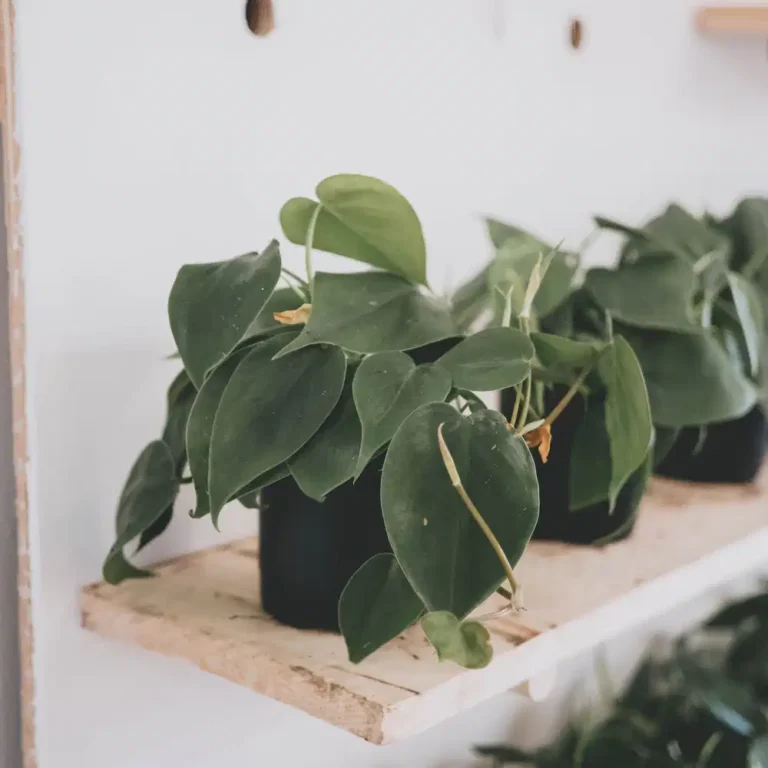
Philodendron
Pothos
