Gardenia Care : Bud Drop, Yellow Leaves & Blooming Guide
- Home
- Indoor Plants
- Gardenia
- Fragrant Flowering Shrub
Evergreen Flowering Shrub
Care + Buying Guide
Gardenia Care
Gardenia Care requires more consistency than many common houseplants because this fragrant shrub reacts quickly to changes in light, temperature, humidity, moisture, and soil pH. Give potted gardenias very bright light, evenly moist but well-drained acidic soil, and stable temperatures. Indoors, cool nights and higher humidity help support flower-bud development, while dry air, irregular watering, drafts, or alkaline soil can trigger bud drop and yellow leaves. Outdoors, many cultivars perform well in warm U.S. climates when protected from harsh afternoon heat and severe winter cold. With steady conditions and careful pruning after flowering, gardenias reward the extra attention with glossy evergreen foliage and intensely fragrant white blooms.
FRAGRANT CLASSIC
🤍 Intensely Fragrant Flowers
🌿 Glossy Evergreen Leaves
🌱 Acid-Loving Shrub
🌸 Spring–Summer Blooms
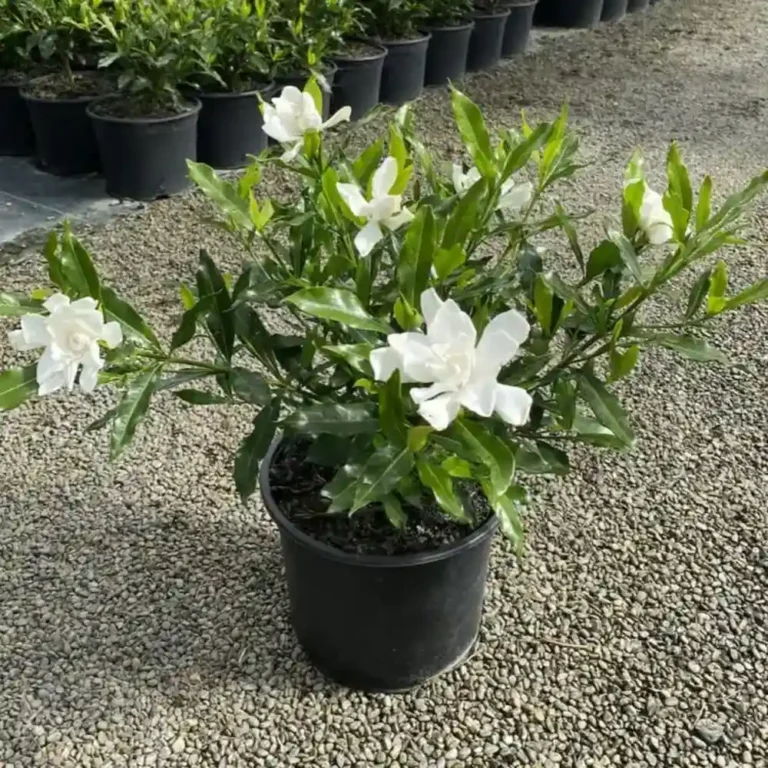

Care Guide
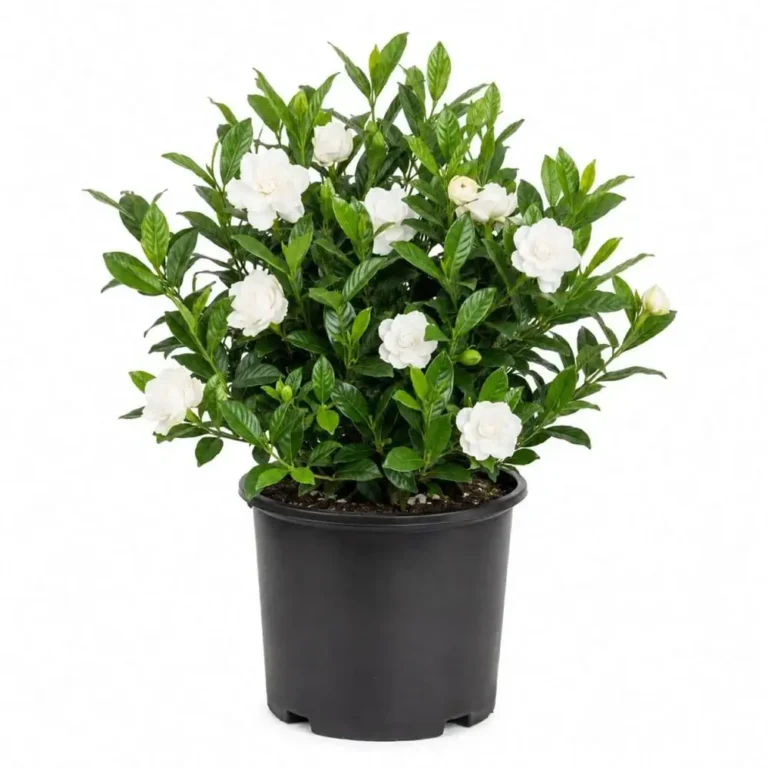
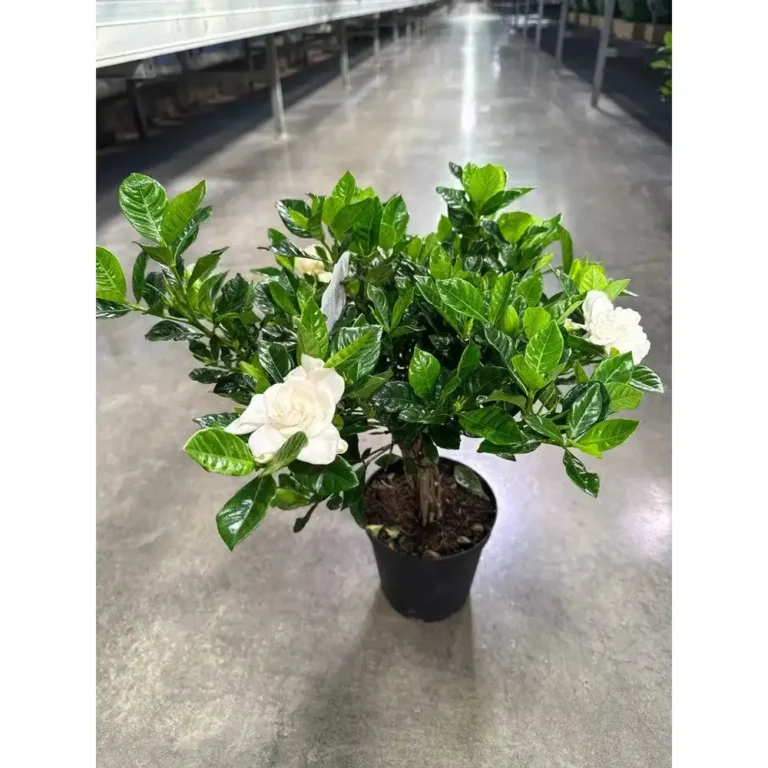
About Gardenia
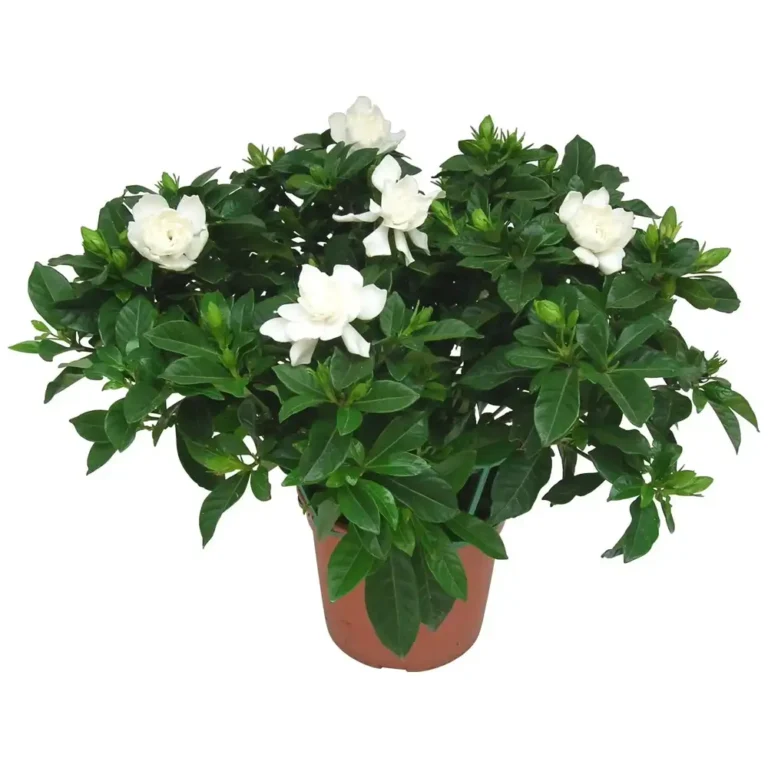
Gardenia jasminoides, often called gardenia, Cape jasmine, or Cape jessamine, is a broadleaf evergreen shrub in the coffee family, Rubiaceae. It is grown for waxy white flowers with a powerful fragrance and glossy dark-green leaves. In the United States it is common as a landscape shrub in warmer regions and as a flowering container plant in colder climates.
Successful Gardenia Care depends on stable conditions. Gardenias prefer acidic, organic-rich, well-drained soil, steady moisture, strong light, and relatively high humidity. They dislike abrupt moves, dry heat from HVAC vents, cold drafts, root disturbance, and alkaline soil. These stresses can lead to unopened buds dropping, yellow foliage, weak flowering, or pest problems.
Indoor gardenias are more demanding than many foliage plants, but they can remain attractive when given a bright window, cool nights, and consistent moisture. Outdoors, cultivar choice matters because cold tolerance varies widely, with some modern selections surviving farther north than older gardenia types.
Plant Information
Difficulty
Moderate to Challenging
Light
Bright Light / Morning Sun
Water
Evenly Moist, Never Soggy
Humidity
High; 50%+ Helpful Indoors
Temperature
65–75°F Day, 55–65°F Night
Growth Rate
Moderate
Pet Friendly
No
Indoor Height
2–4 ft Potted, Cultivar Dependent
Repotting
When Root-Bound; Disturb Minimally
Native Range
E. Himalaya to China, Indo-China & Japan
History of Gardenia
Gardenia jasminoides was formally published by the English naturalist John Ellis in 1761 and remains an accepted species today. The genus name Gardenia honors Alexander Garden, an 18th-century Scottish physician and naturalist who worked in colonial South Carolina. The species name jasminoides refers to the jasmine-like fragrance and appearance of its flowers, although gardenias are not true jasmines.
The species is native from the eastern Himalaya through parts of China and Indo-China to southern Japan. Long cultivation in Asia produced valued ornamental forms, and fragrant gardenias later became important greenhouse, conservatory, and landscape plants in Europe and North America. Older nursery labels may still use synonyms such as Gardenia augusta or Gardenia florida.
In the United States, gardenias became especially associated with Southern gardens, warm-climate foundation plantings, corsages, and fragrant patio containers. Modern breeding has expanded flower form, plant size, and cold tolerance, but the plant still retains its reputation for demanding precise moisture, acidity, temperature, and humidity.
Plant Specifications
Botanical Name
Gardenia jasminoides J.Ellis
Family
Rubiaceae
Plant Type
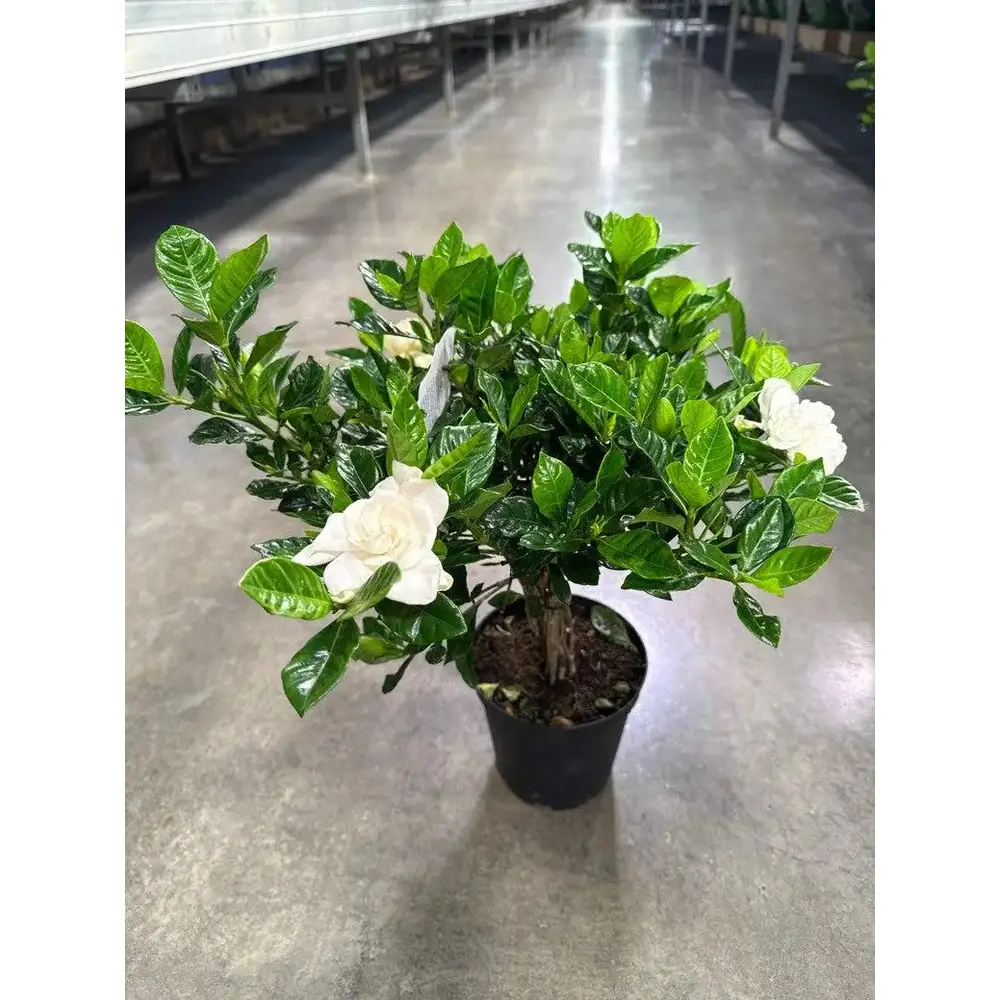
Broadleaf Evergreen Flowering Shrub
Growth Habit
Dense, Rounded, Branching
Indoor Height
2–4 ft Potted; Cultivar Dependent
Light Requirement
Bright Light; Morning Sun Outdoors
Watering
Keep Evenly Moist, Not Waterlogged
Humidity
High; 50%+ Helpful Indoors
Temperature
65–75°F Day; 55–65°F Night
Soil
Rich, Acidic, Well-Drained; pH Below 6.0
USDA Hardiness
Zones 7b–11b; Cultivar Dependent
Repotting
When Root-Bound; Avoid Excess Disturbance
Pet Safety
Toxic to Cats & Dogs
Native Range
E. Himalaya to China, Indo-China & S. Japan
Gardenia Care Guide
Gardenias perform best when their environment stays stable. Focus on strong light, acidic soil, uniform moisture, good drainage, cooler nights, and enough humidity to prevent stress while flower buds are developing.
Light & Placement
Indoors, place gardenia in the brightest location available, usually near an east, south, or west window with protection from scorching midday heat if needed. Weak light is a frequent reason for poor flowering and bud drop.
Outdoors, morning sun with afternoon shade works well in hot parts of the U.S. Gardenias also dislike repeated relocation, so once a container is thriving, avoid unnecessary moves during bud development.
Watering & Moisture
Keep the root zone evenly moist without leaving it saturated. Water thoroughly when the surface begins to dry, then allow excess water to drain completely. Both drought and prolonged wetness can cause yellow leaves or unopened buds to fall.
Check containers frequently during warm weather because potted gardenias can dry faster than landscape plants. Reduce watering somewhat during slower winter growth, but do not let the root ball become bone dry.
Acidic Soil & Repotting
Use a rich, well-drained, acidic potting mix. Gardenias prefer a soil pH below 6.0, and alkaline conditions can limit iron uptake, causing new leaves to turn yellow while veins remain greener.
Repot only when necessary and move up one container size at a time. Gardenias resent root disturbance, so handle the root ball gently and avoid breaking apart healthy roots unless correcting a serious problem.
Temperature & Humidity
For indoor plants, aim for about 65–75°F during the day and 55–65°F at night. Cool nights are especially helpful for flower-bud development, while sudden temperature swings can trigger bud drop.
Gardenias prefer higher humidity than many U.S. homes provide in winter. A room humidifier is more effective than keeping the soil wet. Keep plants away from furnace vents, air-conditioning blasts, and cold exterior doors.
Feeding & Iron
Feed during active spring and summer growth with a fertilizer formulated for acid-loving plants, following the product label. Excess fertilizer can stress roots and contribute to bud drop.
If new leaves develop yellow tissue with greener veins, test the soil or potting mix pH before assuming the plant simply needs more fertilizer. High pH can create iron chlorosis even when iron is present.
Pruning & Flowering
Prune after the main flowering period to remove spent blooms, thin awkward branches, and shape the plant. Avoid heavy pruning late in the season because it can remove new growth that would support future flowers.
For better blooming, keep light strong and conditions consistent while buds form. Stable moisture, cooler nights, good humidity, and freedom from pests are more important than repeatedly moving or heavily feeding the plant.
Common Gardenia Problems
Gardenias often show stress quickly. Bud drop, yellow leaves, sticky foliage, and root problems usually reflect an environmental imbalance, pest pressure, or soil conditions that need correction.
Flower Buds Dropping Before Opening
Bud drop can follow low humidity, overwatering, underwatering, insufficient light, pest infestations, rapid temperature changes, or extreme heat. Review recent care changes and correct the underlying stress rather than treating bud drop as a single disease.
Yellow Leaves & Iron Chlorosis
Older leaves can yellow naturally, but widespread yellowing may come from root stress or poor growing conditions. Yellow new leaves with greener veins often suggest iron chlorosis associated with soil that is too alkaline. Check pH and drainage before adding supplements.
Brown Leaves or Leaf Scorch
Brown edges or scorched patches may result from dry air, inconsistent watering, fertilizer salts, sudden strong sun, or cold injury. Stabilize moisture and temperature, then adjust light gradually rather than making another abrupt move.
Root Rot
Gardenias are vulnerable to root rot in poorly drained or constantly saturated soil. Wilting despite wet soil, dark roots, or a declining plant with no obvious drought stress are warning signs. Improve drainage and reduce excess irrigation immediately.
Whiteflies, Aphids & Scale
Check leaf undersides and new growth for whiteflies, aphids, scale, and other sap-feeding insects. These pests weaken the plant and can contribute to bud drop. Isolate infested indoor plants and treat early before populations expand.
Sticky Leaves & Sooty Mold
Black sooty mold commonly grows on sticky honeydew produced by sap-feeding insects such as whiteflies or scale. The mold itself is a symptom; controlling the insect source and cleaning affected foliage addresses the underlying problem.
How to Choose a Healthy Gardenia
Choose a gardenia with glossy green leaves, firm stems, and a balanced canopy. If flowers are important, look for a plant with both fresh blooms and firm unopened buds, but avoid specimens already shedding large numbers of buds or leaves. Check the soil as well: it should be moist but not swampy, sour-smelling, or sitting in water.
Inspect the undersides of leaves and stem joints for whiteflies, scale, aphids, spider mites, sticky honeydew, or black sooty mold. A heavily infested plant can be difficult to stabilize after the stress of moving from a greenhouse to a home. For indoor use, a compact cultivar is often easier to manage than a vigorous landscape type.
For outdoor planting in the United States, check the cultivar name and cold-hardiness rating rather than relying on “gardenia” alone. Some newer cultivars tolerate colder winters than older forms, while dwarf selections may be more sensitive. Match the plant to your USDA zone, available sunlight, and soil pH before buying.
Buying Checklist
Healthy Green Foliage
Choose glossy leaves without widespread yellowing, blackened edges, heavy spotting, or obvious cold damage.
Firm Buds & Fresh Flowers
Look for healthy unopened buds and fresh blooms rather than a plant already dropping buds before they open.
No Whiteflies or Scale
Inspect leaf undersides, stems, and new growth for insects, sticky honeydew, or black sooty mold.
Good Drainage
Avoid containers with waterlogged soil, standing water, or a sour odor that may signal stressed roots.
Cultivar Matches Your Climate
For outdoor use, confirm the cultivar and USDA hardiness because cold tolerance varies substantially among gardenias.
Frequently Asked Questions
Water when the surface of the potting mix begins to dry, then soak the root ball thoroughly and let excess water drain. Gardenias prefer uniform moisture, so avoid both bone-dry soil and constantly saturated conditions.
Bud drop can be caused by low humidity, inconsistent watering, insufficient light, rapid temperature changes, excessive heat, poor drainage, or pest pressure. Keep conditions stable while flower buds are developing.
Yellow leaves can result from watering problems, root stress, low light, nutrient issues, or normal loss of older foliage. If young leaves turn yellow while veins stay greener, check for iron chlorosis caused by high soil pH.
Gardenias prefer acidic soil, generally below pH 6.0. Alkaline soil can interfere with iron uptake and cause chlorosis, so use an acidic, well-drained mix and keep lawn lime away from outdoor plants.
Yes, but they are considered challenging houseplants. Give them very bright light, high humidity, evenly moist acidic soil, stable temperatures, and cool nights. Indoor heating, drafts, and low winter light often make flowering difficult.
Prune after the main flowering period to shape the plant and remove faded flowers or straggly branches. Avoid heavy late-season pruning because it can remove growth needed for future flowering.
Yes. ASPCA lists Gardenia jasminoides as toxic to dogs and cats, with ingestion associated with mild vomiting, diarrhea, or hives. Keep plants and fallen flowers where pets cannot chew them.
Related Plants
Explore Similar Indoor Plants
African Violet
Anthurium
Kalanchoe