Prayer Plant Care Guide with Detail & Buying Tips
- Home
- Indoor Plants
- Prayer Plant
- Tropical Foliage Houseplant
Evergreen Tropical Perennial
Care + Buying Guide
Prayer Plant Care
Prayer Plant (Maranta leuconeura) is a compact tropical houseplant prized for its patterned foliage and leaves that rise into a prayer-like position at night. For reliable indoor growth in U.S. homes, place it in medium to bright indirect light, keep the potting mix evenly moist but never waterlogged, and protect it from hot direct sun, cold drafts, and drying HVAC vents. Prayer Plants prefer warm rooms and higher humidity than many common houseplants. Consistent moisture, good drainage, moderate feeding, and stable temperatures help maintain strong color, healthy leaves, and steady spreading growth.
POPULAR PLANT
🌿 Patterned Folding Foliage
☀️ Medium to Bright Indirect Light
💧 Evenly Moist Soil
🐾 Pet Friendly

Care Guide
About Prayer Plant
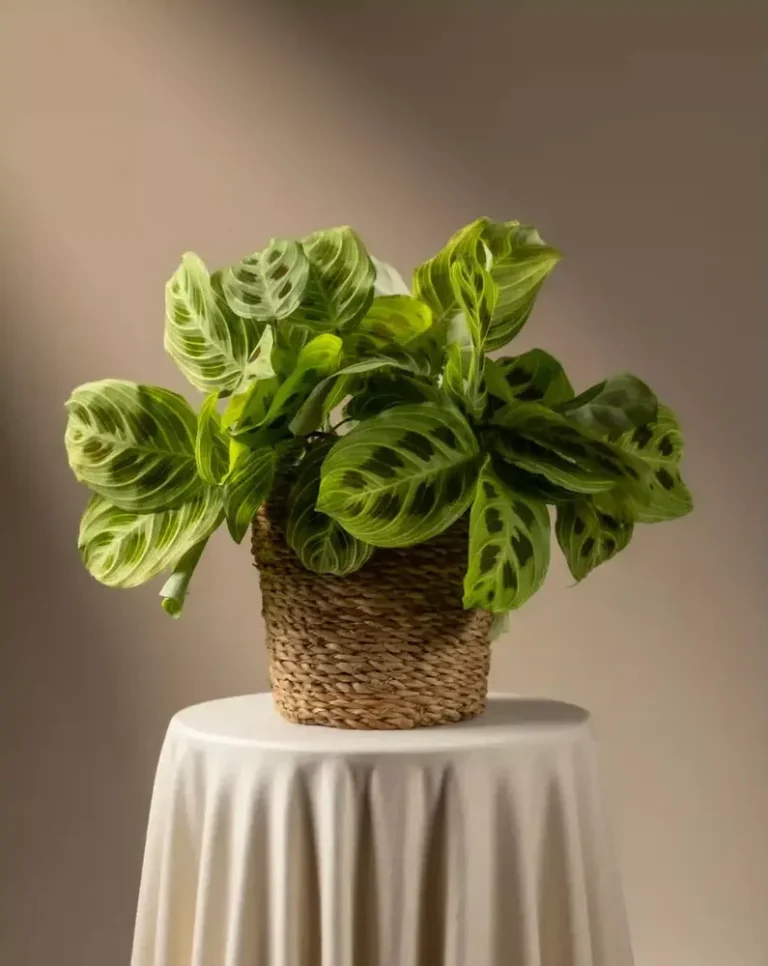
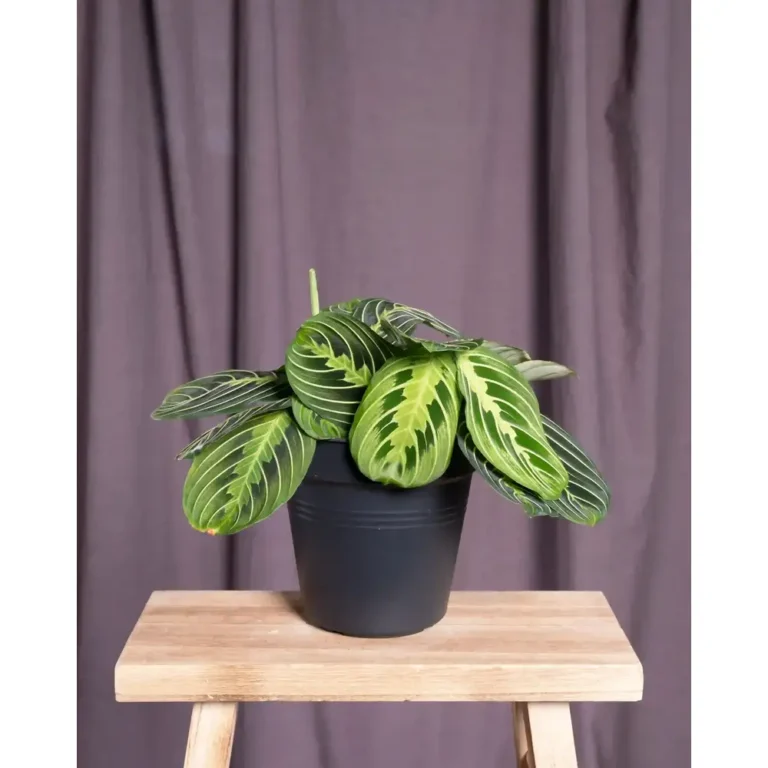
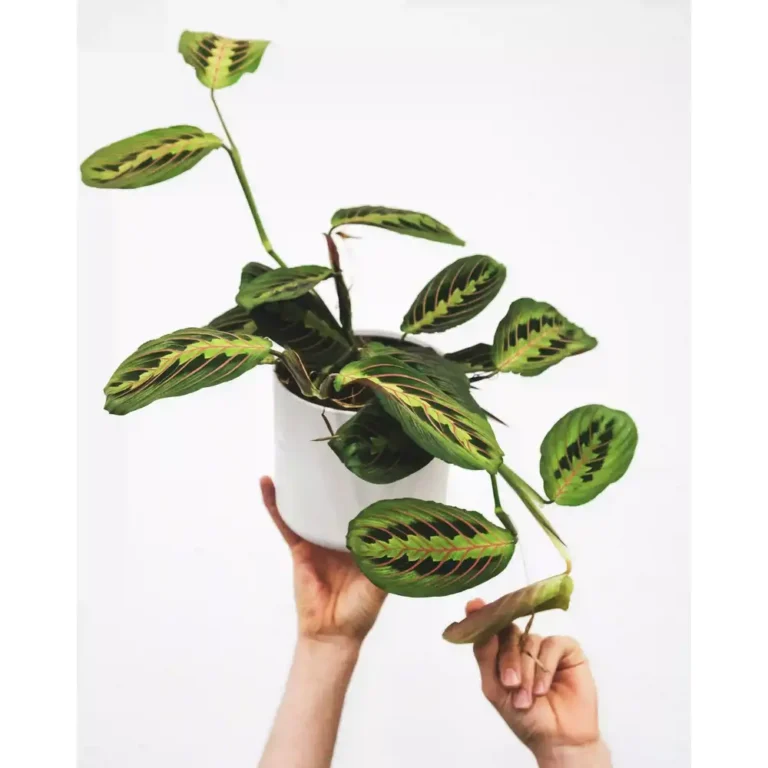
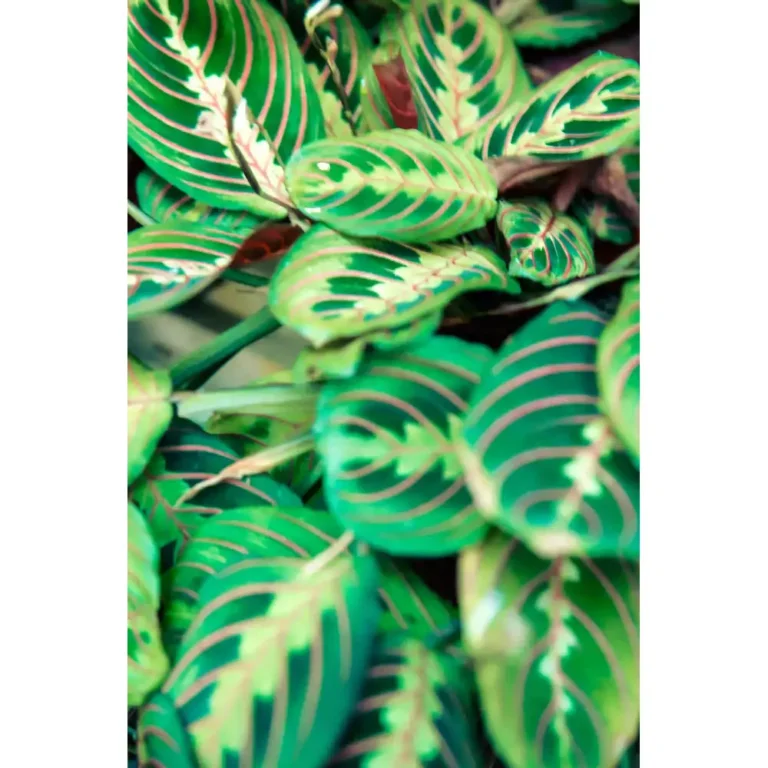
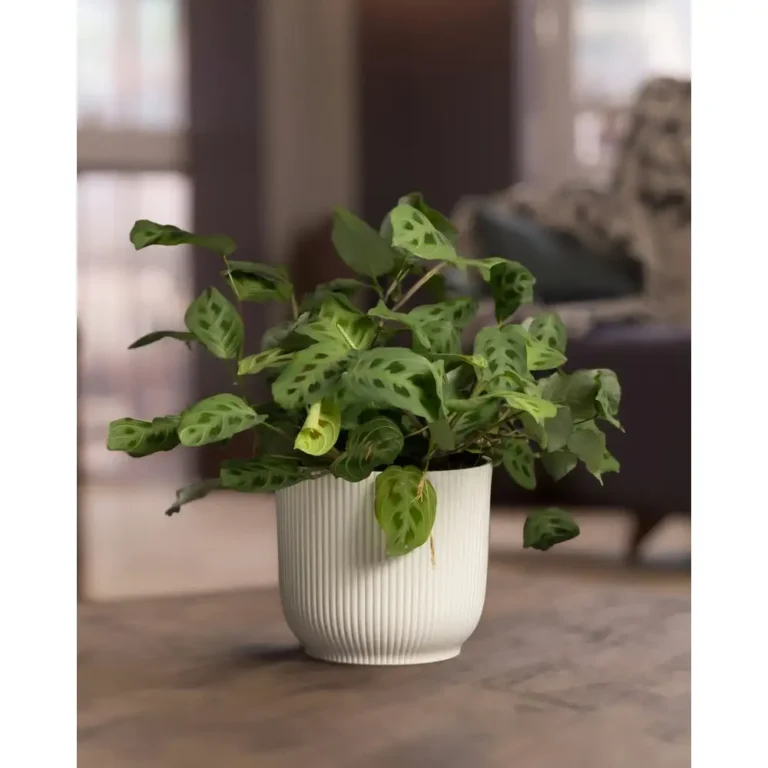
The Prayer Plant (Maranta leuconeura) is an evergreen tropical perennial in the Marantaceae family. It forms a low, spreading clump with short rhizomatous stems and broad oval to oblong leaves marked with dramatic veins, blotches, and contrasting shades of green. Many popular cultivars also display red, burgundy, cream, or lime-colored details, making the foliage the plant’s main ornamental feature.
The common name “Prayer Plant” comes from its daily leaf movement. During daylight the leaves usually sit more horizontally, while at night they rise or fold upward into a position that resembles praying hands. This movement, combined with the plant’s bold herringbone-like patterns, gives Prayer Plant a distinctive appearance in hanging baskets, tabletop pots, shelves, and other indoor displays.
Prayer Plant is native to the wet tropics of Central and Eastern Brazil and naturally favors warm, humid, shaded conditions. Indoors it generally stays compact, commonly reaching about 6–12 inches tall while spreading wider than its height. Small white to purple flowers may appear under favorable conditions, although U.S. houseplant growers mainly cultivate it for its decorative foliage rather than its blooms.
Plant Information
Difficulty
Moderate
Light
Medium to Bright Indirect Light
Water
Keep Evenly Moist; Never Soggy
Humidity
High Humidity Preferred
Temperature
65–80°F; Keep Above 60°F
Growth Rate
Moderate
Pet Friendly
Yes
Indoor Height
6–12 in. Typical
Repotting
When Root-Bound or Mix Degrades
Native Range
Central & Eastern Brazil
History of Prayer Plant
The botanical history of Prayer Plant dates to the nineteenth century. The accepted species name Maranta leuconeura was published by Belgian botanist Édouard Morren in 1874 in La Belgique Horticole. The species belongs to the Marantaceae family, a tropical group well known for ornamental plants with patterned leaves and noticeable daily leaf movement.
The species was later transferred to the genus Calathea as Calathea leuconeura in the nineteenth century, but modern botanical references accept Maranta leuconeura as the correct name. Older names and variety names can still appear in gardening books, nursery catalogs, and plant collections, especially for forms historically sold as red-veined, rabbit-track, or dark-patterned prayer plants.
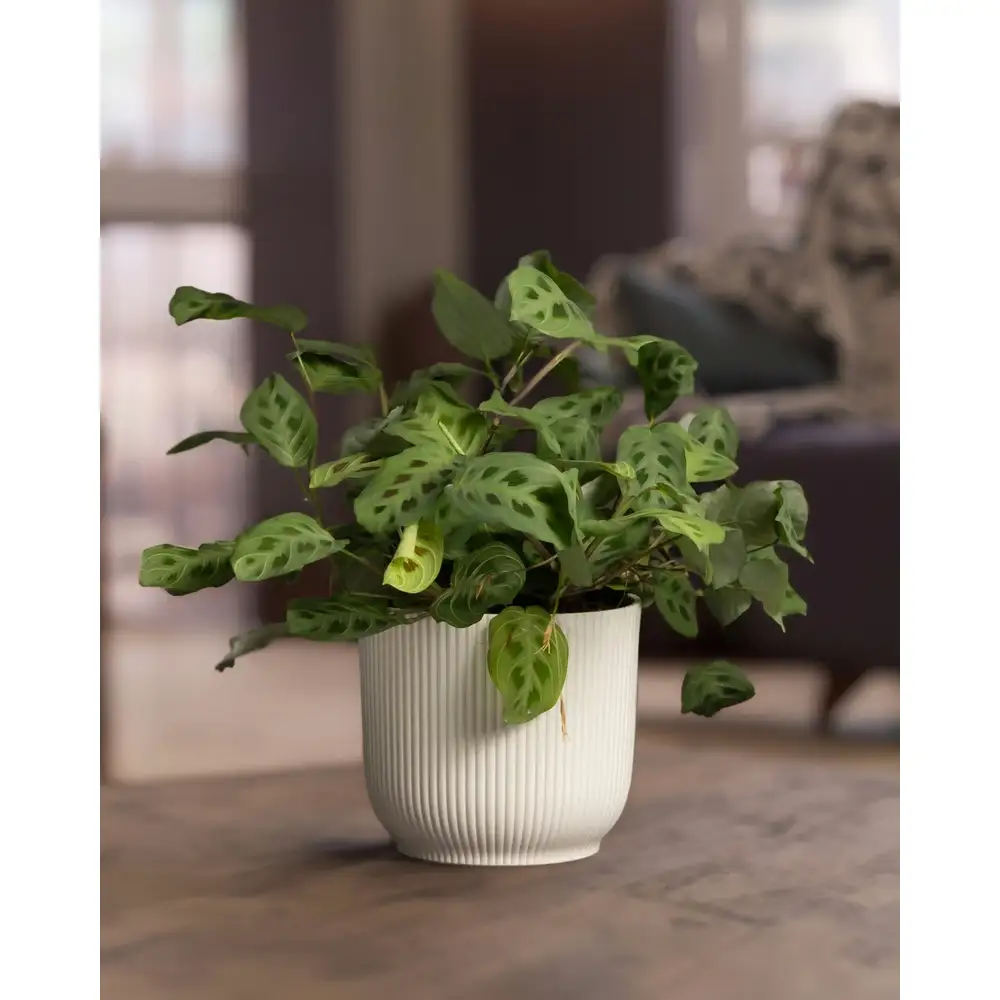
Over time, horticulturists selected numerous foliage forms and cultivars for stronger vein colors, contrasting markings, and compact growth. Well-known cultivated forms include red-veined types, ‘Lemon Lime,’ ‘Fascinator Tricolor,’ ‘Silver Band,’ and rabbit-track forms. Their colorful foliage helped Prayer Plant become a staple of tropical indoor gardening.
Today, Prayer Plant is widely grown across the United States as an indoor foliage plant because most U.S. climates are too cold for year-round outdoor culture. In frost-free areas around USDA Zones 11–12 it may be grown outdoors in shaded, humid locations, but throughout most of the country it is best treated as a warm indoor houseplant.
Plant Specifications
Botanical Name
Maranta leuconeura É.Morren
Family
Marantaceae
Plant Type
Evergreen Tropical Perennial
Growth Habit
Low, Clumping & Spreading
Indoor Height
6–12 in. Tall; Up to 2 ft Wide
Light Requirement
Medium to Bright Indirect Light
Watering
Evenly Moist; Avoid Waterlogging
Humidity
High Humidity Preferred
Temperature
65–80°F; Avoid Below 60°F
Soil
Moist, Rich, Well-Drained Potting Mix
USDA Zones
USDA Zones 11–12 Outdoors
Repotting
When Root-Bound or Soil Structure Declines
Pet Safety
Generally Non-Toxic to Cats & Dogs
Native Range
Central & Eastern Brazil
Prayer Plant Care Guide
Use these practical Prayer Plant care guidelines for U.S. indoor conditions to maintain vivid leaf patterns, healthy roots, stable moisture, and strong tropical growth.
Light & Placement
Prayer Plant performs best in medium to bright indirect light. Strong direct sun can bleach the leaf patterns or scorch the foliage, while very low light can reduce color and slow growth.
Best U.S. placement: near an east- or north-facing window, or several feet back from a bright south- or west-facing window. Sheer curtains are useful where afternoon sun is intense.
Watering & Drainage
Keep the potting mix evenly moist during active growth, but never leave the root zone saturated. Water thoroughly when the surface begins to feel slightly dry, then allow excess water to drain from the container.
During shorter winter days, growth and water use usually slow, especially in northern U.S. homes. Reduce watering somewhat, but do not allow the entire root ball to remain bone-dry for long periods.
Soil & Repotting
Use a moisture-retentive but well-drained indoor potting mix. A quality houseplant mix amended with perlite or fine bark can provide the balance between moisture and aeration that Prayer Plant roots need.
Repot when roots become crowded or when old potting mix compacts and drains poorly. Choose a container only slightly larger than the existing pot and always use working drainage holes.
Temperature & Humidity
Warm, stable indoor conditions are important. A practical target is about 65–80°F, and the plant should be protected from temperatures below about 60°F, frost, and cold drafts.
Prayer Plant prefers higher humidity. Keep it away from drying furnace vents and strong air-conditioning airflow. In dry U.S. winters, a room humidifier can be more effective than frequent misting.
Fertilizer
Feed moderately during active spring and summer growth with a balanced liquid houseplant fertilizer diluted according to the product label. Monthly feeding is generally sufficient when the plant is actively growing.
Reduce fertilizer in fall and winter. Excess fertilizer can cause salt buildup and leaf-tip burn, so avoid heavy or overly frequent applications.
Pruning & Leaf Cleaning
Remove yellow, badly damaged, or fully brown leaves with clean scissors, cutting close to the base. Trim leggy stems when necessary to maintain a fuller shape and encourage fresh growth.
Wipe dusty foliage gently with a soft damp cloth. Avoid leaf-shine products, and inspect the undersides of leaves regularly because spider mites and mealybugs can hide there.
Common Prayer Plant Problems
Prayer Plant symptoms often overlap. Check moisture, drainage, humidity, light exposure, water quality, pests, and recent temperature changes before making major adjustments to its care routine.
Brown or Crispy Tips
Brown leaf tips are commonly associated with low humidity, irregular watering, excess fertilizer salts, or mineral-sensitive foliage. Keep moisture more consistent, raise humidity where practical, and avoid overfeeding. If local tap water repeatedly causes tip burn, try filtered, distilled, or rainwater.
Yellow Leaves
Yellow leaves can develop when roots remain too wet, drainage is poor, light is inadequate, or older foliage is naturally aging. Check the potting mix and root condition before watering again, and make sure the container drains freely.
Curling or Drooping Leaves
Leaves may curl, droop, or look stressed when the plant becomes too dry, humidity drops sharply, or temperatures fluctuate. Check soil moisture first, then review nearby heating vents, air conditioners, cold windows, and other sources of environmental stress.
Faded or Bleached Leaf Patterns
Strong direct sunlight can bleach or scorch Prayer Plant foliage, while very low light may reduce color intensity. Move the plant to medium or bright filtered light and avoid sudden exposure to hot afternoon sun.
Root Rot
Persistently saturated soil can lead to root rot. Warning signs include declining foliage, a soft base, dark damaged roots, or potting mix that stays wet for an unusually long time. Improve drainage, remove severely damaged roots, and repot into fresh airy mix when necessary.
Spider Mites & Mealybugs
Prayer Plants can attract spider mites and mealybugs, particularly when indoor air is dry or plants are stressed. Look for fine webbing, pale stippling, sticky residue, or white cottony material, and isolate affected plants while treating the infestation.
How to Choose a Healthy Prayer Plant
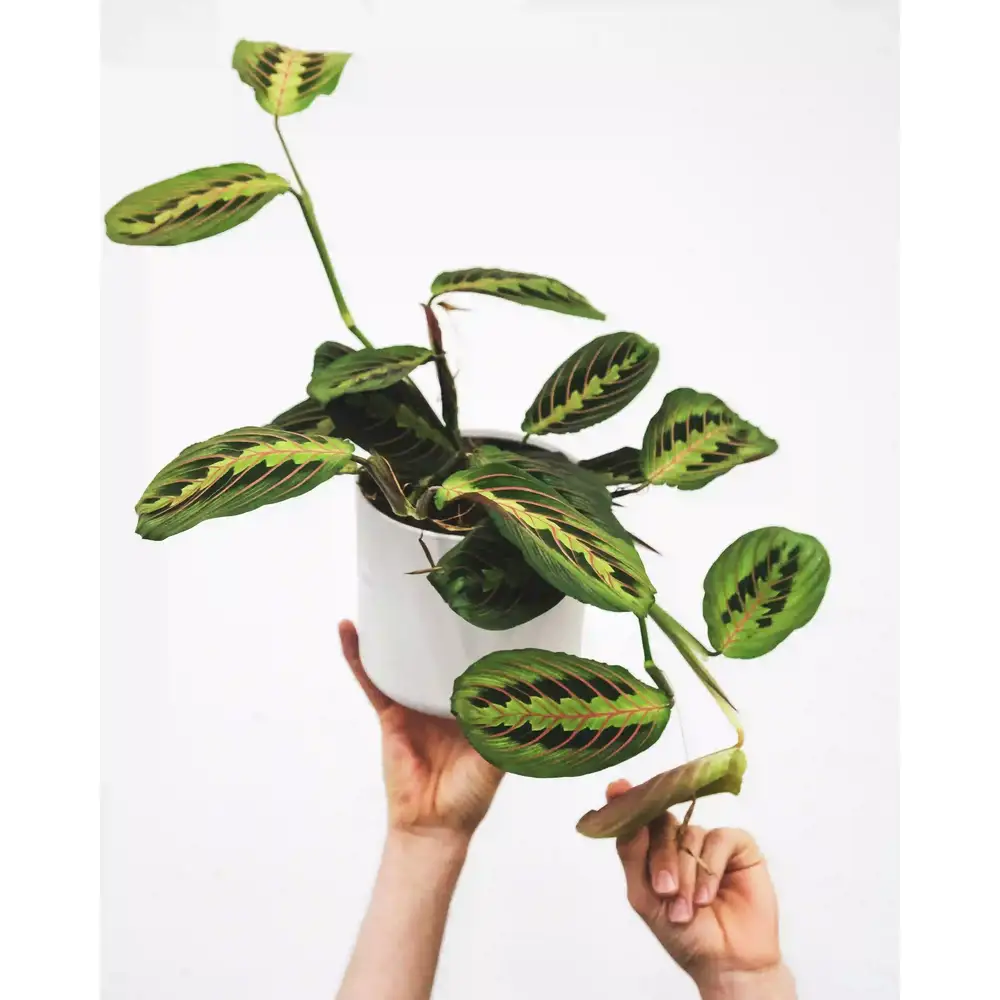
Choose a healthy Prayer Plant with full, well-patterned foliage, active new growth, and a stable central clump. Leaves should have the expected green, red, cream, lime, or burgundy markings for the cultivar without widespread yellowing, severe curling, bleached patches, or extensive crispy edges. A few cosmetic imperfections can occur on humidity-sensitive foliage, but avoid plants showing broad decline.
Inspect the potting mix and roots carefully. A healthy Prayer Plant should be growing in a moisture-retentive but well-drained medium, not in soil that smells sour or remains permanently saturated. Check the leaf undersides, stems, and new growth for spider mites, mealybugs, webbing, stippling, sticky residue, or cottony clusters. Also examine the root zone for signs of rot before buying.
For U.S. homes, consider where the plant will live before purchase. Prayer Plants perform best where they can receive medium to bright indirect light, warm temperatures above about 60°F, stable moisture, and higher indoor humidity. If your home becomes very dry during winter heating season, plan for a humidifier or a naturally more humid room. Confirm the cultivar name as well, because popular forms such as red-veined Prayer Plant, ‘Lemon Lime,’ ‘Fascinator Tricolor,’ ‘Silver Band,’ and rabbit-track types differ significantly in foliage color and pattern.
Buying Checklist
Healthy Patterned Leaves
Choose foliage with strong natural patterning, good color, and no widespread yellowing, severe curling, bleaching, or large crispy areas.
Healthy Crown & Roots
The plant should sit firmly in its pot with no obvious soft crown, sour-smelling soil, or dark mushy roots.
Moist but Well-Drained Mix
Choose a plant in a container with drainage holes and potting mix that is evenly moist rather than waterlogged or bone-dry.
No Visible Pests
Inspect leaf undersides and new growth for spider mites, mealybugs, webbing, stippling, sticky residue, or cottony material.
Correct Cultivar
Confirm the cultivar name so the leaf pattern, mature spread, and coloration match the Prayer Plant you want to grow.
Frequently Asked Questions
Prayer Plant can suit an attentive beginner, but it is less forgiving than drought-tolerant houseplants. Consistent moisture, indirect light, warm temperatures, and adequate humidity are the main requirements.
Medium to bright indirect light is ideal. Strong direct sunlight can bleach or scorch the patterned leaves, while very low light can weaken growth and reduce color.
Do not rely on a fixed schedule. Keep the potting mix evenly moist during active growth and water when the surface begins to feel slightly dry. Reduce watering somewhat during winter while avoiding prolonged complete dryness.
Prayer Plants are generally considered non-toxic to cats and dogs. Even with non-toxic plants, discourage pets from repeatedly chewing foliage because large amounts of plant material can still upset the stomach.
The leaves naturally change position between day and night, rising into a prayer-like posture after dark. This daily movement is a normal characteristic of Prayer Plants and does not indicate wilting by itself.
Low humidity, inconsistent moisture, excess fertilizer salts, or mineral-sensitive foliage can contribute to brown tips. Review humidity, watering, fertilizer use, and water quality rather than simply watering more often.
Division is a dependable method. Separate a healthy rooted section of the rhizomatous clump during repotting and place it in fresh moist, well-drained potting mix. Stem cuttings can also be used on suitable growth.
Related Plants
Explore Similar Indoor Plants
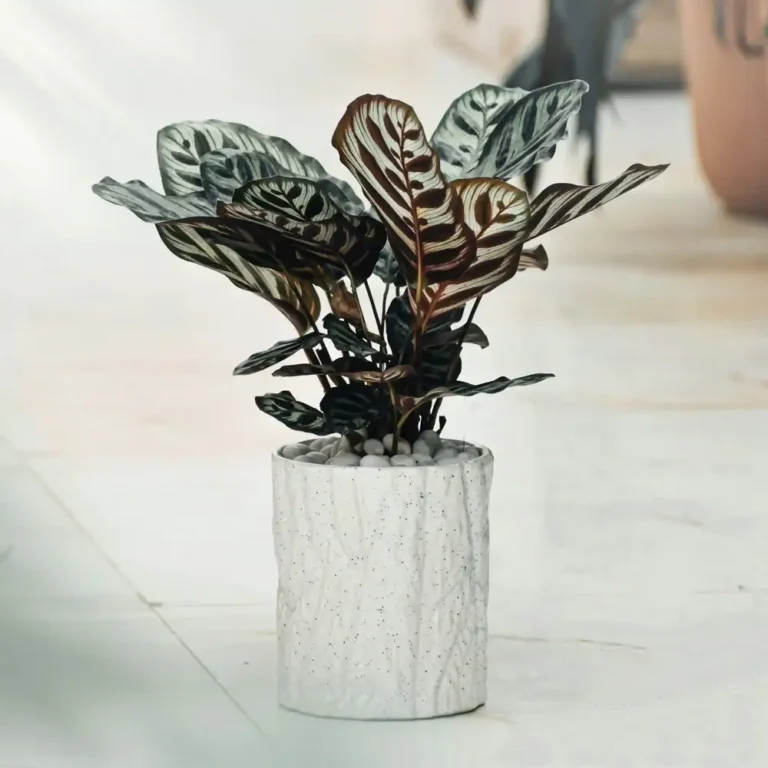
Prayer Plant Family
Pet-Friendly Plant
Fern