
Kalanchoe Care: Reblooming, Watering & Flowering Guide
- Home
- Indoor Plants
- Kalanchoe
- Flowering Succulent Houseplant
Evergreen Flowering Succulent
Care + Buying Guide
Kalanchoe Care
Kalanchoe Care is easiest when the plant receives bright light, fast drainage, and a chance to dry slightly between waterings. The common florist kalanchoe (Kalanchoe blossfeldiana) stores water in its thick leaves, so constantly wet soil is a greater risk than brief dryness. Keep it in a bright window, protect it from frost and cold drafts, and remove spent flowers after the display fades. To encourage another bloom cycle, give the plant several weeks of long, uninterrupted nights in fall or winter. This combination of succulent-style watering and short-day flowering care keeps the plant compact, healthy, and more likely to rebloom.
POPULAR FLOWERING PLANT
🌸 Long-Lasting Flower Clusters
☀️ Bright Indoor Light
🪴 Compact Succulent Growth
🌙 Short-Day Bloomer

Care Guide

About Kalanchoe
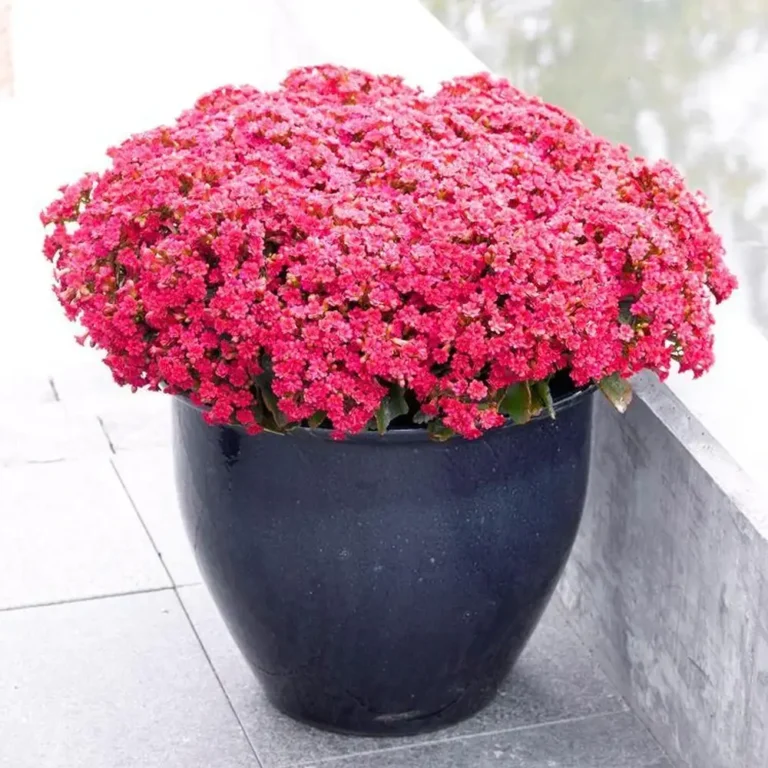
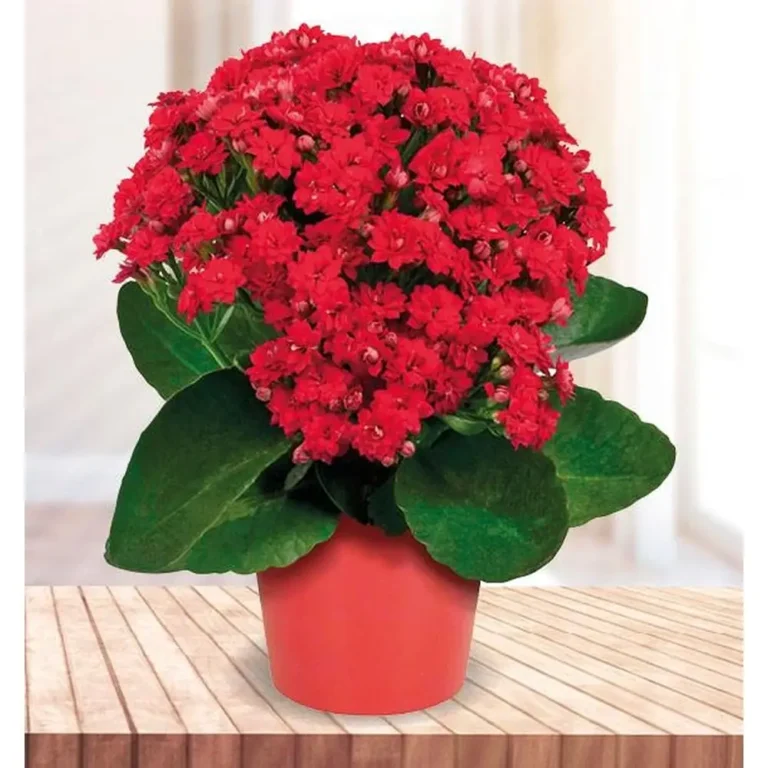
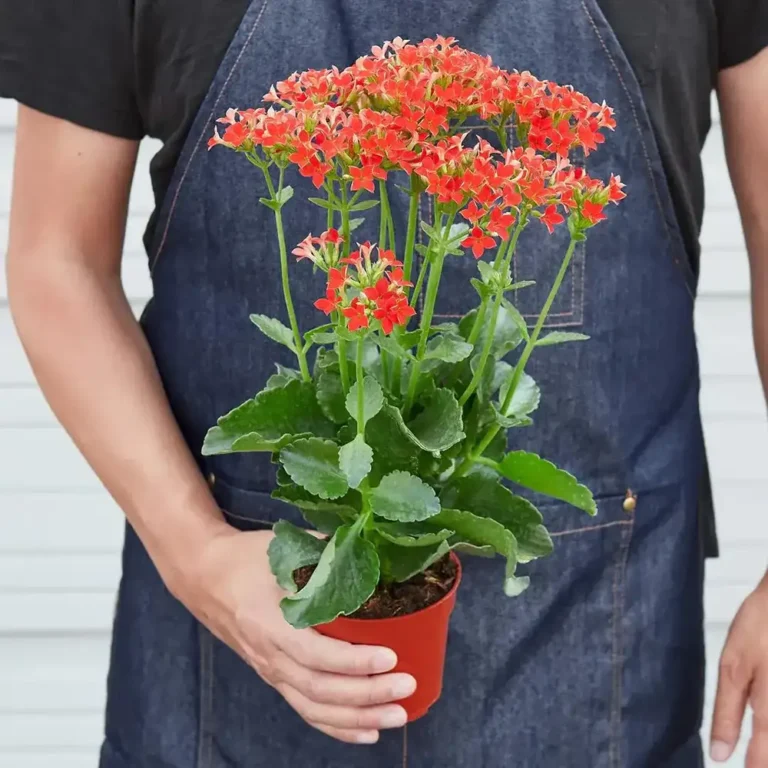
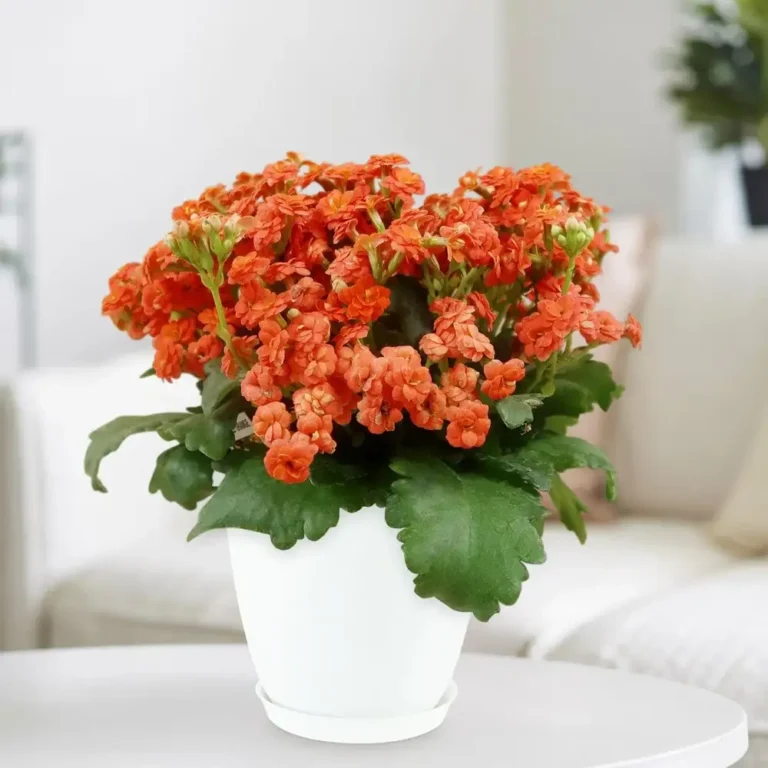
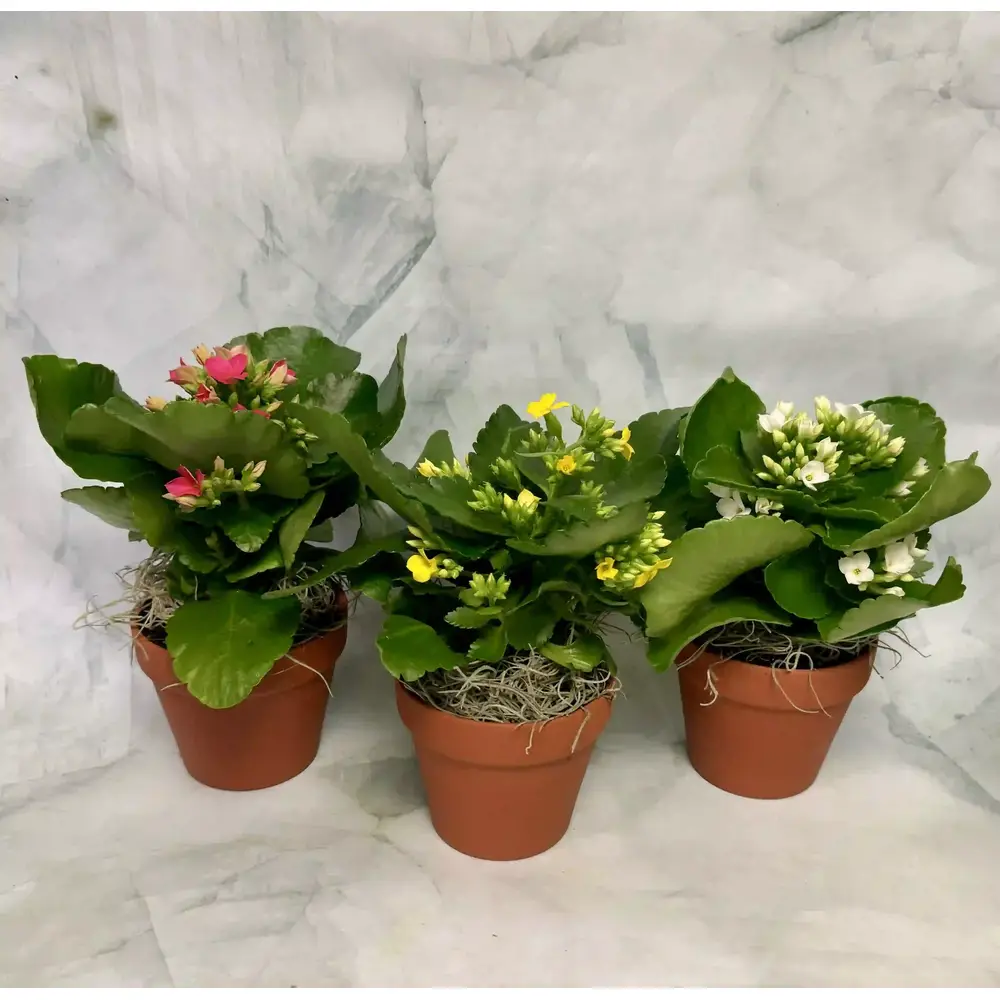
Kalanchoe is a diverse succulent genus, but the plant most often sold in U.S. garden centers as a flowering houseplant is Kalanchoe blossfeldiana, commonly called florist kalanchoe. It forms a compact, branched plant with thick, glossy, scalloped leaves and dense clusters of small flowers in red, pink, orange, yellow, white, and other cultivated shades.
Unlike desert cacti, florist kalanchoe appreciates regular watering during active growth, but its succulent leaves make excellent drainage essential. Letting the potting mix dry slightly before watering helps prevent the soft growth and root problems associated with constantly wet soil. Bright indoor light supports a compact shape and stronger flowering, while weak light can lead to stretched stems.
A major part of successful Kalanchoe Care is understanding its flowering cycle. The plant responds to long nights, so reblooming usually requires several weeks of uninterrupted darkness each day before flower buds develop. This makes it both an easy foliage plant and a rewarding seasonal bloomer.
Plant Information
Difficulty
Easy to Moderate
Light
Bright Indirect to Gentle Sun
Water
Dry Slightly Between Waterings
Humidity
Low to Average Household
Temperature
60–70°F Preferred
Growth Rate
Slow to Moderate
Pet Friendly
No
Indoor Height
6–18 in Typical
Repotting
After Bloom or When Crowded
Native Range
Northeastern Madagascar
History of Kalanchoe
The florist kalanchoe has its natural origin in northeastern Madagascar, where Kalanchoe blossfeldiana grows as a succulent subshrub in a seasonally dry tropical environment. Robert Blossfeld, a German nurseryman, helped bring the species into European horticulture in the early 1930s, and the plant was formally published under its accepted botanical name in 1934. The species name blossfeldiana commemorates Blossfeld.
Its compact habit, durable leaves, and colorful winter-to-spring flowers quickly made it useful as a potted ornamental. Breeding and selection expanded the range of flower colors and forms, including modern double-flowered types, while commercial growers learned to control bloom timing through day length.
That short-day response remains central to modern home growing. In the United States, kalanchoe is widely sold as a seasonal flowering plant, especially from winter into spring, but it can be kept for years. With bright light, careful watering, post-bloom pruning, and a controlled long-night period, many plants can be encouraged to flower again rather than being treated as disposable gift plants.
Plant Specifications
Botanical Name
Kalanchoe blossfeldiana Poelln.
Family
Crassulaceae
Plant Type
Flowering Succulent Subshrub
Growth Habit
Compact, Upright, Branched
Indoor Height
6–18 in Typical
Light Requirement
Bright Indirect Light to Gentle Sun
Watering
Dry Slightly, Then Water Thoroughly
Humidity
Low to Average Household
Temperature
About 60–70°F Preferred
Soil
Fast-Draining Succulent Potting Mix
USDA Hardiness
Zones 10–12 Outdoors
Repotting
After Bloom or When Pot-Bound
Pet Safety
Toxic to Cats & Dogs
Native Range
Northeastern Madagascar
Kalanchoe Care Guide
These practical guidelines focus on florist kalanchoe, the compact flowering species most commonly sold as a U.S. houseplant. Good drainage, bright light, and proper long-night treatment are the keys to healthy growth and repeat flowering.
Light & Placement
Place florist kalanchoe in bright indirect light or gentle direct sun. An east window works well, while a bright south or west exposure may need protection from intense afternoon sun.
Low light often causes stretched, weak growth and fewer flowers. If moving the plant outdoors for summer, acclimate it gradually and use a bright, lightly shaded position to reduce leaf scorch.
Watering & Drainage
Water thoroughly, then allow the potting mix to dry slightly before watering again. Empty drainage saucers and decorative cachepots so the roots do not remain in standing water.
Succulent leaves store moisture, so overwatering is a common problem. Water use slows in cool or low-light conditions, making calendar-based watering less reliable than checking the soil first.
Soil & Repotting
Use a fast-draining cactus or succulent potting mix in a container with open drainage holes. The root zone should hold some moisture but release excess water quickly.
Repot after flowering or when the roots become crowded. Move only one pot size larger; an oversized container can stay wet for too long and increase the risk of root rot.
Temperature & Humidity
Around 60°F at night and 70°F during the day is a useful indoor target. Cool nights can help flowers last, while frost and prolonged cold can damage the plant.
Average household humidity is generally adequate. Keep the plant away from freezing windows and strong HVAC drafts, and bring summer plants indoors before temperatures fall to about 45°F.
Fertilizer
Feed actively growing plants about once a month with a balanced houseplant fertilizer used according to the product label. Avoid pushing soft growth with excessive fertilizer, especially when light is weak.
Reduce feeding after flowering or during slower winter growth, then resume when active new growth is visible.
Deadheading & Reblooming
Remove faded flower clusters and trim overly tall stems after blooming to keep the plant compact. For reblooming, provide about 14–16 hours of uninterrupted darkness each day for roughly six weeks, while giving bright light during daytime hours.
Night temperatures above about 80°F can delay flower development. Once flower buds are clearly visible, strict long-night treatment is no longer necessary.
Common Kalanchoe Problems
Most florist kalanchoe problems trace back to excess moisture, weak light, temperature stress, or an interrupted flowering schedule. Check the soil, drainage, light exposure, and recent environmental changes before adjusting care.
Kalanchoe Not Reblooming
If a healthy plant grows leaves but does not set buds, it may not be receiving enough uninterrupted darkness. Provide about six weeks of long nights, keep daytime light bright, and avoid very warm nights during the bud-setting period.
Leggy or Stretched Growth
Long spaces between leaves and weak stems usually indicate insufficient light. Move the plant gradually to a brighter window and prune stretched growth after flowering to encourage a denser shape.
Yellow or Soft Leaves
Yellowing combined with soft tissue or persistently wet soil often points to overwatering or poor drainage. Let the mix dry more between waterings and confirm that water can escape freely from the pot.
Root Rot
Dark, mushy roots, a soft stem base, or sour-smelling wet soil indicate serious root stress. Remove damaged tissue, repot into fresh fast-draining mix, and correct the watering routine before rot spreads.
Mealybugs, Aphids & Scale
Inspect leaf joints, stem bases, and flower clusters for cottony mealybugs, aphids, or brown scale. Isolate affected plants and treat infestations promptly so pests do not spread through an indoor collection.
Leaf Scorch
Bleached, tan, or dry patches can appear when a shade-grown plant is moved suddenly into strong direct sun. Shift it to bright filtered light and increase sun exposure gradually if stronger light is desired.
How to Choose a Healthy Kalanchoe
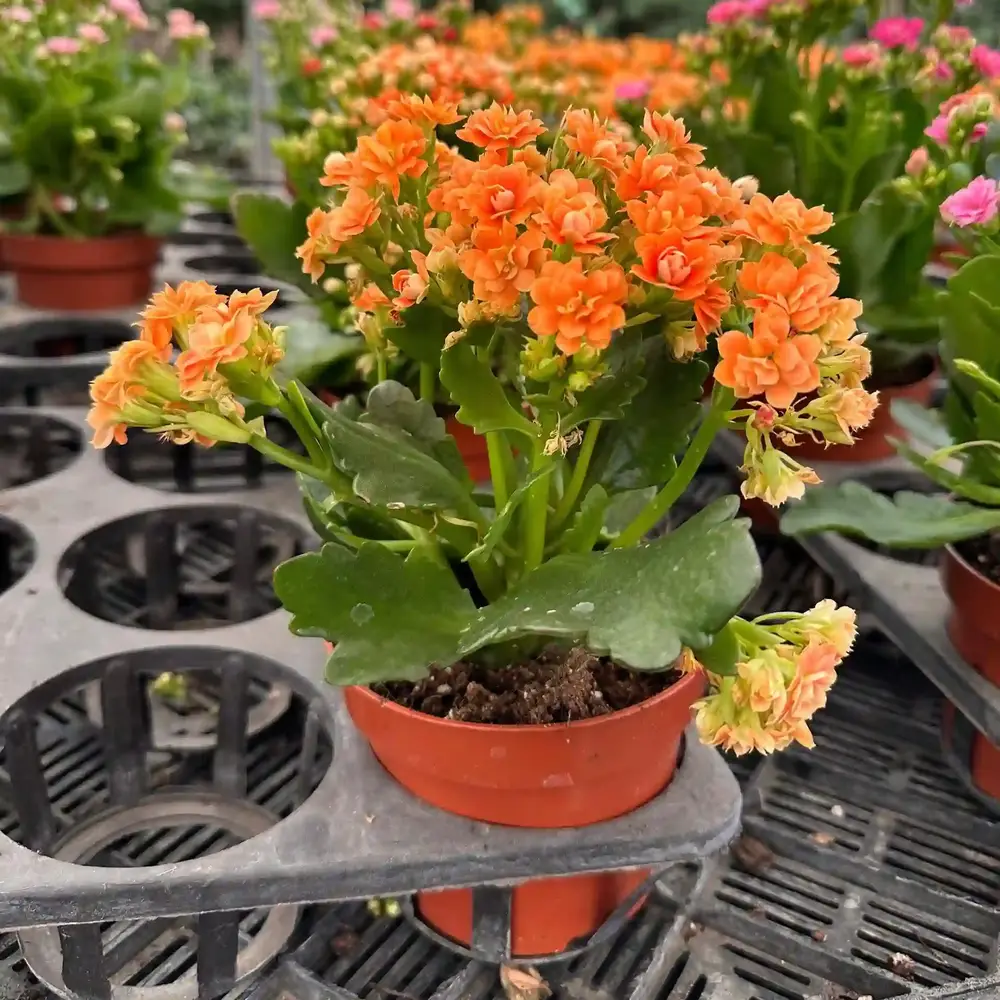
Choose a compact plant with firm, thick leaves, strong stems, and evenly colored foliage. A flowering kalanchoe should have a mixture of open blooms and unopened buds rather than a display that is already completely spent. Avoid plants with soft yellow leaves, blackened stem bases, waterlogged soil, or a sour smell from the pot, as these can indicate overwatering and root problems.
Inspect closely around flower clusters and leaf joints for mealybugs, aphids, or scale. Check that the container has drainage and that the potting mix is not dense and permanently wet. If you want a plant to keep beyond its first bloom cycle, healthy foliage and a balanced compact shape matter more than buying the plant with the greatest number of open flowers.
Also confirm the label. Kalanchoe blossfeldiana is the common florist type covered by this guide, while other Kalanchoe species can have very different sizes, leaf shapes, propagation habits, and outdoor hardiness. Double-flowered cultivars may be sold under branded series, but their basic indoor care remains similar.
Buying Checklist
Compact Healthy Growth
Choose sturdy stems with firm leaves and a balanced shape rather than stretched, weak growth.
Buds + Open Flowers
A mix of unopened buds and fresh blooms usually gives a longer display after purchase.
Dry, Well-Drained Mix
Avoid pots with saturated soil, standing water, or signs of a soft rotting stem base.
No Visible Pests
Inspect flower clusters, leaf joints, and stems for mealybugs, aphids, and scale insects.
Correct Kalanchoe Type
Check the label because florist kalanchoe and other Kalanchoe species can differ substantially in growth and care.
Frequently Asked Questions
Water when the potting mix has dried slightly, then soak the soil thoroughly and let excess water drain away. Do not keep the roots constantly wet, and expect the plant to use less water in cool or low-light conditions.
Bright indirect light is ideal, with some gentle direct sun often beneficial. Weak light can cause stretched growth and fewer flowers, while sudden intense afternoon sun can scorch leaves.
Give the plant bright daytime light and about 14–16 hours of uninterrupted darkness each night for roughly six weeks. Once visible flower buds have formed, the strict long-night schedule can stop.
Leggy growth usually develops when the plant does not receive enough light. Move it gradually to a brighter location and trim stretched stems after flowering to encourage compact new growth.
Yes. Removing spent flower clusters keeps the plant tidy and lets you prune back overly tall stems after the bloom period. Healthy post-bloom growth also prepares the plant for a later reblooming cycle.
Yes, after frost danger has passed. Acclimate it gradually to a bright, lightly shaded outdoor position, protect it from prolonged rain and harsh afternoon sun, and bring it indoors before temperatures fall to about 45°F.
Yes. Kalanchoe species are considered toxic to cats and dogs. Keep the plant where pets cannot chew the leaves or flowers, and contact a veterinarian or animal poison service if ingestion is suspected.
Related Plants
Explore Similar Indoor Plants
Crassula
Schlumbergera
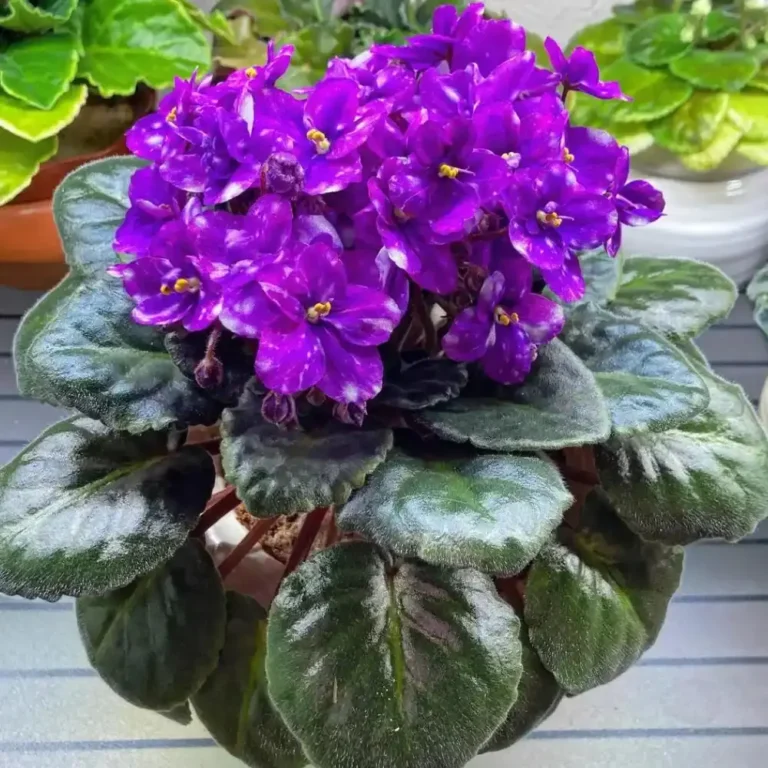
African Violet
