Monstera Plant Care Guide: Water & Healthy Growth
- Home
- Indoor Plants
- Monstera Plant
- Tropical Houseplant
Beginner-Friendly
Climbing Aroid
Monstera Plant Care for Healthy Growth and Bigger Leaves
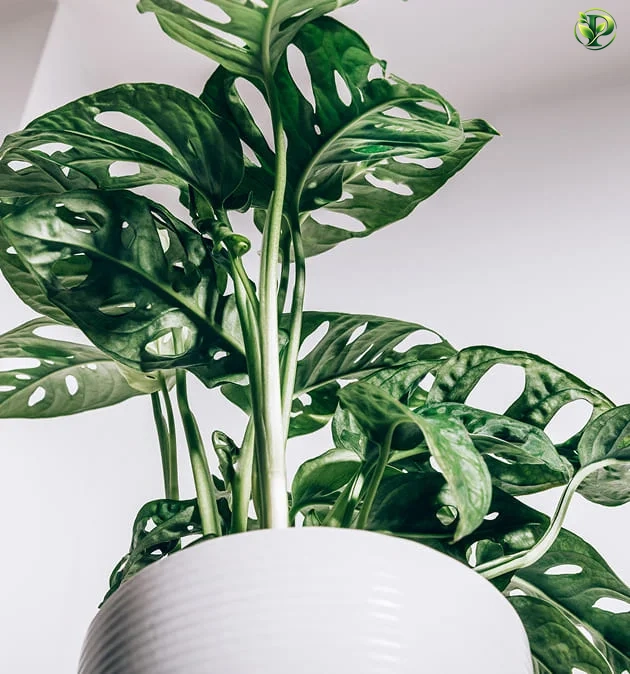
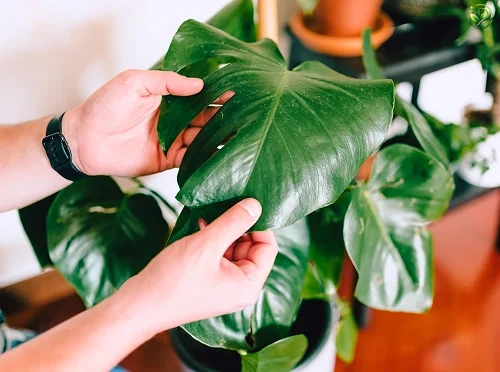
Monstera is one of the most recognizable tropical houseplants, known for its large glossy leaves and distinctive natural splits called fenestrations. With the right balance of bright indirect light, proper watering, warm temperatures, and an airy potting mix, Monstera plant care can help the plant grow into an impressive indoor statement plant.
Successful Monstera plant care begins with understanding how the plant grows in nature. Monstera is a climbing aroid that develops aerial roots and benefits from support such as a moss pole, coir pole, or sturdy stake. As the plant matures and receives adequate light, its leaves can become larger and develop deeper splits and holes.
Avoid keeping Monstera in constantly wet soil. Allow part of the potting mix to dry between waterings and always use a container with good drainage.
POPULAR TROPICAL HOUSEPLANT
🌿 Large Fenestrated Leaves
☀️ Bright Indirect Light
💧 Moderate Watering
🪴 Climbing Growth Habit

Care Guide
About Monstera
Monstera is a genus of tropical flowering plants in the Araceae family. The best-known species grown indoors is Monstera deliciosa, often called the Swiss cheese plant because mature leaves develop characteristic splits and openings.
In its natural habitat, Monstera grows as a climbing plant beneath tropical forest canopies. Young plants often begin near the forest floor and climb trees using aerial roots as they search for brighter light.
Indoors, Monstera can develop into a large floor plant when given sufficient light, room to grow, and vertical support. Juvenile leaves are usually smaller and more solid, while mature plants can produce much larger leaves with increasingly dramatic fenestrations.
Monstera is relatively adaptable compared with many tropical houseplants, but strong growth depends on consistent care rather than excessive watering or fertilizer.
Plant Information
Difficulty
Easy to Moderate
Light
Bright Indirect Light
Water
When Top Soil Begins to Dry
Humidity
Moderate to High
Temperature
65–85°F
Growth Rate
Moderate to Fast
Pet Friendly
No — Toxic if Chewed
Indoor Size
Commonly 6–10+ ft
Repotting
Every 1–2 Years or As Needed
Native Range
Southern Mexico to Central America
History of Monstera
Monstera plants are native to tropical regions of the Americas, particularly areas of southern Mexico and Central America. In their natural environment, they grow beneath warm, humid forest canopies and climb surrounding trees in search of improved light.
Monstera deliciosa was introduced into cultivation outside its native range and eventually became popular as an ornamental tropical plant. Its unusual leaves, vigorous climbing habit, and ability to adapt to indoor environments helped establish it as one of the world’s most recognizable houseplants.
The name Monstera refers to the unusually large or remarkable appearance of mature plants, while deliciosa refers to the edible fruit produced by mature plants under suitable outdoor conditions. Although fruiting is uncommon indoors, the plant’s foliage has become highly valued in interior design and houseplant collections.
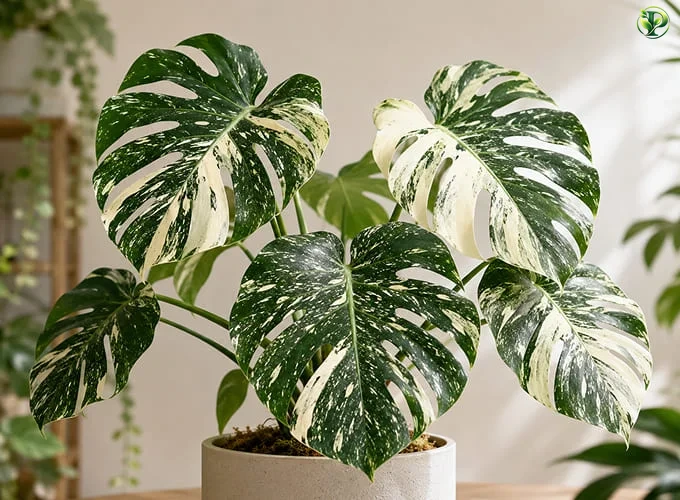
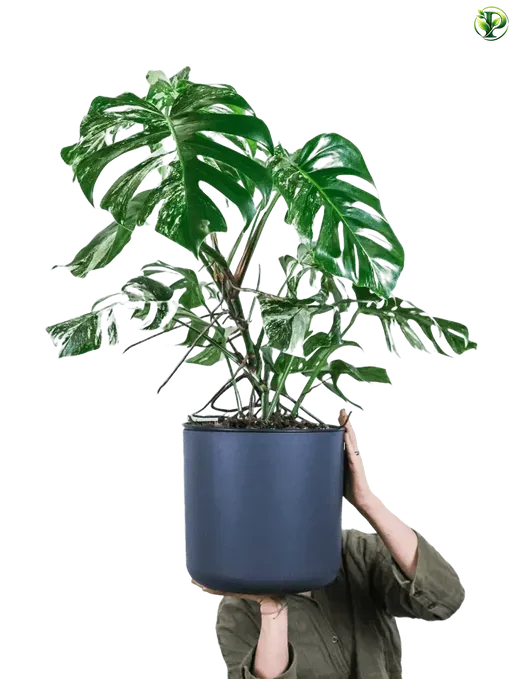
Modern Monstera cultivation includes the classic green Monstera deliciosa as well as variegated forms such as Monstera Albo and Monstera Thai Constellation, which require similar basic care but often grow more slowly because of reduced chlorophyll.
Plant Specifications
Botanical Name
Monstera deliciosa
Family
Araceae
Plant Type
Tropical Evergreen Climbing Aroid
Growth Habit
Climbing / Vining
Indoor Size
Approximately 6–10+ ft with Support
Light Requirement
Bright Indirect Light
Watering
Allow Upper Soil Layer to Dry
Humidity
Moderate to High
Temperature
About 65–85°F
Soil
Airy, Well-Draining Aroid Mix
USDA Hardiness
Generally Zones 10–12 Outdoors
Repotting
Usually Every 1–2 Years or As Needed
Pet Safety
Toxic to Cats & Dogs if Ingested
Native Range
Southern Mexico to Central America
Indoor Monstera Plant Care & Growing Guide
Healthy Monstera growth depends on bright filtered light, proper drainage, moderate watering, warm temperatures, and enough space for the plant to climb. Providing support can also encourage larger, more mature foliage.
Light Requirements & Placement
Monstera grows best in bright indirect light. Place it near a bright east-, south-, or west-facing window where intense midday sun is filtered through a sheer curtain when necessary.
Too little light may lead to slower growth, smaller leaves, long spaces between leaves, and reduced fenestration. Some gentle direct morning sun can be tolerated, but suddenly exposing an indoor Monstera to strong direct sunlight can scorch the foliage. Rotate the plant occasionally to encourage more balanced growth.
Monstera Watering
Water Monstera when the upper portion of the potting mix begins to dry. For many indoor plants, checking approximately the top 1–2 inches of soil provides a useful starting point, although drying speed varies with pot size, light, season, and temperature.
Water thoroughly until excess water drains from the bottom of the pot. Avoid allowing Monstera to remain continuously saturated because prolonged wet conditions can contribute to root rot. Reduce watering frequency when growth slows during cooler or darker months.
Soil & Repotting
Monstera prefers a loose, well-draining growing medium that provides both moisture retention and root aeration. A suitable mix may include quality indoor potting soil combined with materials such as orchid bark, perlite, pumice, or coco coir.
Repot when roots become heavily crowded, begin circling the container, or grow extensively through the drainage holes. Move up only one pot size at a time to reduce the risk of keeping excess soil wet for too long.
Temperature & Humidity
Monstera prefers warm indoor conditions, generally around 65–85°F. Protect the plant from cold drafts, air-conditioning vents, heaters, and sudden temperature changes.
Average household humidity can be adequate, but Monstera often grows more vigorously with moderate to higher humidity. If leaf edges become brown, evaluate watering consistency, humidity, fertilizer buildup, and root health rather than assuming humidity is the only cause.
Fertilizer & Feeding
Feed actively growing Monstera with a balanced houseplant fertilizer according to the product label. Spring and summer are commonly the most active growth periods indoors.
Avoid excessive fertilizer because salt accumulation can damage roots and cause brown leaf tips or margins. If using liquid fertilizer, applying it to already moist soil can help reduce the risk of root irritation.
Pruning, Training & Propagation
Prune Monstera to remove yellow, damaged, or unwanted growth. Clean cutting tools before use. Because Monstera naturally climbs, provide a moss pole, coir pole, plank, trellis, or sturdy stake for support.
Aerial roots may be directed toward the support or into the potting mix rather than routinely removing them. Monstera can be propagated from stem cuttings containing at least one node. A leaf without a node cannot produce a complete new Monstera plant.
Common Monstera Problems & Fixes
Most Monstera problems are connected to watering, light, drainage, humidity, temperature, pests, or root health. Diagnose the growing conditions before applying treatment.
Yellow Leaves
Yellow Monstera leaves can result from overwatering, poor drainage, insufficient light, root stress, nutrient problems, or normal aging of older foliage.
If several leaves turn yellow while the soil remains wet, inspect the watering routine and root condition first.
Root Rot & Soft Stems
Root rot is usually associated with prolonged wet conditions and insufficient oxygen around the roots. Warning signs may include yellowing leaves, wilting despite wet soil, black or mushy roots, slow growth, or a sour smell from the potting mix.
Remove badly damaged roots and improve drainage when necessary.
Brown Tips & Leaf Edges
Brown or crispy leaf edges can be associated with inconsistent watering, very dry air, fertilizer salt buildup, excessive heat, or root stress.
Check the complete care routine before increasing watering.
Leaf Curling
Monstera leaves may curl because of dry soil, low humidity, heat stress, excessive sunlight, root problems, or pest activity.
Check soil moisture and inspect the leaves carefully before making major changes.
No Fenestrations
Young Monstera plants naturally produce solid leaves. If an older plant continues producing small leaves without splits, insufficient light, lack of climbing support, or immature growth may be contributing factors.
Providing brighter indirect light and vertical support can encourage more mature growth over time.
Spider Mites, Thrips & Other Pests
Monstera can occasionally develop spider mites, thrips, scale insects, or mealybugs. Inspect leaf undersides, stems, petioles, and new growth regularly.
Isolate affected plants and choose a treatment appropriate for the identified pest.
How to Choose a Healthy Monstera
When buying a Monstera, inspect the entire plant rather than selecting it only for the largest leaves. Choose a plant with firm stems, healthy green foliage, active new growth, and leaves free from extensive yellowing, brown patches, or physical damage.
Check leaf undersides and stem joints carefully for thrips, spider mites, scale, mealybugs, webbing, sticky residue, or unusual scarring. Inspect the soil as well. Avoid plants sitting in extremely wet, foul-smelling potting mix or containers without suitable drainage.
Mature fenestrated leaves can be attractive, but younger plants with solid leaves can still develop impressive foliage as they mature. Consider the amount of available space before buying. Monstera can become a large indoor plant and often benefits from vertical support as it grows.
Buying Checklist
Healthy Foliage
Choose leaves with strong natural color and avoid plants with widespread yellowing, severe browning, or unexplained damage.
Strong New Growth & Stems
Look for firm stems, healthy developing leaves, and active new growth without extensive scarring or deformation.
Healthy Roots & Drainage
When visible, roots should be firm rather than black or mushy, and the nursery container should allow excess water to drain freely.
Pest-Free Plant
Check leaf undersides, petioles, stems, and new growth for spider mites, thrips, mealybugs, scale, webbing, or sticky residue.
Right Plant for Your Home
Consider mature size, climbing support, available light, and pet safety. Variegated Monsteras also need enough green tissue to support healthy growth.
Monstera Plant Care FAQs
Water when the upper portion of the potting mix has dried. Avoid following a rigid schedule because drying speed changes with light, temperature, season, pot size, and humidity.
Monstera generally grows best in bright indirect light. Gentle morning sun may be tolerated, but intense direct sunlight can scorch leaves if the plant is not acclimated.
Yellow leaves may be caused by overwatering, poor drainage, insufficient light, root problems, nutrient issues, or natural aging.
Maturity, sufficient bright light, healthy roots, and vertical climbing support can help Monstera produce larger leaves with more fenestrations.
A moss pole or other sturdy vertical support can help mimic the plant’s natural climbing habit and may encourage larger mature foliage.
Yes. Monstera contains insoluble calcium oxalate crystals and can cause oral irritation if chewed or swallowed by pets.
They can be trimmed if necessary, but they are a natural part of the plant. Whenever practical, guide them toward the growing medium or climbing support.
Under favorable light, warmth, nutrition, and root conditions, Monstera can grow moderately to quickly during active growth periods.
Related Plants
Explore Similar Indoor Plants
Philodendron
Pothos

Alocasia