Bromeliad Care: Pups, Watering & After-Bloom Guide
- Home
- Indoor Plants
- Bromeliad
- Colorful Tropical Houseplant
Rosette-Forming Tropical Perennials
Care + Buying Guide
Bromeliad Care
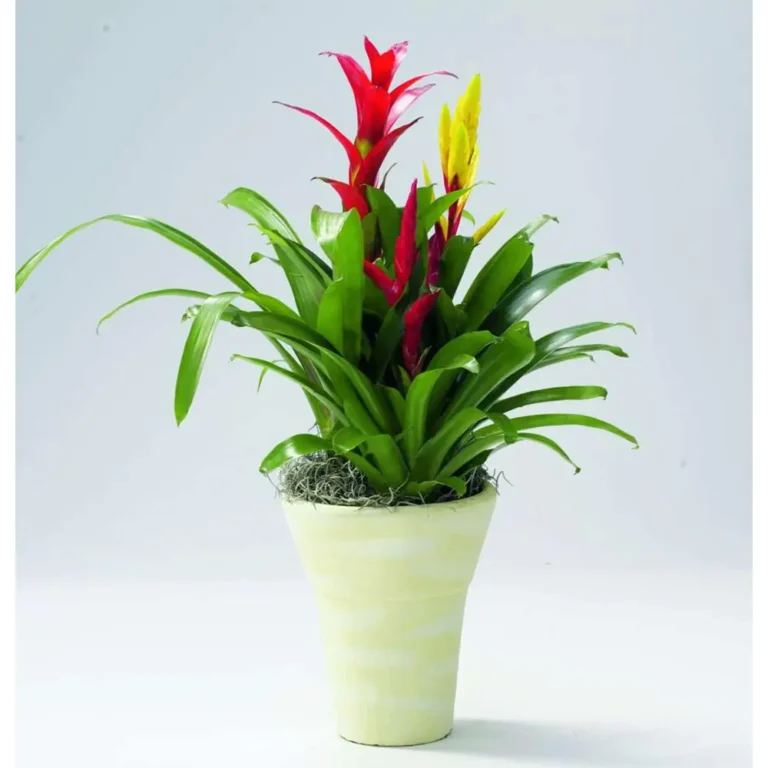
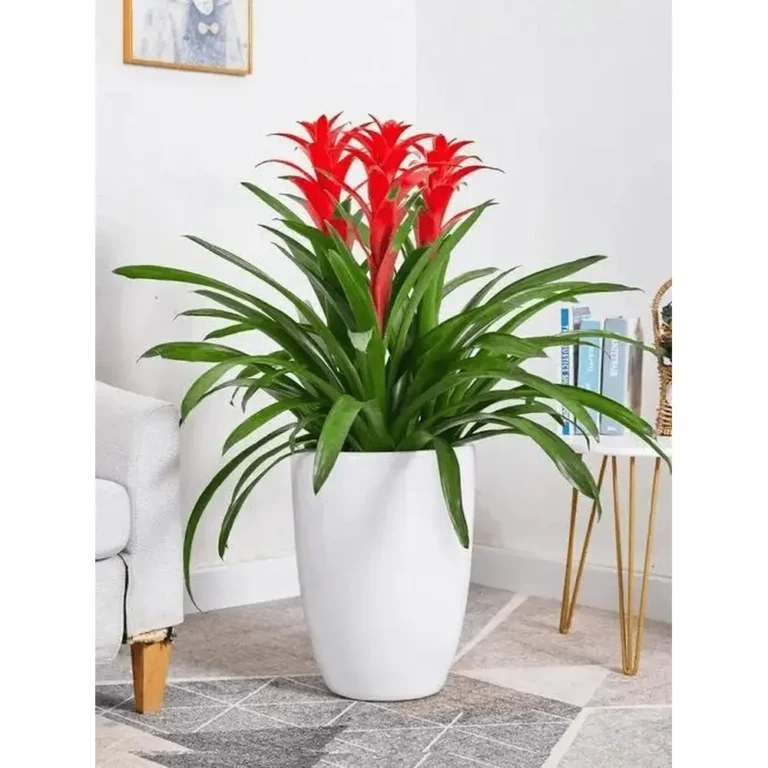
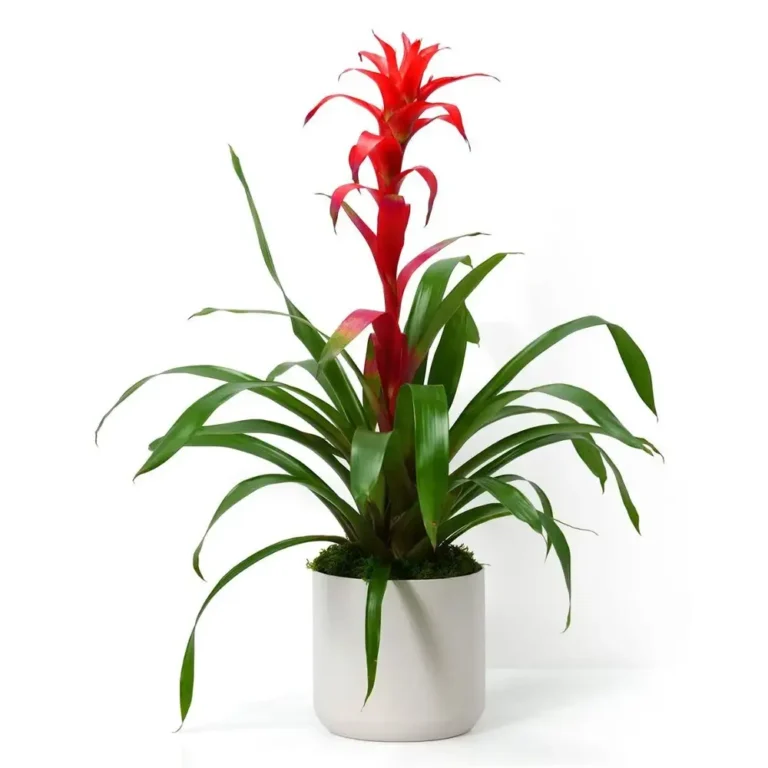
Bromeliad Care depends on the type you own, but most common indoor bromeliads prefer bright, diffused light, warm rooms, good airflow, and a porous potting mix that never stays waterlogged. Tank-forming types such as Guzmania, Aechmea, Neoregelia, and many Vriesea collect water in the central rosette, so refresh that cup regularly and keep the root zone lightly moist rather than soggy. Protect the plant from cold drafts and harsh midday sun, feed lightly during active growth, and expect the original rosette to decline naturally after flowering while new pups develop around its base.
TROPICAL FAVORITE
🌺 Colorful Bracts & Rosettes
☀️ Bright Diffused Light
🪴 Beginner Friendly
🌱 Produces Pups After Blooming


Care Guide
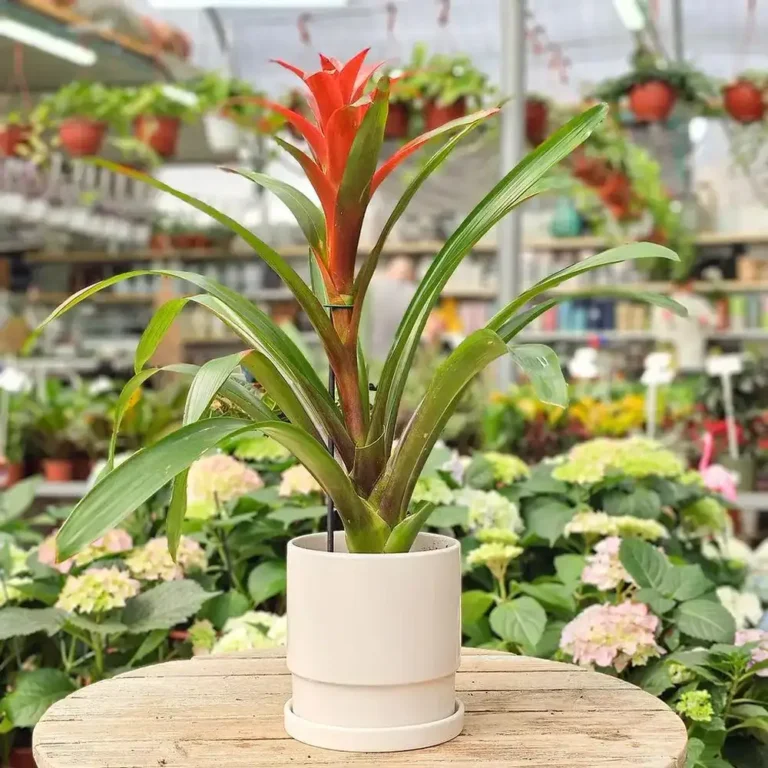
About Bromeliads
Bromeliads are members of the Bromeliaceae family, a large and unusually diverse group that includes colorful houseplants, air plants, Spanish moss, and even the pineapple. Most species come from tropical and subtropical parts of the Americas, and many grow as epiphytes on trees or rocks without taking nutrients from their host. Others are terrestrial and root directly into soil.
This Bromeliad Care page focuses mainly on the tank-forming types commonly sold in U.S. garden centers, including Guzmania, Aechmea, Neoregelia, and Vriesea. Their overlapping leaves form a central cup that can collect water and organic debris. These plants are prized for bold foliage and long-lasting colorful bracts rather than large true flowers.
Care varies by genus, so the plant label still matters. Air plants in Tillandsia, for example, need a different watering routine from potted tank bromeliads. Most indoor types remain compact, grow slowly, and produce offsets or “pups” that continue the plant after the mother rosette finishes flowering.
Plant Information
Difficulty
Easy to Moderate
Light
Bright Diffused; Type Dependent
Water
Refresh Tank; Keep Roots Airy
Humidity
Moderate to High Preferred
Temperature
65–80°F Preferred Indoors
Growth Rate
Slow to Moderate
Pet Friendly
Common Ornamentals: Generally Yes
Indoor Height
6 in–3 ft, Type Dependent
Repotting
Infrequent; Often for Pups
Native Range
Mostly Tropical & Subtropical Americas
History of Bromeliads
The bromeliad family, Bromeliaceae, was formally published by Antoine Laurent de Jussieu in 1789 and remains an accepted plant family today. Its name comes from the genus Bromelia, which Carl Linnaeus published in 1753. The genus name honors Swedish physician and botanist Olof Bromelius, linking the modern family name to early European botanical classification.
Bromeliads attracted horticultural interest because of their unusual rosette forms, epiphytic growth, vivid bracts, and ability to occupy habitats ranging from humid forests to comparatively dry environments. Pineapple became the family’s best-known crop, while Spanish moss and air plants demonstrated how different members of the same family could look and grow.
By the nineteenth and twentieth centuries, ornamental genera such as Aechmea, Guzmania, Neoregelia, and Vriesea became established greenhouse and houseplant subjects. In the United States they are now common indoor plants nationwide and outdoor ornamentals in warm climates such as Florida. Modern Kew taxonomy recognizes dozens of accepted genera, reinforcing why a broad bromeliad guide must account for substantial variation among types.
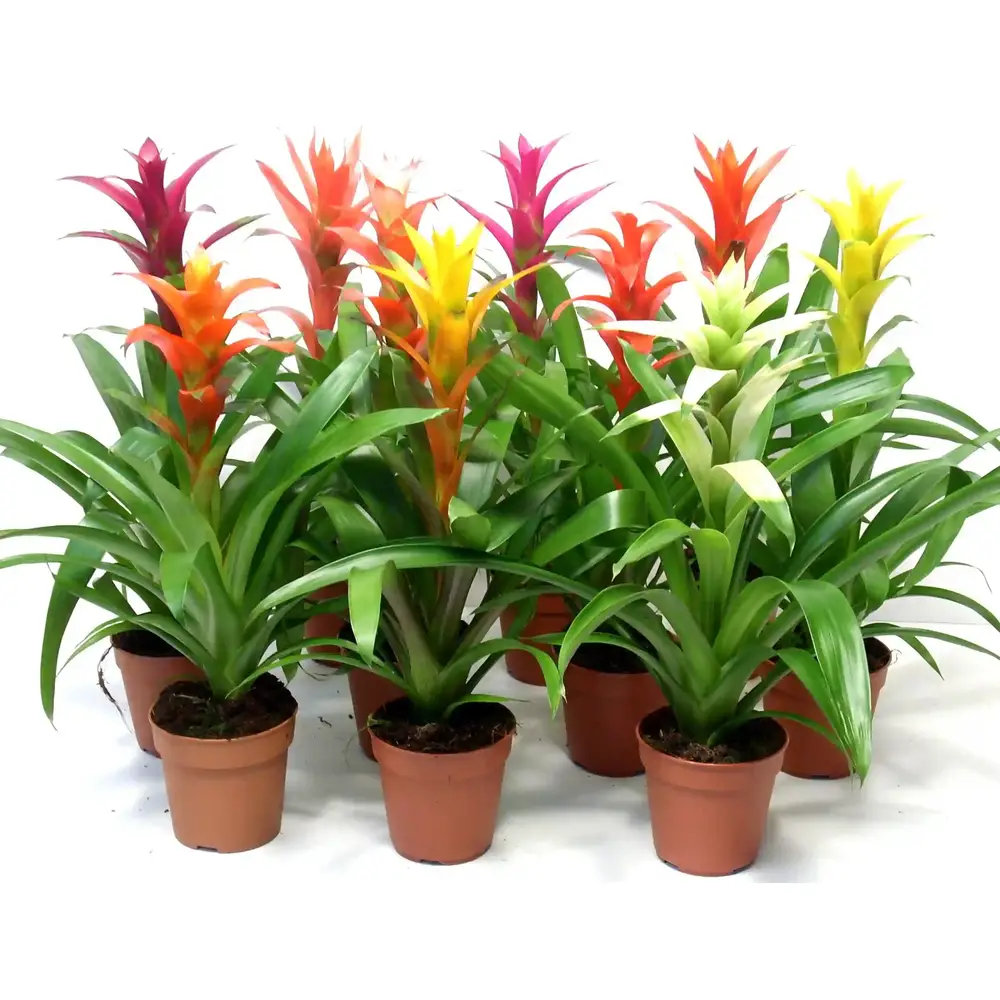
Plant Specifications
Botanical Group
Bromeliaceae spp.
Family
Bromeliaceae
Plant Type
Epiphytic or Terrestrial Perennial
Growth Habit
Rosette-Forming; Clumping by Pups
Indoor Size
6 in–3 ft Commonly, Type Dependent
Light Requirement
Bright Diffused Light; Genus Dependent
Watering
Refresh Tank; Avoid Soggy Roots
Humidity
Moderate to High Preferred
Temperature
65–80°F Preferred Indoors
Potting Mix
Light, Porous, Fast-Draining Mix
USDA Hardiness
Species Dependent; Many Tropical Types 10–12
Propagation
Offsets / Pups
Pet Safety
Many Common Types Non-Toxic; Verify Species
Native Range
Mostly Tropical & Subtropical Americas
Bromeliad Care Guide
Use these practical guidelines for common potted bromeliads, while remembering that tank-forming plants, air plants, and terrestrial bromeliads do not all use water and light in exactly the same way.
Light & Window Placement
Most common indoor bromeliads look best in bright, diffused light. An east-facing window or a bright south/west window filtered by a sheer curtain often works well in U.S. homes.
Pale or yellow-green foliage can signal excessive light, while very dark, soft, drooping growth may indicate too little. Increase light gradually rather than moving a shade-grown plant directly into strong summer sun.
Tank Water & Root Watering
For tank-forming bromeliads, rinse or refresh the central cup regularly with clean, lukewarm water so stale water and mineral salts do not accumulate. When watering, let fresh water run through the rosette and across the potting mix, then allow the container to drain well.
Do not keep the root zone constantly wet. The roots need air, and prolonged saturation is a common cause of bromeliad root rot.
Potting Mix & Repotting
Use a light, porous mix that drains quickly. Orchid bark, perlite, coarse peat or coir, and other airy ingredients are often more suitable than dense garden soil.
Many bromeliads have relatively small root systems and do not need frequent repotting. Repot mainly when the mix breaks down, the plant becomes unstable, or you separate and establish bromeliad pups.
Temperature & Humidity
Common tropical bromeliads are comfortable in warm household conditions, with roughly 65–80°F supporting steady indoor growth. Keep them away from freezing windows, cold entryways, and strong heating or AC vents.
Moderate to higher humidity helps foliage look its best. In dry U.S. winters, grouping plants or using a humidifier is more effective than occasional misting alone.
Fertilizer Without Salt Buildup
Bromeliads are light feeders. During active growth, use a diluted balanced fertilizer at about one-third to one-half label strength every month or two, depending on the plant and light level.
Apply fertilizer to the potting medium rather than the center tank. Fertilizer salts can collect in the cup and damage tender new leaves.
After Flowering & Bromeliad Pups
Most common bromeliad rosettes flower only once. After blooming, the mother plant slowly declines, but this is a normal part of the life cycle rather than a care failure.
Allow the developing pups to grow at the base. They can remain as a clump or be separated when they reach roughly half the size of the parent and have enough growth to establish on their own.
Common Bromeliad Problems
When a bromeliad changes color or starts declining, first identify whether the symptom is part of normal post-flowering aging or a true care problem involving drainage, light, pests, water quality, or temperature.
Flower or Bracts Turning Brown
Colorful bracts eventually fade and brown as the bloom ages. If the plant has already flowered for weeks or months, this is usually normal. Trim the spent flower stalk when it becomes unattractive, but continue caring for the mother rosette while pups develop.
Root or Crown Rot
Soft tissue, a sour smell, collapsing leaves, or persistently wet potting mix can indicate rot. Improve drainage, reduce root-zone watering, remove badly decayed material, and avoid letting water stagnate around the plant base.
Brown Leaf Tips
Brown tips may come from very dry air, fertilizer salts, mineral buildup, inconsistent watering, or old water sitting in the rosette. Flush the tank and potting mix with fresh water and review humidity and feeding before increasing irrigation.
Pale Leaves or Sun Scorch
Bleached, yellowish, or tan patches often develop when a shade-grown bromeliad receives too much direct sun. Move it back to bright filtered light and acclimate slowly if a brighter location is needed.
Pups Not Growing
Small offsets may develop slowly if the plant is immature, light is weak, or the mother rosette is still supporting them. Keep conditions warm and bright, avoid overwatering, and wait until pups are well established before separating them.
Scale & Mealybugs
Check leaf axils, the underside of leaves, and the crowded base for scale or white cottony mealybugs. Isolate affected plants and treat promptly, repeating inspections because pests can hide deep inside the rosette.
How to Choose a Healthy Bromeliad
When buying a bromeliad, first identify the genus if possible. Guzmania, Vriesea, Aechmea, and Neoregelia are all bromeliads, but their light tolerance, leaf texture, mature size, and watering details can differ. A clear nursery label makes long-term Bromeliad Care much easier than purchasing an unidentified plant based only on flower color.
Choose a plant with a firm, symmetrical rosette, healthy leaf color, and no sour smell or soft tissue at the base. Inspect the center cup and lower leaf axils for scale, mealybugs, decaying debris, or stagnant water. The potting medium should feel airy rather than dense and swampy. If you are buying for the long-lasting display, choose a plant whose bracts are still fresh and strongly colored rather than already browning at the edges.
Also look for healthy pups if you want the plant to continue after flowering. The mother rosette naturally declines after its bloom cycle, so offsets are an advantage rather than a defect. For homes with pets, common ornamentals such as some Guzmania and Neoregelia are listed as non-toxic by ASPCA, but verify the exact species on the label whenever possible.
Buying Checklist
Fresh Rosette & Bracts
Choose firm leaves and colorful bracts without widespread browning, collapse, or soft tissue.
Clean Center Cup
Avoid foul-smelling stagnant water, heavy debris, or obvious decay deep inside the rosette.
Airy Potting Mix
The root zone should drain freely and should not feel permanently saturated or packed with dense soil.
No Scale or Mealybugs
Inspect leaf axils, undersides, and the plant base for insects, sticky residue, or cottony material.
Correct Genus Label
Confirm the genus or species so you can match light, watering, mature size, and outdoor tolerance more accurately.
Frequently Asked Questions
Yes. Many commonly sold bromeliads are forgiving houseplants when they receive bright diffused light, warm temperatures, and excellent drainage. The most important step is learning whether your plant is a tank-forming bromeliad, an air plant, or a terrestrial type.
For tank-forming types such as many Guzmania, Aechmea, Neoregelia, and Vriesea, the central rosette naturally collects water. Refresh or flush that cup regularly with clean water rather than allowing stagnant water and salts to build up. Air plants and non-tank bromeliads need different watering methods.
Do not rely on a rigid calendar. UF/IFAS notes that common houseplant bromeliads may be watered roughly every week or two, but indoor frequency changes with light, temperature, potting mix, season, and genus. Keep roots airy and never leave the mix continuously soggy.
Colorful bromeliad bracts naturally fade and brown after the bloom matures. If the plant has been in color for a long period, browning is often normal aging rather than disease. Remove the spent flower stalk when needed and continue caring for the developing pups.
The individual mother rosette of many common bromeliads slowly declines after it flowers. The whole plant does not have to disappear, because new offsets or pups usually form around the base and can continue growing.
A practical guideline is to wait until a pup reaches about half the size of the mother plant. At that stage it is usually strong enough to be cut away with a clean tool and established in a small, well-drained container.
Several common ornamental bromeliads are listed by ASPCA as non-toxic, including Guzmania lingulata forms and Neoregelia types. Because “bromeliad” describes a large family rather than one species, verify the exact plant label before assuming every member has the same pet-safety profile.
Related Plants
Explore Similar Indoor Plants
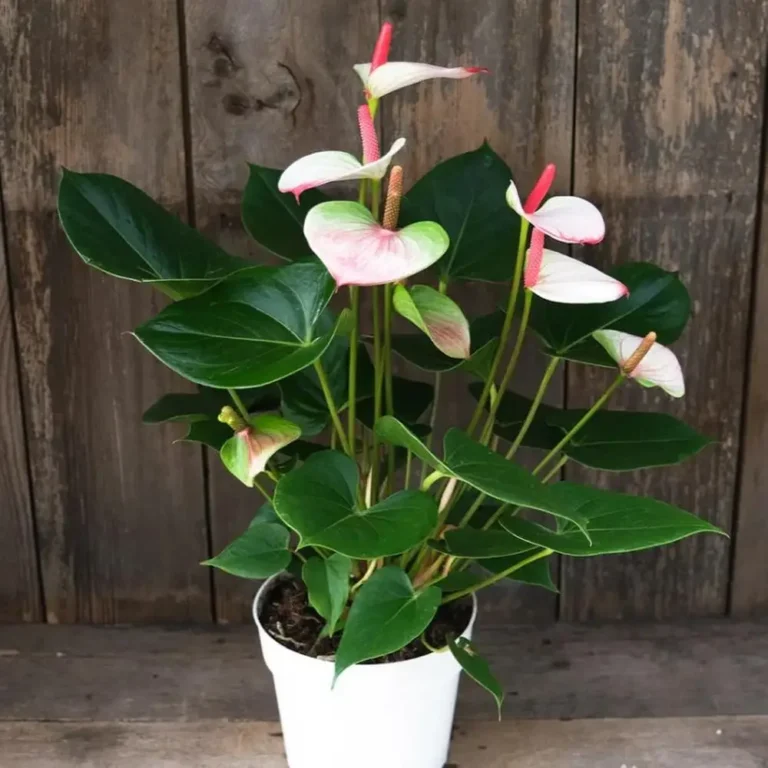
Anthurium
Hoya
Maranta