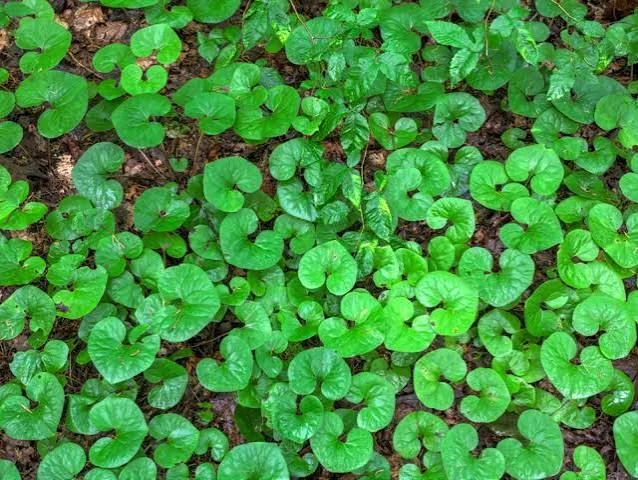
Ground Cover Plants Guide: Types, Planting & Care
- Outdoor Ground Cover Plants
Low-Growing & Spreading
U.S. Landscape Guide
How to Choose, Plant and Grow Ground Cover Plants Successfully
Ground cover plants are low-growing or spreading plants used to cover bare soil in garden beds, under trees, along pathways, on slopes, and in places where lawn grass is difficult to maintain. For U.S. landscapes, the best choice depends on your USDA hardiness zone, sun exposure, soil moisture, drainage, mature spread, and intended use. Some ground covers tolerate drought, shade, light foot traffic, or steep slopes, while others are grown mainly for flowers, evergreen foliage, or pollinator value. Match the plant to the site first, then manage watering and weeds carefully until it becomes established.
SMART LANDSCAPE COVER
🌱 Lawn Alternative Options
☀️ Sun to Shade Choices
⛰️ Slope & Erosion Support
🐝 Pollinator-Friendly Choices


Ground Cover Guide
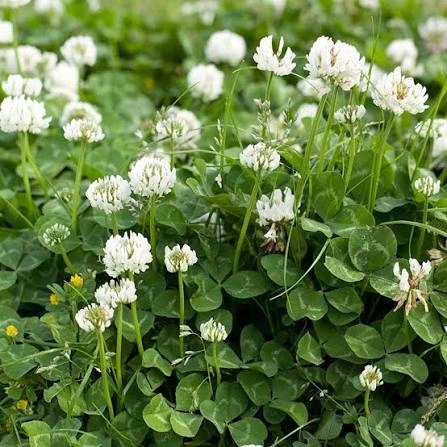
About Ground Cover Plants
Ground cover describes how a plant is used in the landscape rather than one botanical family. The category includes creeping perennials, low shrubs, sedges, grasses, succulents, and other plants that form a relatively low layer over the soil. Some create tight evergreen mats, while others form clumps or spread by stems, runners, rhizomes, or self-seeding.
Ground covers can reduce exposed soil, soften hardscape, fill difficult lawn areas, and add seasonal flowers or year-round texture. Dense plantings may also help suppress some weeds after establishment and can be useful on slopes when the species is suited to the site.
Growth behavior matters. A fast spreader may be useful on a large bank but too aggressive for a small flower bed. For U.S. gardens, always check the plant’s mature spread and whether it is considered invasive or restricted in your state or region before planting.
Ground Cover Quick Facts
Difficulty
Easy to Moderate
Light
Full Sun to Shade; Species Dependent
Water
Low to Moderate; More During Establishment
Soil Moisture
Dry to Moist; Species Dependent
USDA Zones
Varies by Species and Cultivar
Growth Rate
Slow to Fast
Foot Traffic
None to Moderate; Species Dependent
Mature Spread
6 in to 10+ ft; Species Dependent
Maintenance
Low to Moderate
Native Status
Varies by Species and U.S. Region
Where Ground Covers Work Best
Ground covers are most useful where site conditions make turf or bare mulch difficult to maintain. Under trees and shrubs, shade-adapted species can fill spaces where lawn grass struggles. On slopes and banks, plants with spreading stems or fibrous roots can help protect exposed soil while reducing mowing.
Low-growing species can edge paths, soften retaining walls, fill gaps between larger plants, or grow between stepping stones when they tolerate occasional foot traffic. Drought-tolerant choices can work in hot, dry beds, while woodland species are better suited to cooler shade and soils that stay evenly moist.
Do not choose a plant only because it spreads quickly. Consider mature width, maintenance, nearby lawns or natural areas, and how easily the plant can be contained. In U.S. landscapes, native status and local invasive-plant guidance should be part of the selection process.
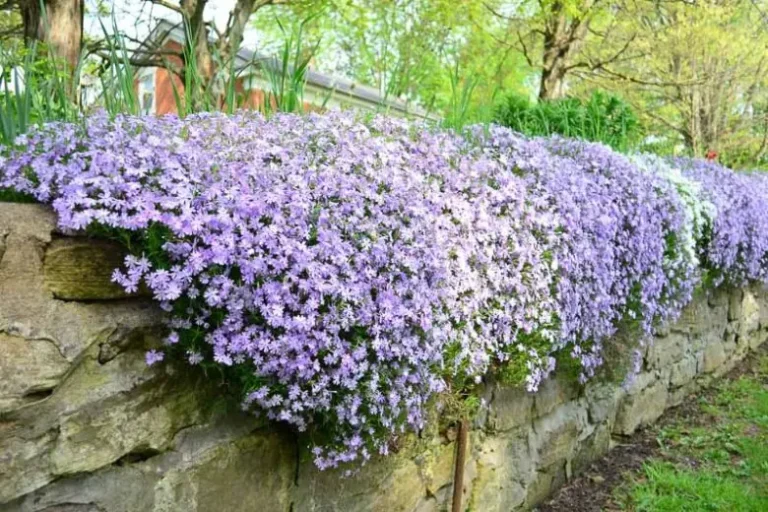
Ground Cover Specifications
Category
Ground Cover / Landscape Planting
Plant Types
Perennials, Shrubs, Sedges, Grasses & Succulents
Growth Habit
Creeping, Mat-Forming, Spreading or Clumping
Typical Height
1 in to 3+ ft; Species Dependent
Mature Spread
6 in to 10+ ft; Species Dependent
Sun Exposure
Full Sun, Part Shade or Shade
Water Needs
Low to Moderate; Species Dependent
Foot Traffic
None to Moderate; Check Individual Plant
Best Planting Time
Spring or Fall in Many U.S. Regions
Soil
Well-Drained to Moist; Match Species to Site
USDA Hardiness
Varies Widely by Species and Cultivar
Spacing
Based on Mature Width and Desired Fill Time
Wildlife Value
Pollinator / Habitat Value Varies by Species
Native / Invasive Status
Check Species and Local U.S. Guidance
Ground Cover Planting & Care Guide
Successful ground cover planting starts with choosing the right plant for the site. Use these guidelines as a baseline, then follow the specific requirements of the species or cultivar you select.
Site, Sun & USDA Zone
Start with the site rather than the plant. Record how many hours of direct sun the area receives, whether afternoon sun is intense, and whether the location is exposed to winter cold or wind. Match the plant to your USDA hardiness zone and its recommended sun range. Shade-tolerant ground covers can struggle in hot afternoon sun, while sun-loving plants often become thin or flower poorly in deep shade.
For a large bed, check conditions in more than one spot because light and soil moisture can change beneath trees, along walls, or across a slope.
Soil, Drainage & Moisture
Choose a ground cover adapted to the soil you already have whenever possible. Before planting, correct serious drainage problems and remove perennial weeds and their roots. Do not assume every ground cover prefers rich, constantly moist soil; many drought-tolerant species decline in waterlogged ground.
Observe whether the site stays dry, average, moist, or occasionally wet after rain. Match that moisture pattern to the plant instead of relying on frequent irrigation to force an unsuitable species to survive.
Planting & Spacing
Space plants according to their mature spread and growth rate. Closer spacing creates faster coverage but costs more and can crowd vigorous plants later. Wider spacing is economical but leaves soil exposed longer while plants fill in.
For broad beds, stagger plants rather than setting them in rigid rows for more even coverage. Plant at the same depth they were growing in the nursery container, firm soil gently around the roots, and water thoroughly after planting.
Watering & Establishment
Newly planted ground covers need consistent moisture while roots expand into the surrounding soil. Water deeply enough to moisten the root zone, then allow the soil to drain according to the species’ needs. Newly installed plants usually require more attention during hot or dry weather.
After establishment, reduce irrigation to the level appropriate for the plant, local rainfall, and soil type. Drought-tolerant ground covers should not be kept constantly wet.
Mulch, Weeds & Feeding
Control weeds before planting because they become harder to remove after stems and roots knit together. A light layer of mulch between young plants can conserve moisture and reduce weed germination while the ground cover fills in. Keep mulch away from plant crowns where excess moisture could cause rot.
Fertilizer needs vary. Many established ground covers need little feeding, and excess nitrogen can encourage weak, floppy growth or excessive spread. Base fertilizer on plant needs and, when problems persist, a soil test.
Spread Control & Local Invasive Check
Inspect bed edges during the growing season and remove runners, seedlings, or stems that move into lawns, paths, or neighboring plantings. Vigorous ground covers may need regular edging, division, or pruning.
Before planting a fast-spreading non-native species, check your state invasive-plant list or local Cooperative Extension guidance. A plant may be acceptable in one U.S. region and invasive in another. Near woodlands, streams, or other natural areas, favor well-behaved or locally native alternatives.
Common Ground Cover Problems & Fixes
Ground cover problems often come from a mismatch between the plant and the site. Check sunlight, drainage, soil moisture, spacing, winter hardiness, and spreading behavior before changing several parts of the care routine at once.
Ground Cover Is Not Spreading
Slow fill can result from too little or too much sun, dry soil during establishment, poor drainage, compacted soil, winter damage, or a naturally slow-growing species. Confirm the plant’s expected growth rate and site requirements before adding fertilizer. If plants are healthy but widely spaced, they may simply need another growing season to close the gaps.
Yellowing or General Decline
Yellow foliage can come from overwatering, drought stress, poor drainage, nutrient problems, heat, or seasonal dormancy. Check soil moisture several inches down and inspect roots or crowns for rot before increasing irrigation. Also confirm that the plant is hardy and adapted to the site.
Root Rot & Poor Drainage
Plants that wilt while the soil remains wet, develop soft crowns, or die in patches may be suffering from root or crown rot. Reduce excess irrigation, improve drainage where practical, and replace badly affected plants with a species better suited to the site if wet soil is unavoidable.
Bare, Thin or Patchy Growth
Bare spots may develop where plants receive uneven light or moisture, where winter injury occurs, or where older mats lose vigor. Remove dead material, correct the underlying site problem, and replant or divide healthy sections if needed. Avoid simply filling gaps until you know why the original plants declined.
Spreading Beyond the Bed
Some ground covers spread by runners, rhizomes, rooting stems, or seed and can move quickly into nearby lawns or beds. Edge regularly and remove unwanted growth before it establishes. If a species repeatedly escapes control, replace it with a slower-growing or locally native alternative.
Weeds, Pests & Disease
Weeds are easiest to control before the ground cover closes in. Hand-pull or spot-manage weeds early and avoid damaging desirable stems. Slugs, mites, scale, leaf spots, and other pests or diseases vary by species. Identify the specific problem before treatment and use the least disruptive control appropriate for the plant and landscape.
How to Choose the Right Ground Cover
Choose a ground cover by matching the plant to the site, climate, and job you want it to perform. Start with your USDA hardiness zone, daily sun exposure, soil drainage, and typical moisture. Then consider mature height and spread, how quickly you want coverage, whether the area receives foot traffic, and how much edging or seasonal maintenance you are willing to do.
When comparing the best ground cover plants, decide whether you need low-maintenance ground cover, flowering ground cover, evergreen ground cover, ground cover for full sun, or shade ground cover. The right ground cover plants can help fill bare soil, reduce weeds, add color, and improve beds, borders, walkways, and difficult lawn areas.
For slopes, look for plants with dependable spreading or root systems that fit the site rather than simply choosing the fastest grower. Under trees, select species adapted to shade and root competition. For pathways, use only plants specifically described as tolerant of occasional foot traffic.
For U.S. landscapes, check native range and local invasive status before buying aggressive spreaders. When possible, use the botanical name on the label because common names can refer to more than one species.
Ground Cover Buying Checklist
Match Your USDA Zone
Confirm the plant is winter-hardy in your zone and suitable for your local summer conditions.
Match Sun & Soil Moisture
Choose for the real site: full sun, part shade, or shade, plus dry, average, moist, or wet soil.
Check Mature Spread & Spacing
Know how wide the plant becomes, how fast it spreads, and how many plants are needed for the area.
Check Foot Traffic & Landscape Use
Do not assume every low plant can be walked on; match the plant to slopes, borders, paths, or lawn replacement use.
Check Native & Invasive Status
Verify the exact species and check state or local guidance before planting vigorous non-native spreaders.

Ground Cover Plants FAQs
For many U.S. gardens, creeping thyme is one of the best low-maintenance ground covers. It is drought-tolerant, sun-loving, stays low, spreads well, and usually needs little mowing or fertilizing. Choose a variety suited to your USDA hardiness zone.
For many U.S. gardens, creeping thyme is one of the easiest ground cover plants to grow. It prefers full sun, well-drained soil, needs little maintenance once established, and is fairly drought-tolerant.
For many U.S. gardens, creeping phlox is one of the best fast-growing ground covers. It spreads quickly, forms dense mats, flowers in spring, and performs best in full sun with well-drained soil.
Many perennial ground covers come back every year in suitable U.S. climates. Popular options include creeping thyme, creeping phlox, sedum, ajuga, and pachysandra. Always choose one suited to your USDA hardiness zone.
For many U.S. gardens, creeping juniper is one of the hardiest ground covers. It tolerates cold, drought, poor soil, and slopes, and many varieties grow well in USDA Zones 3–9.
For many U.S. gardens, creeping verbena is an excellent ground cover that blooms from late spring through summer. It prefers full sun, well-drained soil, and becomes drought-tolerant once established.
For many U.S. gardens, creeping thyme is a strong ground cover for suppressing weeds because it forms a dense mat and shades the soil. Ajuga and pachysandra are also effective in suitable conditions.
Ground Cover Plants
Explore Popular Ground Covers for Your Garden
buy now
buy now
buy now