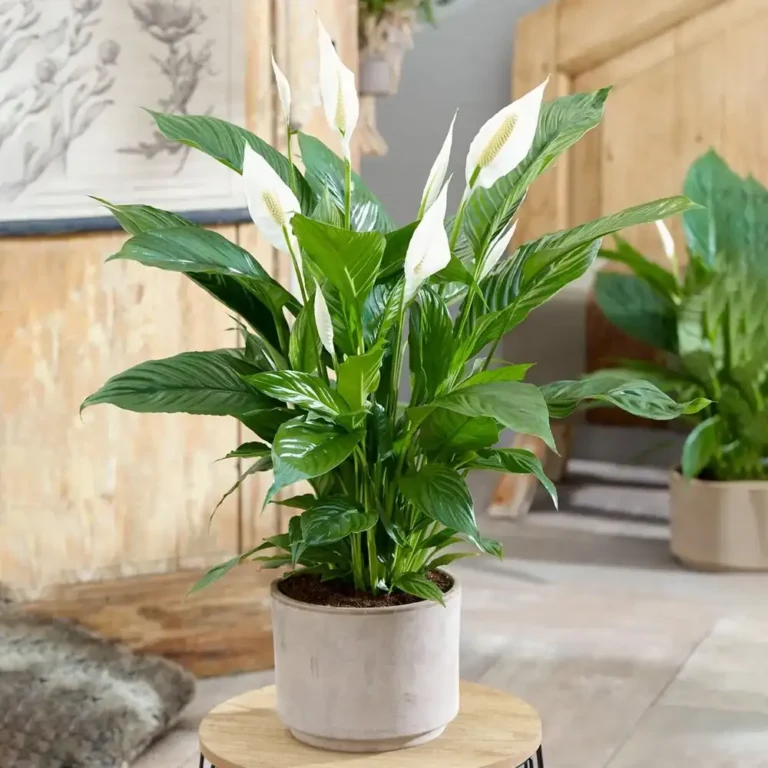
Philodendron Care Guide with Detail & Buying Tips
- Home
- Indoor Plants
- Philodendron
- Popular Tropical Houseplant
Evergreen Tropical Perennial
Care + Buying Guide
Philodendron Care
Philodendron care is generally straightforward, which is why these tropical foliage plants are common in homes and offices across the United States. Most popular indoor Philodendrons grow best in bright indirect light, warm rooms, and a loose, well-draining potting mix. Water when the top inch of soil feels dry, then water thoroughly and let excess moisture drain away. Many types tolerate average household humidity, although higher humidity can improve leaf quality and growth. Because Philodendron is a large genus with climbing, epiphytic, and self-heading species, mature size, support needs, and exact care can vary by species and cultivar.
FAMOUS PLANT
🌿 Tropical Evergreen Foliage
☀️ Bright Indirect Light
🪴 Beginner Friendly
🌱 Climbing or Self-Heading

Care Guide
About Philodendron
Philodendron is a large genus of tropical plants in the Araceae family, native from Mexico through Tropical America. Members of the genus show remarkable variety: some grow as vines or climbing hemiepiphytes, others grow as epiphytes, and some develop more compact self-heading or terrestrial forms.
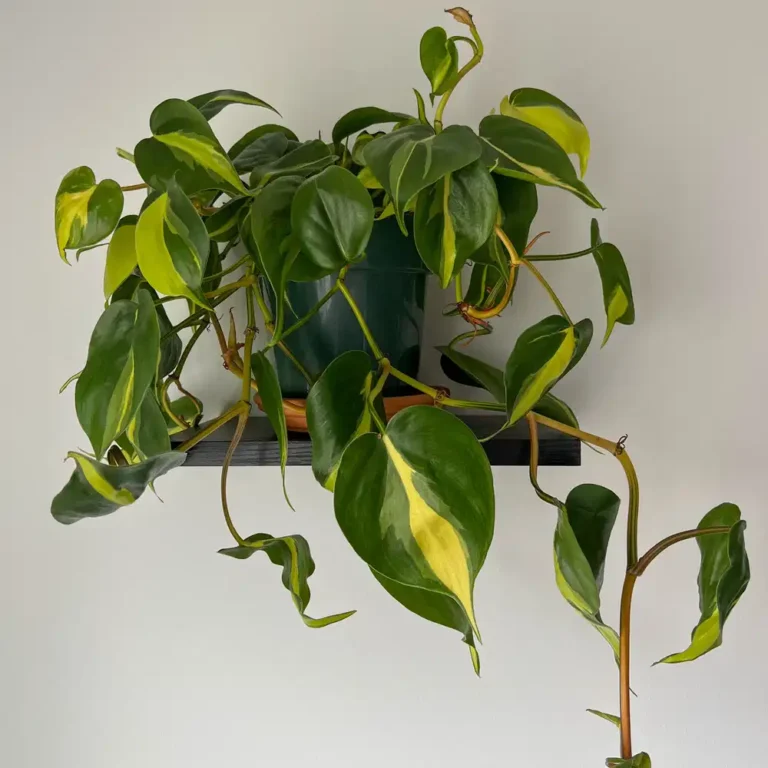
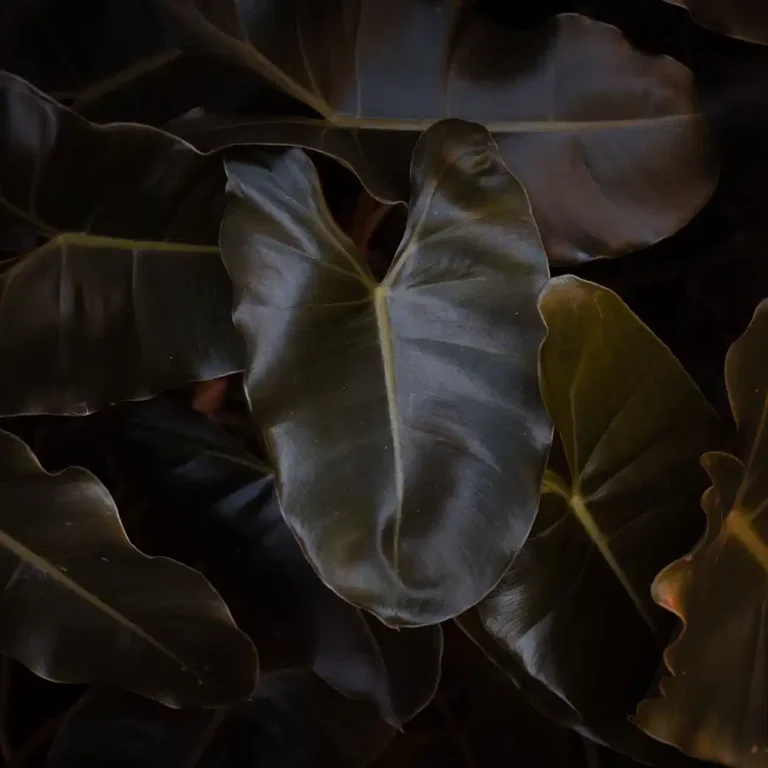
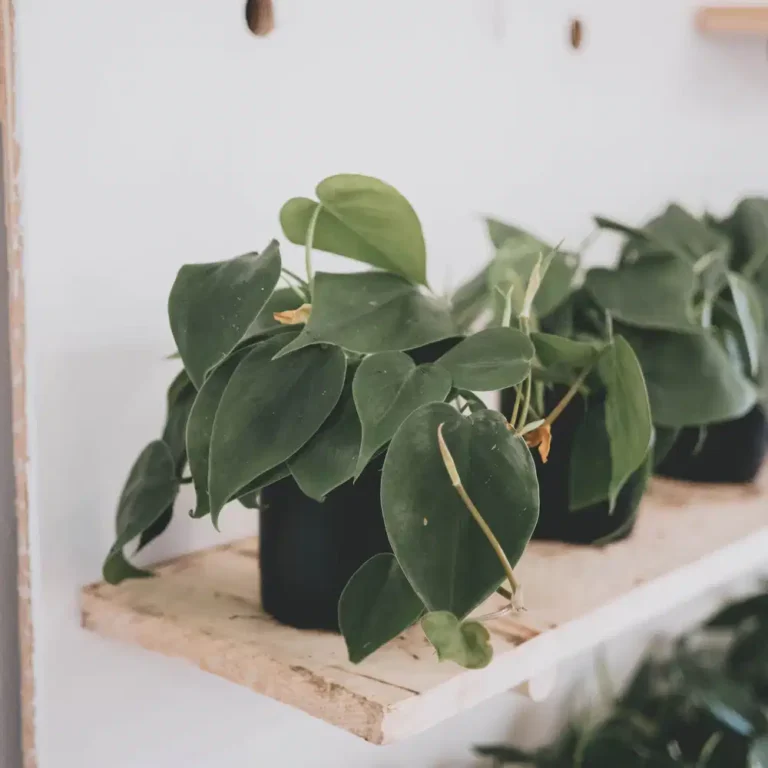
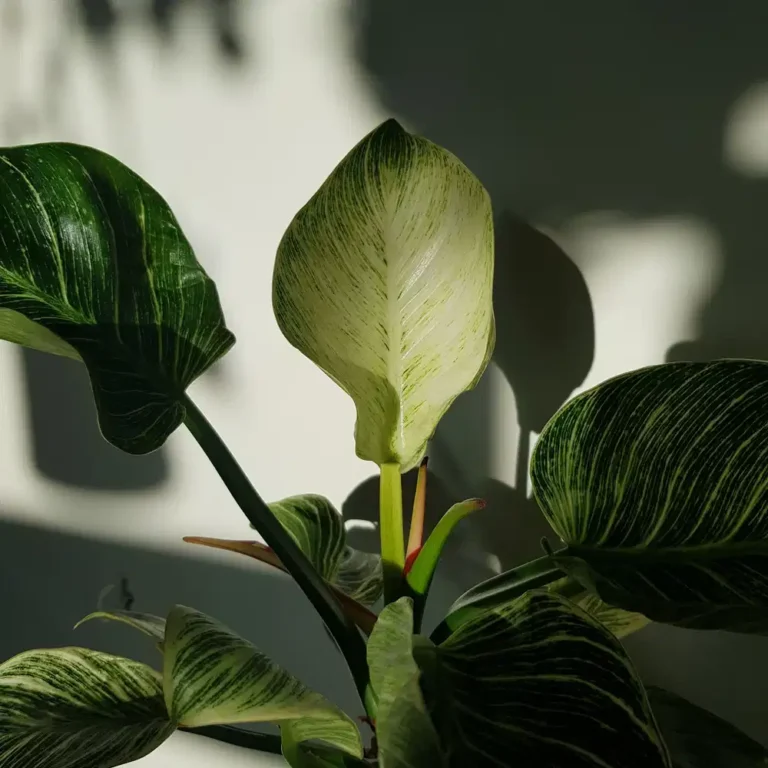
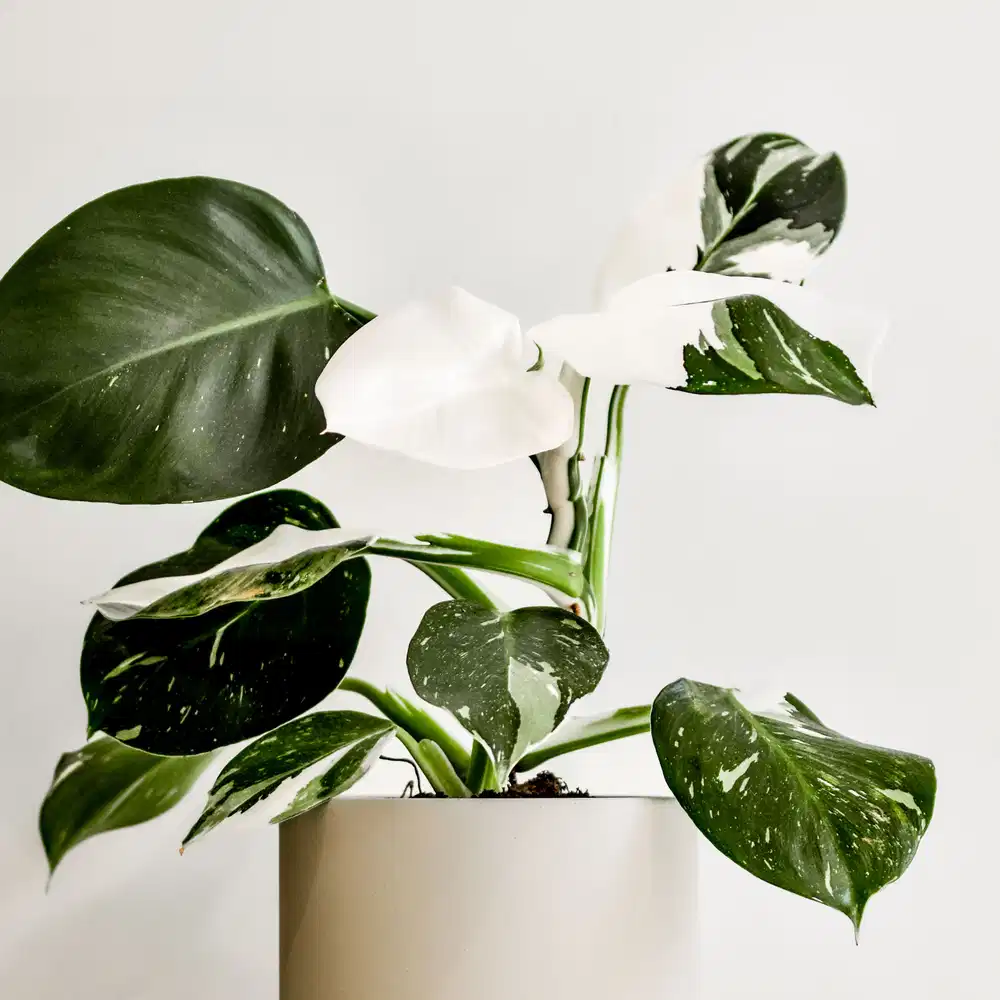
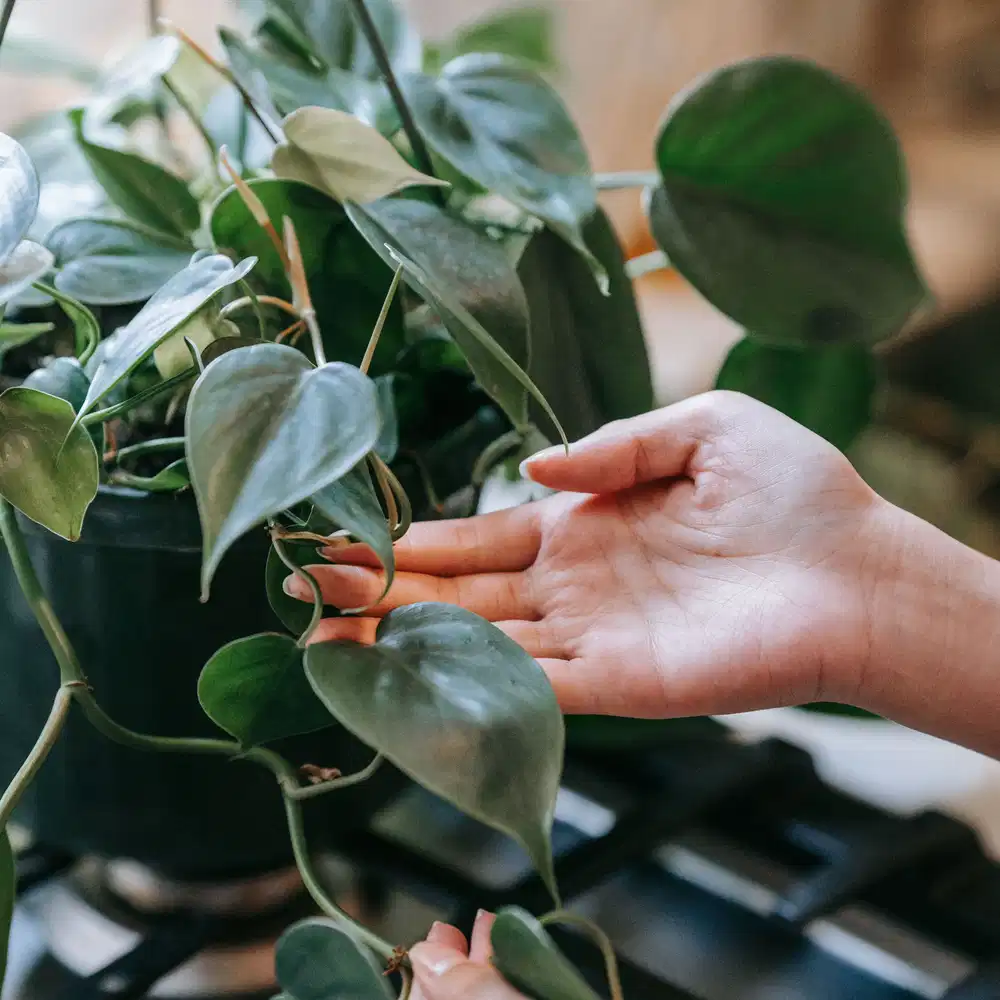
Foliage is the main ornamental feature. Depending on the species or cultivar, leaves may be heart-shaped, lobed, elongated, velvety, glossy, deeply divided, or colored in shades of green, burgundy, bronze, cream, or variegated patterns. Popular U.S. houseplant selections include heartleaf types, Philodendron hederaceum cultivars such as Brasil and Lemon Lime, as well as larger climbing and self-heading hybrids.
Most indoor Philodendrons appreciate warm temperatures, bright filtered light, a well-aerated root zone, and consistent but not excessive moisture. They are adaptable enough for many American homes, but cold drafts, waterlogged soil, harsh direct sun, and prolonged dry conditions can cause problems. Care recommendations should always be adjusted for the exact species or cultivar being grown.
Plant Information
Difficulty
Easy to Moderate
Light
Bright Indirect Light
Water
Water When Top 1 in. Dries
Humidity
Average to High
Temperature
65–85°F (18–29°C)
Growth Rate
Moderate to Fast
Pet Friendly
No
Indoor Height
1–8+ ft, Species Dependent
Repotting
When Root-Bound
Native Range
Mexico to Tropical America
History of Philodendron
The botanical history of Philodendron reaches back to the early nineteenth century. The genus Philodendron was formally published by Austrian botanist Heinrich Wilhelm Schott in 1829. The name comes from Greek roots commonly interpreted as “love” and “tree,” a reference to the climbing habit shown by many species in tropical forests.
Philodendrons are native to the American tropics, with the genus ranging from Mexico through Tropical America. In natural habitats, different species may climb tree trunks, grow as epiphytes, creep along the forest floor, or form larger terrestrial plants. This diversity later made the genus especially valuable to ornamental horticulture.
During the twentieth century, Philodendrons became major foliage plants in the United States because many species tolerate indoor light levels and warm household temperatures. Heartleaf Philodendron became particularly common in hanging baskets and offices, while breeding and selection introduced numerous compact, colorful, variegated, and self-heading forms for modern interiors.
Botanical classification within the broader aroid family has continued to change as plant relationships have been studied more closely. Some plants historically sold under “philodendron” common names now belong to other genera, so modern buyers should check the scientific name on the label when identification matters.
Plant Specifications
Botanical Name
Philodendron spp.
Family
Araceae
Plant Type
Evergreen Tropical Perennials
Growth Habit
Climbing, Epiphytic, or Self-Heading
Indoor Height
1–8+ ft, Species Dependent
Light Requirement
Bright Indirect; Some Lower-Light Tolerance
Watering
Water When Top 1 in. Dries
Humidity
Average Home; Higher Preferred
Temperature
65–85°F (18–29°C)
Soil
Rich, Loose, Well-Drained Potting Mix
Support
Moss Pole/Trellis for Climbing Types
Repotting
When Root-Bound or Crowded
Pet Safety
Toxic if Ingested
Native Range
Mexico to Tropical America
Philodendron Care Guide
Use these practical Philodendron care guidelines for healthy foliage, strong roots, balanced growth, and reliable performance in typical U.S. indoor conditions.
Light & Placement
Most Philodendrons perform best in bright indirect light. An east- or north-facing window often works well, while strong south- or west-facing light should usually be filtered with a sheer curtain or offset from the glass.
Some green-leaved types tolerate lower light, but growth may become slower or leggier. Variegated and colorful cultivars generally need brighter filtered light to maintain their pattern. If moving a plant outdoors for a U.S. summer, acclimate it gradually to shade or filtered light rather than direct midday sun.
Watering & Drainage
Check the potting mix instead of watering on a fixed calendar. For many common indoor Philodendrons, water when the top inch of soil feels dry, then water thoroughly until excess drains from the container.
Empty saucers and cachepots so roots do not sit in water. Water use usually drops during darker U.S. winter months, while plants in brighter spring and summer conditions may dry more quickly. Persistently soggy soil can lead to root rot.
Soil & Repotting
Use a loose, organic, well-draining potting mix that holds some moisture while still allowing air around the roots. A quality indoor mix amended with bark and perlite is suitable for many Philodendrons.
Repot when roots become crowded, circle densely around the pot, or emerge from drainage holes. Move up only one container size at a time. Oversized pots hold extra moisture and can increase the risk of root problems.
Temperature & Humidity
Philodendrons prefer warm indoor temperatures, with about 65–85°F (18–29°C) ideal for many commonly grown types. Protect plants from cold drafts and sudden temperature drops, and avoid leaving tropical houseplants outdoors when nights approach 50°F.
Higher humidity supports lush foliage, but many Philodendrons adapt to normal household humidity. In dry U.S. winters, keep plants away from heating vents and consider a humidifier if leaf edges repeatedly become dry.
Fertilizer
Feed actively growing Philodendrons with a balanced houseplant fertilizer during spring and summer, following the product label and avoiding excessive concentration. Plants in low light need less fertilizer than plants making vigorous growth.
Reduce or pause feeding when growth slows in fall and winter. Too much fertilizer can cause salt buildup, brown or curled leaf tips, and root stress, so more fertilizer is not necessarily better.
Pruning, Support & Cleaning
Remove yellow, damaged, or dead leaves with clean pruners. Vining Philodendrons can be shortened above a node to control length and encourage branching, and healthy stem sections with nodes can be used for propagation.
Climbing species often develop larger, more mature foliage when trained on a moss pole, trellis, or other stable support. Self-heading types generally do not need a pole. Wipe large leaves gently with a damp cloth to remove dust.
Common Philodendron Problems
Philodendron symptoms can have several possible causes. Check soil moisture, drainage, light, roots, temperature, humidity, and pests before making major changes to the plant’s routine.
Yellow Leaves
Yellow leaves are commonly associated with overwatering, poor drainage, or low light, although an occasional older lower leaf may yellow naturally. Check the soil before watering again and make sure the container drains freely.
Root Rot
Root rot is most likely when the root zone remains wet for too long. Warning signs can include persistent yellowing, wilting despite wet soil, a soft stem base, or dark and decaying roots.
Reduce watering, remove badly rotted tissue, and repot viable roots into fresh, well-draining medium if necessary.
Brown or Curling Tips
Brown or curling leaf tips may result from dry air, inconsistent watering, excessive fertilizer, or salt buildup in the potting mix. In heated U.S. homes, very dry winter air can make tip burn more noticeable.
Review watering and fertilizer use first, and flush the potting mix periodically if salts are accumulating.
Leggy Growth & Small Leaves
Long spaces between leaves, weak vines, and unusually small new leaves often indicate insufficient light. Climbing types may also stay juvenile if they have no vertical support.
Move the plant closer to bright indirect light and give climbing Philodendrons a suitable pole or trellis where appropriate.
Leaf Scorch
Pale, tan, or crispy patches can develop after shade-grown foliage is suddenly exposed to strong direct sunlight. Variegated leaves may be especially sensitive.
Move the plant to filtered light and acclimate it gradually whenever seasonal light levels or outdoor placement change.
Aphids, Mealybugs, Scale & Mites
Philodendrons can occasionally develop aphids, mealybugs, scale insects, or spider mites. Check leaf undersides, stems, nodes, and new growth for sticky residue, cottony material, scale-like bumps, stippling, or fine webbing.
Isolate affected plants from the rest of your houseplant collection and treat infestations promptly.
How to Choose a Healthy Philodendron
Choose a healthy Philodendron with firm foliage, strong stems or a stable self-heading crown, and active new growth. Leaf shape and color vary widely by species and cultivar, but the plant should not show widespread yellowing, blackened tissue, mushy stems, severe wilting, or large areas of unexplained browning.
Inspect the roots, potting mix, and drainage before buying whenever possible. Avoid plants sitting in stagnant water or heavy, sour-smelling soil. Healthy roots are generally firm rather than black and mushy. Check the undersides of leaves, nodes, petioles, and new growth for mealybugs, scale, spider mites, aphids, webbing, sticky residue, or distorted growth.
Confirm the species or cultivar name because mature size and growth habit can differ dramatically. A heartleaf Philodendron may trail or climb from a shelf, while a larger self-heading hybrid can require substantial floor space. For U.S. homes, also consider your available window light, winter heating, air-conditioning drafts, pet access, and whether a climbing type will need a moss pole or trellis.
Buying Checklist
Healthy Foliage
Choose firm leaves with good natural color and no widespread yellowing, large dead patches, or severe curling.
Strong Stems & New Growth
Look for a stable crown or healthy vines with intact nodes, firm petioles, and signs of active new growth.
Healthy Roots & Drainage
Avoid black or mushy roots, foul-smelling wet soil, and containers that cannot drain excess water.
No Visible Pests
Inspect leaf undersides, stems, nodes, and new growth for mealybugs, scale, aphids, mites, sticky residue, or webbing.
Correct Species or Cultivar
Confirm the plant name so its mature size, leaf pattern, climbing habit, support needs, and light requirements match your space.
Frequently Asked Questions
Yes. Many common Philodendrons are beginner-friendly because they adapt well to typical indoor conditions. The main priorities are bright indirect light, good drainage, and avoiding chronic overwatering.
Most Philodendrons prefer bright indirect light. Green-leaved types may tolerate lower light, while variegated or colorful cultivars usually need brighter filtered light. Avoid prolonged harsh direct sun.
Do not water on a fixed calendar. For many popular indoor types, water when the top inch of potting mix feels dry, then water thoroughly and allow excess water to drain. Water less often during darker winter conditions.
No. Philodendron species contain insoluble calcium oxalate crystals and are toxic to cats and dogs if chewed or swallowed. Keep the plant out of reach of pets and children who may ingest foliage.
Higher humidity can improve leaf quality, but many common Philodendrons adapt to average household humidity. Very dry heated air can contribute to brown edges, so a humidifier may help during dry U.S. winters.
Climbing Philodendrons often benefit from a moss pole, trellis, or other support and may develop larger mature leaves when allowed to climb. Self-heading Philodendrons generally do not require a pole.
Yes during warm weather, but outdoor hardiness varies by species. Many tropical Philodendrons should be moved outside only after nighttime temperatures remain above about 50°F and should be protected from direct midday sun. Year-round outdoor growing is generally limited to frost-free parts of the United States, so check the specific species before planting in the landscape.
Related Plants
Explore Similar Indoor Plants
Epipremnum
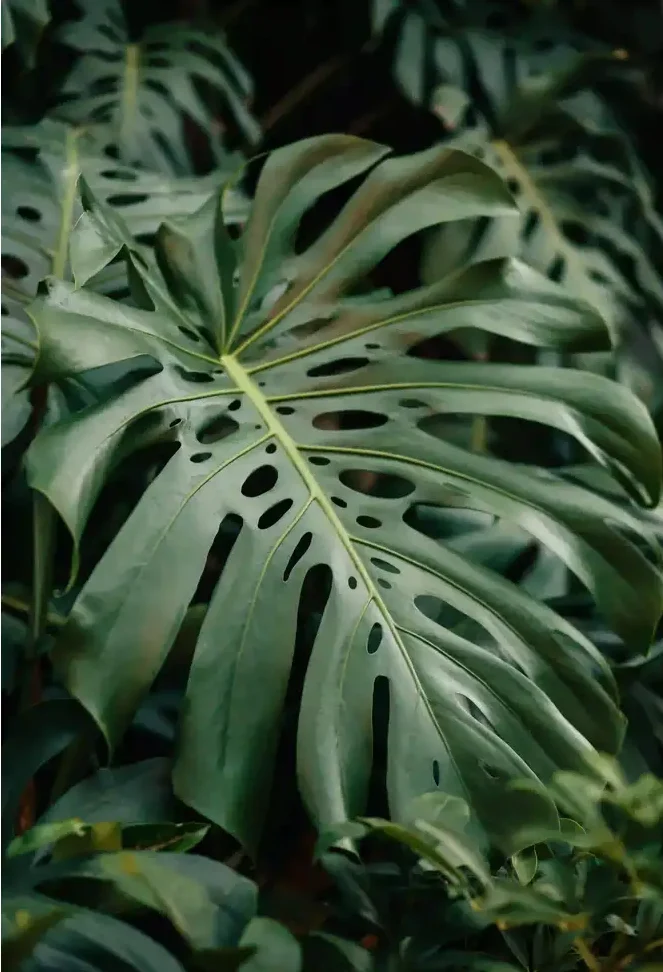
Monstera
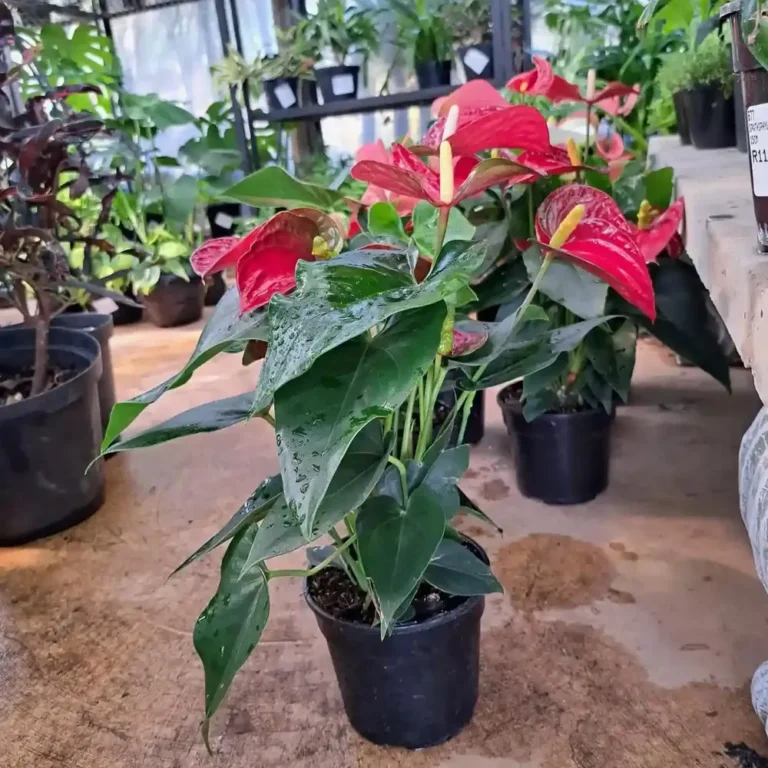
Anthurium