Dracaena Care: Brown Tips, Cane Pruning & Indoor Growth
- Home
- Indoor Plants
- Dracaena
- Popular Foliage Houseplant
Evergreen Tropical Houseplant Group
Care + Buying Guide
Dracaena Care
Dracaena is a large group of tropical and subtropical plants that includes familiar U.S. houseplants such as corn plant, Janet Craig, dragon tree, and several striped or variegated cultivars. Most common indoor types prefer bright, indirect light, but many tolerate lower-light rooms better than a lot of tropical foliage plants.
For reliable Dracaena care, let the upper part of the potting mix dry slightly before watering again, use a container with good drainage, and protect the plant from cold drafts. Brown leaf tips are especially common when indoor air is dry or soluble salts and fluoride build up in the root zone, so water quality and occasional soil flushing can matter.
POPULAR HOUSEPLANT
🌿 Bold Strap-Like Foliage
☀️ Bright Indirect Light
🪴 Easy to Moderate Care
✂️ Responds Well to Pruning

Care Guide
About Dracaena
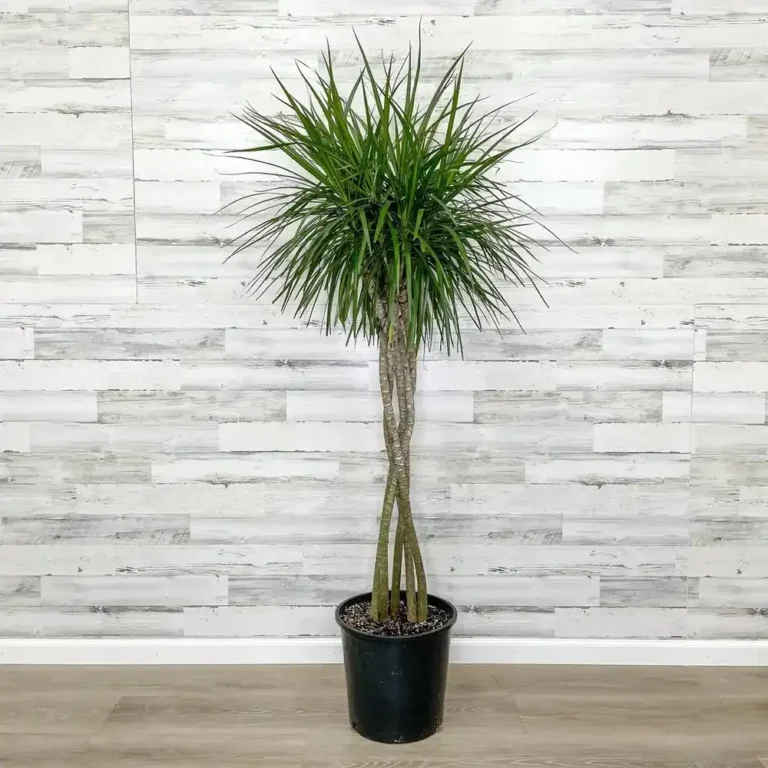
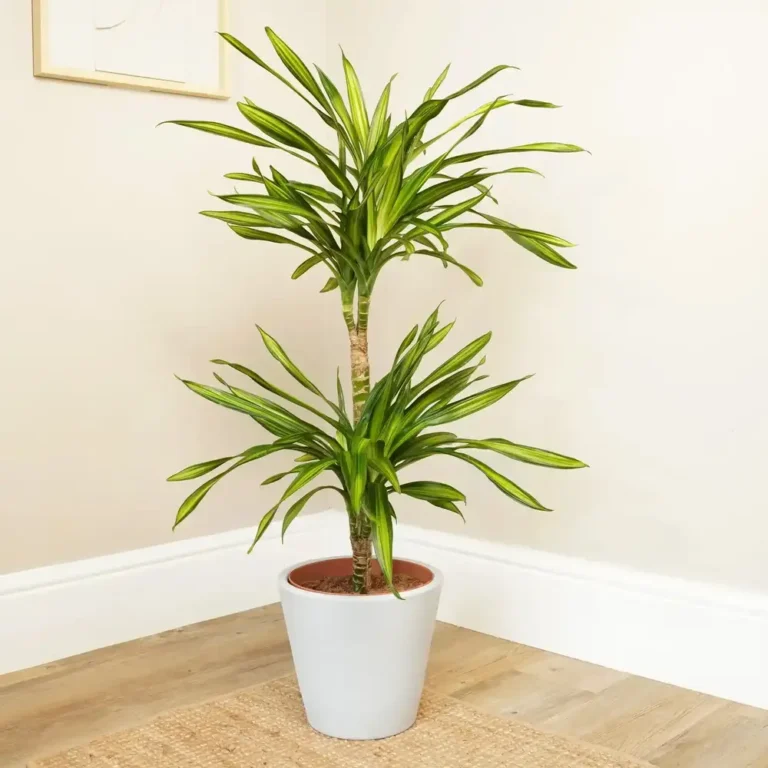
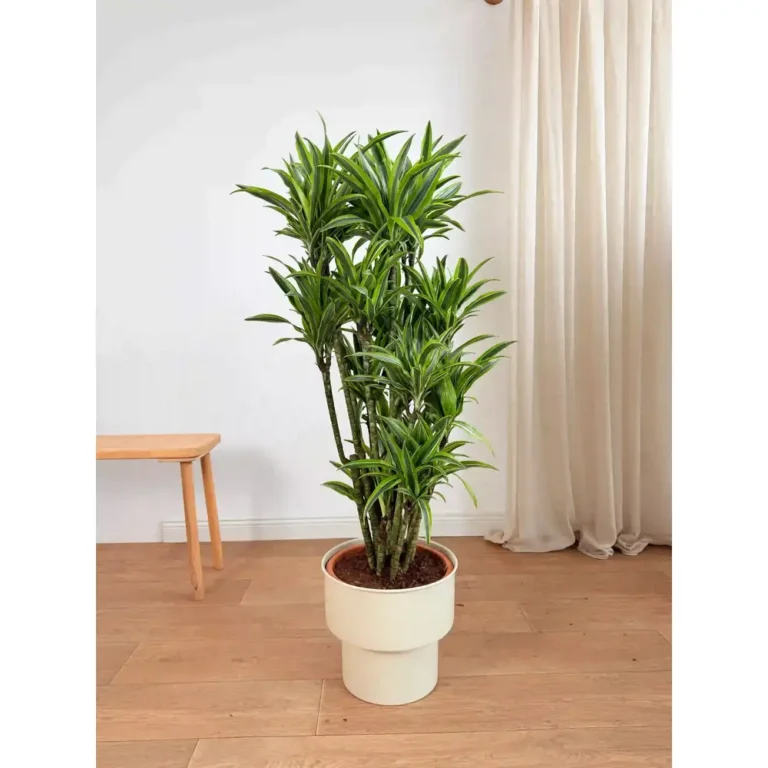
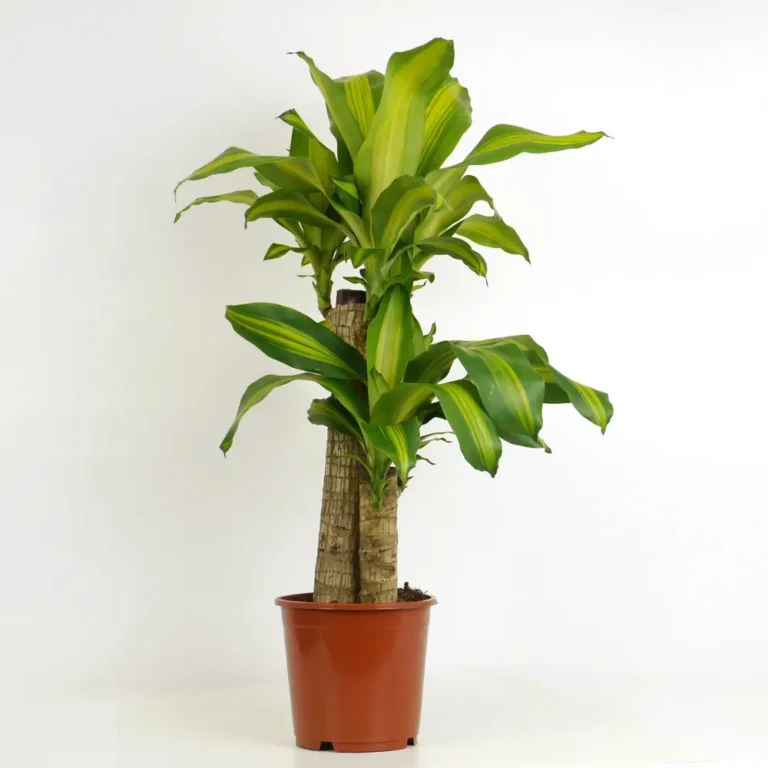
Dracaena is an accepted genus in the asparagus family (Asparagaceae) containing tropical and subtropical herbs, shrubs, and trees. Indoor forms vary widely: some grow from woody canes with rosettes of arching leaves, while others remain compact and densely leafy. Common retail names include corn plant, mass cane, Janet Craig, dragon tree, and gold-dust dracaena.
This Dracaena Care guide focuses on the cane-forming and ornamental foliage Dracaenas commonly sold as U.S. houseplants. Proper indoor Dracaena care depends on balanced watering, suitable light, good drainage, stable temperatures, and occasional pruning. Individual species and cultivars can differ in mature size, leaf color, drought tolerance, and outdoor hardiness, so the plant label still matters when fine-tuning care. Understanding Dracaena light requirements, how often to water Dracaena, the causes of brown leaf tips, yellowing foliage, slow growth, and the basics of Dracaena cane pruning can make it much easier to keep these popular indoor plants healthy, attractive, and well-shaped throughout the year. For a compact cane-forming variety, see our Dracaena Compacta care guide.
Plant Information
Difficulty
Easy to Moderate
Light
Bright Indirect; Lower Light Tolerated
Water
Let Top 1 in. Dry Slightly
Humidity
Average Household; 30–50%+
Temperature
60–80°F; Avoid Below 50°F
Growth Rate
Slow to Moderate
Pet Friendly
No
Indoor Height
2–10 ft Typical
Repotting
When Root-Bound; Often 2–3 Years
Native Range
Tropics & Subtropics
History of Dracaena
The genus Dracaena was formally published in 1767 and remains an accepted genus today. Its name is derived from the Greek drakaina, meaning “female dragon,” a reference historically associated with the red resin produced by some dragon-tree species.
Dracaenas became important foliage plants for homes, offices, hotels, and commercial interiors because many tolerate filtered light and indoor conditions well. Their upright growth, architectural leaves, relatively adaptable nature, and wide range of green, striped, and variegated forms helped make them popular choices for indoor plant care, low-light rooms, and decorative container growing. Nursery taxonomy has changed over time, so older labels may use names such as Dracaena deremensis, Dracaena marginata, or even Sansevieria for plants that modern references place differently within Dracaena. For home care, identifying the cultivar or species is useful because size, growth habit, light needs, and moisture tolerance can vary.
Plant Specifications
Botanical Name
Dracaena spp.
Family
Asparagaceae
Plant Type
Evergreen Perennial Shrubs, Trees & Herbs
Growth Habit
Cane-Forming, Rosette or Upright
Indoor Height
2–10 ft Typical; Cultivar Dependent
Light Requirement
Bright Filtered Light; Lower Light Tolerated
Watering
Water After Upper Mix Dries Slightly
Humidity
Average Household; Higher Helps Leaf Tips
Temperature
60–80°F; Keep Above 50°F
Soil
Well-Drained Houseplant Potting Mix
USDA Hardiness
Generally Zones 10a–12b; Species Dependent
Repotting
When Root-Bound or Container Becomes Unstable
Pet Safety
Toxic to Cats & Dogs if Ingested
Native Range
Tropics & Subtropics Worldwide
Dracaena Care Guide
Use these practical indoor-care guidelines for common cane-forming Dracaenas. Adjust watering and light for the exact species, pot size, season, and conditions in your home.
Light & Placement
Most Dracaenas grow best in bright, indirect or filtered light. Many tolerate lower light, but growth is usually slower and variegation may become less vivid.
Near an east window or several feet back from a bright south- or west-facing window is often suitable. Avoid suddenly moving a shade-grown plant into strong direct summer sun, which can leave pale or scorched patches.
Watering Without Root Stress
Let roughly the top inch of potting mix dry to the touch, then water thoroughly and allow excess water to drain. Do not keep the root zone constantly saturated.
Water use normally drops in winter, in lower light, and in cooler rooms. Yellow leaves, soft canes, or persistently wet soil can point to overwatering or poor drainage.
Soil, Pots & Repotting
Use a standard, well-drained houseplant mix in a container with open drainage holes. Repot when roots circle the pot heavily, emerge from drainage holes, or the plant becomes top-heavy.
Move up only one pot size at a time. Oversized containers stay wet longer and can increase root-rot risk, especially in low-light homes.
Temperature & Winter Air
Common Dracaenas are comfortable in warm indoor conditions. A useful range is about 60–80°F, with many corn-plant types performing especially well around 70–80°F.
Keep foliage away from cold windows, exterior-door drafts, and heating or AC vents. Winter heating can also dry the air enough to worsen brown leaf tips.
Fertilizer & Water Quality
Feed lightly during active spring and summer growth with a foliage-houseplant fertilizer used according to the label. Excess fertilizer can build soluble salts and burn leaf tips.
Dracaenas can be sensitive to fluoride and salt accumulation. If tip burn persists despite good watering, try rainwater or suitable filtered water and periodically flush the potting mix with clean water.
Pruning & Cane Rejuvenation
Long bare canes can be cut back to the desired height with clean pruners. Healthy stems often push new shoots below the cut, making pruning useful for controlling height and rebuilding a fuller shape.
Remove fully yellow or badly damaged leaves, wipe broad leaves when dusty, and rotate the pot periodically so growth stays balanced toward the light.
Common Dracaena Problems
Dracaena leaf symptoms often overlap. Check soil moisture, drainage, water quality, light, temperature, and pests together before changing several parts of the routine at once.
Brown Leaf Tips
Dry tips can come from low humidity, fluoride sensitivity, soluble-salt buildup, or inconsistent watering. Trim only dead tissue, improve watering consistency, and consider better-quality water if browning repeatedly starts at the tips.
Yellow Leaves
Widespread yellowing is often associated with soil staying too wet, poor drainage, or root stress. Let the upper mix dry slightly and make sure the pot can drain freely. An occasional old lower leaf yellowing can be normal.
Soft Cane or Root Rot
A soft, dark, or collapsing cane base is a serious warning sign. Remove the plant from soggy conditions, inspect the roots, trim rotted tissue with clean tools, and restart healthy stem sections if the base cannot be saved.
Bleached or Dry Leaf Patches
Large pale, tan, or crispy patches may follow too much direct sun, especially after a plant is moved abruptly from low light. Shift it to bright filtered light and acclimate gradually if stronger sun is desired.
Leggy Growth & Bare Canes
Older Dracaenas naturally lose some lower leaves, but very sparse growth can be worse in dim rooms. Move the plant to brighter indirect light and prune tall canes to encourage new shoots below the cut.
Mites, Scale & Mealybugs
Inspect leaf undersides, joints, and cane bases for webbing, sticky residue, cottony clusters, or attached scale insects. Isolate affected plants and treat early with a houseplant-safe method appropriate for the pest.
How to Choose a Healthy Dracaena
Choose a Dracaena with firm canes, evenly colored foliage, and active growth at the tops or along healthy stems. A few older lower leaves may show minor cosmetic wear, but avoid plants with widespread yellowing, soft cane bases, sour-smelling potting mix, or blackened roots.
Look closely at leaf undersides and the points where leaves meet stems. Scale, mealybugs, and mites can hide in these areas. Brown tips alone are common and may reflect previous water-quality or humidity stress, but extensive tip burn across most leaves suggests the plant has been under chronic stress.
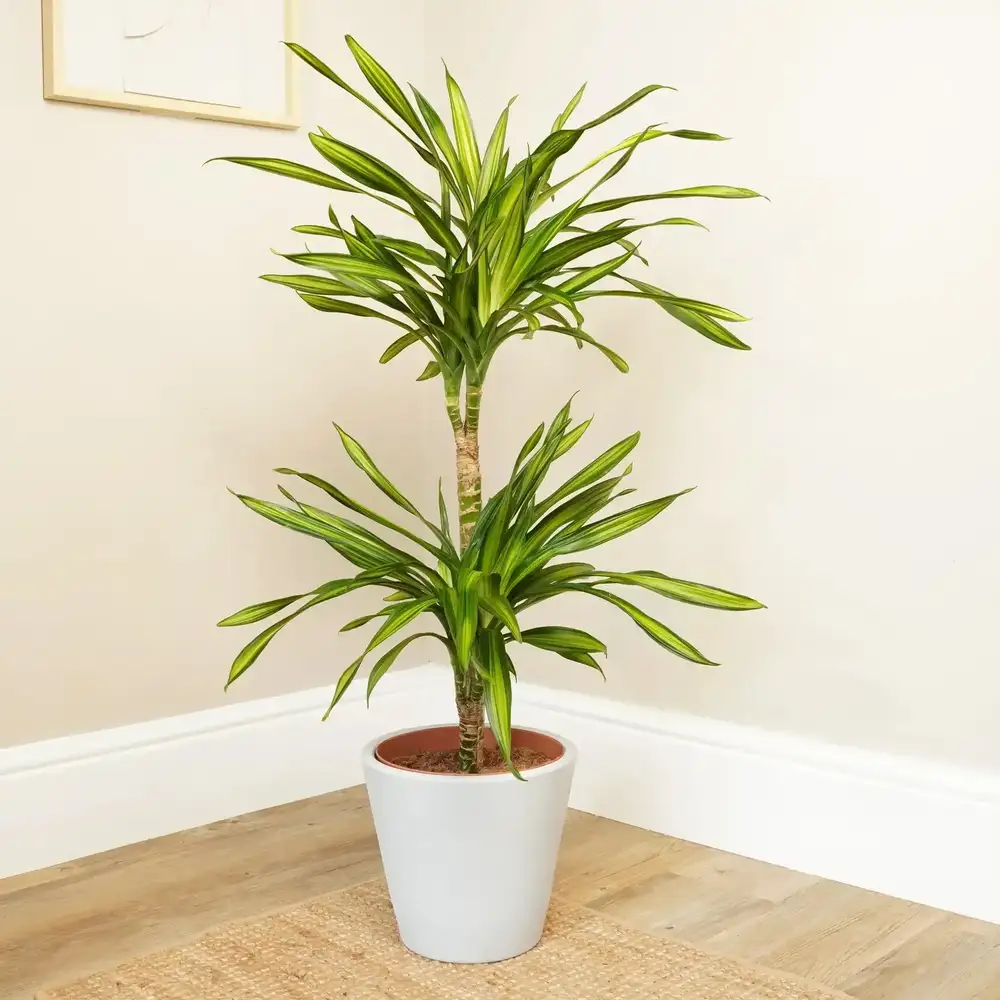
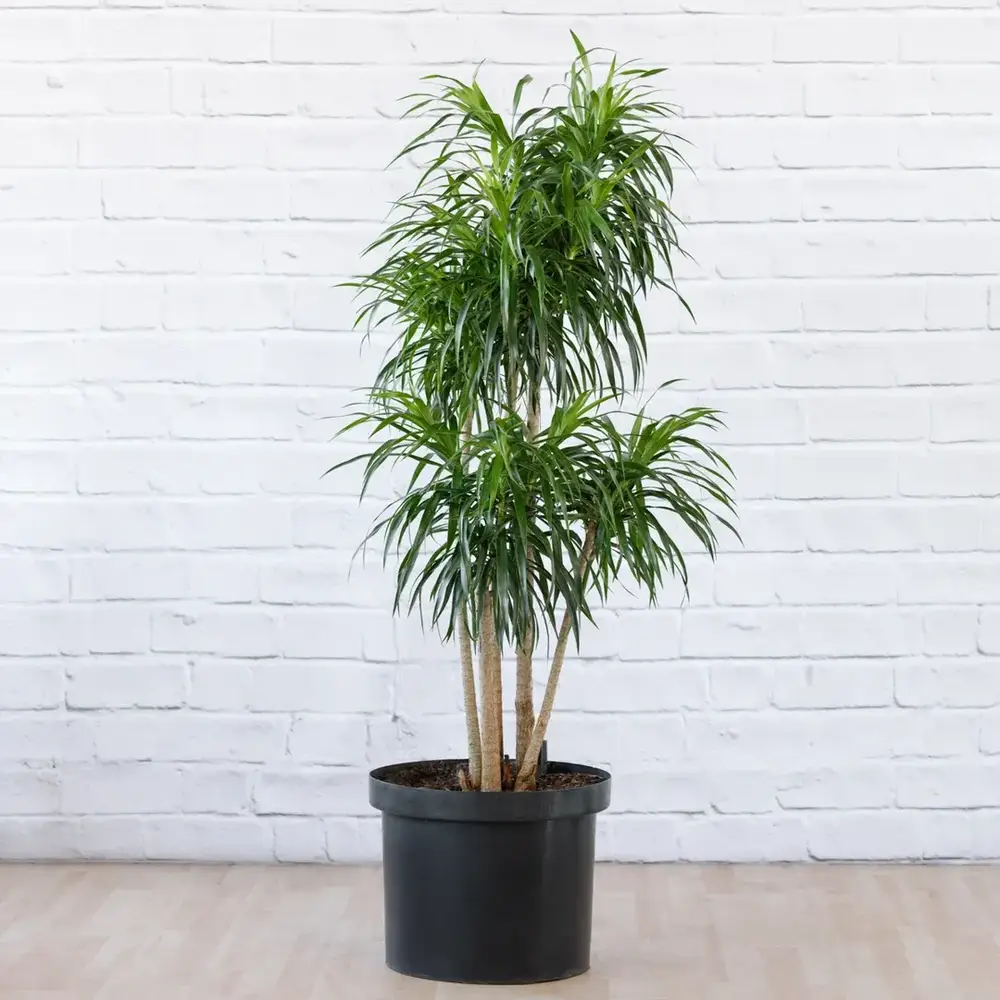
Match the cultivar to your room. Compact Janet Craig types fit smaller spaces, corn plants and mass cane create taller floor-plant silhouettes, while narrow-leaved dragon-tree forms suit bright rooms with a lighter visual profile. If the plant label is vague, ask the seller for the species or cultivar name so mature size is easier to predict.
Buying Checklist
Firm Healthy Canes
Stems should feel solid, not soft, dark, hollow, or collapsing near the soil line.
Balanced Foliage
Choose leaves with good color and only minor cosmetic tip damage rather than widespread yellowing or scorch.
Well-Drained Pot
Confirm the nursery pot has open drainage and the mix is not waterlogged or foul-smelling.
No Hidden Pests
Inspect leaf undersides, cane joints, and new growth for mites, scale, mealybugs, webbing, or sticky residue.
Right Type for Your Space
Check the cultivar name and expected mature height so a compact desk plant does not become an oversized floor plant—or vice versa.
Frequently Asked Questions
Most common Dracaena houseplants grow best in bright, indirect or filtered light. Many tolerate lower light, but growth usually slows and variegated cultivars may lose some contrast.
Brown tips are commonly linked with dry indoor air, inconsistent watering, fluoride sensitivity, or fertilizer and mineral salts building up in the potting mix. Review all of these factors rather than assuming the plant simply needs more water.
Water by soil condition rather than by a fixed weekly schedule. Let about the top inch of mix dry slightly, then water thoroughly and drain the excess. Plants in winter or lower light usually need water less often.
Yes. Healthy canes can be cut back to control height, and new shoots commonly develop below the cut. Stem sections and healthy tips can also be used for propagation.
No. ASPCA lists Dracaena species as toxic to cats and dogs, with saponins associated with signs such as vomiting, drooling, reduced appetite, and depression. Keep the plant out of reach of pets that chew foliage.
Yes, after nights are reliably warm. Place it first in bright shade or filtered light and acclimate gradually. Bring it back indoors before cold weather; common corn-plant types should be kept above about 50°F.
Modern botanical treatments place many plants formerly classified as Sansevieria within Dracaena. Their care can still differ from cane-forming Dracaenas because many snake plants are more succulent and tolerate much drier soil.
Related Plants
Explore Similar Indoor Plants
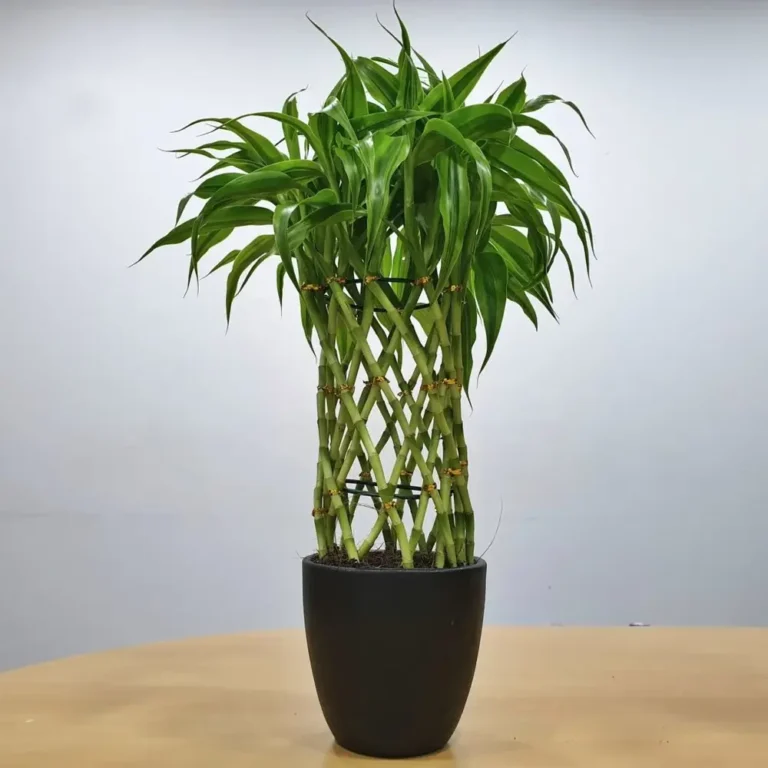
Dracaena
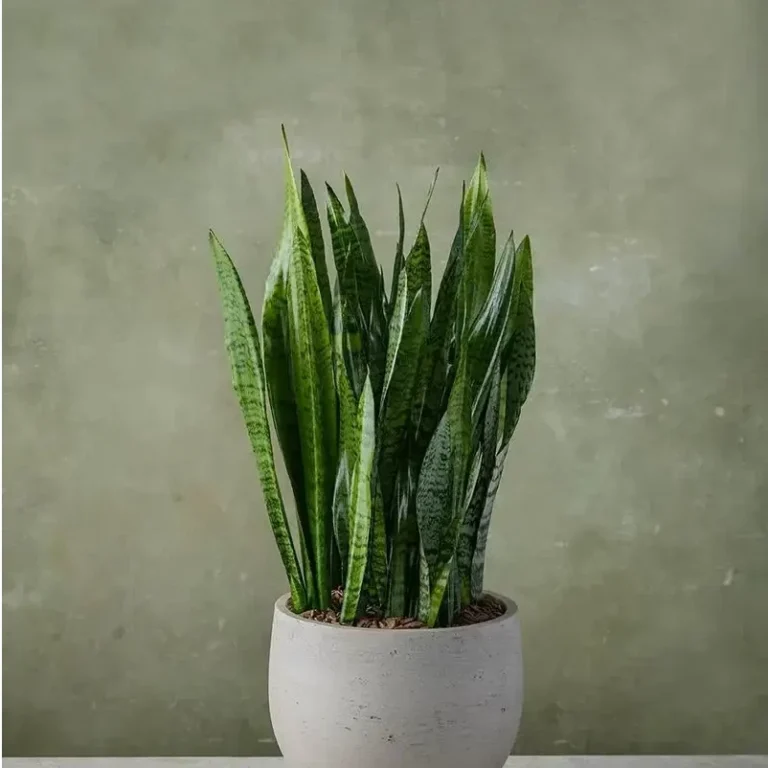
Dracaena
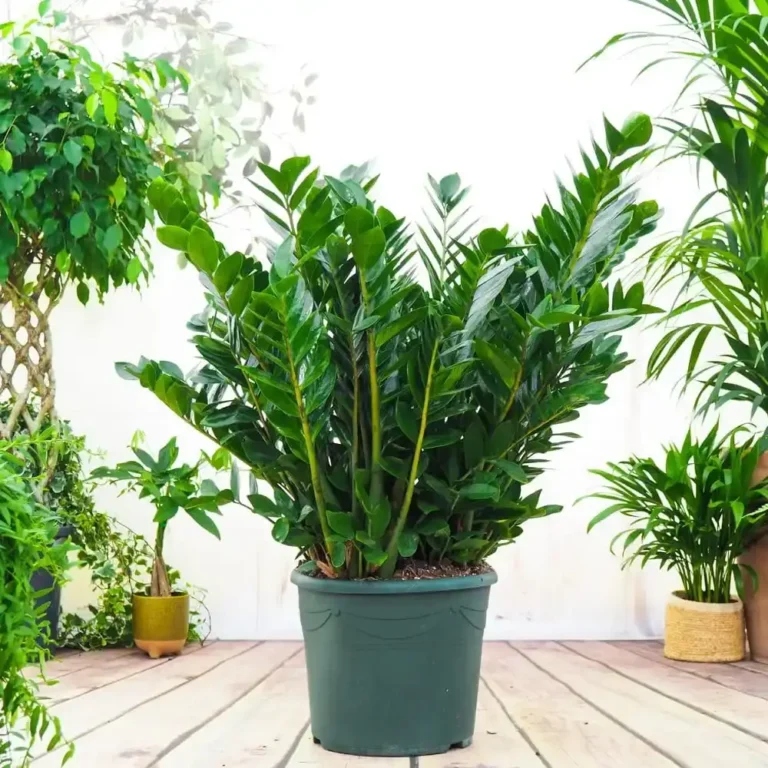
Zamioculcas