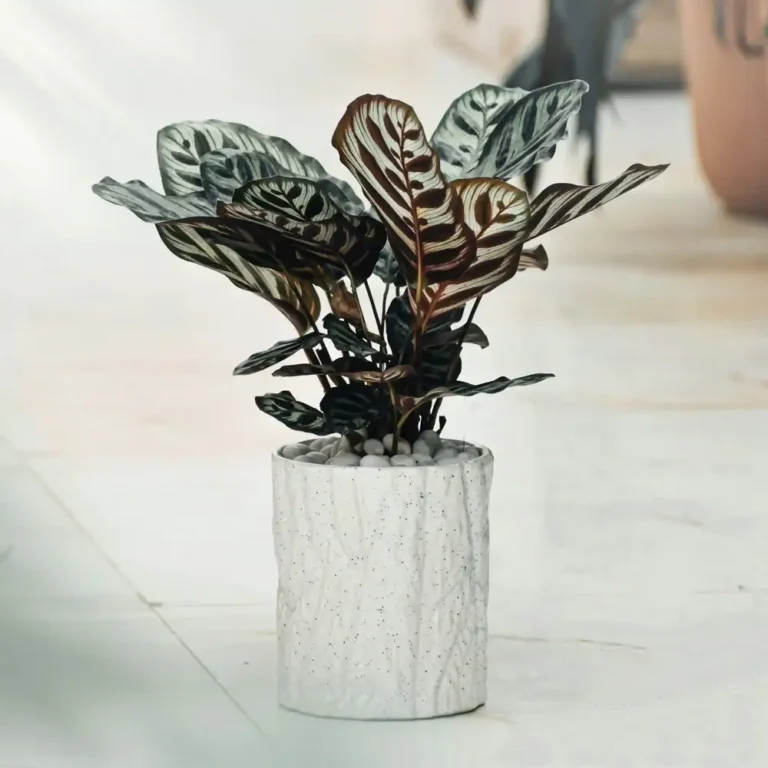
- Jewel Alocasia Houseplant
Compact Tropical Aroid Perennial
Care + Buying Guide
Dragon Scale Care
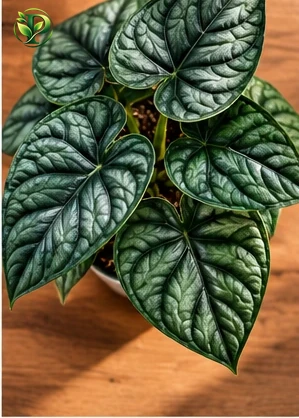
Dragon Scale Alocasia (Alocasia baginda ‘Dragon Scale’) is a compact tropical aroid prized for thick, deeply textured leaves that resemble reptile scales. For reliable Dragon Scale Care, give it bright indirect light, warm temperatures, high humidity, and an airy potting mix that drains quickly while holding some moisture. Water only after the upper 1–2 inches of mix have begun to dry, then drain the pot completely. Avoid cold drafts, harsh afternoon sun, and constantly wet soil. This jewel Alocasia grows more slowly than many large elephant-ear types, so steady conditions are more useful than frequent repotting or heavy feeding.
COLLECTOR FAVORITE
🐉 Textured Scale-Like Leaves
☀️ Bright Indirect Light
🌫️ High Humidity Lover
🪴 Compact Jewel Alocasia

Care Guide
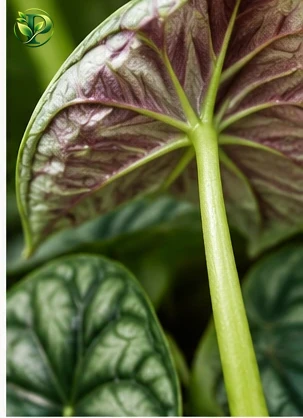
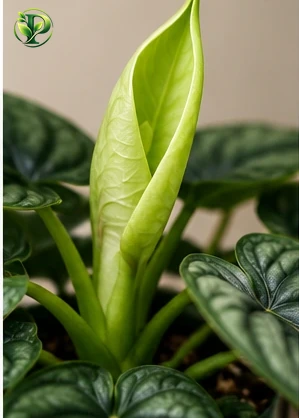
About Dragon Scale Alocasia
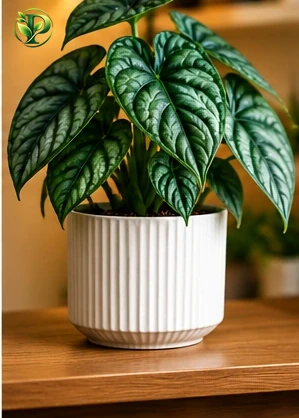
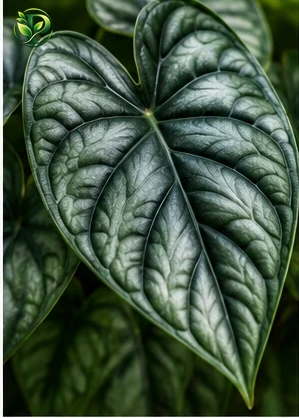
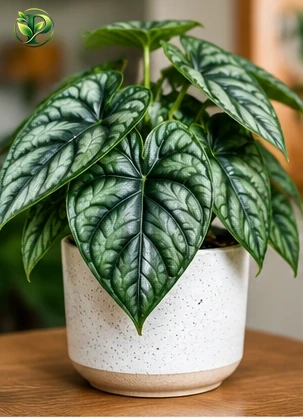
Dragon Scale Alocasia is the horticultural name commonly used for Alocasia baginda ‘Dragon Scale’, a compact member of the aroid family Araceae. The species is native to Borneo (Kalimantan), where Kew records it from the wet tropical biome. Its most distinctive feature is the foliage: thick, stiff leaves with deeply impressed dark veins and raised silvery-green to deep-green sections that create the “dragon scale” appearance.
Unlike giant landscape Alocasias, this plant stays relatively compact indoors and is grown mainly for foliage rather than flowers. It prefers warm, humid conditions, bright filtered light, and an oxygen-rich root zone. A chunky aroid mix helps balance the moisture it wants with the drainage its corm and roots need.
For U.S. homes, successful Dragon Scale Care usually means protecting the plant from dry furnace air, cold air-conditioning drafts, soggy soil, and strong afternoon sun. Growth can slow noticeably in winter, especially when light levels fall, so watering and fertilizer should be adjusted to match active growth rather than a fixed schedule.
Plant Information
Difficulty
Intermediate
Light
Bright Indirect Light
Water
Let Top 1–2 in Dry
Humidity
60%+ Preferred
Temperature
65–80°F (18–27°C)
Growth Rate
Slow to Moderate
Pet Friendly
No
Indoor Height
1–2 ft Typical
Repotting
Every 1–2 Years or Root-Bound
Native Range
Borneo (Kalimantan)
History of Dragon Scale Alocasia
Alocasia baginda is a relatively recent botanical addition compared with many long-cultivated houseplants. The species was formally published in 2011 by Alistair Kurniawan and Peter C. Boyce in Acta Phytotaxonomica et Geobotanica. Kew now accepts the species and records its native range as Borneo (Kalimantan), where it belongs to the wet tropical flora.
The original botanical description highlighted the plant’s unusually stiff, thick foliage and its relationship to other compact Bornean Alocasias. Its dark matte-green leaf surface, pale raised sections, and strongly textured appearance made the species especially attractive to aroid collectors. The horticultural selection sold as ‘Dragon Scale’ became popular because those sculpted veins and bullate leaf surfaces resemble overlapping reptile armor.
In the U.S. houseplant market, Dragon Scale moved from specialty aroid collections into broader online and nursery sales as interest in compact “jewel Alocasias” increased. It is still more demanding than many beginner houseplants, but modern indoor growing methods—humidifiers, grow lights, airy aroid mixes, and careful watering—have made it much easier to maintain successfully in apartments and homes.
Plant Specifications
Botanical Name
Alocasia baginda ‘Dragon Scale’
Family
Araceae
Plant Type
Tropical Rhizomatous Aroid
Growth Habit
Compact, Upright, Clumping
Indoor Height
1–2 ft Typical
Light Requirement
Bright Indirect / Filtered Light
Watering
Water When Top 1–2 in Dry
Humidity
60%+ Preferred
Temperature
65–80°F; Protect Below 55°F
Soil
Chunky, Airy Aroid Mix
USDA Hardiness
Zones 10a–12b Outdoors
Repotting
Every 1–2 Years or When Root-Bound
Pet Safety
Toxic if Chewed
Native Range
Borneo (Kalimantan)
Dragon Scale Care Guide
Focus on stable warmth, filtered light, humidity, and a well-aerated root zone. Most Dragon Scale problems start when the plant stays too wet, becomes too dry for too long, or sits in cold, dry indoor air.
Light & Placement
Give Dragon Scale bright indirect or filtered light. An east-facing window, bright north-facing window, or a position a few feet back from a sunny south or west window can work well in U.S. homes.
Avoid sudden exposure to intense midday or afternoon sun, which can scorch the textured leaves. In darker winter months, a grow light can help maintain steadier growth.
Watering & Drainage
Water when the top 1–2 inches of the potting mix have started to dry, then soak the root ball thoroughly and empty the saucer. Do not keep the pot continuously saturated.
Water use slows in winter and in lower light. Yellowing leaves, soft petioles, or a sour-smelling mix can indicate that the root zone is staying wet too long.
Soil & Repotting
Use a chunky aroid mix with strong aeration, such as potting mix or coco coir blended with orchid bark and perlite or pumice. The container must have drainage holes.
Repot only when roots are crowded, the mix has broken down, or drainage has become poor. Dragon Scale can resent unnecessary root disturbance, so move up only one pot size at a time.
Temperature & Humidity
Warm rooms around 65–80°F (18–27°C) suit active growth. Keep the plant away from cold windows, exterior-door drafts, and direct air-conditioning vents, and avoid prolonged temperatures below about 55°F.
Humidity around 60% or higher helps leaves expand cleanly. Winter heating can dry U.S. homes sharply, making brown edges and spider-mite problems more likely.
Fertilizer
Feed lightly during active spring and summer growth with a balanced houseplant fertilizer diluted according to the label. Dragon Scale is not a plant that needs heavy feeding.
Reduce or pause fertilizer when growth slows in fall or winter. Never compensate for poor light or weak roots by adding extra fertilizer.
Pruning & Corm Propagation
Pruning is limited to removing fully yellow, damaged, or collapsed leaves with clean tools. Avoid cutting healthy leaves simply to reshape the plant.
Propagation is usually done by division or by separating small corms produced around the parent plant. Wait until the plant is established and actively growing before disturbing the root zone.
Common Dragon Scale Problems
Dragon Scale symptoms often overlap, so check moisture, roots, light, humidity, and pests before making multiple changes at once. Stable care is usually more effective than frequent adjustments.
Yellow Leaves
One aging lower leaf can be normal, but repeated yellowing often points to overwatering, poor drainage, cold stress, or insufficient light. Check how long the mix stays wet before watering again.
Crispy Brown Edges
Dry leaf margins can develop from low humidity, inconsistent watering, excess fertilizer salts, or hot direct sun. In heated winter rooms, humidity and root-zone moisture are especially important to review.
Drooping or Leaf Loss
Drooping can come from dry soil, saturated roots, cold shock, or recent relocation. Feel the mix and inspect the petiole bases before adding water automatically. Seasonal leaf loss can occur when light drops sharply.
Root Rot & Soft Corm
Mushy roots, a soft crown or corm, foul-smelling mix, and collapsing petioles are serious signs of rot. Remove damaged tissue, improve drainage, and avoid keeping the pot continuously wet.
Spider Mites
Fine stippling, dull leaves, and delicate webbing are classic mite clues. Alocasias are especially vulnerable in dry indoor air, so inspect leaf undersides regularly and isolate affected plants promptly.
Small or Pale New Leaves
Undersized or weak new growth can result from low light, cool conditions, root stress, or insufficient nutrition during active growth. Increase light gradually and confirm that the roots are healthy before fertilizing more heavily.
How to Choose a Healthy Dragon Scale
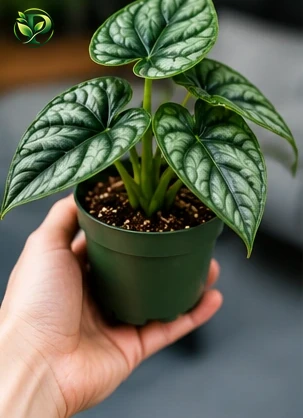
When shopping for Dragon Scale Alocasia, look for firm petioles, a solid crown, and leaves with the characteristic deep veining and textured, scale-like surface. Avoid plants with multiple yellow leaves, mushy petiole bases, blackened crown tissue, or a potting mix that is waterlogged and sour-smelling. Minor cosmetic marks on an older leaf are less concerning than active collapse at the base of the plant.
Inspect both sides of every leaf for spider mites, especially fine stippling or webbing near the veins and petiole junctions. Also check for mealybugs, scale, and thrips damage. If possible, choose a plant in a breathable, well-drained mix rather than dense peat that remains saturated for long periods. A firm, actively growing plant with one or more healthy new leaves is usually a better purchase than a larger specimen showing root stress.
Read the label carefully because Dragon Scale and Silver Dragon are different horticultural selections of Alocasia baginda. Dragon Scale is typically darker and greener, while Silver Dragon is paler and more silvery. For the best long-term result, buy the cultivar you actually want and make sure your home can provide bright indirect light, warm temperatures, and reliable humidity.
Buying Checklist
True Dragon Scale Foliage
Look for thick, deeply textured leaves with dark veins and the darker green coloration typical of Dragon Scale rather than Silver Dragon.
Firm Crown & Petioles
Avoid soft, collapsing, translucent, or blackened tissue around the crown and leaf bases.
No Spider Mites
Inspect leaf undersides for stippling, webbing, mites, and other hidden pest activity before bringing the plant home.
Airy Potting Mix
Choose a plant in a freely draining medium and a pot with working drainage holes rather than dense, waterlogged soil.
Correct Cultivar Label
Confirm the nursery label says Alocasia baginda ‘Dragon Scale’ if that is the foliage form you want.
Frequently Asked Questions
Dragon Scale plant leaves often turn yellow from overwatering, poor drainage, low light, or cold drafts. In U.S. homes, winter heating and cold windows can also stress the plant. Check soil moisture, roots, light, and pests before watering again.
For Alocasia, top watering is usually best. Water slowly and evenly until excess water drains from the bottom, then empty the saucer. Let the top 1–2 inches of soil dry slightly before watering again, and avoid leaving the roots sitting in water.
Yes. Dragon Scale Alocasia can flower, especially when mature and growing in good conditions. The flowers are usually small, pale green or cream, and look more like a typical aroid bloom than a showy flower. Indoors, flowering is less common, and most growers value the plant mainly for its textured foliage.
Dragon Scale Alocasia is generally a moderate grower, not a very fast one. During spring and summer, it may produce new leaves regularly when given bright indirect light, warmth, humidity, and proper watering. Growth usually slows significantly in fall and winter in many U.S. homes.
Dragon Scale Alocasia can live 5–10 years or longer indoors with proper care. In U.S. homes, consistent warmth, bright indirect light, good drainage, and moderate humidity help extend its lifespan. Seasonal leaf loss or winter dormancy does not always mean the plant is dying.
Coffee grounds are not the best fertilizer for Dracaena. They can make the soil too acidic, compact the potting mix, and hold excess moisture. For healthier growth, use a balanced liquid houseplant fertilizer at reduced strength during spring and summer.
No. Alocasia species contain insoluble calcium oxalates and are toxic to cats and dogs if chewed, causing oral irritation, drooling, vomiting, and difficulty swallowing.
Related Plants
Explore Similar Tropical Houseplants
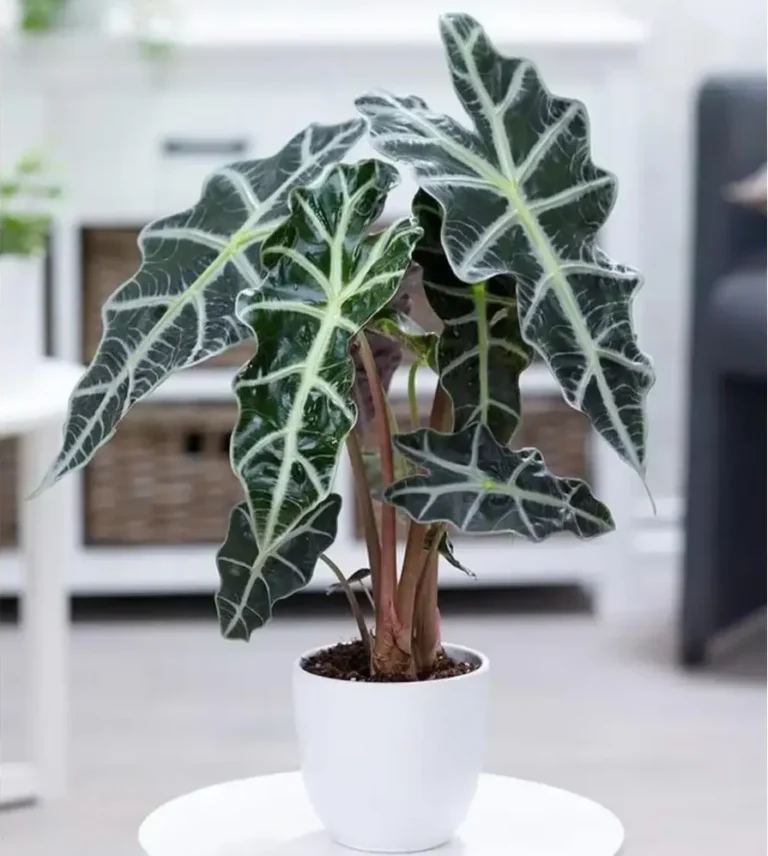
Alocasia
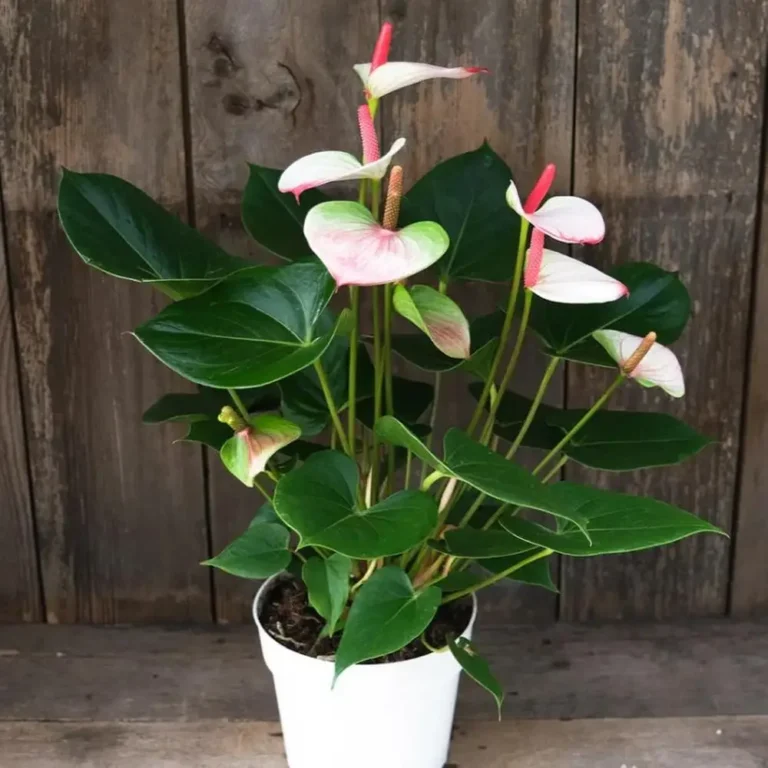
Anthurium
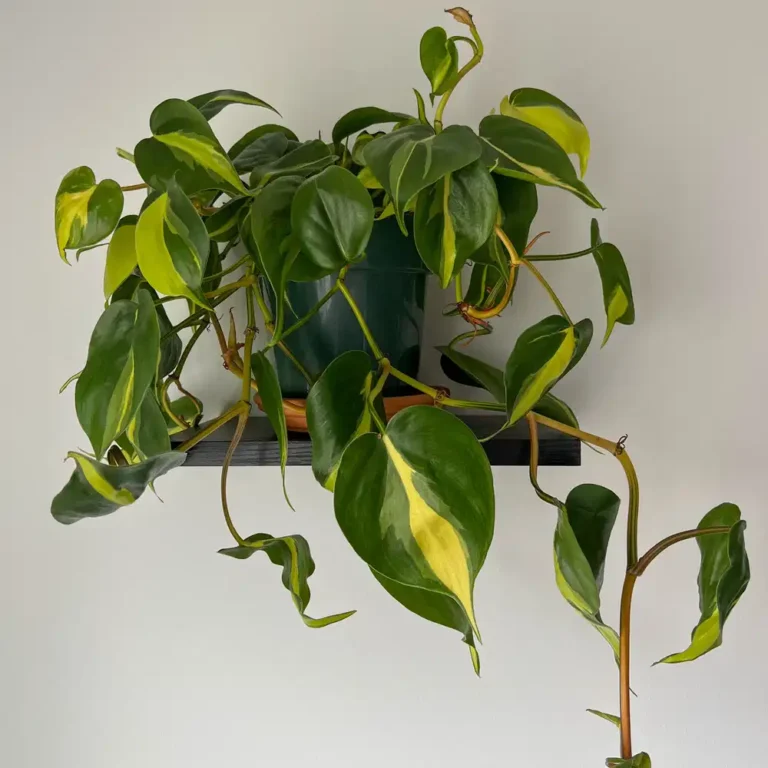
Philodendron