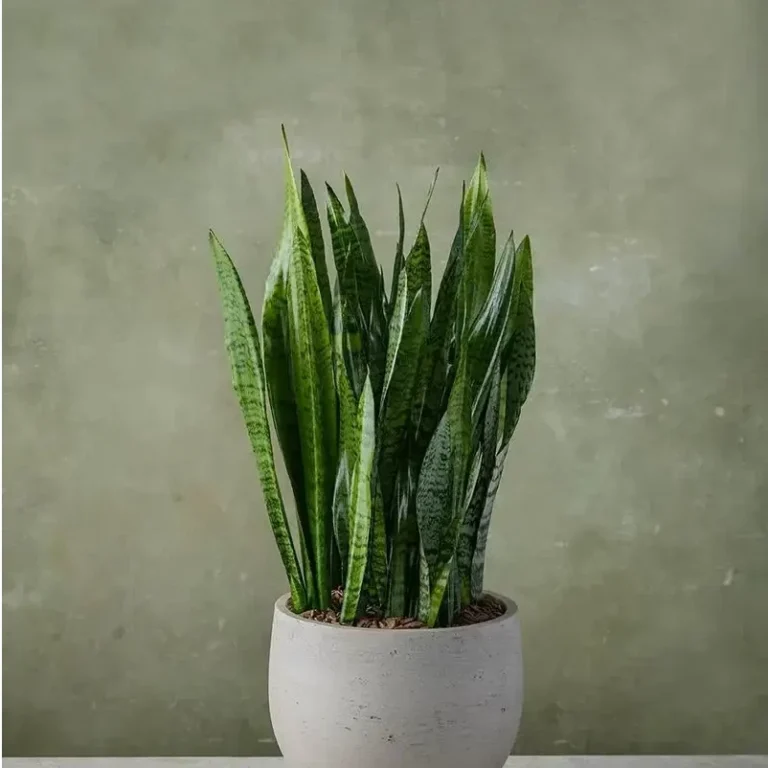
Aloe Vera Plant Care Guide with Detail & Buying Tips
- Low-Maintenance Succulent
Evergreen Succulent Perennial
Care + Buying Guide
Aloe Vera Plant Care
Aloe Vera (Aloe vera) is a popular low-maintenance succulent known for its thick, fleshy leaves arranged in compact rosettes. For healthy indoor growth, place Aloe Vera in bright indirect light or a sunny location where it can receive plenty of light without sudden exposure to harsh midday sun. Use a fast-draining cactus or succulent potting mix and allow the soil to dry well between waterings. Aloe Vera stores water in its leaves, so overwatering and continuously wet soil are much more dangerous than brief dry periods. Average household humidity is usually suitable, while warm temperatures, good drainage, and light feeding during active growth help maintain firm, healthy foliage.
FAMOUS PLANT
🌿 Fleshy Evergreen Rosette
☀️ Bright Indirect Light
🪴 Beginner Friendly
💧 Drought Tolerant

Care Guide
About Aloe Vera
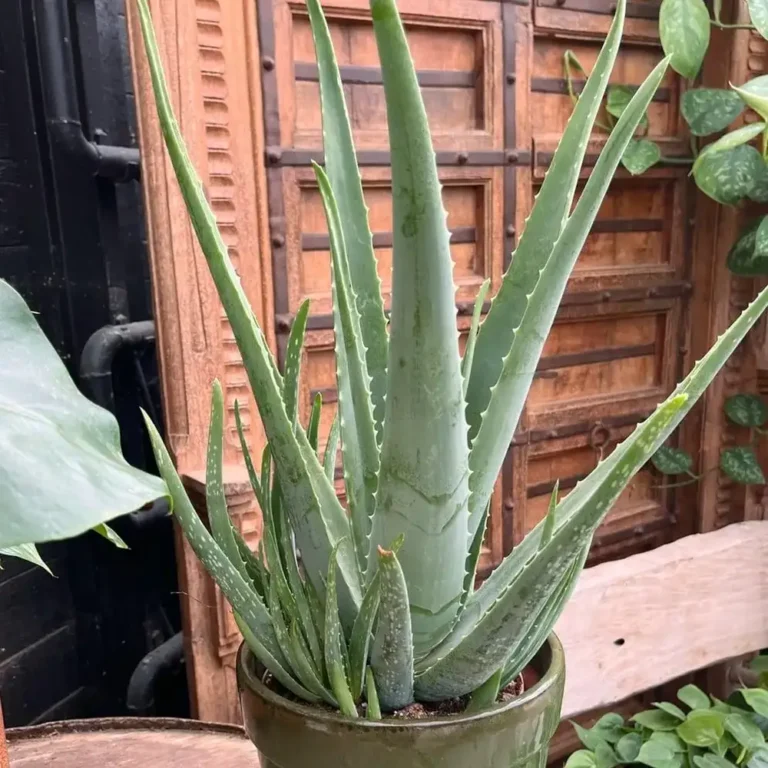
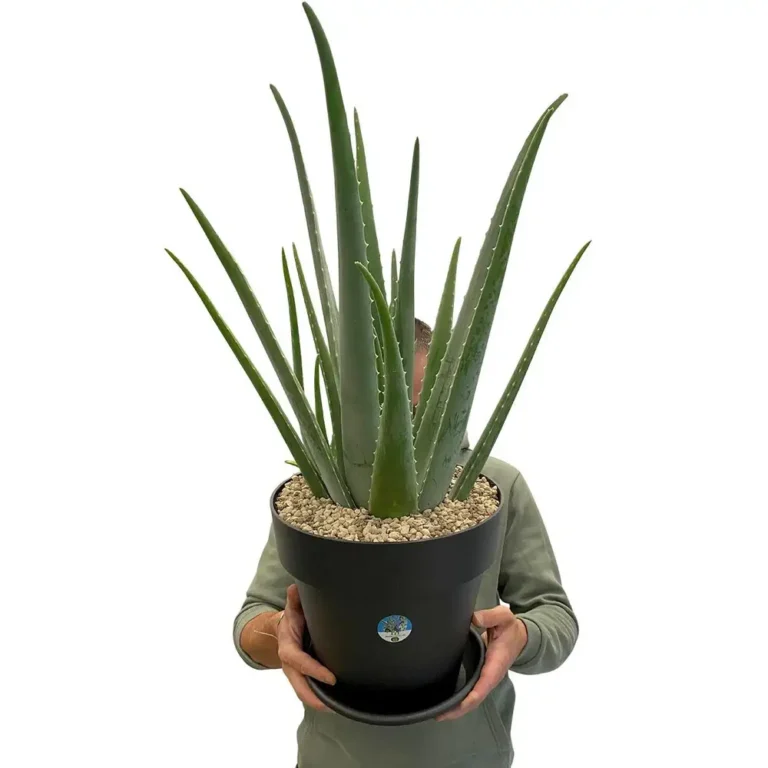
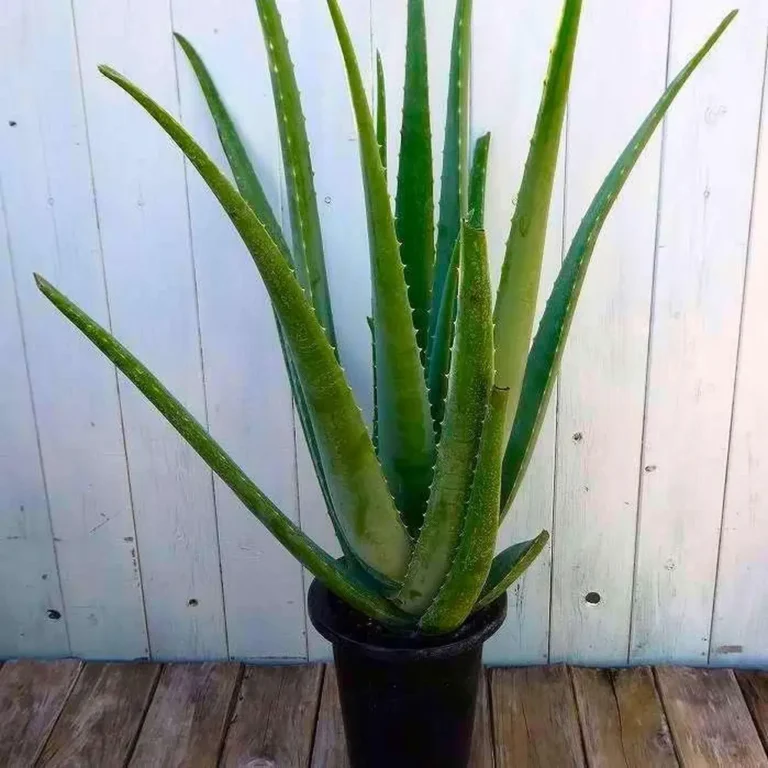
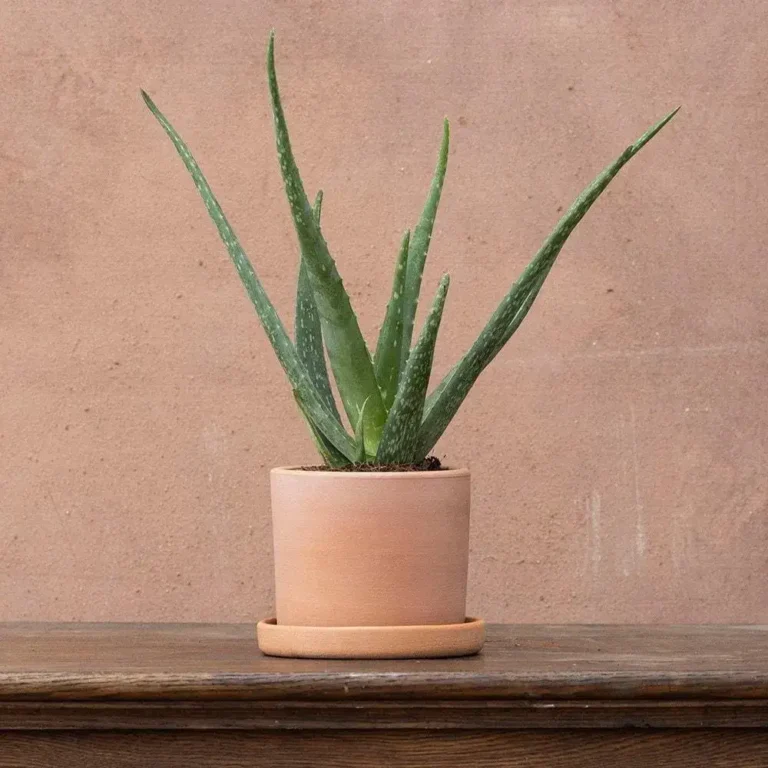
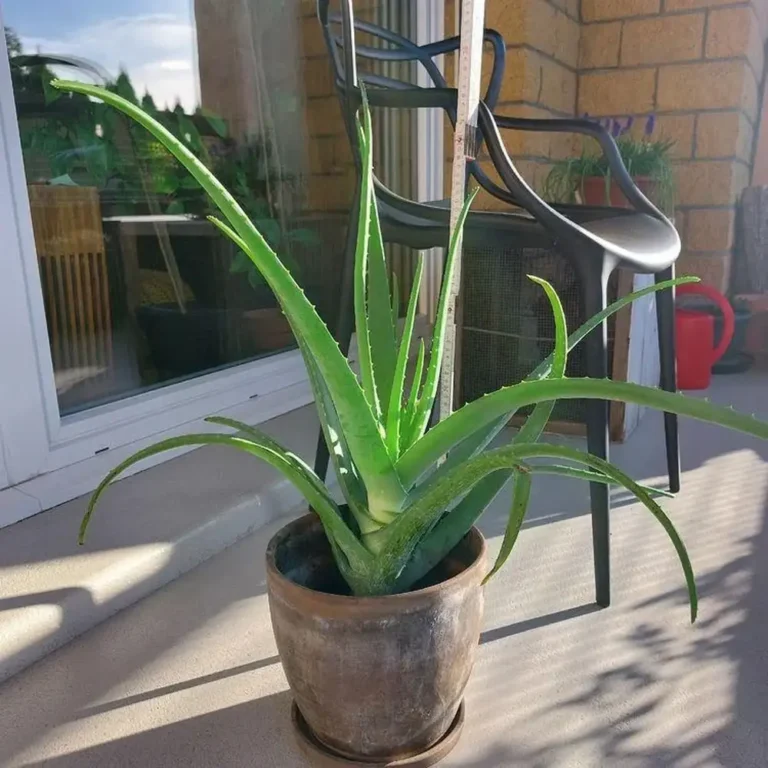
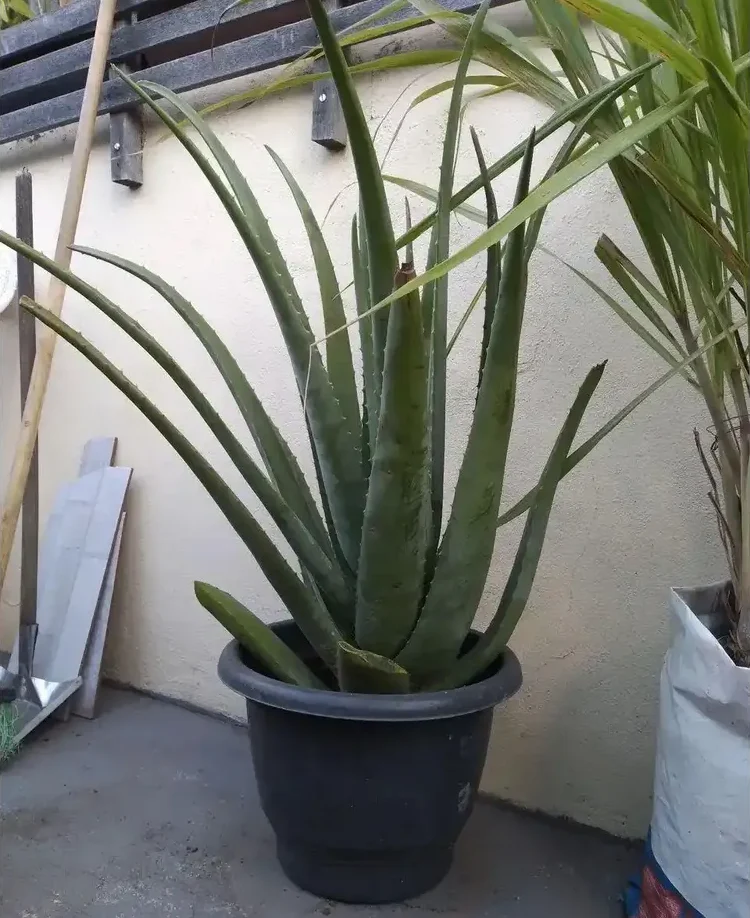
Aloe Vera (Aloe vera) is an evergreen succulent perennial belonging to the Asphodelaceae family. It develops a dense rosette of thick, fleshy, grey-green to green leaves with small teeth along their margins. Individual leaves can grow roughly 50 cm long under favorable conditions, while established plants frequently produce offsets, or “pups,” around the base and gradually develop into wider clumps.
The fleshy leaves contain water-storing tissue that helps Aloe Vera tolerate dry conditions. This drought-adapted structure is one reason the plant performs well as a low-maintenance indoor succulent, provided its root system is protected from prolonged moisture and poor drainage. It prefers plenty of light, freely draining soil, and relatively dry air compared with many tropical foliage houseplants.
Mature Aloe Vera plants can also produce tall flowering stems bearing tubular yellow to greenish-yellow flowers. Plants are grown primarily for their sculptural foliage indoors, although flowering may occur when mature specimens receive strong light and suitable growing conditions. Aloe Vera is widely cultivated around the world and has become one of the most recognizable succulent houseplants.
Plant Information
Difficulty
Easy
Light
Bright Indirect Light / Sunny Position
Water
Let Soil Dry Between Waterings
Humidity
Low to Average Household
Temperature
13–27°C (55–81°F) Preferred
Growth Rate
Slow to Moderate Indoors
Pet Friendly
No
Indoor Height
1.5–3 ft at Maturity
Repotting
Every 2–3 Years or Root-Bound
Native Range
Northern Oman — Hajar Mountains
History of Aloe Vera
Aloe Vera has a long history of cultivation and human use, and its botanical naming history extends back to the eighteenth century. Carl Linnaeus recorded the plant in 1753 as Aloe perfoliata var. vera. The botanical combination Aloe vera (L.) Burm.f. was subsequently published by Nicolaas Laurens Burman in 1768, and Aloe vera is now the accepted species name.
The plant has also been known under several other scientific names. One of the best-known is Aloe barbadensis, published by Philip Miller in 1768, while Aloe vulgaris is another historical synonym. These older names can still appear in horticultural literature, cosmetic product descriptions, and older references, but Aloe vera is the currently accepted botanical name.
Over centuries of cultivation, Aloe Vera was transported far beyond its original range and became established across many warm regions. Current botanical records identify northern Oman, particularly the Hajar Mountains, as its native range.
Today Aloe Vera is cultivated globally as an ornamental succulent, indoor houseplant, and commercial crop. Its long history, distinctive water-storing leaves, easy-care reputation, and widespread cultivation have made it one of the most familiar succulents in modern plant culture.
Plant Specifications
Botanical Name
Aloe vera (L.) Burm.f.
Family
Asphodelaceae
Plant Type
Evergreen Succulent Perennial
Growth Habit
Rosette-Forming, Suckering
Indoor Height
1.5–3 ft at Maturity
Light Requirement
Bright Indirect to Sunny
Watering
Allow Mix to Dry Between Waterings
Humidity
Low to Average Household
Temperature
13–27°C (55–81°F)
Soil
Gritty, Fast-Draining Succulent Mix
Support
None Required
Repotting
Every 2–3 Years or When Root-Bound
Pet Safety
Toxic if Ingested
Native Range
Northern Oman — Hajar Mountains
Aloe Vera Care Guide
Use these practical Aloe Vera care guidelines to maintain firm leaves, healthy roots, steady growth, and reduce the risk of overwatering and succulent root problems.
Light & Placement
Aloe Vera grows best with plenty of light. Indoors, place it close to a bright south- or west-facing window where it receives strong filtered or indirect sunlight.
Best placement: a sunny, well-ventilated room. If a plant has been growing in weaker light, introduce stronger direct sunlight gradually because sudden intense exposure may brown or scorch the leaves.
Watering & Drainage
Water Aloe Vera deeply, then allow the potting medium to dry before watering again. Make sure all excess water can escape through drainage holes.
Avoid watering on a rigid schedule. Frequency changes with temperature, season, light, pot size, and soil. Reduce watering significantly during winter because continuously wet soil can cause root rot.
Soil & Repotting
Use a loose, gritty, well-draining cactus or succulent potting mix. Additional horticultural grit or coarse material can improve drainage when necessary.
Repot about every 2–3 years, or when the plant becomes root-bound or crowded with offsets. Always use a container with adequate drainage holes.
Temperature & Humidity
Aloe Vera prefers warm indoor conditions, with approximately 13–27°C (55–81°F) being suitable for routine houseplant growth. Protect it from cold drafts and frost.
High humidity is unnecessary. Normal household humidity is generally suitable, and frequent misting is not recommended because excess moisture can increase the risk of rot.
Fertilizer
Aloe Vera requires relatively little fertilizer. During active spring and summer growth, use a diluted general-purpose or succulent-appropriate liquid fertilizer according to the product label.
Avoid heavy or frequent feeding, and reduce or stop fertilizing when growth naturally slows during autumn and winter.
Pruning & Leaf Cleaning
Aloe Vera does not require regular structural pruning. Remove fully dead, badly damaged, or rotting leaves close to their base using a clean, sharp knife or pruning tool.
Keep the foliage reasonably clean and avoid damaging healthy leaves unnecessarily, because cuts can create openings for decay or disease.
Common Aloe Vera Problems
Aloe Vera problems often relate to excess moisture, unsuitable light, cold conditions, or pests. Check soil moisture, drainage, roots, light exposure, and recent environmental changes before changing the plant’s care routine.
Yellow or Soft Leaves
Yellow, translucent, or unusually soft leaves often indicate excessive moisture, particularly when the potting mix remains wet for long periods. Reduce watering, check drainage, and inspect the base and roots for signs of decay.
Root Rot & Mushy Base
A soft, dark, or mushy base combined with unhealthy roots can indicate root or crown rot. Stop unnecessary watering, inspect the root system, remove badly rotted material where practical, and repot viable tissue into fresh, freely draining succulent mix.
Brown or Scorched Leaves
Brown, reddish, or scorched areas can develop after a plant accustomed to indoor or filtered conditions is suddenly moved into intense direct sunlight. Move it back to bright filtered light and increase sun exposure gradually.
Leaf Spots & Aloe Rust
Yellow, brown, or dark leaf spots can be associated with poor growing conditions or fungal problems. Improve air circulation, avoid prolonged leaf wetness, and correct excessive watering or cool, damp conditions.
Mealybugs
Mealybugs may collect around the base of leaves and in protected crevices, appearing as white cottony material. Inspect newly purchased plants carefully and isolate affected plants while the infestation is addressed.
Scale & Spider Mites
Scale insects and spider mites can also affect Aloe Vera. Look for attached scale-like bumps, discoloration, fine stippling, webbing, or declining foliage. Regular inspection helps catch infestations early.
How to Choose a Healthy Aloe Vera Plant
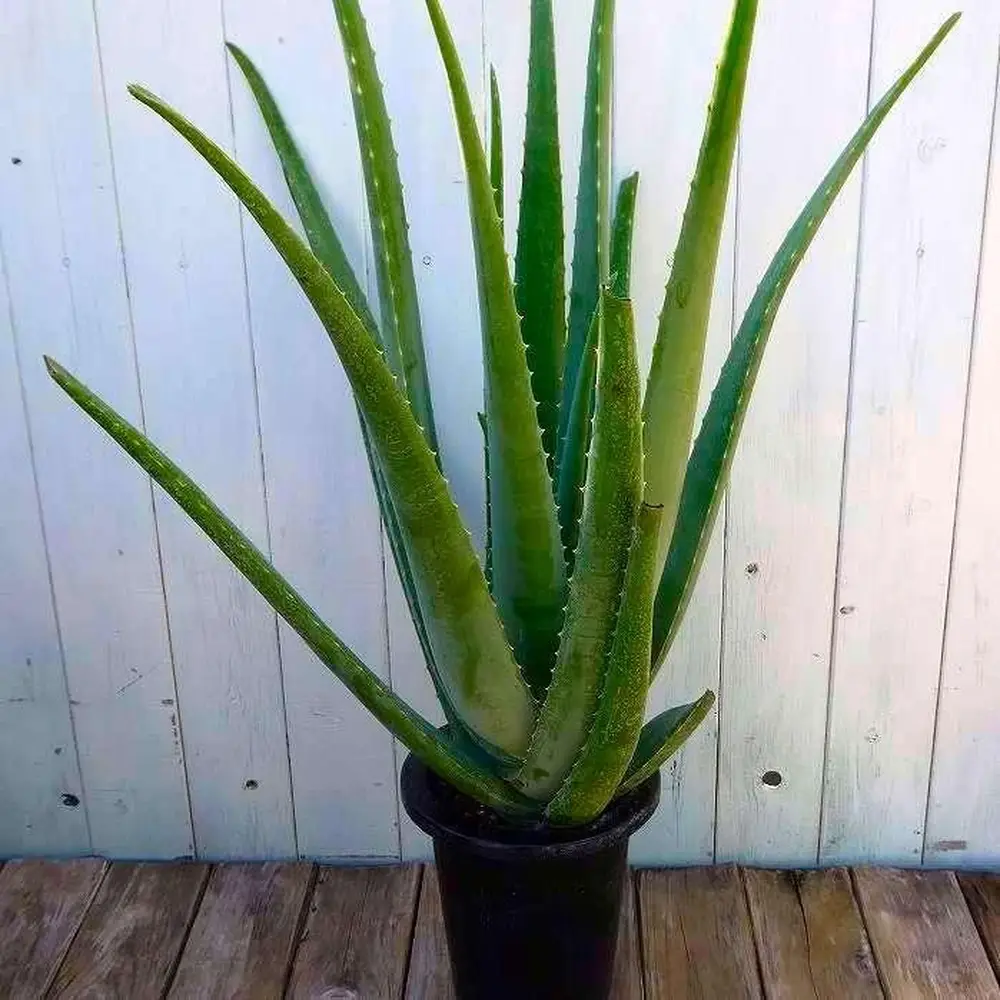
Choose a healthy Aloe Vera plant with thick, firm, fleshy leaves arranged in a stable rosette. Healthy foliage should generally feel plump rather than soft, watery, severely shriveled, or collapsing. Inspect the center and lower leaf bases for blackened, translucent, or mushy tissue, as these may indicate overwatering, crown rot, root rot, or poor drainage.
Check the Aloe Vera potting mix and container before purchasing. The soil should be reasonably loose and free-draining rather than dense and permanently saturated, and the pot should have working drainage holes. Examine visible roots where possible and avoid plants with badly rotted roots, foul-smelling soil, or a loose unstable base. Look around leaf joints and protected areas for mealybugs, scale insects, spider mites, webbing, sticky residue, or other houseplant pest symptoms.
Also confirm that you are actually purchasing Aloe vera rather than another Aloe species if identification matters to you. There are hundreds of Aloe species and many ornamental hybrids with different sizes, leaf shapes, markings, and care tolerances. A well-selected Aloe Vera houseplant with firm foliage, healthy roots, suitable succulent soil, good drainage, clean leaves, and active offsets should adapt more successfully to indoor conditions.
Buying Checklist
Firm, Healthy Leaves
Choose thick, fleshy leaves that feel firm rather than watery, mushy, badly shriveled, or collapsing.
Healthy Base & Roots
The central crown and leaf bases should be solid, with no obvious black, soft, or foul-smelling rotted tissue.
Good Drainage
Choose Aloe Vera in a free-draining medium and a container with functioning drainage holes.
No Visible Pests
Inspect between leaves and around the base for mealybugs, scale insects, mite damage, sticky residue, or webbing.
Correct Plant Identification
Confirm that the label identifies the plant as Aloe vera if you specifically want true Aloe Vera rather than another Aloe species or hybrid.
Frequently Asked Questions
Place aloe near a south- or west-facing window. Use fast-draining succulent soil and a pot with drainage holes. Water only after the soil dries completely, reduce watering in winter, and protect it from freezing temperatures.
Use a diluted balanced succulent fertilizer, such as 10-10-10 or similar, during spring and summer. Feed aloe lightly every 4–6 weeks, avoid overfertilizing, and skip fertilizer during fall and winter dormancy.
Yes, you can trim brown aloe tips with clean scissors for appearance, but browning may indicate overwatering, underwatering, sunburn, cold damage, or mineral buildup. Remove only damaged tissue and correct the underlying care issue.
Aloe vera can live about 10–20 years or longer with proper indoor care. Bright light, well-draining soil, careful watering, and protection from freezing temperatures help extend its lifespan in U.S. homes.
Aloe vera can cause problems if misused. Aloe latex taken orally may cause cramps, diarrhea, dehydration, and medication interactions. The gel may irritate sensitive skin, and aloe plants can be toxic to pets if eaten.
Yes, Miracle-Gro can work for aloe vera if you use a succulent or cactus formula at reduced strength. Fertilize lightly during spring and summer, avoid overfeeding, and skip fertilizer during winter.
Coffee grounds are not recommended for aloe plants. They can retain moisture, compact soil, and alter acidity, increasing root rot risk. Use a diluted cactus or succulent fertilizer during spring and summer instead for growth.
Related Plants
Explore Similar Indoor Plants
Succulent
Succulent
Buy now