
Jade Plant Care Guide with Detail & Buying Tips
- Home
- Indoor Plants
- Jade Plant
- Low-Maintenance Succulent
Evergreen Succulent Shrub
Care + Buying Guide
Jade Plant Care
Jade Plant (Crassula ovata) is a classic low-maintenance succulent houseplant known for its thick, glossy, oval leaves and miniature tree-like form. For strong, compact growth in U.S. homes, give it bright light and, once acclimated, several hours of direct sun. Water thoroughly, then allow the potting mix to dry before watering again, and reduce watering during winter. Use a fast-draining cactus or succulent mix in a pot with drainage holes, because constantly wet soil can cause root and stem rot. Jade Plant tolerates the warm, relatively dry air common in heated and air-conditioned homes and generally needs only light feeding, occasional pruning, and infrequent repotting.
FAMOUS PLANT
🌿 Fleshy Evergreen Foliage
☀️ Bright Light / Direct Sun
🪴 Beginner Friendly
💧 Drought Tolerant

Care Guide
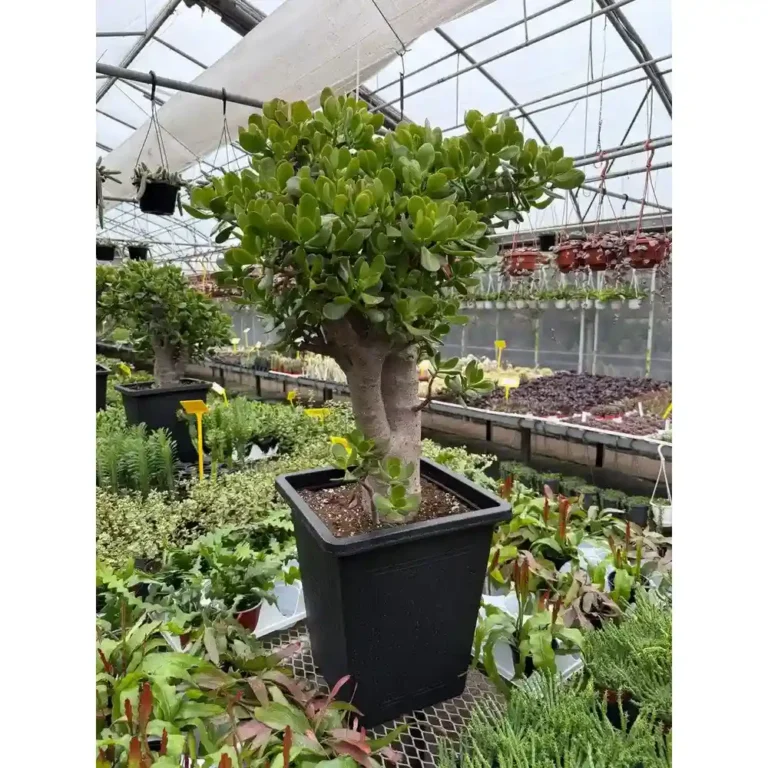
About Jade Plant
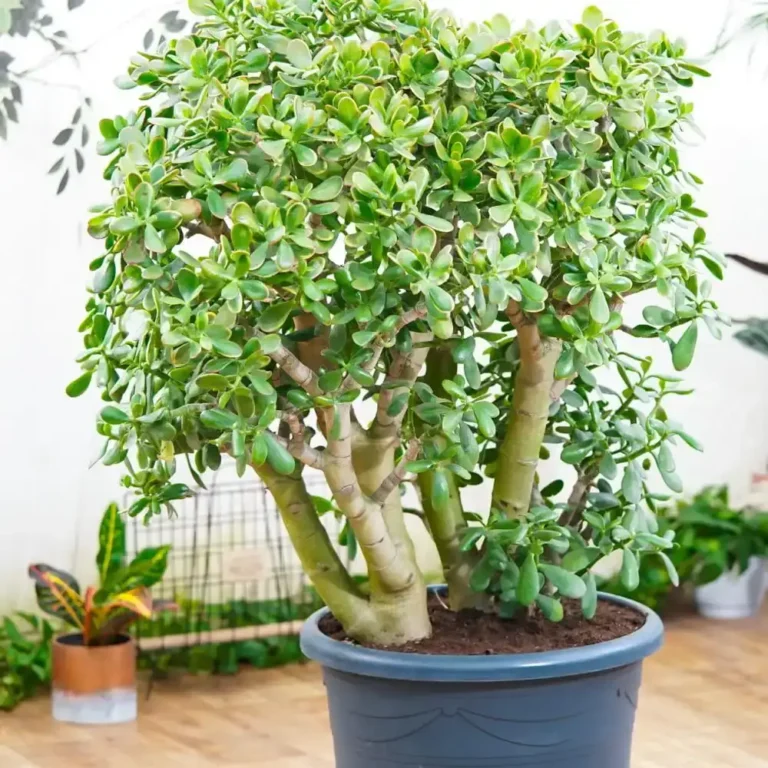
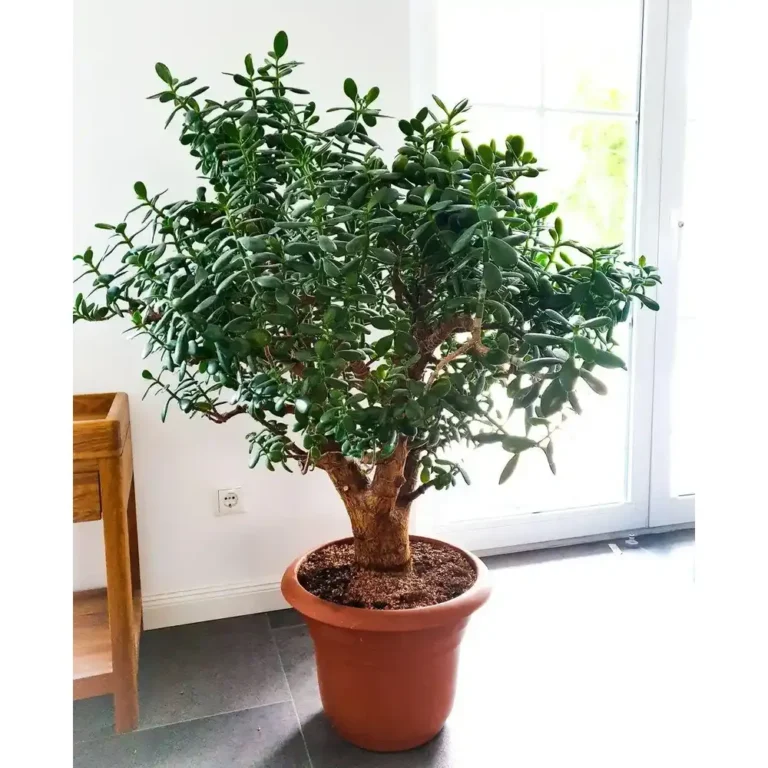
The Jade Plant (Crassula ovata) is a broadleaf evergreen succulent shrub in the Crassulaceae family. It develops thick, fleshy, oval leaves in opposite pairs on sturdy succulent stems that become brown and woody with age. With enough light, the leaf margins may develop an attractive reddish tint, and mature plants gradually take on the appearance of a miniature tree.
Jade Plants store water in their leaves, stems, and roots, which helps them tolerate dry periods and makes them well suited to the warm, relatively dry conditions found in many American homes. They grow best with strong light, excellent drainage, and a careful watering routine that allows the root zone to dry between waterings.
Mature specimens can produce clusters of small, star-shaped white or pale pink flowers. Flowering is uncommon indoors but is more likely on older plants that receive strong light, cooler nights, and naturally long nights in fall and winter. Jade Plant is widely grown as a houseplant, patio plant, and bonsai-style specimen because of its long life, sculptural form, and easy-care reputation.
Plant Information
Difficulty
Easy
Light
Bright Light; 4+ Hours Sun Ideal
Water
Let Soil Dry Between Waterings
Humidity
Low to Average Household
Temperature
65–75°F Day; 50–55°F Night
Growth Rate
Slow to Moderate
Pet Friendly
No
Indoor Height
Up to About 5 ft Indoors
Repotting
Every 2–3 Years / As Needed
Native Range
SE Mozambique to SE South Africa
History of Jade Plant
Jade Plant has a botanical history extending back to the eighteenth century. Philip Miller originally described the species in 1768 as Cotyledon ovata. The accepted modern name, Crassula ovata (Mill.) Druce, was published by British botanist George Claridge Druce in 1917. Several older names, including Crassula argentea, Crassula portulacea, and Crassula obliqua, can still appear in older horticultural references and plant labels.
The name Crassula comes from a Latin word associated with thickness, referring to the fleshy nature of plants in the genus, while ovata refers to the species’ egg-shaped leaves. Kew records its native range from southeastern Mozambique to southeastern South Africa, including the Cape Provinces and KwaZulu-Natal.
Over time, Jade Plant became a widely cultivated ornamental because its succulent tissues tolerate dry conditions, its woody stems create a tree-like silhouette, and it can live for many years in containers. It is now one of the most familiar succulent houseplants in the United States and is also grown outdoors in warm frost-free areas.
Numerous cultivars have been selected for compact growth, tubular leaves, variegation, or stronger red and gold coloration. Popular forms include ‘Gollum’, ‘Hobbit’, ‘Hummel’s Sunset’, and variegated cultivars.
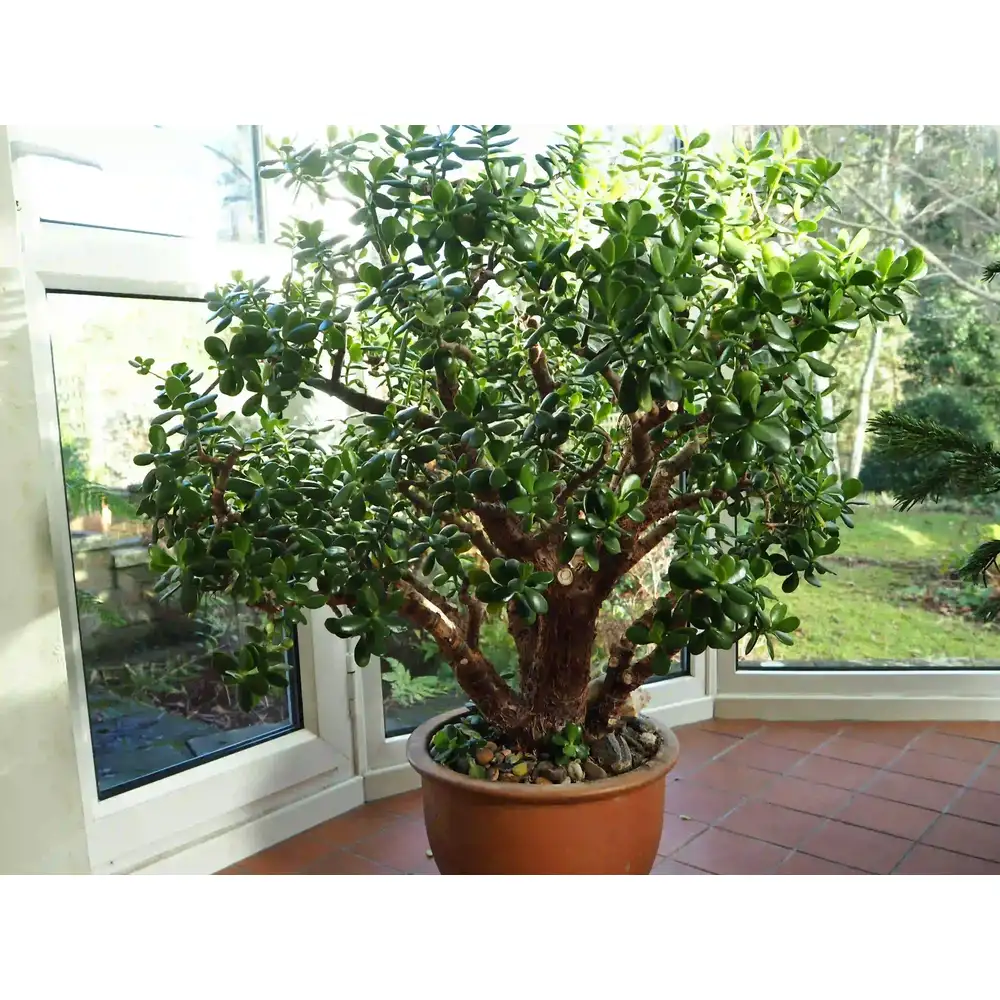
Plant Specifications
Botanical Name
Crassula ovata (Mill.) Druce
Family
Crassulaceae
Plant Type
Evergreen Succulent Shrub
Growth Habit
Erect, Branched, Tree-Like
Indoor Height
Up to About 5 ft Indoors
Light Requirement
Bright Light; 4+ Hours Sun Ideal
Watering
Dry Between Deep Waterings
Humidity
Low to Average Household
Temperature
65–75°F Day; 50–55°F Night
Soil
Fast-Draining Cactus/Succulent Mix
USDA Hardiness Zones
USDA Zones 11a–12b
Repotting
Every 2–3 Years or When Top-Heavy
Pet Safety
Toxic to Cats & Dogs if Ingested
Native Range
SE Mozambique to SE South Africa
Jade Plant Care Guide
Use these practical Jade Plant care guidelines to maintain compact growth, firm succulent leaves, healthy roots, and a strong tree-like form in U.S. indoor conditions.
Light & Placement
Jade Plant needs more light than many easy-care houseplants. For compact growth, provide bright light and ideally at least four hours of direct sun each day once the plant is acclimated.
Best placement: a bright south- or west-facing window in many U.S. homes. If moving a plant from lower light to strong direct sun or outdoors for summer, increase exposure gradually to prevent sunburn.
Watering & Drainage
Water thoroughly, then allow the potting mix to dry before watering again. Empty saucers and cachepots so the roots never sit in standing water.
Jade uses less water during the cooler, darker months. Reduce watering from fall through winter, but do not leave the plant severely dry for extended periods because extreme drought can also cause leaf drop.
Soil & Repotting
Use a fast-draining cactus or succulent potting mix in a container with working drainage holes. A gritty, high-porosity mix helps prevent the prolonged root-zone moisture that can lead to rot.
Jade can remain slightly root-bound for years. Repot about every two to three years or when the plant becomes top-heavy, unstable, or severely crowded. A sturdy terracotta or other heavy pot can help balance mature plants.
Temperature & Humidity
Jade Plants do well at typical household temperatures. A useful target is about 65–75°F during the day and 50–55°F at night.
Average to low household humidity is suitable. In winter, protect the plant from freezing temperatures, cold drafts, and direct contact with very cold window glass. Jade is not frost-hardy in most of the United States.
Fertilizer
Jade Plant is not a heavy feeder. During active spring and summer growth, apply a balanced liquid houseplant fertilizer lightly, generally a few times during the growing season according to the product label.
Avoid heavy fertilization, which can contribute to weak or overly soft growth. Reduce or stop feeding during winter when growth naturally slows.
Pruning & Leaf Cleaning
Prune in spring when needed to keep the plant compact, improve branching, or balance a top-heavy specimen. Cut stems just above a healthy branch or leaf pair using clean, sharp tools.
Remove dead, damaged, or rotting leaves and stems promptly. Dust can be wiped gently from the thick leaves with a soft cloth; routine misting is unnecessary.
Common Jade Plant Problems
Jade Plant problems often trace back to watering, drainage, light, temperature, or pests. Check the potting mix, roots, stems, light exposure, and recent environmental changes before making major care adjustments.
Soft or Yellow Leaves
Soft, yellowing leaves are often associated with too much water or soil that stays wet too long. Check drainage and let the potting mix dry before watering again. Leaf drop can also occur after severe drought, so evaluate soil moisture before changing the routine.
Root Rot & Stem Rot
Dark, mushy roots or a soft collapsing stem base can indicate rot caused by excessive moisture and poor drainage. Stop unnecessary watering, remove badly damaged tissue, and repot viable growth into fresh, fast-draining succulent mix when appropriate.
Leggy or Drooping Growth
Long spaces between leaves, weak stems, or a drooping open shape usually indicate insufficient light. Move the plant closer to a bright window or improve grow-light intensity, making changes gradually if the plant has been kept in shade.
Sunburn or Cold Damage
Pale, tan, or brown patches can develop when a low-light plant is suddenly exposed to strong sun. Frost or contact with cold winter glass can also damage succulent tissue. Acclimate plants to stronger light and protect them from freezing temperatures.
Mealybugs
Mealybugs are the most common insect pest on Jade Plants. Look for white cottony clusters where leaves join stems and around new growth. Isolate affected plants and remove pests promptly; repeat inspections because hidden insects can reappear.
Spider Mites & Scale
Spider mites and scale insects can occasionally affect Jade Plants. Watch for fine stippling, a dusty appearance, webbing, or attached scale-like bumps on leaves and stems. Inspect nearby houseplants and address infestations early.
How to Choose a Healthy Jade Plant
Choose a healthy Jade Plant with firm, plump, glossy leaves and sturdy stems. The plant should look compact rather than stretched, pale, or weak. A mature specimen may have a woody brown trunk, while younger stems can remain green or reddish. Avoid plants with widespread yellowing, large numbers of dropping leaves, blackened tissue, or soft and mushy stems, as these can indicate overwatering, root rot, stem rot, or poor drainage.
Inspect the pot and succulent potting mix. A healthy Jade Plant should be growing in a container with drainage holes and a mix that does not remain permanently saturated. If roots are visible, they should look firm rather than dark and mushy. Large, top-heavy Jade Plants benefit from a stable, heavier container that reduces the risk of tipping.
Check closely around leaf joints, branch tips, and stems for mealybugs, spider mites, scale insects, sticky residue, webbing, or distorted new growth. Also verify the cultivar name before buying. Standard Crassula ovata, ‘Gollum’, ‘Hobbit’, ‘Hummel’s Sunset’, and variegated Jade Plants differ in leaf shape, color, mature size, and light response. For U.S. homes, choose a plant that matches the amount of bright window light you can realistically provide.
Buying Checklist
Firm Fleshy Leaves
Choose plump, firm leaves with healthy color rather than soft, translucent, heavily yellowed, or badly shriveled foliage.
Healthy Stems & Roots
Avoid mushy stems, blackened roots, foul-smelling wet soil, or a loose base that suggests rot.
Good Drainage
Look for a drainage hole and a fast-draining succulent mix that is not permanently wet or compacted.
No Visible Pests
Inspect leaf joints and stems for mealybugs, scale, spider-mite damage, webbing, or sticky residue.
Correct Cultivar
Confirm whether you are buying standard Jade, ‘Gollum’, ‘Hobbit’, ‘Sunset’, variegated Jade, or another cultivar.
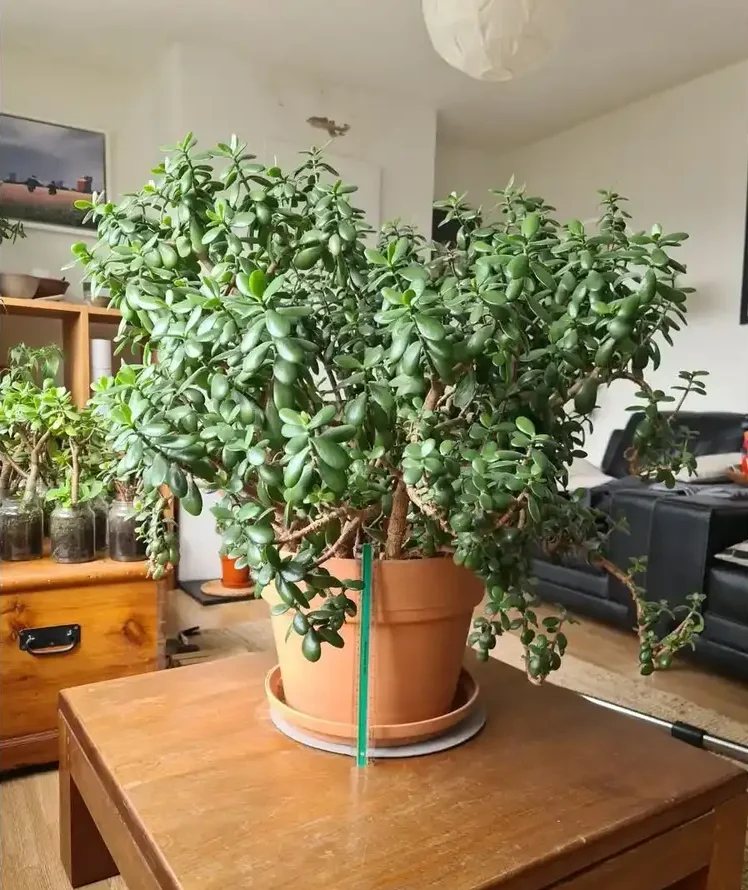
Frequently Asked Questions
Yes. Jade Plant is a durable, low-maintenance succulent that suits beginners well. The main requirements are strong light, excellent drainage, and avoiding overly frequent watering.
Bright light is best. For compact growth and good color, aim for at least four hours of direct sun once the plant is acclimated. A bright south- or west-facing window is often a good location in U.S. homes.
Do not use a fixed calendar. Water deeply, let excess water drain, and wait until the potting mix has dried before watering again. Water less often during fall and winter when growth slows.
No. Jade Plant is considered toxic to cats and dogs if ingested. Keep it away from pets that chew plants, and contact a veterinarian or poison-control service if ingestion is suspected.
Yes, but year-round outdoor culture is best limited to very warm, frost-free areas, roughly USDA Zones 11a–12b. In colder regions, it can spend summer outdoors after gradual sun acclimation but should be brought inside before frost.
Jade Plant is easy to propagate from stem or leaf cuttings. Allow a fresh cutting to dry and callus for a few days, then place it in a dry, fast-draining succulent mix and water conservatively while roots develop.
It can, but flowering indoors is uncommon. Mature plants are more likely to bloom when they receive strong light, cooler nights, reduced fall watering, and naturally long nights without extra evening light.
Related Plants
Explore Similar Indoor Plants
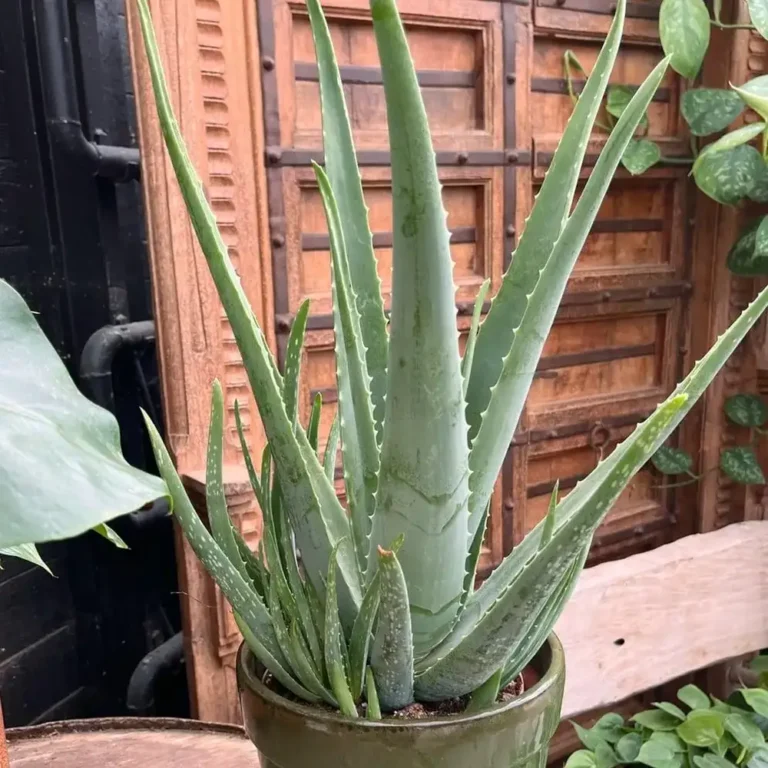
Aloe
Dracaena
Chlorophytum
