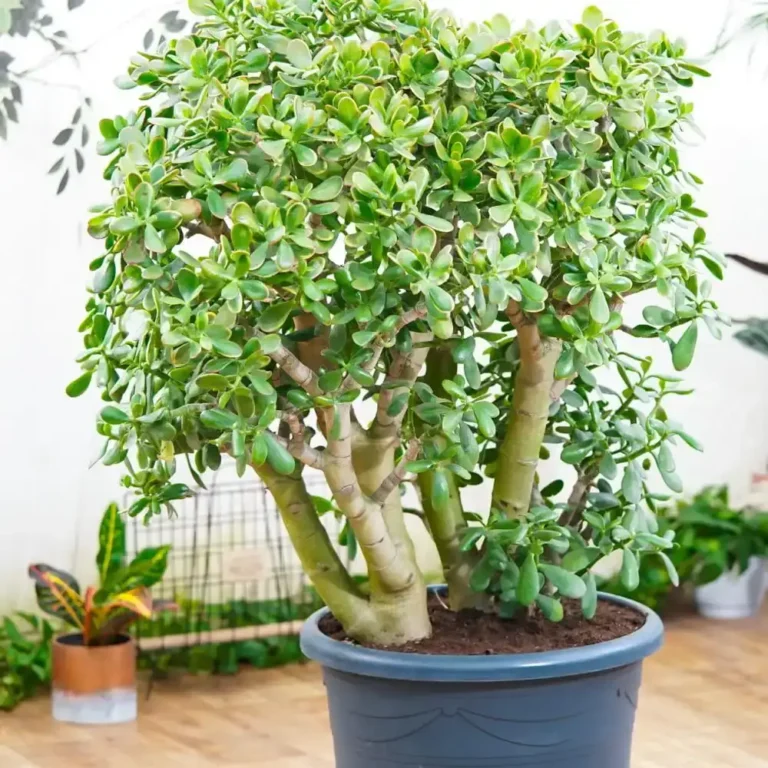
Snake Plant Care Guide with Detail & Buying Tips
- Home
- Indoor Plants
- Snake Plant
- Low-Maintenance Houseplant
Evergreen Succulent Perennial
Care + Buying Guide
Snake Plant Care
Snake Plant (Dracaena trifasciata) is a low-maintenance houseplant that thrives with simple, consistent care. Place it in low to bright indirect light, though brighter filtered light usually supports stronger growth. Allow the potting mix to dry well between waterings, then water thoroughly and let excess moisture drain away. Use a loose, well-draining soil mix and avoid leaving the roots in constantly wet conditions, as overwatering can cause root and rhizome rot. Snake Plants tolerate average household humidity and warm indoor temperatures, require only light feeding during active growth, and generally need minimal pruning or repotting.
FAMOUS PLANT
🌿 Upright Evergreen Foliage
☀️ Low to Bright Light
🪴 Beginner Friendly
💧 Drought Tolerant

Care Guide
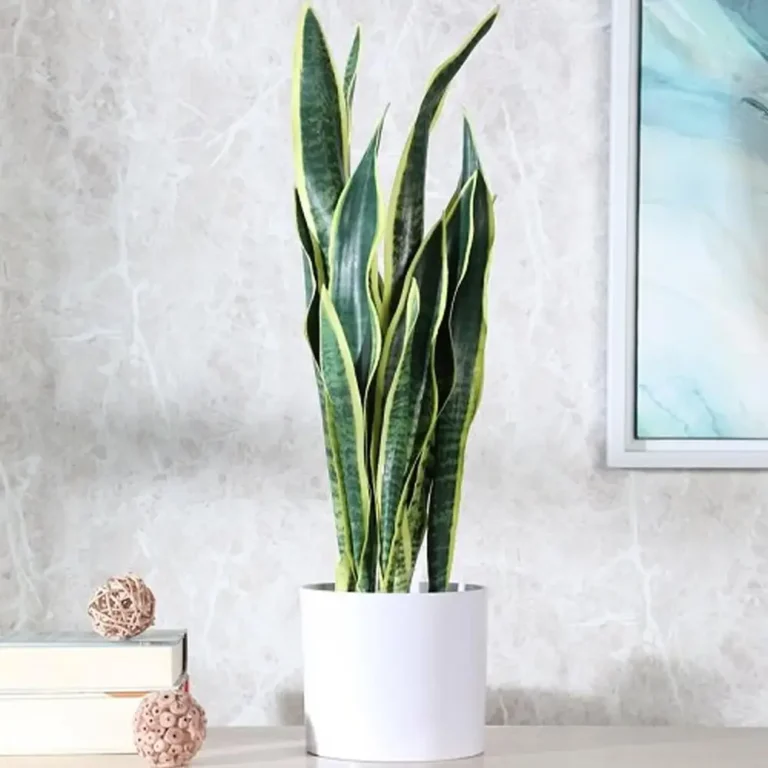
About Snake Plant
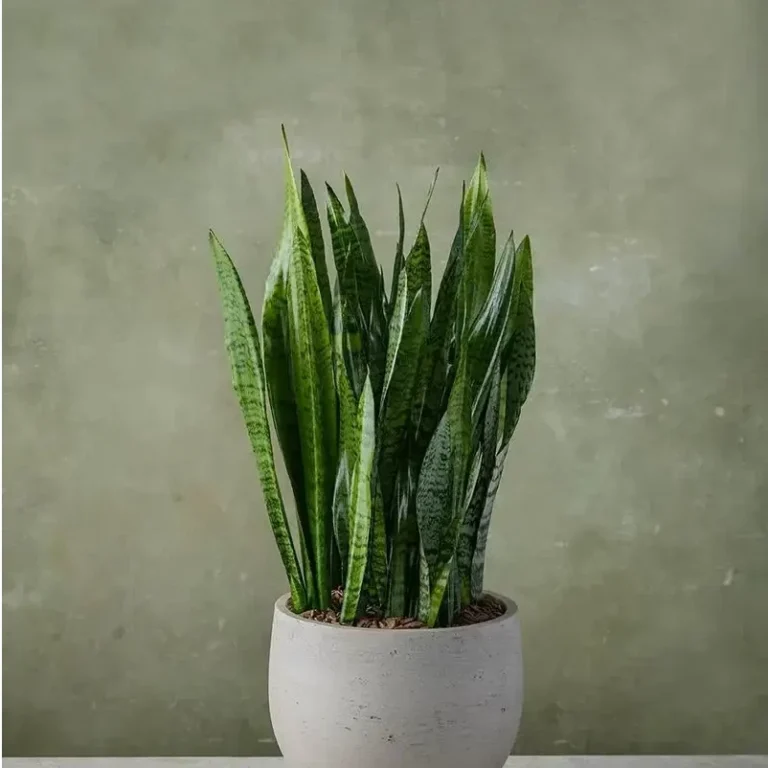
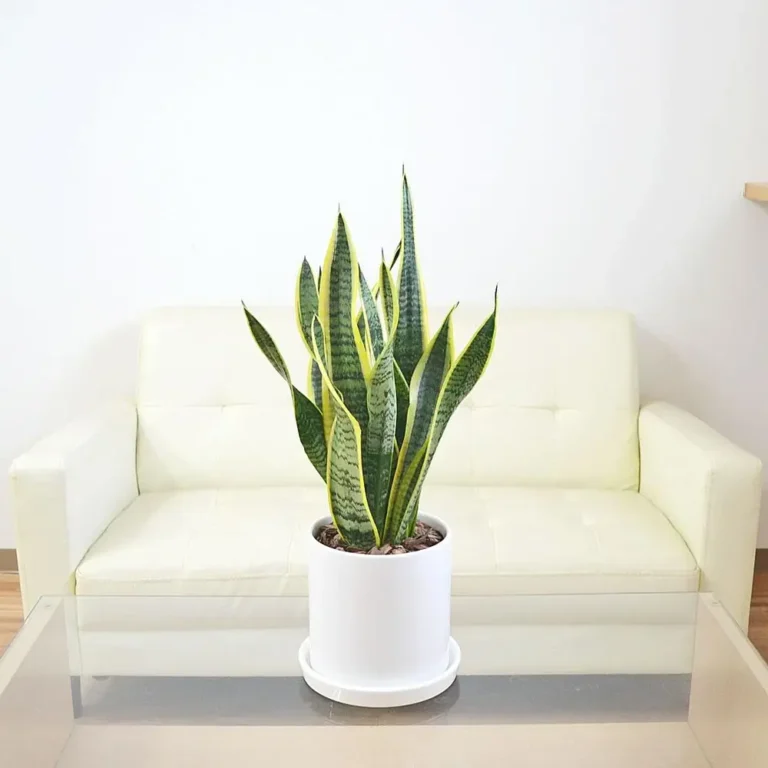
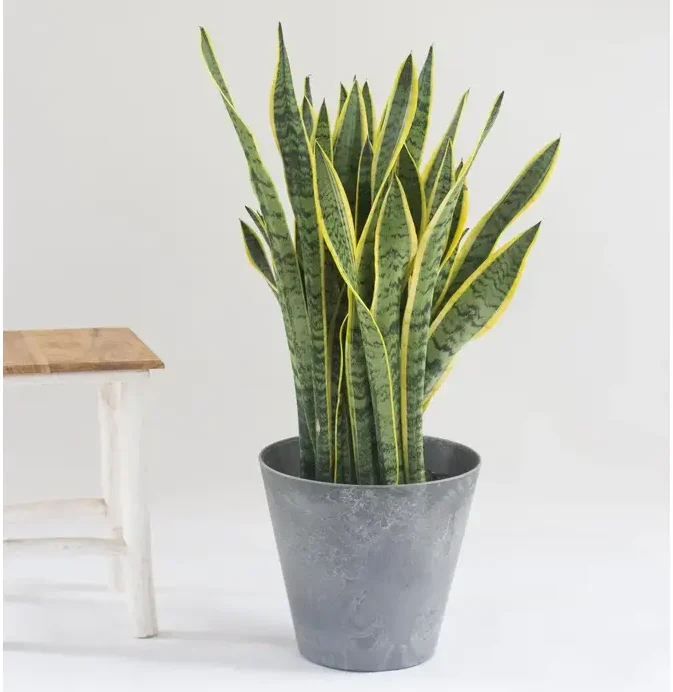
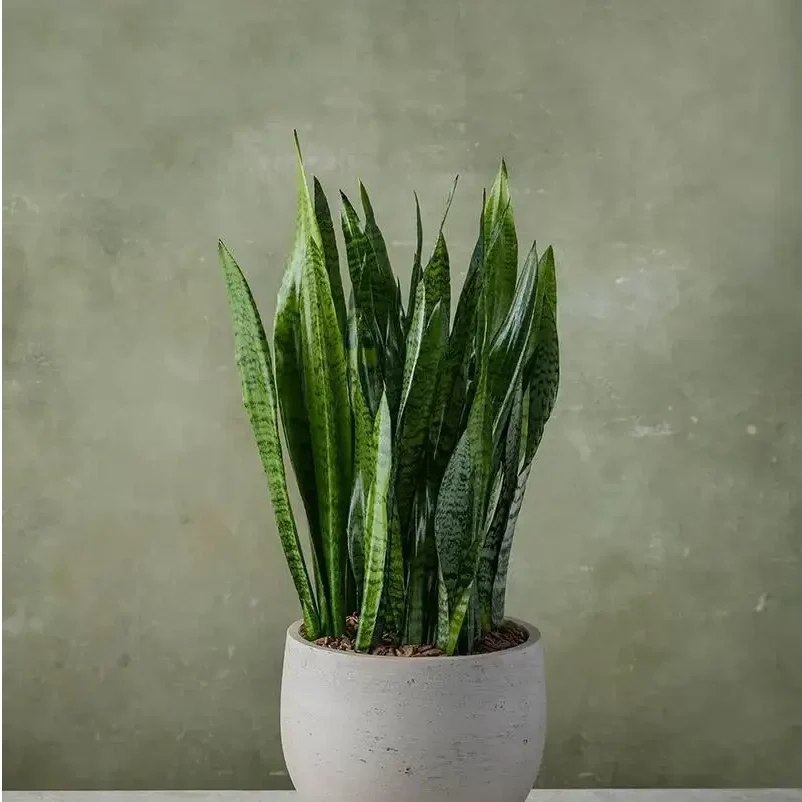
The Snake Plant (Dracaena trifasciata) is a rhizomatous evergreen perennial native to tropical Africa. It grows as an upright clump, producing stiff, fleshy, sword-shaped leaves from underground rhizomes rather than from a visible woody stem. Mature leaves commonly display alternating horizontal bands of lighter and darker green, while cultivated varieties may feature yellow, white, silver, or cream variegation.
Its thick leaves and rhizomes help the plant tolerate relatively dry conditions, making Snake Plant care easier than that of many tropical houseplants. It is especially valued for its drought tolerance, low-light adaptability, upright growth habit, architectural foliage, and low-maintenance nature.
Mature Snake Plants can occasionally produce small greenish-white to cream flowers, sometimes with a noticeable fragrance. Flowering is uncommon indoors, so the plant is primarily grown for its distinctive foliage. Today, it is widely used in homes, offices, apartments, and indoor gardens, and is particularly popular with beginner plant owners.
Plant Information
Difficulty
Easy
Light
Low to Bright Indirect Light
Water
Allow Soil to Dry
Humidity
Low to Average Household
Temperature
Warm; 50°F+ (10°C+)
Growth Rate
Slow to Moderate
Pet Friendly
No
Indoor Height
2–4 ft Typical
Repotting
When Pot-Bound
Native Range
Tropical Africa
History of Snake Plant
The Snake Plant has a long botanical history and was formally described in 1903 by botanist David Prain under the name Sansevieria trifasciata. For more than a century, this name became widely recognized among gardeners, nurseries, and plant collectors, and it remained the standard name used in horticultural books, plant labels, and the international houseplant trade.
Over time, many cultivars were selected and developed for different leaf colors, variegation patterns, heights, and growth forms, helping the Snake Plant become one of the most recognizable houseplants worldwide. Popular cultivated forms introduced greater visual variety, from compact rosettes to tall upright leaves with yellow, silver, cream, or contrasting green markings.
Modern botanical research later showed that species traditionally placed in the genus Sansevieria belong within the broader genus Dracaena. As a result, the accepted botanical name is now Dracaena trifasciata, while Sansevieria trifasciata remains a widely used synonym in horticulture and the plant trade. This taxonomic change reflects updated scientific understanding of the plant’s evolutionary relationships rather than a change in the plant itself.
Today, the Snake Plant remains one of the best-known easy-care indoor plants, valued for its resilience, attractive foliage, adaptability, and long history in ornamental horticulture. Its enduring popularity in homes, offices, and interior landscapes has helped it maintain an important place in modern houseplant culture.
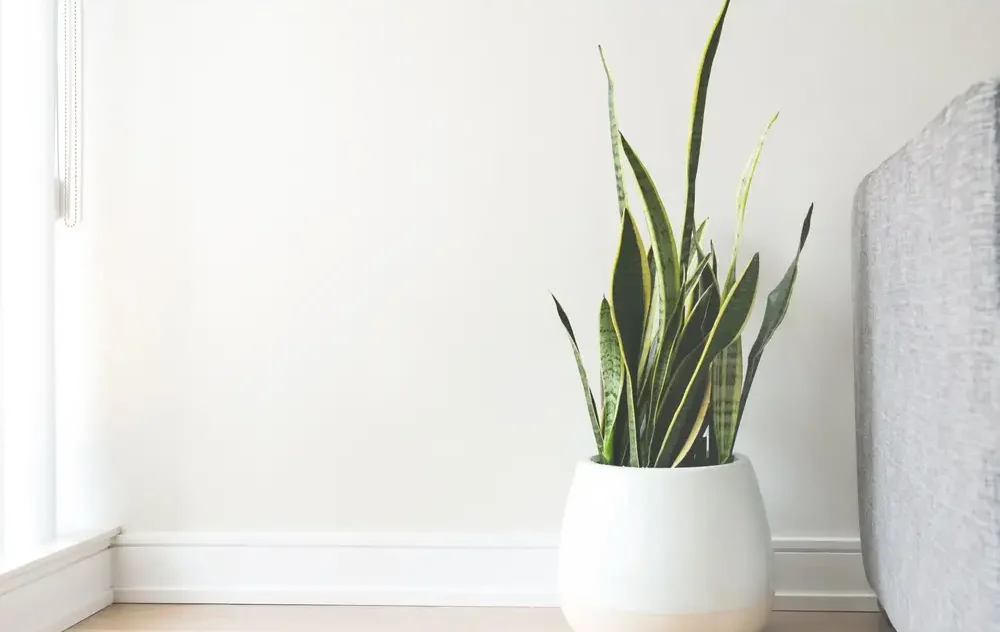
Plant Specifications
Botanical Name
Dracaena trifasciata
Family
Asparagaceae
Plant Type
Evergreen Succulent Perennial
Growth Habit
Erect, Clumping
Indoor Height
2–4 ft, Cultivar Dependent
Light Requirement
Low to Bright Indirect Light
Watering
Allow Mix to Dry Between Waterings
Humidity
Low to Average Household
Temperature
Warm; 50°F+ (10°C+)
Soil
Loose, Well-Drained Potting Mix
Support
None Required
Repotting
When Pot-Bound or Crowded
Pet Safety
Toxic if Ingested
Native Range
Tropical Africa
Snake Plant Care Guide
Use these practical care guidelines to keep your Snake Plant firm, healthy, and free from the overwatering problems that most often cause decline.
Light & Placement
Snake Plant tolerates a wide range of indoor light, from low light to brighter conditions. Moderate to bright filtered or indirect light generally supports stronger growth.
Best placement: a bright room away from sudden intense summer sun. If moving a shade-grown plant into direct sun, acclimate it gradually to reduce the risk of scorch.
Watering & Drainage
Allow the potting medium to dry between waterings, then water thoroughly and let all excess water drain from the container.
Do not water on a fixed calendar. Water use drops in winter and in low light, and constantly wet soil can cause root and rhizome rot.
Soil & Repotting
Use a loose, well-drained potting medium in a container with working drainage holes. The root zone should never remain waterlogged.
Snake Plant does not need frequent repotting. Move it to a slightly larger container when the clump becomes crowded or pot-bound.
Temperature & Humidity
Snake Plant performs well in normal warm household conditions and does not require tropical-level humidity. Average to dry indoor air is generally suitable.
Protect it from frost and prolonged cold. Temperatures around 50°F (10°C) are near the lower end of what it can tolerate; warmer conditions are better for active growth.
Fertilizer
Snake Plant is not a heavy feeder. During active spring and summer growth, use a diluted general-purpose houseplant fertilizer according to the product label. Reduce or stop feeding when growth slows in colder or darker months.
Pruning & Leaf Cleaning
Very little pruning is required. Remove badly damaged, rotten, or fully yellow leaves close to the base using clean cutting tools.
Wipe dusty foliage with a soft damp cloth when needed so the leaves stay clean and easy to inspect.
Common Snake Plant Problems
Snake Plant symptoms can have more than one cause. Check soil moisture, drainage, roots, light, and recent temperature changes before making major changes to the plant’s routine.
Yellow Leaves
Yellowing, especially with soft tissue or wet soil, often points to excessive watering, poor drainage, or root stress. Check the potting mix before watering again and make sure excess water can drain freely.
Root Rot & Mushy Base
Soft or mushy tissue near the soil line, dark damaged roots, and persistently wet soil are warning signs of root or rhizome rot. Stop watering, remove badly rotted tissue, and repot into fresh, freely draining medium if necessary.
Brown or Crispy Tips
Brown tips are not a single-diagnosis symptom. Extended dryness, damaged roots, excess fertilizer, or salt buildup can contribute. Check the roots and soil condition before automatically increasing watering.
Sun Scorch
Pale, tan, or brown patches can appear when foliage grown in shade is suddenly exposed to intense direct sunlight. Move the plant to bright filtered light and acclimate it gradually if stronger sun is desired.
Mealybugs
Look for white, cottony material around leaf bases and protected crevices. Isolate an affected plant, inspect nearby houseplants, and treat the infestation promptly.
Spider Mites
Check foliage for fine stippling, discoloration, or webbing. Snake Plants are not among the most mite-prone houseplants, but infestations can still occur, especially on stressed indoor plants.
How to Choose a Healthy Snake Plant
Choose a healthy Snake Plant with firm, upright leaves, a solid base, and strong overall plant growth. Avoid plants with widespread yellowing, soft or mushy leaf bases, blackened tissue, damaged roots, or potting mix that appears constantly saturated, as these can indicate overwatering, root rot, poor drainage, or other Snake Plant problems. Inspect carefully around the leaf bases for mealybugs, spider mites, scale insects, or other common houseplant pests. Healthy foliage should feel sturdy and display good leaf color, natural variegation, and no major brown, collapsing, or damaged areas.
Check the cultivar name before buying because mature plant size, leaf shape, leaf pattern, leaf texture, and growth habit can vary significantly between Snake Plant cultivars. Also consider light requirements, watering needs, soil type, indoor plant care, drought tolerance, humidity, temperature, repotting needs, fertilizer requirements, container size, air circulation, pet safety, and your available growing space. Look for healthy new shoots, firm rhizomes, clean foliage, and a stable root system, as these are good indicators of a strong Dracaena trifasciata.
For the best results, choose a plant suited to your indoor lighting conditions, maintenance routine, and room size. A well-selected low-maintenance houseplant with healthy root development, strong foliage growth, proper soil drainage, and good plant health will establish more easily and provide attractive, long-lasting indoor foliage for homes, offices, apartments, bedrooms, living rooms, and other indoor spaces.
Buying Checklist
Healthy Leaves
Leaves should feel firm and structurally sound rather than soft, mushy, or collapsing.
Healthy Base & Roots
Avoid obvious rot, foul-smelling wet mix, or black and mushy roots.
Good Drainage
Choose a plant in a container with drainage and a medium that is not permanently saturated.
No Visible Pests
Check leaf bases carefully for mealybugs and inspect foliage for mite damage or webbing.
Correct Cultivar
Confirm that the foliage, mature size, and growth form match the cultivar name on the label.
Frequently Asked Questions
Yes. Snake Plant is forgiving because it tolerates low light, low humidity, and periods of dry soil. The main mistake to avoid is overwatering.
It can survive in relatively low light, but moderate to bright filtered light generally supports stronger growth. Introduce direct sun gradually to reduce the risk of scorch.
Do not water on a fixed schedule. Allow the potting medium to dry between waterings, then water thoroughly and let the excess drain away. Water less often in winter or very low light.
No. Snake Plant is toxic to cats and dogs if ingested and can cause gastrointestinal upset, so keep it out of reach of pets that chew plants.
No. It tolerates normal household humidity well and generally does not require the high humidity preferred by many tropical foliage plants.
Yes. It can be propagated from leaf sections or by division. Variegated cultivars may not retain their variegation from leaf cuttings, so division is preferred when you want the new plant to stay true to the parent cultivar.
It can, but indoor flowering is uncommon. Mature plants may occasionally produce small greenish-white to cream flowers that can be fragrant.
Related Plants
Explore Similar Indoor Plants
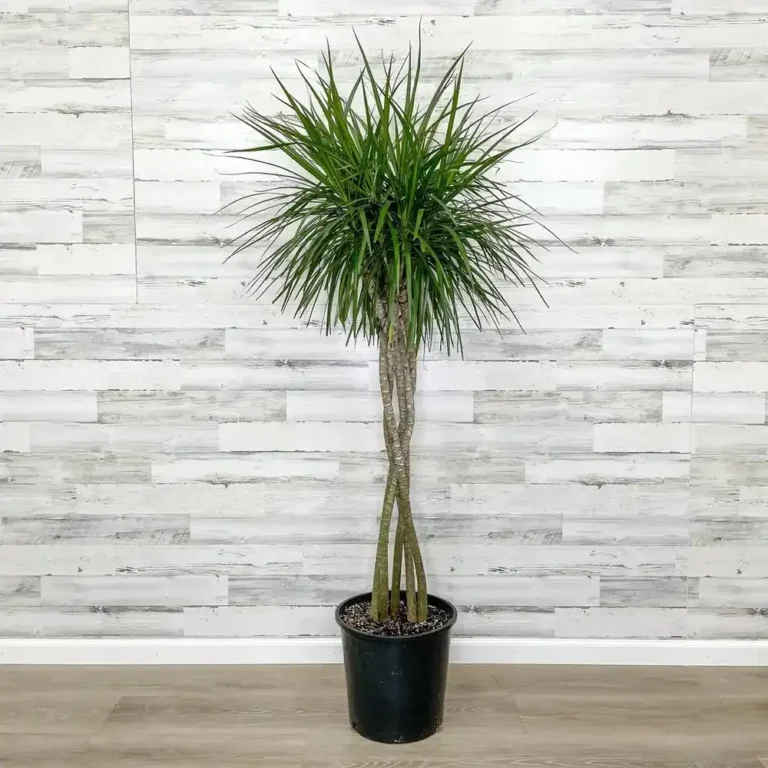
Dracaena
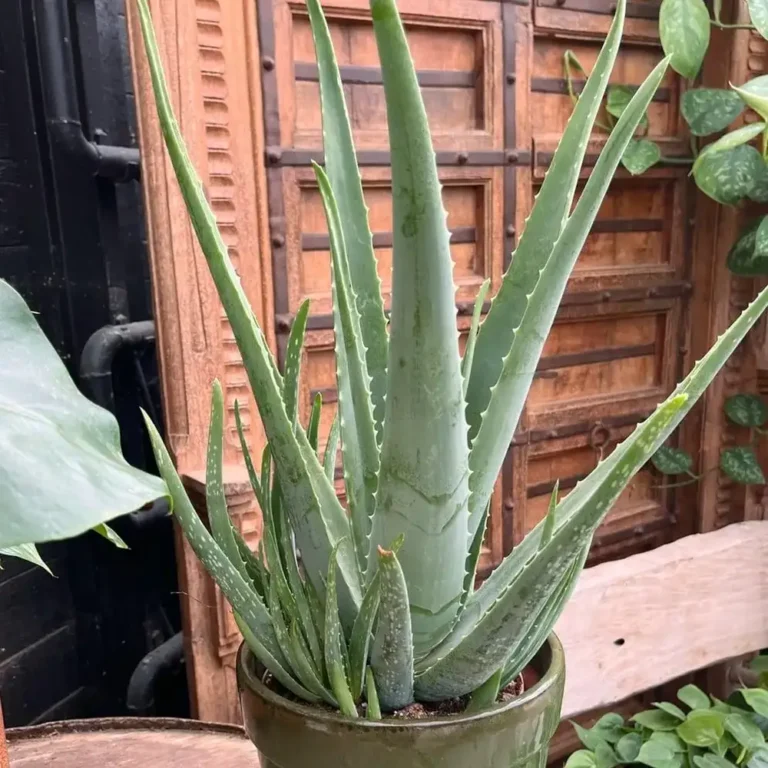
Aloe
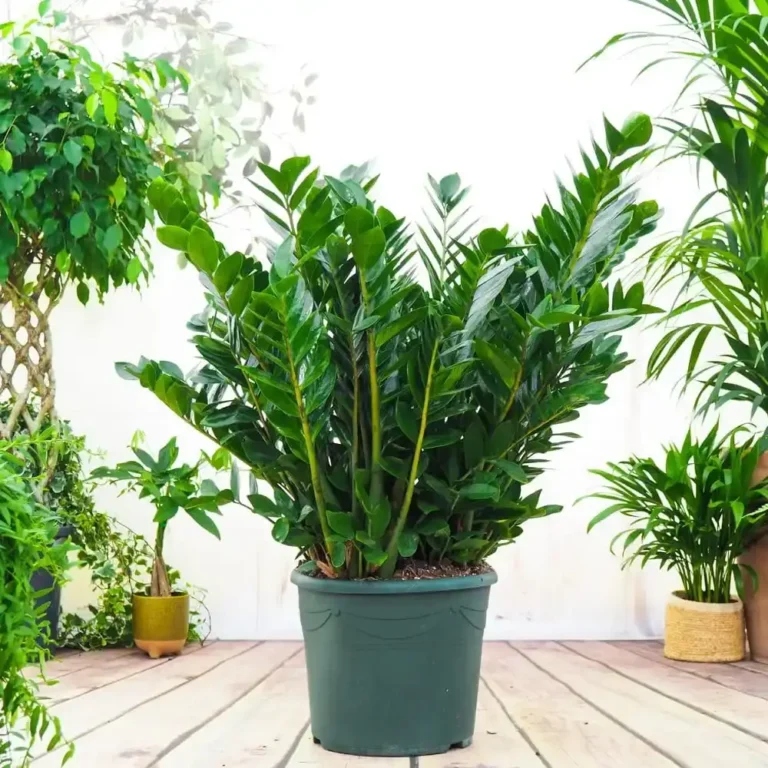
Zamioculcas