African Violet Care Guide: Water & Blooming Tips
- Home
- Indoor Plants
- African Violet
- Flowering Houseplant
Compact Flowering Perennial
Growing + Buying Guide
How to Care for African Violets Indoors
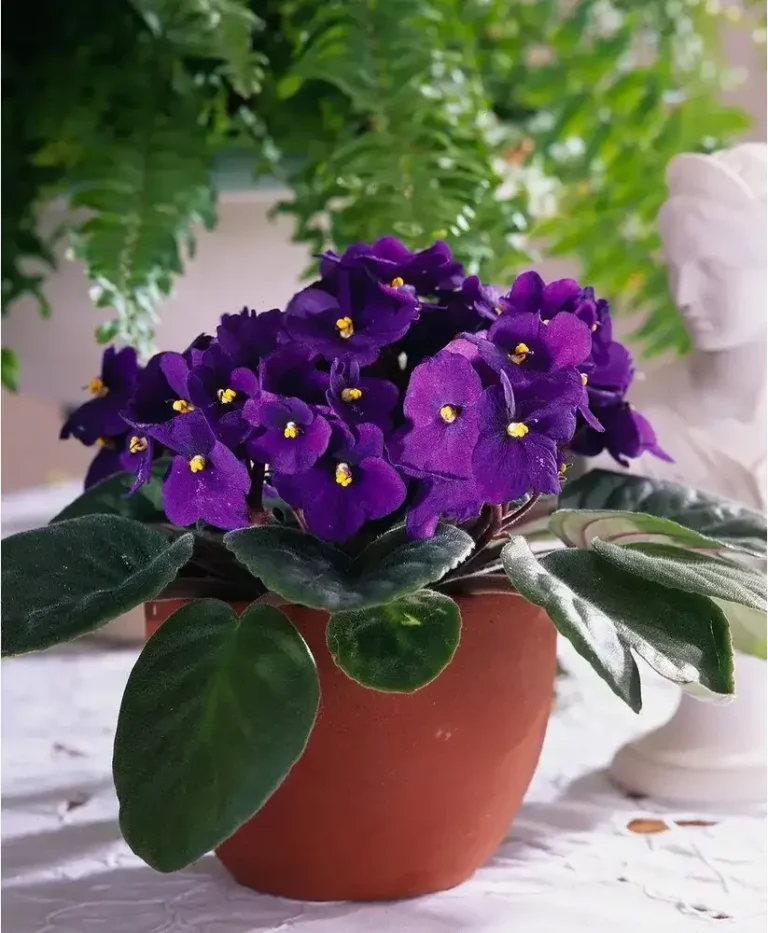
African violets are compact flowering houseplants valued for velvety leaves and colorful blooms that can return several times a year. For dependable growth in U.S. homes, give them bright filtered light, a small pot with excellent drainage, and a loose soilless mix that stays lightly moist but never waterlogged. Water with room-temperature water and avoid leaving the crown or foliage wet for long periods. Most plants perform well around 60–80°F with moderate household humidity. Consistent light, careful watering, and a light fertilizer routine are the keys to steady growth and repeat flowering.
FAMOUS FLOWERING PLANT
🌸 Repeat Bloomer
☀️ Bright Filtered Light
🪴 Compact Rosette Form
🐾 Pet Friendly

Care Guide
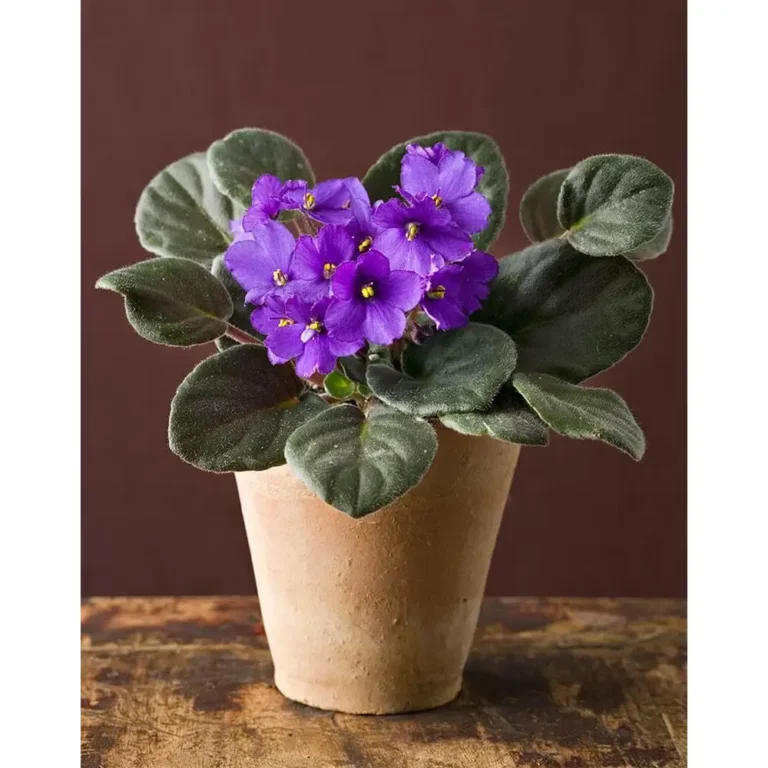
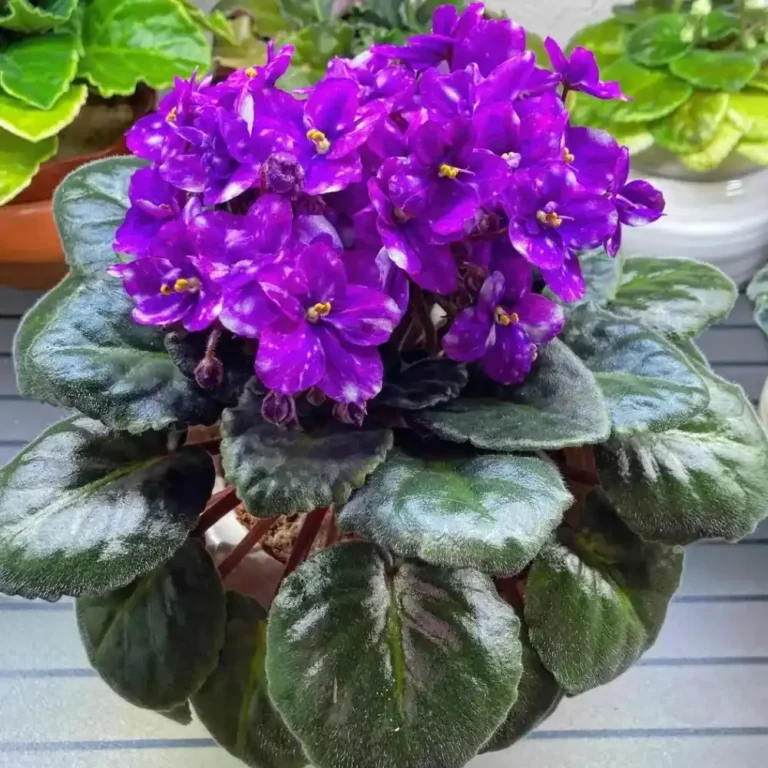
About African Violets
African violet is the common name used for a group of small, rosette-forming flowering plants in the Gesneriaceae family. The classic species long known as Saintpaulia ionantha is now accepted by Kew as Streptocarpus ionanthus (H.Wendl.) Christenh., while the older name Saintpaulia remains extremely common in horticulture and retail. Modern African violet cultivars are selected for compact growth, long flowering seasons, and a huge range of flower and foliage forms.
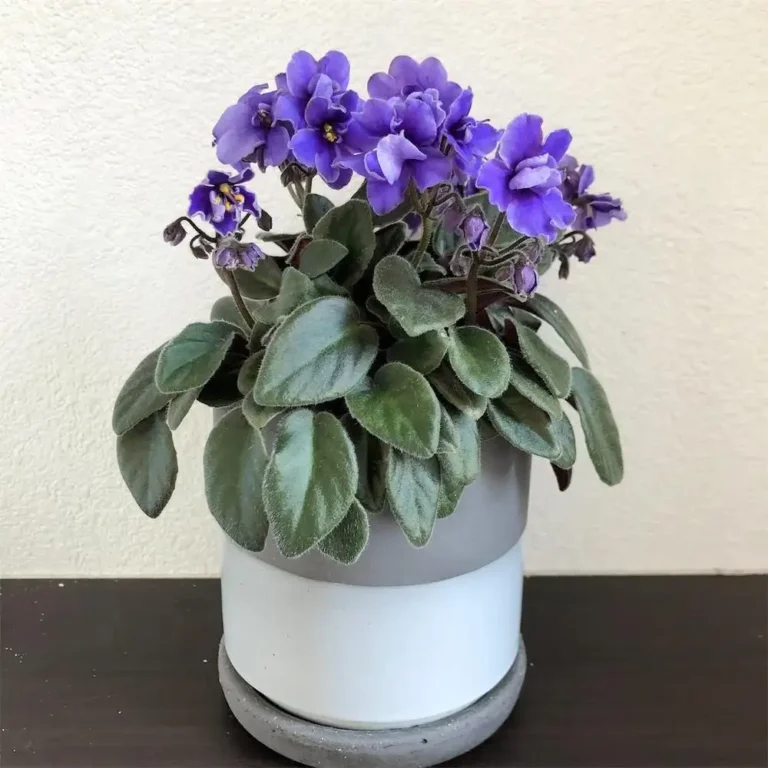
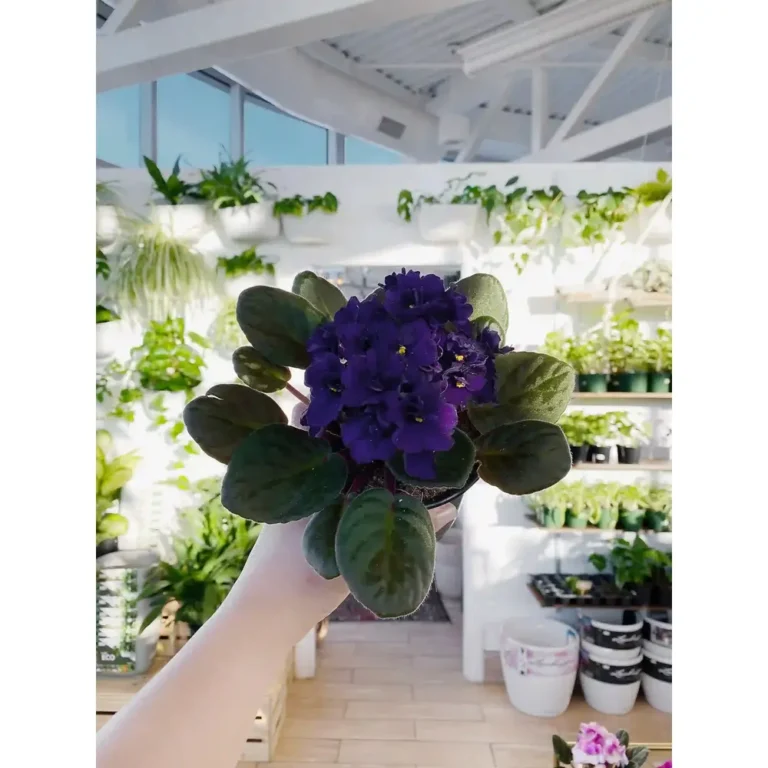
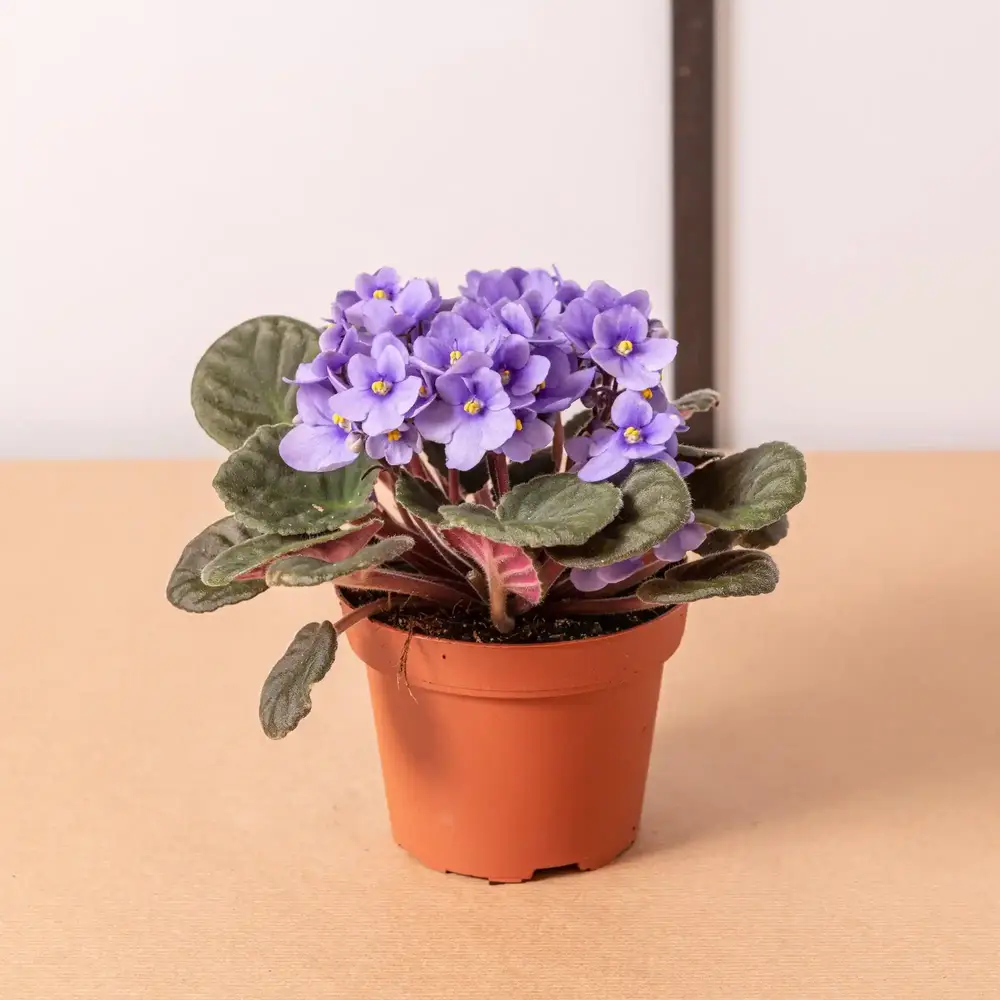
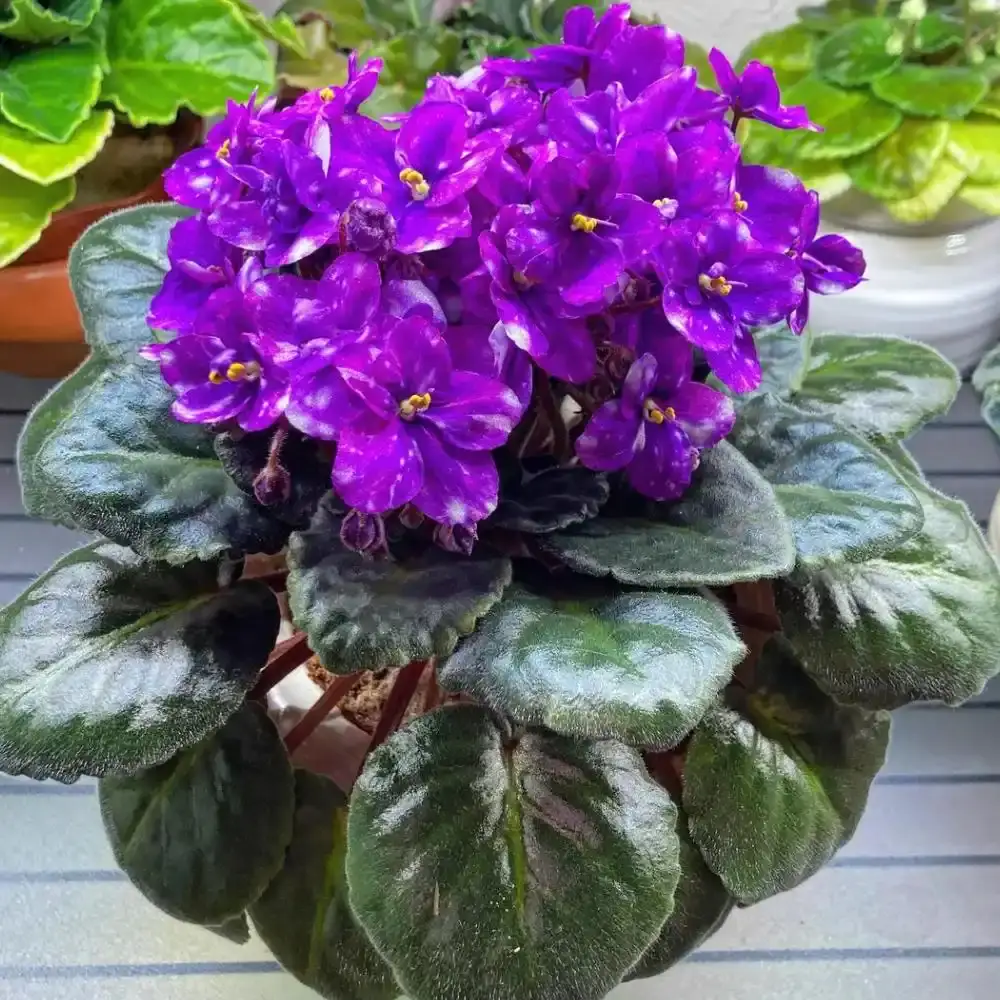
Standard plants are commonly about 8–16 inches wide, while miniature and semi-miniature types stay smaller. Their soft, fuzzy leaves form a low rosette and flowers may be single, semi-double, double, ruffled, star-shaped, or bicolored in shades of white, pink, lavender, violet, purple, and related tones.
African violets fit especially well on bright windowsills, shelves, desks, and plant stands because they stay compact and flower under ordinary indoor conditions. They are also easy to propagate from leaf cuttings, making them a favorite pass-along plant for home growers and collectors.
Plant Information
Difficulty
Easy to Moderate
Light
Bright Indirect / Filtered Light
Water
Evenly Moist; Never Soggy
Humidity
40–60% Preferred
Temperature
60–80°F; Ideal Around 70°F
Growth Rate
Moderate
Pet Friendly
Yes
Indoor Height
8–16 in. Wide (Standard)
Repotting
Fresh Mix About Yearly
Native Range
East & Southwest Tanzania (Species)
History of the African Violet
The African violet entered European horticulture in the late nineteenth century after plants from East Africa were sent to Germany. Baron Walter von Saint Paul-Illaire collected the plant in the Usambara region of what is now Tanzania, and Hermann Wendland formally described it in 1893 as Saintpaulia ionantha. The genus name honored the Saint Paul family, while the species name refers to its violet-like flowers.
The plant attracted immediate horticultural interest because it combined a compact habit with colorful flowers and easy propagation. African violets reached commercial growers in Europe quickly and became increasingly popular in the United States during the twentieth century as growers selected new flower colors, forms, foliage types, and miniature varieties.
Modern taxonomy has changed the scientific placement of the group. Kew now treats Saintpaulia as a synonym within the genus Streptocarpus, and the familiar Saintpaulia ionantha is accepted as Streptocarpus ionanthus. The current combination was published in 2012.
Despite that taxonomic update, “African violet” and “Saintpaulia” remain deeply established names in the houseplant trade. The plants continue to be among the best-known compact flowering houseplants in North America because they can bloom repeatedly indoors with relatively little space.
Plant Specifications
Botanical Name
Streptocarpus ionanthus (syn. Saintpaulia ionantha) & hybrids
Family
Gesneriaceae
Plant Type
Tender Evergreen Flowering Perennial
Growth Habit
Compact Basal Rosette
Indoor Size
8–16 in. Wide; Miniatures Under 8 in.
Light Requirement
Bright Indirect / Filtered Light
Watering
Keep Evenly Moist; Avoid Saturation
Humidity
40–60% Preferred
Temperature
60–80°F; Ideal Near 70°F
Soil
Loose Soilless Mix, pH About 6.2–6.5
USDA Hardiness
USDA Zones 11–12 for S. ionanthus
Repotting
Refresh Mix Yearly; Keep Pot Snug
Pet Safety
Non-Toxic to Cats & Dogs
Native Range
East & Southwest Tanzania (Species)
African Violet Growing Guide
These African violet growing tips focus on the conditions that matter most for repeat blooms: filtered light, careful watering, a small well-drained root zone, steady temperatures, moderate humidity, and gentle feeding.
Light & Flowering
African violets flower best in bright, filtered light. North-, northeast-, and northwest-facing windows often work well, and an east-facing window is also excellent when the morning sun is not harsh. Protect plants from intense afternoon sun, which can bleach or scorch the foliage.
Under LED or fluorescent grow lights, aim for roughly 14–16 hours of light followed by a real dark period. Plants that stretch or stop flowering often need brighter conditions.
Watering & Leaf Care
Keep the potting mix evenly moist but never saturated. Water when the surface starts to feel slightly dry, using room-temperature water, and let excess water drain completely. Do not allow the pot to sit in standing water.
Bottom watering or wick watering can work well. If watering from above, direct water to the potting mix rather than the fuzzy leaves. Water left on foliage, especially when cool, can cause spotting.
Soil, Pot Size & Repotting
Use a loose, porous African violet or soilless mix that drains quickly while retaining light, even moisture. University of Minnesota guidance places the preferred pH around 6.2–6.5.
African violets generally perform better in a snug pot than in an oversized container. Refresh the potting mix about once a year and always use a pot with drainage holes.
Temperature & Humidity
African violets grow well in normal indoor temperatures. A practical target is 60–80°F, with about 70°F ideal for steady growth. Clemson recommends roughly 65–70°F at night and up to 80–85°F during the day.
Humidity around 40–60% is helpful. During dry U.S. winters, keep plants away from forced-air heat, fireplaces, cold window glass, and air-conditioning drafts. A room humidifier or grouping plants can improve local humidity.
Fertilizer & Reblooming
Use a fertilizer labeled for African violets or a balanced houseplant fertilizer at a dilute rate. Light, regular feeding is generally better than occasional heavy applications. If the potting mix becomes very dry, moisten it before fertilizing to reduce the risk of root burn.
For repeat flowering, combine adequate light with moderate feeding and avoid excess nitrogen, oversized pots, or constantly wet soil. Flush the potting mix periodically with plain water to reduce fertilizer-salt buildup.
Grooming & Propagation
Remove faded flowers and old or damaged leaves to keep the rosette tidy and improve airflow around the crown. Brush dust from fuzzy leaves gently with a soft dry brush rather than routinely washing the foliage.
African violets are easily propagated from leaf cuttings. Insert a healthy leaf with its petiole into a light propagation mix, keep it warm and evenly moist, and wait for small plantlets to develop at the base.
African Violet Problems & Fixes
Most African violet problems trace back to light, watering, drainage, temperature, fertilizer salts, or pests. Diagnose the growing conditions before making several care changes at once.
No Flowers
Plants that grow leaves but produce few flowers often need more light. Move the plant to brighter filtered light or supplement with a grow light, while still protecting the foliage from harsh direct afternoon sun.
Root or Crown Rot
Constantly wet potting mix, poor drainage, or an oversized pot can lead to root and crown rot. Affected plants may wilt even when the soil is wet, and roots may become brown, soft, or slimy. Improve drainage and remove badly damaged tissue when salvage is possible.
Leaf Spots & Ring Marks
Water sitting on fuzzy leaves can produce visible spotting, especially when the water is cooler than the foliage. Use room-temperature water and keep the leaves dry whenever practical.
Pale or Bleached Leaves
Pale, washed-out, or scorched foliage can indicate excessive light. Move the plant a little farther from a hot south- or west-facing window or filter strong afternoon sun with a sheer curtain.
Tight, Distorted Center Growth
A cramped, twisted, or unusually tight crown can be a warning sign of cyclamen mites, especially when new leaves are stunted. Isolate the plant immediately because these mites can spread easily among African violets.
Mealybugs
White cottony deposits in leaf axils, on petioles, or around the crown may indicate mealybugs. Inspect new purchases carefully, isolate affected plants, and treat early before pests spread through a collection.
How to Buy a Healthy African Violet
Choose an African violet with a compact, symmetrical rosette, firm velvety leaves, and active flower buds. A healthy plant should have a clean central crown, good leaf color, and no widespread yellowing, blackened petioles, mushy tissue, or severe spotting. If flowers are present, select a plant with both open blooms and unopened buds for a longer display after you bring it home.
Inspect the plant closely for cyclamen mites, mealybugs, distorted new growth, sticky residue, mold, and crown damage. Also check the potting mix and container. The mix should be light and porous rather than dense and waterlogged, and the pot should have drainage. African violets often perform better in smaller, snug containers than in oversized decorative pots.
Match the plant to your home before buying. African violets are best for a location with bright indirect light, stable 60–80°F temperatures, moderate humidity, and easy access for regular moisture checks. Standard cultivars suit larger windowsills and plant stands, while miniature and semi-miniature African violets are useful for desks, shelves, small apartments, and grow-light setups.
Buying Checklist
Symmetrical Rosette
Choose a balanced plant with firm leaves arranged around a healthy central crown rather than a lopsided or collapsed rosette.
Healthy Buds & Flowers
For the longest display, look for several unopened buds along with fresh open flowers and avoid plants with mostly spent or damaged blooms.
Clean Crown & Leaves
Avoid widespread yellowing, mushy leaf stems, blackened crown tissue, severe water spots, or distorted new growth.
No Visible Pests
Inspect leaf axils, flower stems, and the crown for mealybugs, cyclamen-mite symptoms, webbing, sticky residue, or other pest activity.
Small Pot with Drainage
Prefer a snug container with drainage and a light, porous potting mix rather than a large pot full of dense, saturated soil.
African Violet Growing FAQs
Common African violet problems include yellow leaves, brown or crispy edges, drooping, crown rot, root rot, leaf spots, slow growth, and failure to bloom. These issues are often caused by overwatering, cold water on the leaves, poor drainage, low light, dry air, temperature stress, or pests such as mealybugs and mites.
African violets usually need water about once every 5–10 days, but the exact schedule depends on light, temperature, humidity, and pot size. Water when the top of the soil feels slightly dry, and avoid keeping the soil constantly soggy.
The best place for African violets is near an east- or north-facing window with bright, indirect light. Keep them away from harsh afternoon sun, cold drafts, and heating or air-conditioning vents.
Yes. Deadheading African violets is recommended because removing faded flowers and damaged leaves helps the plant direct energy toward new growth and additional blooms. Pinch or snip spent flower stems close to the base using clean fingers or scissors.
An individual African violet flower typically lasts about 2–3 weeks, although cool temperatures, bright indirect light, and consistent care can help blooms last longer. A healthy plant may keep producing new flowers for several weeks or even months.
Coffee grounds are not recommended as a regular fertilizer for African violets. They can make the potting mix too acidic, hold excess moisture, and affect drainage. A better choice is a balanced fertilizer made specifically for African violets, used at a diluted strength during active growth.
African violets prefer shallow, relatively small pots, not deep ones. Their roots grow close to the soil surface, so a wide, shallow pot with good drainage helps prevent excess moisture and root rot.
Related Plants
Explore Similar Indoor Plants
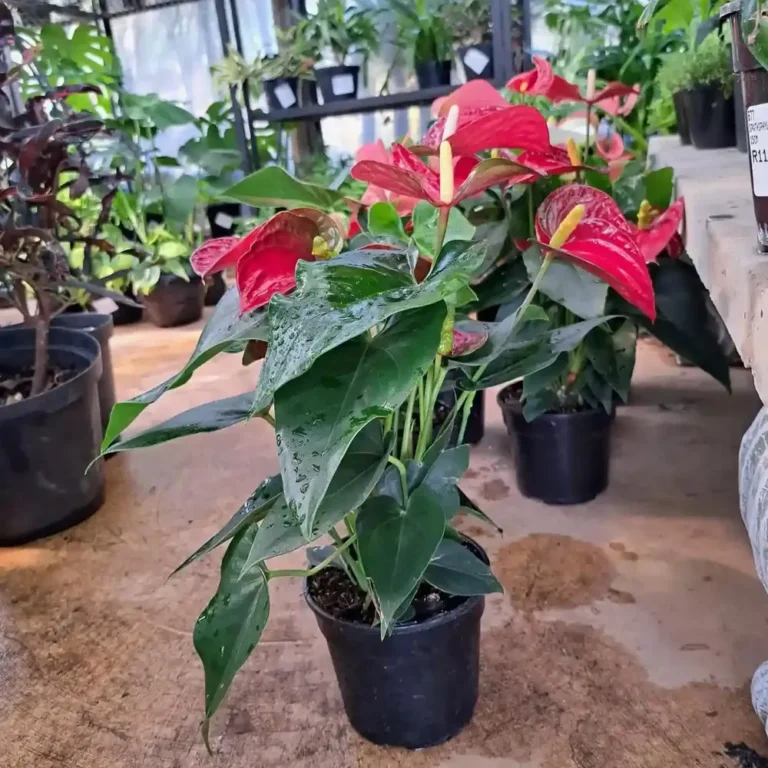
Anthurium
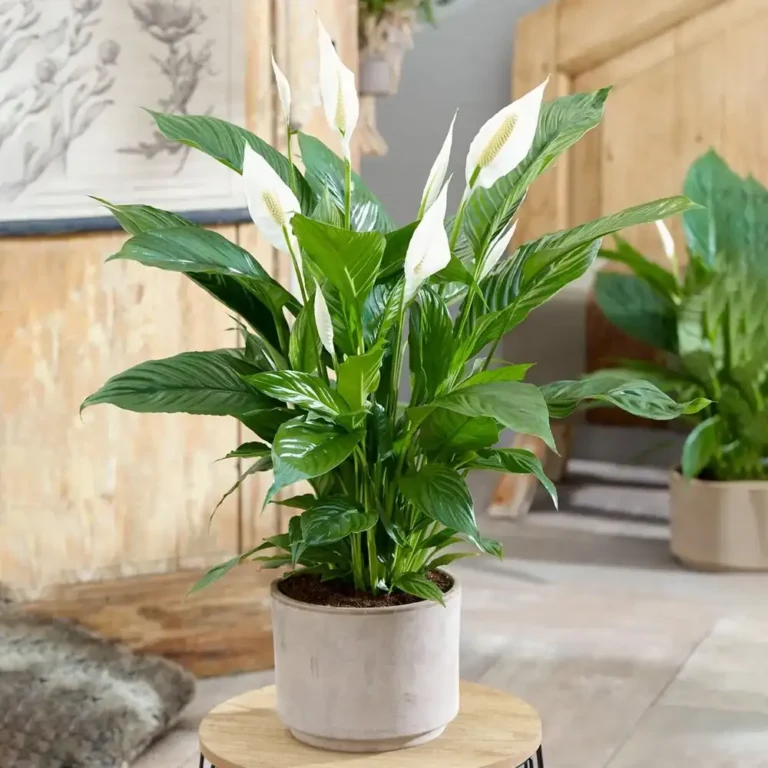
Spathiphyllum
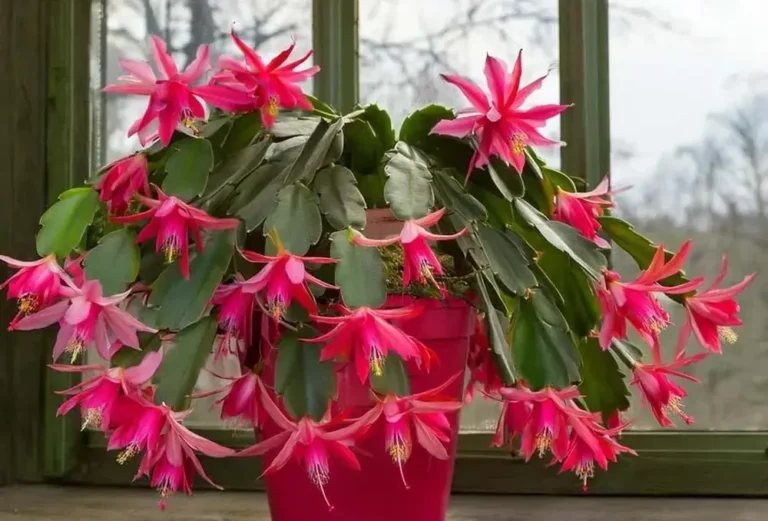
Schlumbergera