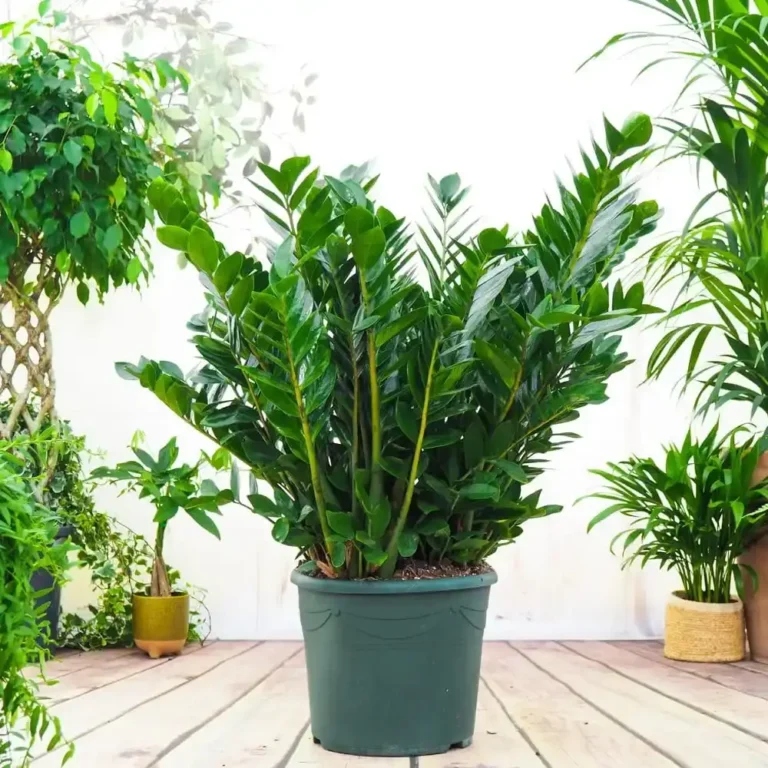
Compacta Care: Brown Tips, Watering & Slow Growth Guide
- Home
- Indoor Plants
- Dracaena Care
- Compacta Care
- Compact Tropical Houseplant
Slow-Growing Evergreen Cane Plant
Care + Buying Guide
Compacta Care
Compacta Care is mostly about consistency. Dracaena fragrans ‘Compacta’ grows slowly, keeps its dark green leaves packed tightly around upright canes, and performs well indoors when light, moisture, and temperature stay steady. Give it bright to moderate indirect light, allow the upper layer of potting mix to dry slightly before watering, and always use a container with drainage. Compacta tolerates lower light, but growth becomes even slower and the plant may stay less dense. Keep it away from cold drafts, heating vents, and harsh midday sun. Brown leaf tips are especially common when indoor air is very dry or when salts and fluoride build up in the potting mix, so water quality and occasional soil flushing can make a visible difference.
POPULAR COMPACT DRACAENA
🌿 Dense Dark-Green Rosettes
☀️ Filtered Indoor Light
🐢 Naturally Slow Growing
💧 Let Surface Dry Slightly

Care Guide
About Compacta
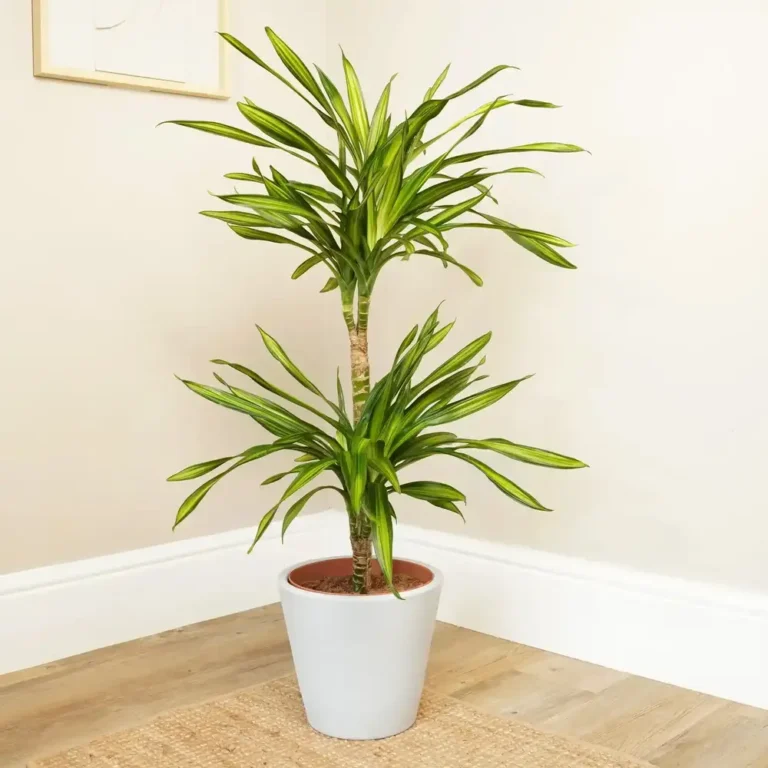
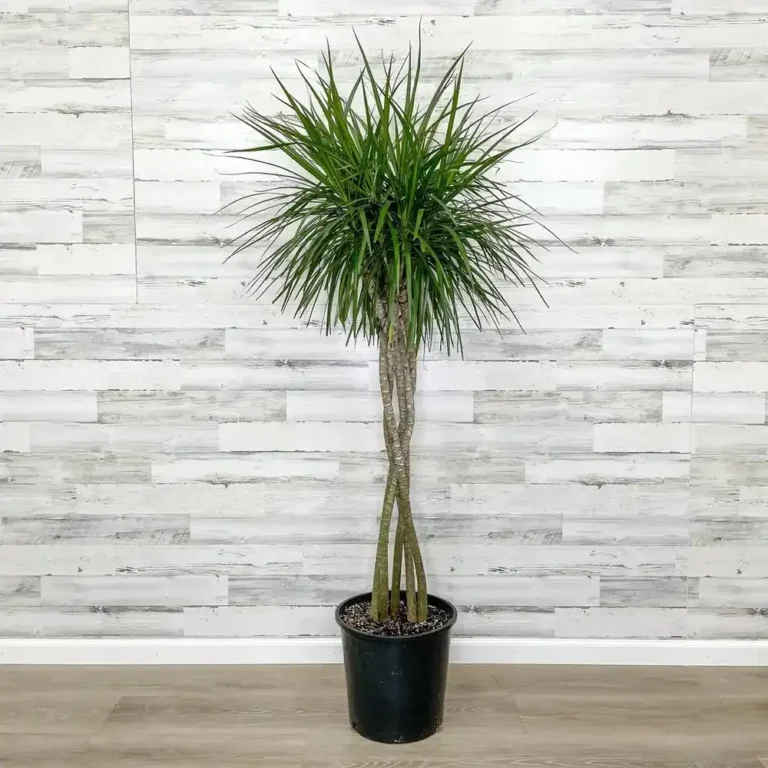
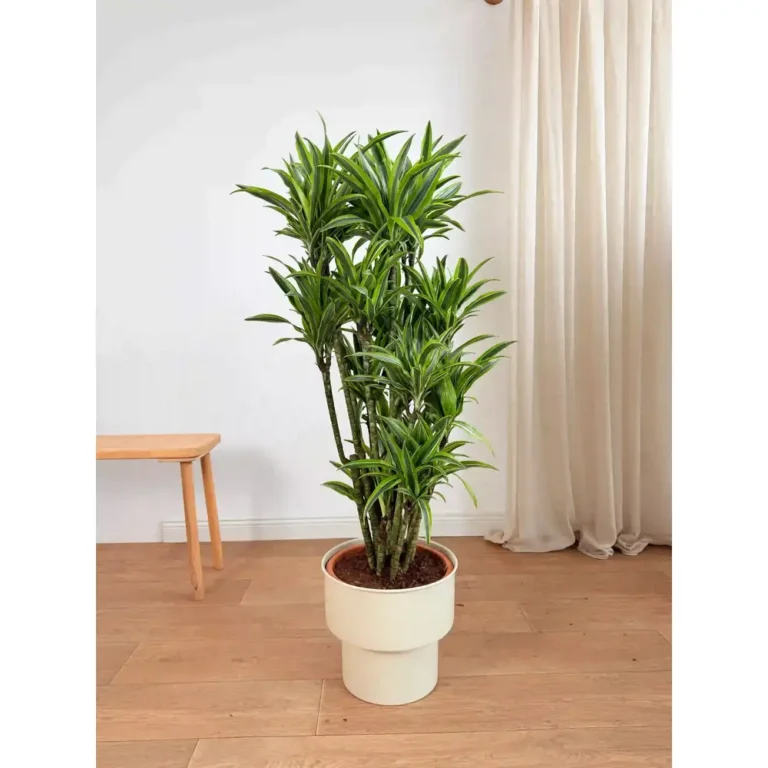
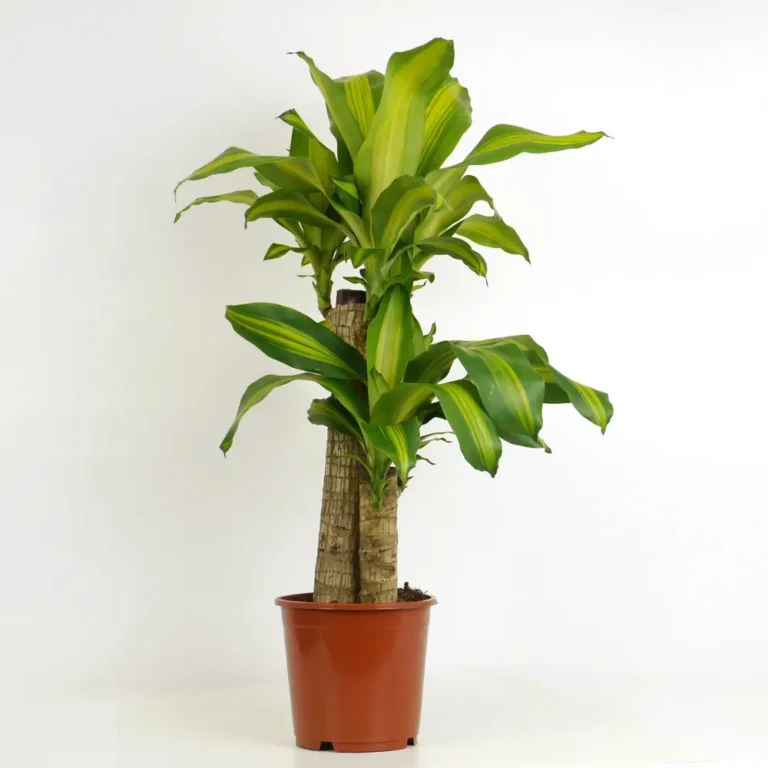
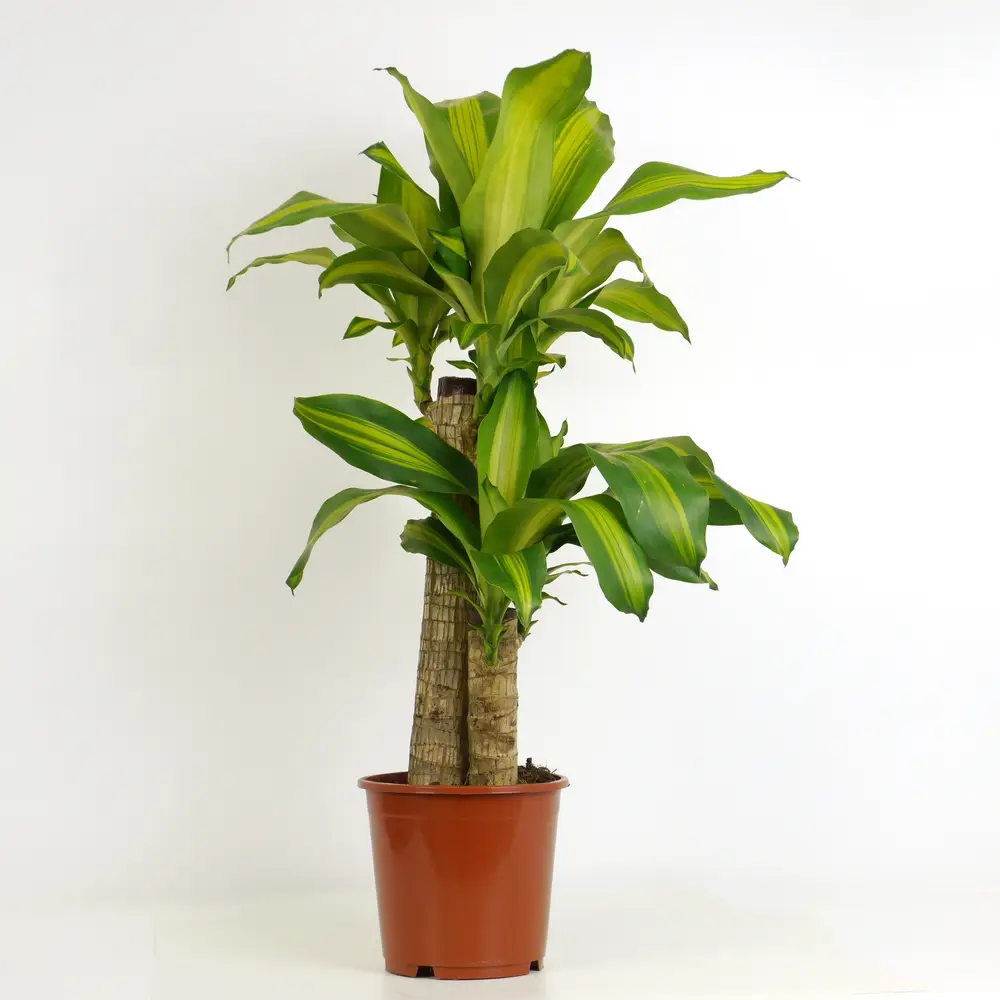
Dracaena fragrans ‘Compacta’ is a compact cultivar of the corn plant, valued for its tightly packed rosettes of short, glossy, dark green leaves. Unlike taller, more open Dracaena forms, Compacta develops a neat architectural silhouette with dense foliage around upright woody canes. In U.S. homes and offices it is often sold as Dracaena Compacta, Compact Janet Craig, or simply Compacta.
The cultivar is naturally slow growing and commonly reaches about 3–6 feet indoors, although size depends on age, container space, light, and pruning. Its compact form makes it useful for floor pots, office corners, entry areas, and rooms where a full tropical look is wanted without a very wide plant.
Good Compacta Care centers on filtered light, careful watering, warm temperatures, and avoiding excess fertilizer salts. It can tolerate lower light better than many decorative foliage plants, but brighter indirect light usually supports stronger leaves and steadier growth. Like other Dracaenas, it can develop brown tips when water quality, salt buildup, dry indoor air, or root stress becomes a problem.
Plant Information
Difficulty
Easy to Moderate
Light
Bright to Moderate Indirect
Water
Dry Top Inch, Then Water
Humidity
Average; 30–40%+ Helpful
Temperature
70–80°F Preferred; 50°F+ Minimum
Growth Rate
Slow
Pet Friendly
No
Indoor Height
3–6 ft Typical
Repotting
When Root-Bound
Native Range
Cultivar of Tropical African Species
History of Compacta
Compacta belongs to Dracaena fragrans, an accepted species first published under its current combination in 1808. The species is native across Tropical Africa and later became one of the most important foliage plants used in homes, offices, hotels, and commercial interiors. Growers selected different forms for leaf color, cane structure, size, and tolerance of indoor conditions.
‘Compacta’ developed its reputation as a slow-growing, dense-leaved form. U.S. nursery references also connect it with the Janet Craig group, and older plant labels may place it under Dracaena deremensis. Modern references generally treat those plants within Dracaena fragrans, so Dracaena fragrans ‘Compacta’ is a practical current name for houseplant use.
One naming detail is important: the retail cultivar should not be confused with the historical species name Dracaena compacta W.Bull. Kew now treats that old species name as a synonym of Cordyline fruticosa, a different plant. For modern Compacta Care, the dense houseplant sold in U.S. nurseries is the Dracaena fragrans cultivar.
Plant Specifications
Botanical Name
Dracaena fragrans ‘Compacta’
Family
Asparagaceae
Plant Type
Evergreen Perennial Shrub
Growth Habit
Upright Cane, Dense Rosettes
Indoor Height
3–6 ft Typical Indoors
Light Requirement
Bright to Moderate Indirect Light
Watering
Let Surface Dry Slightly
Humidity
Average Household; 30–40%+ Helpful
Temperature
70–80°F Preferred; Protect Below 50°F
Soil
Well-Drained Houseplant Potting Mix
USDA Hardiness
Zones 10a–11b Outdoors
Repotting
When Roots Crowd the Pot
Pet Safety
Toxic to Cats & Dogs
Native Range
Cultivar of Tropical African Species
Compacta Care Guide
Use these practical guidelines to keep Compacta dense, upright, and healthy while avoiding the brown tips, yellow leaves, and root problems that commonly appear indoors.
Light & Placement
Place Compacta in bright to moderate indirect light. It tolerates lower light, which is one reason it is popular in offices, but very dim conditions slow growth and can reduce leaf quality.
An east-facing window or a position a few feet back from a bright south- or west-facing window often works well. Avoid suddenly exposing a shade-grown plant to strong midday sun because direct sun can scorch the foliage.
Watering Without Root Rot
Allow the soil surface or roughly the top inch of mix to dry before watering again, then water thoroughly until excess drains from the pot. Do not keep the root zone constantly saturated.
Compacta uses water more slowly in low light and during winter. Check the soil instead of following a rigid weekly schedule, and never leave the nursery pot standing in collected water inside a decorative cachepot.
Soil & Repotting
Use a standard, well-drained houseplant potting mix in a container with working drainage holes. The mix should hold some moisture without staying waterlogged around the roots.
Because Compacta grows slowly, it does not need frequent repotting. Move it up only when roots crowd the container, emerge from drainage holes, or the plant begins lifting from the pot. A slightly snug container is usually easier to manage than an oversized wet pot.
Temperature & Humidity
Compacta performs best around 70–80°F and should be protected from prolonged temperatures below about 50°F. Keep it away from cold windows, exterior-door drafts, and direct blasts from heating or air-conditioning vents.
Normal household humidity can work, but heated winter air may contribute to brown tips. If indoor humidity falls below roughly 30–40%, a room humidifier can help more reliably than occasional misting.
Fertilizer & Salt Control
Feed lightly during active spring and summer growth with a balanced foliage-plant fertilizer used according to the label. Compacta grows slowly, so heavy feeding is unnecessary.
Dracaenas are sensitive to soluble salts and fluoride. Avoid overfertilizing, periodically flush the potting mix with water, and consider filtered, distilled, or rainwater if persistent tip burn appears despite otherwise good care.
Pruning & Propagation
Remove fully yellow or badly damaged leaves with clean tools. If a cane becomes too tall or bare, it can be cut back to the desired height; new shoots may develop below the cut.
Compacta can be propagated from stem or cane cuttings. Because growth is slow, expect propagation and new shoot development to take patience compared with faster tropical houseplants.
Common Compacta Problems
Compacta problems are often linked to water quality, excess moisture, low humidity, poor light, or sudden temperature changes. Diagnose the growing conditions before changing several parts of the routine at once.
Brown Leaf Tips
Brown tips can result from dry indoor air, fluoride or salt buildup, inconsistent watering, or root stress. Trim only the dry tissue, review water quality, and flush accumulated salts from the potting mix before simply watering more often.
Yellow or Soft Leaves
Yellowing combined with soft leaves or consistently wet soil often points to overwatering and poor root aeration. Let the mix dry slightly, confirm the pot drains freely, and inspect the roots if decline continues.
Root or Cane Rot
A soft cane base, dark roots, sour-smelling mix, or rapid collapse can indicate rot. Remove badly damaged tissue, discard waterlogged soil, repot into fresh draining mix, and reduce watering frequency while the plant recovers.
Slow or Sparse Growth
Compacta is naturally slow, but extremely weak or sparse growth can occur in very low light. Move the plant gradually to brighter filtered light and avoid compensating for slow growth with extra fertilizer, which can increase salt damage.
Leaf Drop After a Move
Sudden temperature changes, cold drafts, relocation stress, overwatering, or poor drainage can trigger leaf loss. Keep conditions stable after bringing a new plant home and avoid repotting immediately unless there is a serious root problem.
Mealybugs, Scale & Mites
Inspect leaf bases, canes, and undersides for cottony mealybugs, attached scale insects, fine stippling, or webbing. Isolate affected plants, clean the foliage, and treat promptly with an appropriate houseplant pest method.
How to Choose a Healthy Compacta
Choose a Compacta with dense, evenly spaced leaf rosettes and firm upright canes. Healthy leaves should be dark green and structurally firm, without widespread yellowing, soft bases, severe brown-tip damage, or large bleached patches. A few older cosmetic marks are less concerning than symptoms that appear across several new leaves.
Check the potting mix before buying. It should not smell sour or remain swampy, and the container should have usable drainage. If possible, look near the drainage holes for pale, firm roots rather than black or mushy ones. Inspect the leaf bases and cane joints closely for mealybugs, scale, spider mites, or sticky residue.
Read the label carefully. In U.S. stores this plant may be sold as Dracaena Compacta, Compact Janet Craig, or Dracaena fragrans ‘Compacta’. Confirm that you are buying the dense, short-leaved cultivar rather than a taller corn plant form. For the easiest adjustment at home, choose a plant that has been kept in conditions similar to the light level you can provide.
Buying Checklist
Dense Leaf Rosettes
Look for tightly clustered, dark green leaves with healthy new growth at the center.
Firm Canes
Canes should feel solid, not soft, wrinkled, blackened, or collapsing near the soil line.
Draining Root Zone
Avoid plants sitting in constantly saturated mix or pots without a practical drainage path.
No Hidden Pests
Inspect leaf bases and canes for mealybugs, scale, mites, webbing, and sticky residue.
Correct Compacta Label
Look for Dracaena fragrans ‘Compacta’, Dracaena Compacta, or Compact Janet Craig on the nursery label.
Frequently Asked Questions
Compacta is commonly sold as a compact Janet Craig type. Current U.S. references generally place the cultivar under Dracaena fragrans, while older labels may use Dracaena deremensis. The dense, short-leaved form is typically labeled ‘Compacta’.
Bright to moderate indirect light is ideal. Compacta tolerates lower light, but growth becomes slower and leaf quality may decline. Avoid suddenly moving a shade-grown plant into intense direct sun.
Water when the soil surface or about the top inch has dried slightly. Water thoroughly, let excess drain, and check the mix before watering again. Frequency changes with season, light, pot size, and indoor temperature.
Common causes include low humidity, fluoride or salt buildup, excess fertilizer, inconsistent watering, and root stress. Review water quality and drainage before increasing watering.
Yellow, soft leaves with wet soil often indicate too much water or poor drainage. Cold stress, root damage, or normal aging of an occasional lower leaf can also contribute.
Yes, it is relatively tolerant of lower indoor light, which is why it is widely used in offices. However, brighter filtered light usually produces stronger growth and a denser appearance.
No. Dracaena species are considered toxic to cats and dogs if ingested. ASPCA lists saponins as the toxic principle, so keep the plant where pets cannot chew the leaves.
Related Plants
Explore Similar Indoor Plants
Dracaena
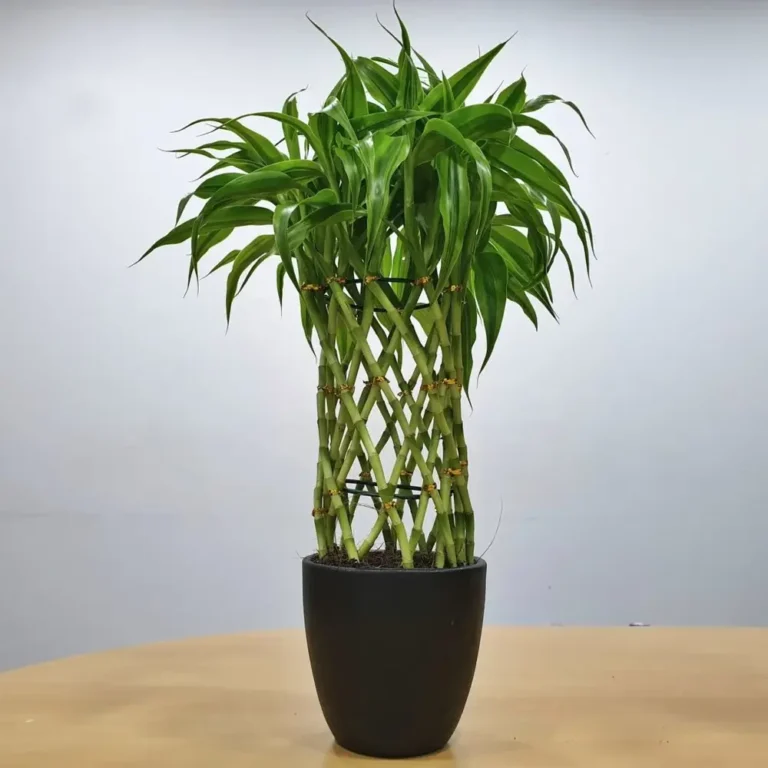
Lucky Bamboo
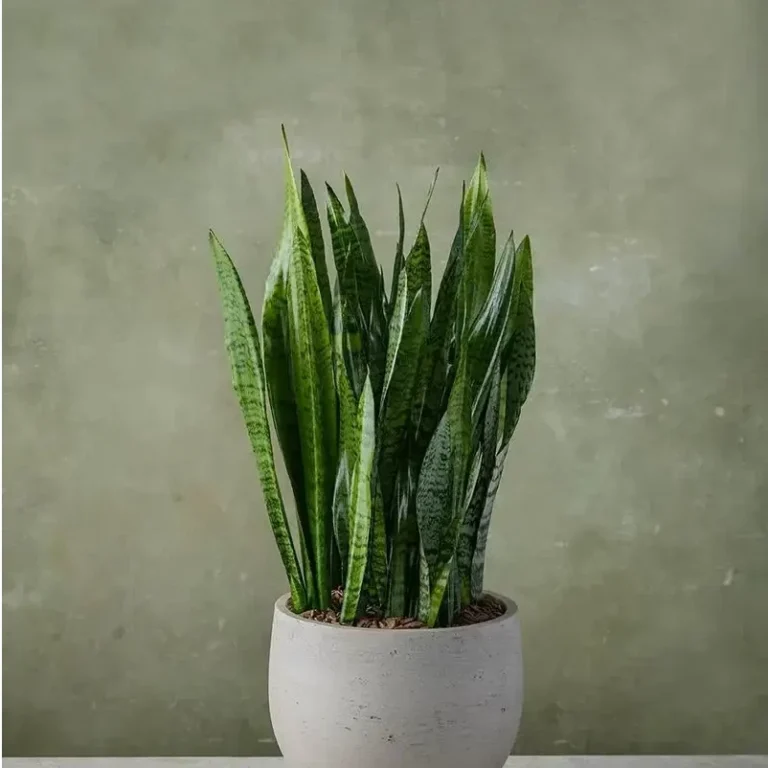
Snake Plant