Croton Plant Care : Color, Watering & Leaf Drop Guide
- Home
- Indoor Plants
- Croton Plant
- Colorful Tropical Foliage Plant
Evergreen Tropical Shrub
Care + Buying Guide
Croton Plant Care
Croton Plant Care starts with consistency. Codiaeum variegatum develops its strongest red, orange, yellow, pink, and green leaf color in bright light, while sudden changes in light, watering, temperature, or location can trigger leaf drop. Keep the plant in a warm room, provide bright filtered light with gentle direct sun where appropriate, and water when the upper layer of potting mix begins to dry rather than letting the entire root ball stay wet or bone dry. Use a rich but freely draining mix, protect the plant from cold drafts, and reduce watering during slower winter growth. Crotons also benefit from regular inspection for spider mites and scale, especially in dry heated homes.
FAMOUS PLANT
🎨 Multicolor Tropical Foliage
☀️ Bright Light for Best Color
🌿 Upright Woody Shrub
💧 Likes Even, Careful Moisture


Care Guide
About Croton Plant
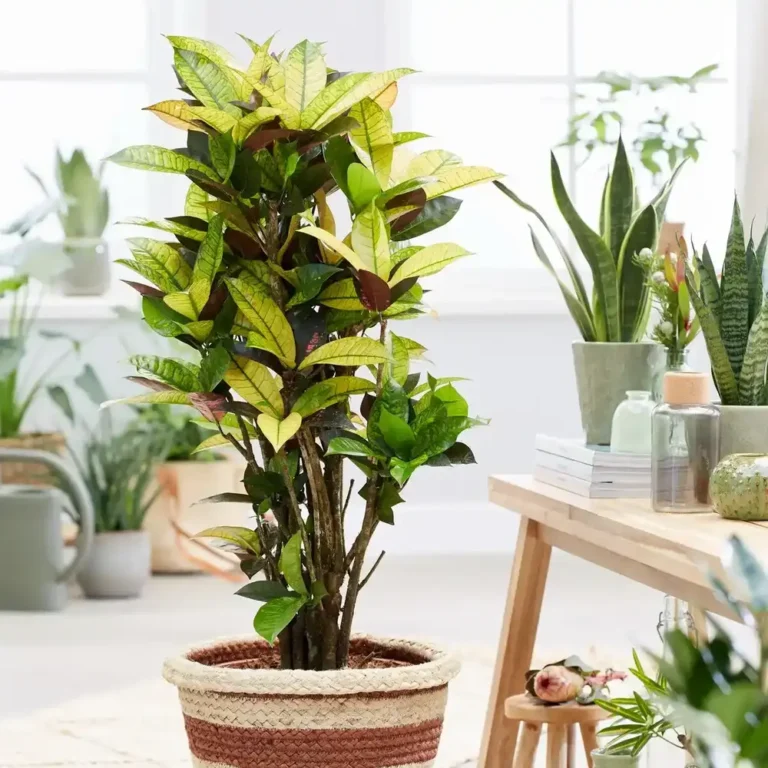
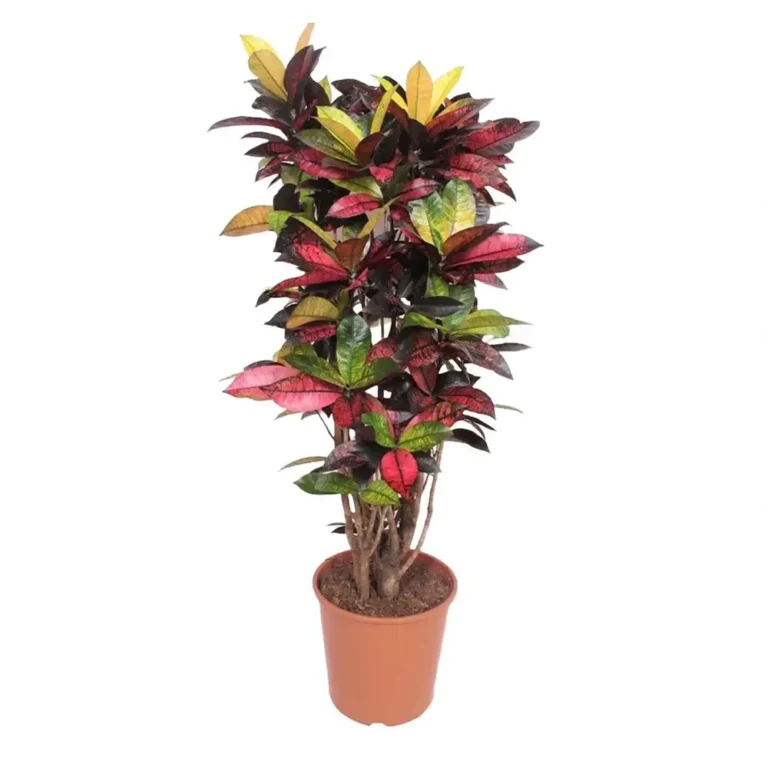
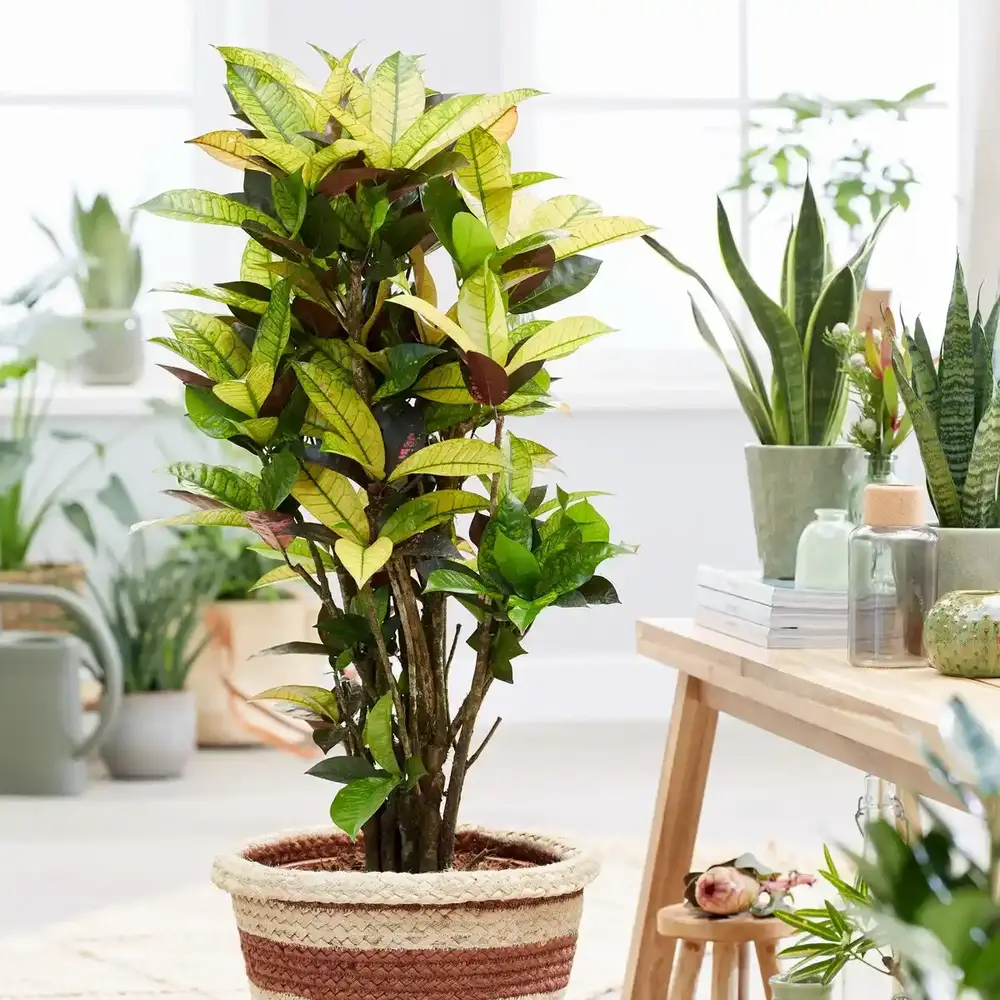
The Croton Plant Care, Codiaeum variegatum, is a broadleaf evergreen shrub in the spurge family (Euphorbiaceae) and is one of the most recognizable tropical foliage plants grown in U.S. homes and warm-climate landscapes. It is famous for leathery leaves that may be narrow, oval, lobed, twisted, or nearly ribbon-like depending on the cultivar. Foliage can combine green, yellow, orange, red, pink, burgundy, and purple in veins, spots, blotches, or broad bands, which is why Croton Plant Care focuses heavily on light quality and environmental stability.
Although often sold simply as “croton,” this ornamental is botanically Codiaeum variegatum, not a member of the separate genus Croton. Indoors, plants commonly stay much smaller than outdoor specimens and are usually maintained as upright decorative shrubs. Cultivars such as ‘Petra’, ‘Gold Dust’, ‘Eleanor Roosevelt’, and other colorful forms can differ noticeably in leaf shape, mature size, and color pattern.
Crotons are not difficult because of complex pruning or feeding needs; they are challenging because they react strongly to abrupt changes.
Plant Information
Difficulty
Moderate
Light
Bright Light; Some Direct Sun
Water
Water When Top Layer Dries
Humidity
Average to Moderately Humid
Temperature
65–80°F; Avoid Below 55°F
Growth Rate
Moderate
Pet Friendly
No
Indoor Height
3–6 ft Typical
Repotting
Every 1–2 Years or When Root-Bound
Native Range
Malesia to Southwestern Pacific
History of Croton Plant
The plant now accepted as Codiaeum variegatum has a botanical history that predates its houseplant popularity. Carl Linnaeus published it in 1753 as Croton variegatus, a name that survives in the common name “croton.” The accepted combination Codiaeum variegatum was published in 1824, and modern references place it in the genus Codiaeum within the Euphorbiaceae family. This distinction matters because the ornamental croton is not botanically part of the separate genus Croton.
The species is native from Malesia into the southwestern Pacific, where wild plants grow as tropical shrubs or small trees. Long cultivation produced many ornamental forms differing in leaf width, lobing, twisting, spotting, venation, and color. These variations helped Croton become a popular foliage plant for tropical gardens, interiors, patios, and containers. Cultivars such as ‘Petra’, ‘Gold Dust’, and ‘Eleanor Roosevelt’ show how strongly growers selected for decorative foliage.
In the United States, Crotons are especially useful in warm regions such as Florida, where they can grow outdoors in frost-free landscapes, while colder-state gardeners often keep them indoors or as seasonal patio plants. Their tendency to drop leaves after relocation also shaped modern Croton Plant Care advice: growers emphasize acclimation, bright light, warm temperatures, steady moisture, and cold protection. Today Croton remains a distinctive tropical foliage plant in American garden centers and houseplant collections.
Plant Specifications
Botanical Name
Codiaeum variegatum
Family
Euphorbiaceae
Plant Type
Evergreen Tropical Shrub
Growth Habit
Upright, Woody, Branching
Indoor Height
3–6 ft Typical; Cultivar Dependent
Light Requirement
Bright Light; Some Direct Sun
Watering
Water as Upper Mix Begins to Dry
Humidity
Average to Moderately Humid
Temperature
65–80°F; Keep Above 55°F
Soil
Rich, Well-Drained Potting Mix
USDA Hardiness
Zones 11a–12b Outdoors
Repotting
Every 1–2 Years or When Root-Bound
Pet Safety
Toxic / Irritating if Chewed
Native Range
Malesia to Southwestern Pacific
Croton Plant Care Guide
Use these Croton Plant Care guidelines to preserve strong leaf color, reduce stress-related leaf drop, and keep indoor plants growing steadily through changing U.S. seasons.
Light, Color & Window Placement
Crotons need brighter light than many foliage houseplants. Strong filtered light and some gentle direct sun help maintain red, orange, yellow, and pink pigmentation. In dim rooms, new leaves may emerge greener and lower foliage can thin.
U.S. placement: an east window, a bright south or west exposure with acclimation, or a very bright room near the glass usually works well. Introduce stronger sun gradually so greenhouse-grown leaves do not scorch.
Watering & Sudden Leaf Drop
Water thoroughly when the upper 1–2 inches of potting mix begin to dry, then empty excess water from the saucer or cachepot. Crotons dislike both prolonged saturation and severe drought.
Leaf drop often follows abrupt changes in moisture. During darker winter months, the plant uses water more slowly, so check the mix rather than following a fixed weekly schedule.
Soil, Drainage & Repotting
Use a fertile, airy houseplant mix that drains freely. A peat- or coir-based mix amended with perlite and fine bark works well in a pot with drainage holes.
Repot when roots circle densely, the mix dries unusually fast, or growth stalls despite good care. Move only one container size larger to avoid leaving excess wet soil around the roots.
Temperature, Humidity & Drafts
Crotons prefer warm, stable conditions. Aim for roughly 65–80°F indoors and avoid prolonged exposure below about 55°F. Bring patio plants indoors before temperatures approach 50°F.
Keep plants away from cold windows, exterior-door drafts, and direct blasts from air-conditioning or heating vents. Moderate humidity helps foliage, especially during dry winter heating.
Fertilizer & Seasonal Growth
Feed during active spring and summer growth with a balanced houseplant fertilizer diluted according to the label. Avoid heavy feeding when the plant is stressed, recently repotted, or growing slowly in winter.
Excess fertilizer can contribute to root stress and leaf-edge damage, so consistent moderate feeding is safer than frequent strong applications.
Pruning, Cleaning & Acclimation
Prune leggy stems above a leaf node to encourage branching and remove badly damaged foliage with clean tools. Wear gloves because the sap can irritate skin and eyes.
Wipe dusty leaves gently, inspect both leaf surfaces for pests, and avoid repeatedly relocating the plant. When moving it outdoors or into stronger sun, acclimate it over several days.
Common Croton Plant Problems
Crotons often react to environmental change before they develop obvious plant problem symptoms. Check recent moves, temperature, soil moisture, light intensity, roots, and pests before changing several parts of the care routine at once.
Sudden Leaf Drop
A recently purchased or moved Croton may drop leaves after a sharp change in light, temperature, humidity, or watering. Keep conditions stable, provide bright light, and avoid repeatedly moving the plant while it acclimates.
Fading or Greener Leaves
Color often weakens when light is insufficient. Move the plant gradually toward a brighter window or stronger filtered light. Do not shift a shade-grown plant directly into intense midday sun.
Yellow Leaves & Root Stress
Yellowing accompanied by wet soil, soft roots, or a sour-smelling mix can indicate overwatering or poor drainage. Let the upper mix dry slightly and check that the container drains freely.
Brown or Crispy Edges
Dry leaf margins can follow inconsistent watering, hot dry air, root stress, or mineral buildup. Check the moisture pattern and root condition before simply watering more often.
Spider Mites
Fine stippling, dull foliage, and webbing—especially on leaf undersides—can signal spider mites. Isolate the plant, rinse foliage, and treat promptly. Dry heated rooms can make mite problems worse.
Scale & Mealybugs
Inspect stems, petioles, and leaf veins for fixed bumps, sticky residue, or white cottony clusters. Remove visible pests and follow with an appropriate houseplant treatment, repeating as needed.
How to Choose a Healthy Croton Plant
Choose a Croton with firm, glossy foliage, active growing points, and color that matches the cultivar. Inspect both sides of the leaves for spider-mite stippling, webbing, scale, mealybugs, sticky residue, or black sooty deposits. A few older blemished leaves are not necessarily a problem, but widespread yellowing, severe curling, bare stems, or a large amount of fresh leaf drop can indicate stress. Check the potting mix as well: it should not smell sour or remain waterlogged around soft roots.
Match the plant to your actual light conditions before buying. A highly colored Croton kept several feet from a small north-facing window may lose color and foliage, while a plant intended for a bright south or west window should still be acclimated gradually to direct sun. Ask for the cultivar name when possible because ‘Petra’, ‘Gold Dust’, narrow-leaved forms, and other selections differ in leaf shape, mature size, and color pattern. This makes it easier to estimate future space requirements and choose the right container.
If you are buying during cold U.S. weather, protect the plant during transport. Crotons are sensitive to chilling, and even a short period in a cold car or exposed cart can cause later leaf drop. Wrap the foliage for the trip, go directly home, and place the plant in a warm bright location away from HVAC vents. For homes with cats, dogs, or young children, remember that the sap and plant tissue can be irritating, so choose a location that keeps chewing and handling to a minimum.
Buying Checklist
Strong, Colorful Foliage
Choose leaves with good cultivar color, firm texture, and no widespread yellowing or collapse.
Stable Root Zone
Avoid plants sitting in sour-smelling, constantly saturated mix or showing soft black roots.
No Mites or Scale
Check leaf undersides, veins, stems, and petioles for webbing, stippling, bumps, or sticky residue.
Right Light for Your Home
Buy Croton only if you can provide a bright indoor position where its foliage can hold strong color.
Cultivar & Mature Size
Confirm the cultivar when possible so you know the expected leaf shape, color pattern, and mature size.
Frequently Asked Questions
Sudden leaf drop commonly follows a major change in light, temperature, watering, humidity, or location. Keep the plant warm and bright, check soil moisture, and avoid moving it repeatedly while it acclimates.
Bright light is important for dense growth and strong leaf color. Many Crotons benefit from some direct sun, but increase sun exposure gradually to prevent scorch on leaves grown in lower light.
Water when the upper layer of potting mix begins to dry, then soak thoroughly and let excess water drain. Frequency changes with season, pot size, temperature, and light, so do not rely on a fixed weekly schedule.
Insufficient light is a common cause of greener new growth. Move the plant gradually to a brighter location while watching for sun scorch and keeping watering consistent.
Yes, once nights are reliably warm. Acclimate the plant gradually to outdoor light and bring it back indoors before temperatures approach about 50°F. Check carefully for pests before bringing it inside.
No. Codiaeum variegatum can irritate the mouth and gastrointestinal tract if chewed, and its sap may irritate skin. Keep it away from pets that investigate plants.
Yes. Stem cuttings can be rooted in warm, humid conditions. Use clean tools, wear gloves because the sap can irritate skin, and keep the cutting in bright indirect light while new roots develop.
Related Plants
Explore Similar Indoor Plants
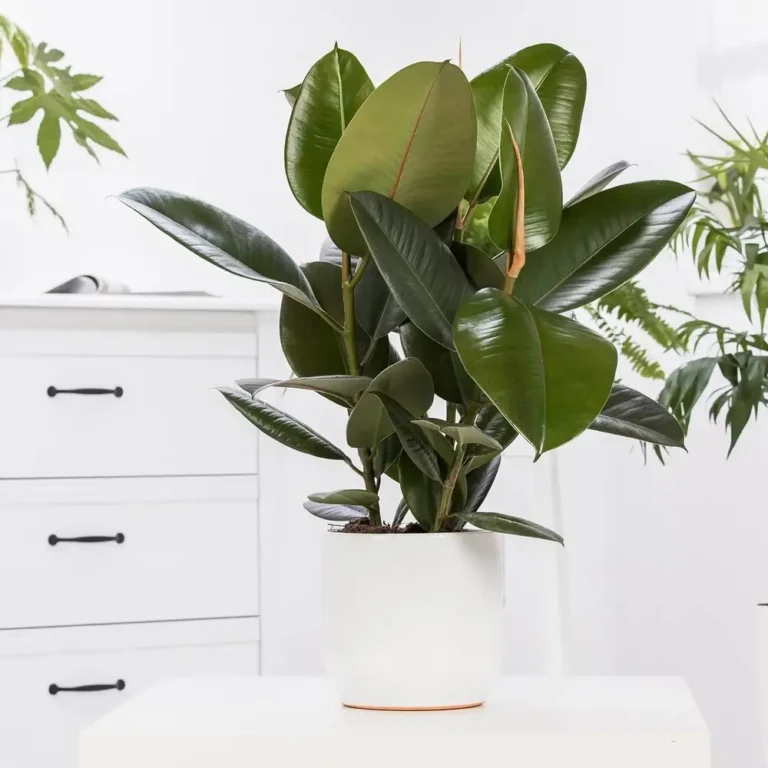
Ficus
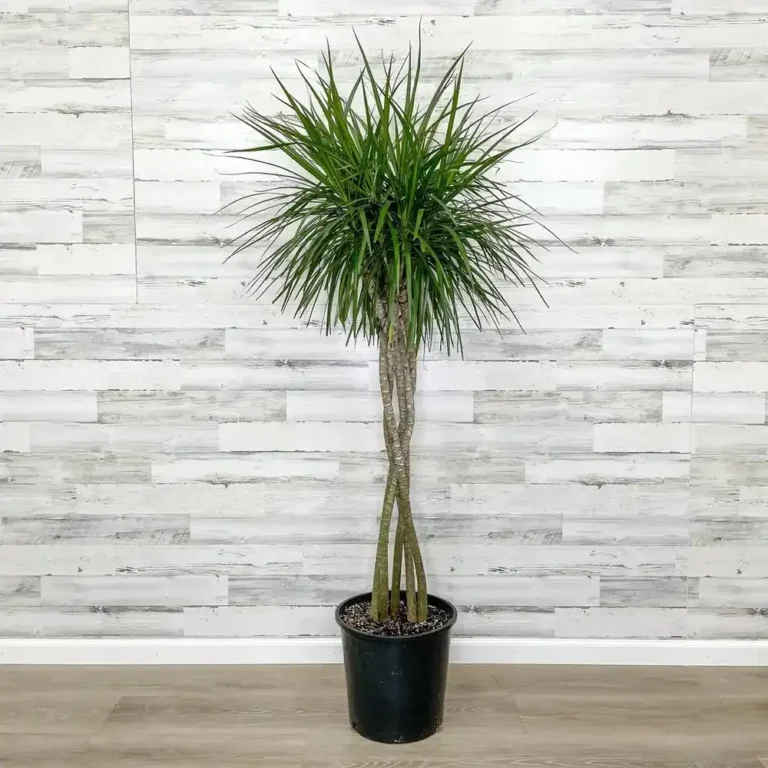
Dracaena
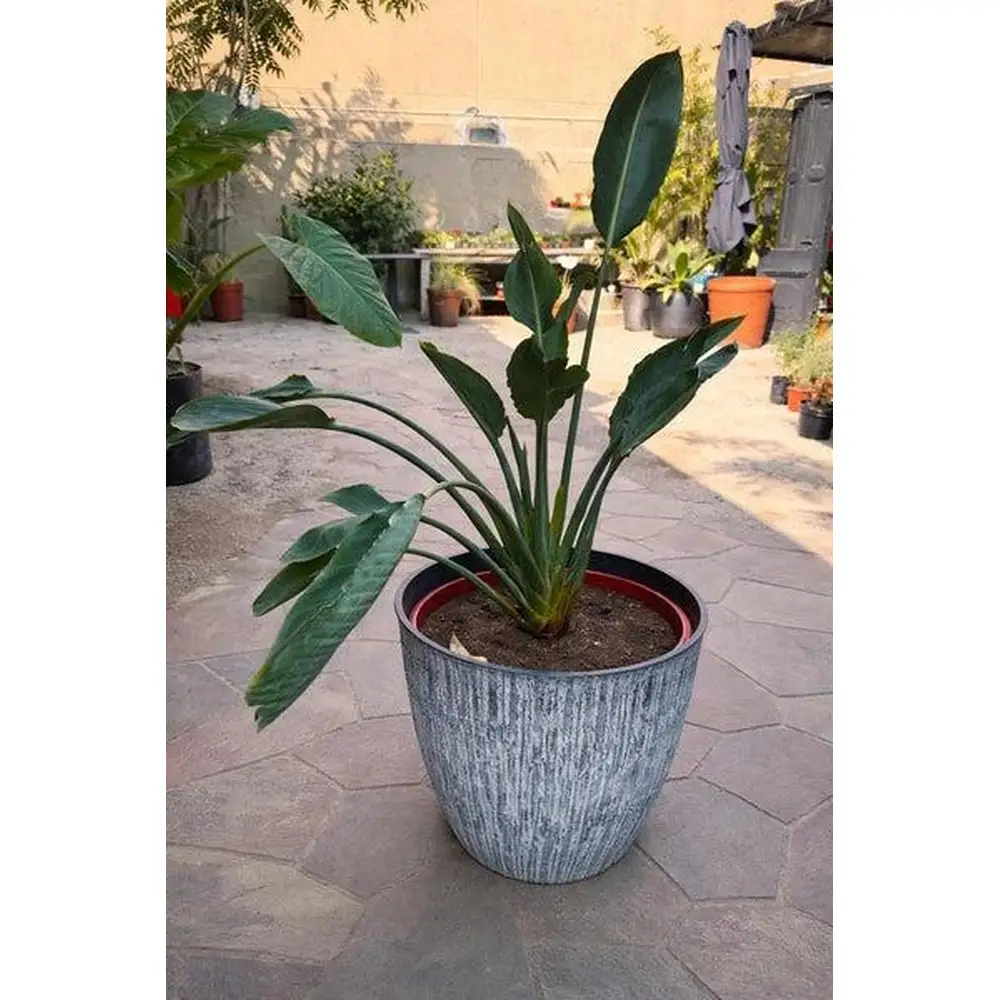
Strelitzia