Peace Lily Care Guide with Detail & Buying Tips
- Home
- Indoor Plants
- Peace Lily
- Flowering Houseplant
Tropical Herbaceous Perennial
Care + Buying Guide
Peace Lily Care
Peace Lily (Spathiphyllum spp.) is a popular flowering houseplant valued for glossy green foliage and elegant white spathes. It tolerates lower indoor light better than many flowering plants, but medium to bright indirect light usually supports stronger growth and more reliable blooms. Keep the potting mix evenly moist without leaving the roots waterlogged, and let the surface begin to dry slightly between waterings. Peace Lilies prefer warm indoor temperatures, moderate to higher humidity, and protection from direct sun, cold drafts, furnace vents, and air-conditioning. With consistent moisture, good drainage, and light feeding during active growth, they can remain attractive year-round in U.S. homes and offices.
FAMOUS PLANT
🌿 Glossy Evergreen Foliage
☀️ Low to Bright Indirect Light
🌸 Long-Lasting White Spathes
🪴 Beginner Friendly

Care Guide

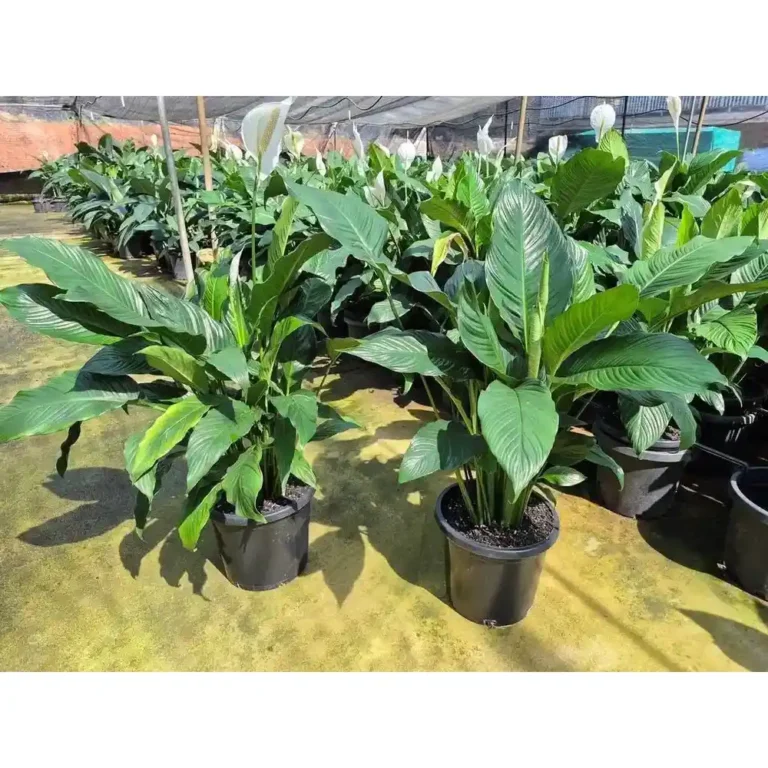
About Peace Lily
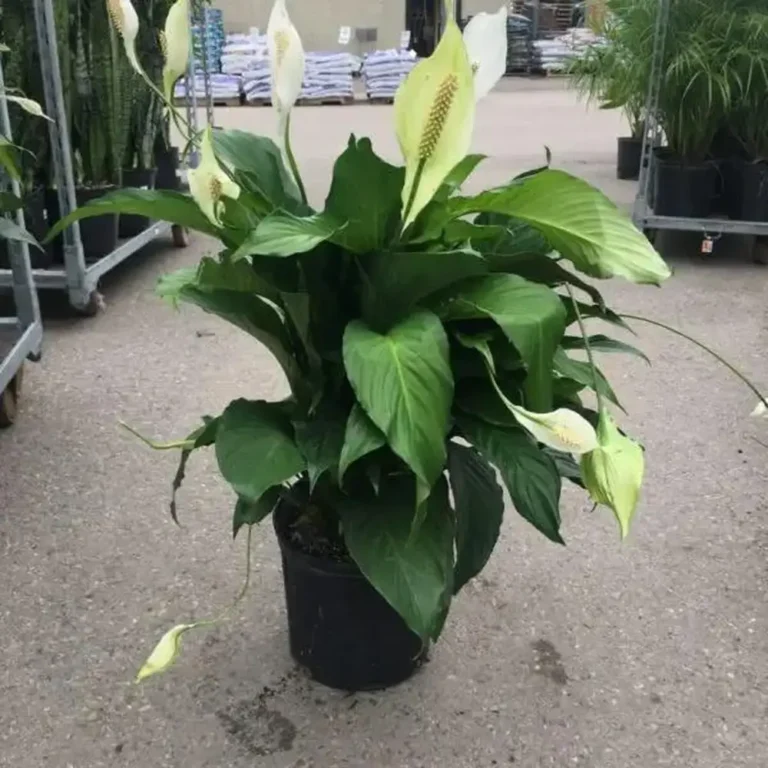
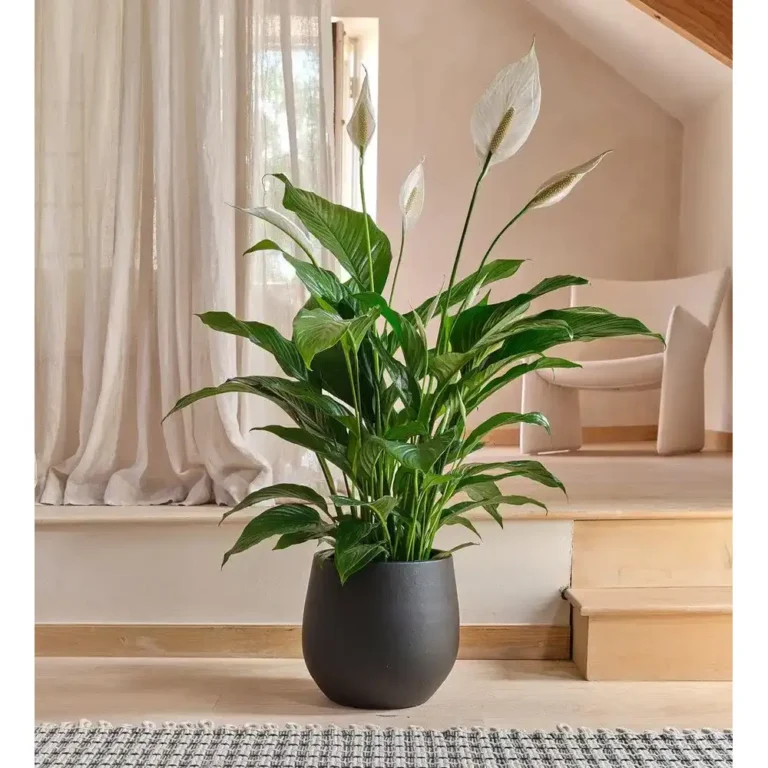
Peace Lilies are tropical, clump-forming herbaceous perennials in the Araceae family. They produce glossy, dark green leaves from a compact crown and are best known for their distinctive flower structure: a cream to pale spadix surrounded by a white, sail-like spathe. The spathe gradually becomes green as it ages, so a green older bloom is usually part of the normal flowering cycle rather than a disease symptom.
The name “Peace Lily” can refer to several Spathiphyllum species and many cultivated hybrids. Spathiphyllum wallisii is one of the best-known species in cultivation, while popular U.S. houseplant cultivars include compact forms as well as much larger selections such as ‘Sensation’. Depending on cultivar, mature plants may range from about 1 foot to several feet tall and wide.
Unlike true lilies in the genus Lilium, Peace Lilies belong to the aroid family. They are nevertheless unsafe for pets to chew because their tissues contain insoluble calcium oxalate crystals. As indoor plants, they are valued for their shade tolerance, glossy foliage, long-lasting white spathes, and ability to flower under good indirect light.
Plant Information
Difficulty
Easy
Light
Low to Bright Indirect Light
Water
Keep Evenly Moist; Not Soggy
Humidity
Average to Above-Average
Temperature
68–85°F Daytime; Avoid Below 60°F
Growth Rate
Moderate
Pet Friendly
No
Indoor Height
1–4 ft Typical
Repotting
When Root-Bound
Native Range
Tropical Americas, Malesia & W. Pacific
History of Peace Lily
The botanical history of Peace Lilies begins with the genus Spathiphyllum, which was formally published in 1832 by botanist Heinrich Wilhelm Schott. The genus is now recognized as part of the Araceae family and includes dozens of accepted species native across tropical regions of the Americas, Malesia, and the western Pacific.
One of the most familiar species in cultivation, Spathiphyllum wallisii, was formally published by botanist Eduard Regel in 1877. Kew currently recognizes this species as native from Colombia to Venezuela. Over time, Peace Lilies became important ornamental foliage and flowering plants, and extensive selection produced many cultivars with differences in mature size, leaf texture, variegation, and flowering habit.
Modern U.S. houseplant collections commonly include named selections such as ‘Mauna Loa’, ‘Petite’, ‘Domino’, and ‘Sensation’. Compact cultivars fit desks and small apartments, while large forms can become substantial floor plants. Their combination of glossy foliage, low-light tolerance, and white spathes helped make Peace Lilies a standard plant for homes, offices, hotels, and interior landscapes.
Today, “Peace Lily” is best treated as a horticultural group rather than a single uniform plant. For that reason, mature size and exact appearance can vary considerably by species or cultivar, even though the core indoor-care requirements are broadly similar.
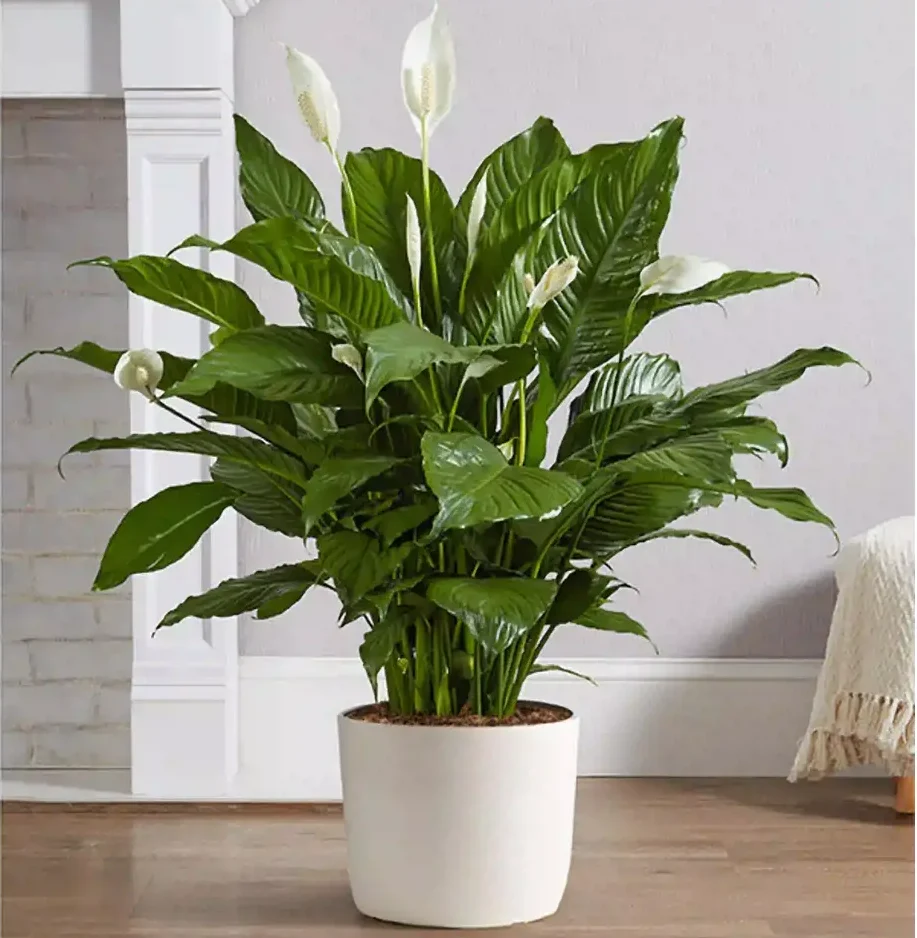
Plant Specifications
Botanical Name
Spathiphyllum spp.
Family
Araceae
Plant Type
Tropical Herbaceous Perennial
Growth Habit
Clump-Forming, Erect
Indoor Height
1–4 ft Typical; Some Cultivars to 6 ft
Light Requirement
Low to Bright Indirect Light
Watering
Evenly Moist; Allow Slight Surface Drying
Humidity
Average to Above-Average Household
Temperature
68–85°F; Avoid Below 60°F
Soil
Rich, Well-Drained Houseplant Mix
USDA Zones
USDA Zones 11–12 Outdoors
Repotting
When Root-Bound; Pot Up 1–2 in
Pet Safety
Toxic if Chewed or Ingested
Native Range
Mexico to Tropical America, Malesia & W. Pacific
Peace Lily Care Guide
Use these practical Peace Lily care guidelines for U.S. homes to maintain glossy foliage, healthy roots, and reliable flowering without the common problems caused by direct sun, severe drying, or waterlogged soil.
Light & Placement
Peace Lily tolerates low indoor light, but medium to bright indirect light usually produces fuller growth and more flowers. In many U.S. homes, an east- or north-facing window is a good location.
Best placement: near bright filtered light, or several feet back from a strong south- or west-facing window. Avoid hot direct sun because it can scorch or bleach the broad leaves.
Watering & Drainage
Keep the potting mix evenly moist, but never permanently wet. Water thoroughly when the surface begins to dry slightly, then let excess water drain completely from the pot.
Do not rely on a fixed weekly schedule. Water use usually drops in winter or lower light. Repeated severe wilting can stress the plant, while constantly soggy soil can damage roots and lead to rot.
Soil & Repotting
Use a loose, organic-rich houseplant mix that drains well while still holding some moisture. A container with working drainage holes is essential.
Peace Lilies often perform well slightly root-bound. Repot when roots grow through the drainage holes or circle the soil surface, moving to a container only about 1–2 inches wider to avoid keeping the mix excessively wet.
Temperature & Humidity
Peace Lilies prefer warm indoor conditions around 68–85°F during the day, with slightly cooler nights. Protect them from temperatures below about 60°F.
Average household humidity is usually workable, but moderate to higher humidity can help reduce brown leaf edges. Keep plants away from cold drafts, air-conditioning vents, and hot furnace or heating vents.
Fertilizer
Peace Lilies need only light feeding. During spring and summer, a balanced liquid houseplant fertilizer can be applied at about one-quarter of the label strength every six to eight weeks.
Reduce or stop feeding when growth slows in fall and winter. Excess fertilizer can burn roots and leaf tips, so more fertilizer does not mean more flowers.
Pruning & Leaf Cleaning
Remove yellow, badly damaged, or fully brown leaves close to the base with clean cutting tools. Spent flower stalks can also be cut at the base once the spathe has faded and turned green or brown.
Wipe the broad leaves regularly with a soft damp cloth to remove dust. Clean foliage looks better and also makes it easier to spot pests such as mealybugs, mites, or scale early.
Common Peace Lily Problems
Peace Lily symptoms can have several causes. Check soil moisture, root condition, light, humidity, fertilizer use, and recent exposure to heating or air-conditioning before making major changes to the plant’s routine.
Drooping or Wilting
Peace Lilies are famous for drooping when the potting mix becomes too dry. Check the soil before watering: if it is dry, water thoroughly and let the excess drain.
If the soil is already wet and the plant is still wilted, inspect the roots because damaged or rotting roots can also prevent the plant from taking up water properly.
Yellow Leaves
An occasional older yellow leaf can be normal, but widespread yellowing may be associated with overly wet soil, poor drainage, low light, or general root stress.
Check moisture and drainage first. Avoid automatically adding fertilizer to a stressed plant until the root zone and light conditions have been evaluated.
Root Rot & Stem Disease
Persistently soggy potting mix can lead to root and stem diseases. Warning signs include continued wilting in wet soil, soft dark tissue, declining leaves, or an unhealthy root system.
Remove standing water, reduce unnecessary watering, and repot into fresh well-drained mix if significant root damage is present. Use a clean container with drainage holes.
Brown Leaf Tips
Brown tips can result from excessive drying, low humidity, too much direct sun, or fertilizer and mineral-salt buildup. Hot or cold HVAC airflow can also dry the leaf edges.
Review the full growing environment before trimming the damage. Correct moisture, light, humidity, and fertilizer practices so new leaves emerge in better condition.
No Flowers
Peace Lilies can survive in low light, but very low light often reduces flowering. Young plants may also need time to mature before producing regular blooms.
Move the plant to medium or bright indirect light, keep the root zone healthy, and use light fertilizer during active growth. Avoid harsh direct sun and excessive feeding.
Mealybugs, Mites & Scale
Indoor Peace Lilies can develop mealybugs, spider mites, scale insects, and occasionally fungus gnats. Inspect leaf undersides, petioles, the crown, and the soil surface for insects, sticky residue, webbing, or cottony material.
Isolate affected plants from nearby houseplants and address infestations promptly before they spread through an indoor collection.
How to Choose a Healthy Peace Lily
Choose a healthy Peace Lily with glossy, dark green foliage, firm leaf stalks, and a dense, stable crown. Avoid plants with widespread yellowing, extensive brown leaf tips, collapsed growth, blackened tissue, or leaves that remain limp while the potting mix is already wet. A few older green or fading flower spathes are normal, but widespread decline can indicate poor growing conditions.
Inspect the roots, crown, and potting mix before buying whenever possible. The soil should be moist but not saturated, and the container should have working drainage holes. Avoid sour-smelling, waterlogged mix or soft, dark roots that may indicate root rot. Check leaf undersides and the base of the plant for mealybugs, scale insects, spider mites, fungus gnats, sticky residue, or webbing.
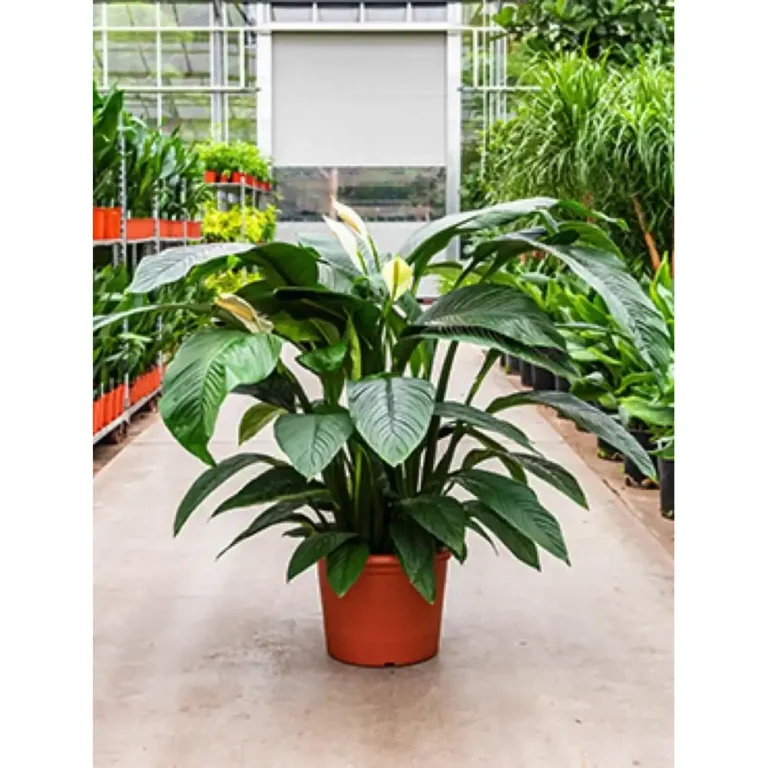
For U.S. indoor growing, consider your available window light, winter heating, summer air-conditioning, household humidity, pet access, and mature plant size. Peace Lily cultivars vary widely: compact types work well on desks and shelves, variegated selections such as ‘Domino’ add patterned foliage, and large cultivars such as ‘Sensation’ can become substantial floor plants. Choose a cultivar that fits your room, lighting conditions, and long-term maintenance routine.
Buying Checklist
Healthy Leaves & Crown
Look for glossy, firm foliage and a stable central crown with no widespread yellowing, collapse, or blackened tissue.
Healthy Roots
Avoid plants with foul-smelling wet mix, soft dark roots, or obvious root and crown rot.
Proper Moisture & Drainage
Choose a pot with drainage holes and a mix that is moist but not waterlogged or standing in a saucer of water.
No Visible Pests
Inspect leaf undersides, petioles, the crown, and soil surface for mealybugs, mites, scale, fungus gnats, webbing, or sticky residue.
Right Cultivar & Size
Confirm the cultivar and expected mature size so the plant matches your available indoor space and light conditions.
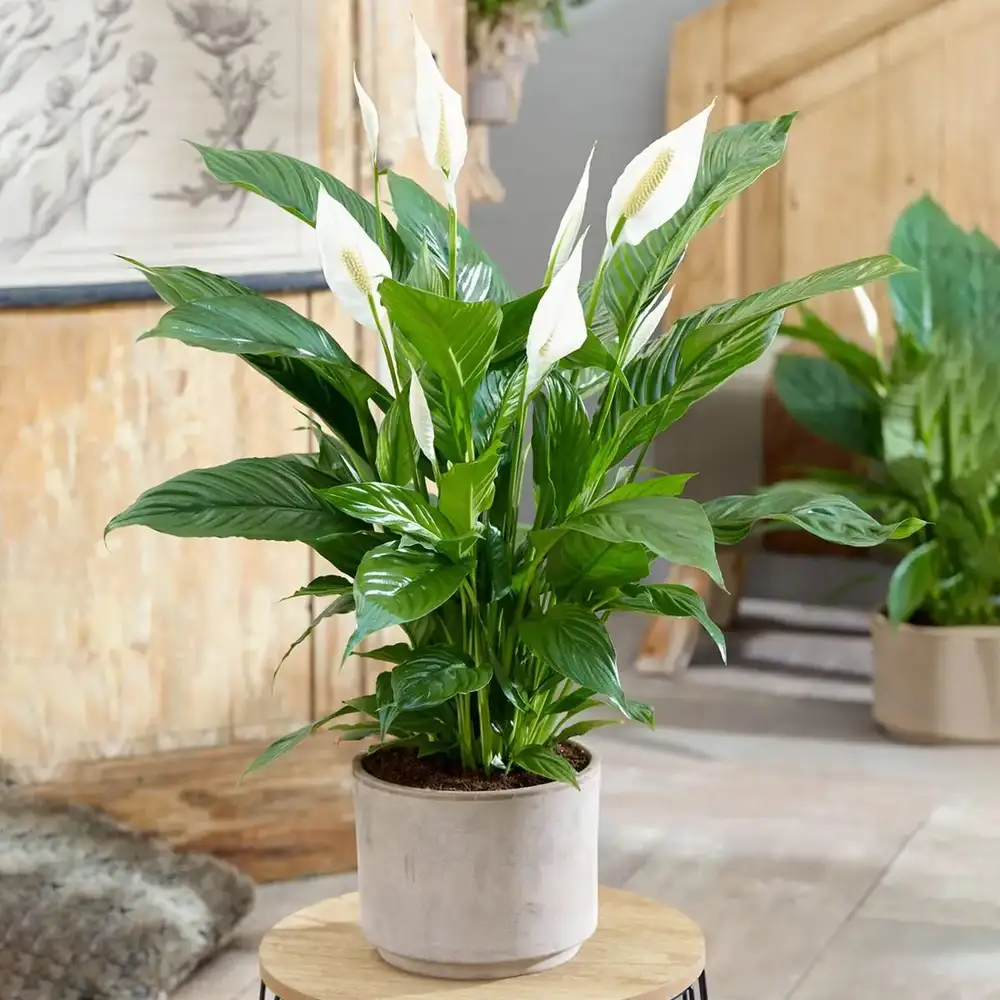
Frequently Asked Questions
Yes. Peace Lily is generally easy to grow indoors when it receives indirect light and consistently moist, well-drained soil. It is not highly drought-tolerant, so allowing it to remain completely dry for long periods can cause severe wilting.
Peace Lily tolerates low light, but medium to bright indirect light usually produces stronger growth and more flowers. Avoid prolonged direct sun because it can scorch the foliage.
Do not water on a fixed schedule. Water when the surface of the potting mix begins to dry slightly, then water thoroughly and empty any excess from the saucer. Water less often during lower-light winter conditions.
Dry soil is a common cause, but drooping can also occur when roots are damaged by constantly wet soil. Check the potting mix before watering so you can distinguish thirst from root stress.
No. Peace Lilies contain insoluble calcium oxalate crystals and are toxic to cats and dogs if chewed. Exposure can cause oral irritation, drooling, vomiting, and difficulty swallowing, so keep the plant away from pets that chew foliage.
Peace Lilies are most commonly propagated by division. During repotting, separate a mature clump into smaller sections, making sure each division has healthy roots and its own growing crown before potting it into fresh mix.
Give the plant medium to bright indirect light, keep the root zone evenly moist but well drained, and feed lightly during spring and summer. Very low light, an immature plant, or chronic root stress can reduce flowering.
Related Plants
Explore Similar Indoor Plants
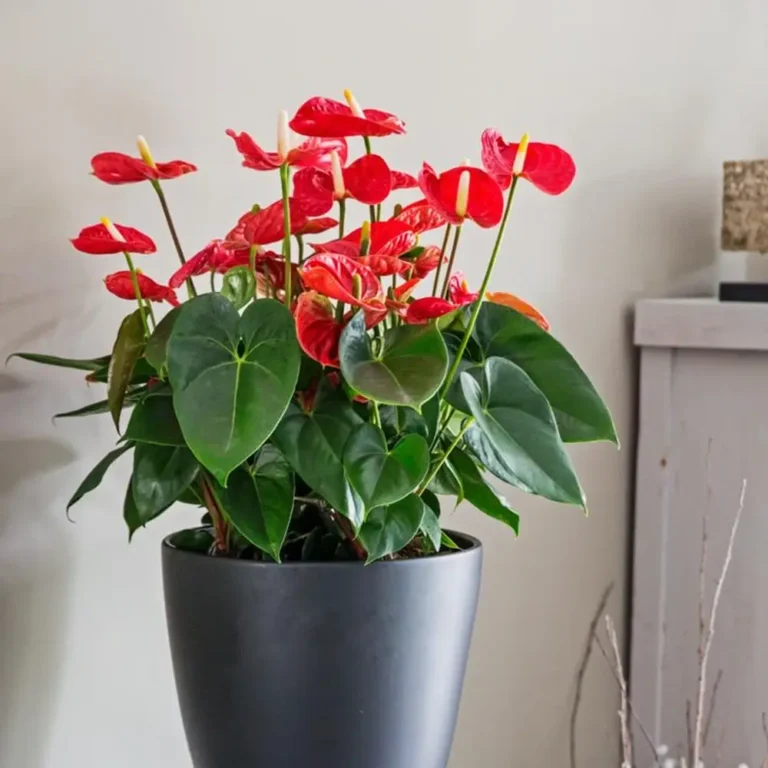
Araceae
Aroid
Aroid