
Anthurium Care Guide: Light, Water & Flowering
- Home
- Indoor Plants
- Anthurium
- Tropical Flowering Houseplant
Evergreen Tropical Perennial
Flowering + Buying Guide
How to Care for Anthuriums Indoors
Anthuriums are tropical houseplants prized for glossy foliage and long-lasting spathes that surround a central flower spike called a spadix. For reliable growth in U.S. homes, place them in bright indirect light, use an airy potting mix with excellent drainage, and water when the upper layer of the mix begins to dry. Most common indoor types perform best around 65–85°F with moderate to high humidity and steady protection from cold drafts. Avoid harsh direct afternoon sun and constantly wet soil. With stable warmth, good light, and light feeding during active growth, many flowering Anthuriums can bloom repeatedly indoors.
POPULAR TROPICAL HOUSEPLANT
🌺 Long-Lasting Spathes
☀️ Bright Indirect Light
🌿 Glossy Tropical Foliage
💧 Moist, Airy Root Zone

Care Guide
About Anthuriums
Anthurium is a large tropical genus in the Araceae family. Kew recognizes the genus Anthurium Schott and gives its native range as Mexico through Tropical America. Species occupy humid tropical habitats and may grow as terrestrial plants, epiphytes, lithophytes, or climbers, which explains the wide variety of leaf shapes, sizes, and growth habits seen in cultivation.
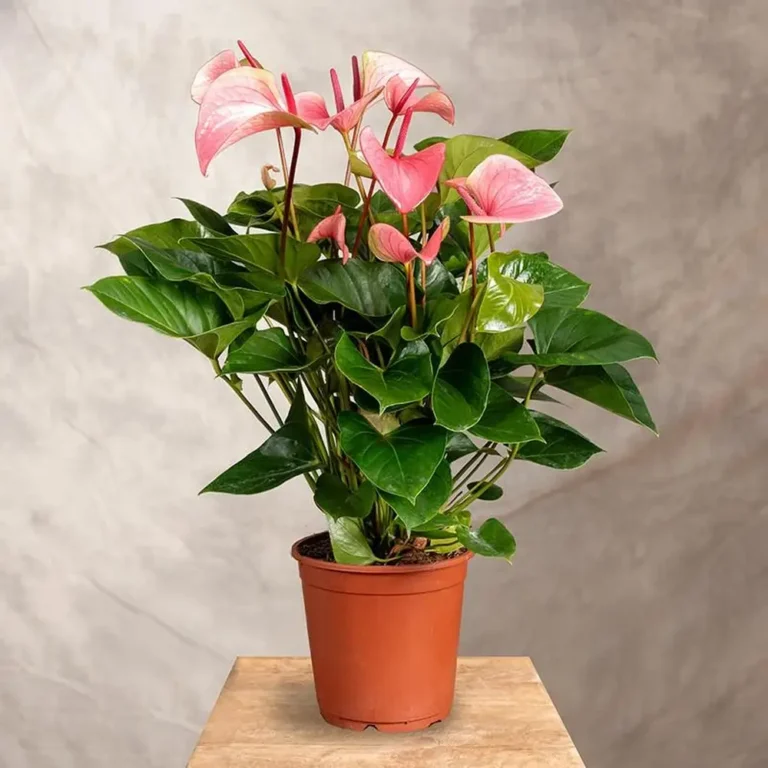
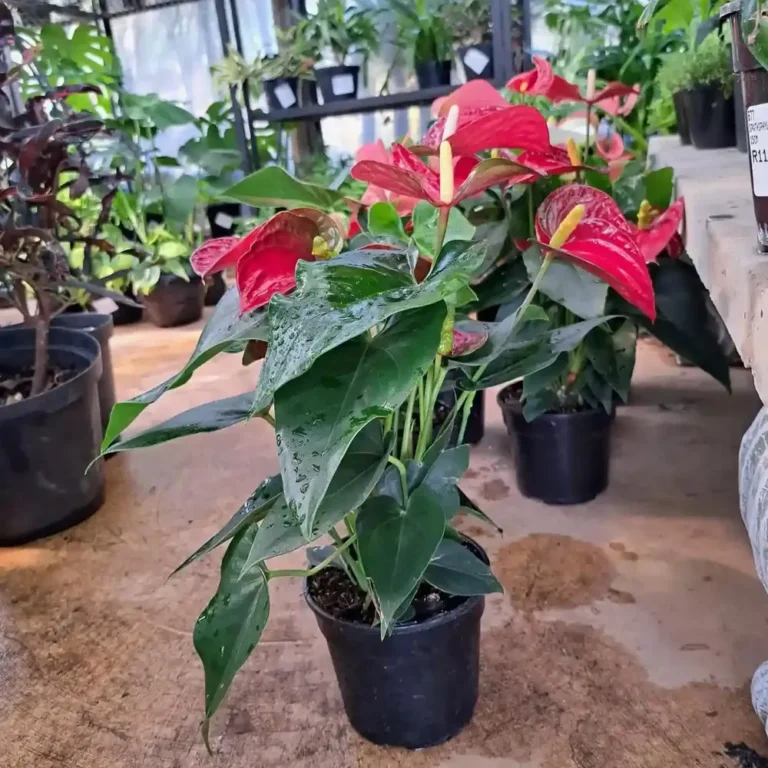
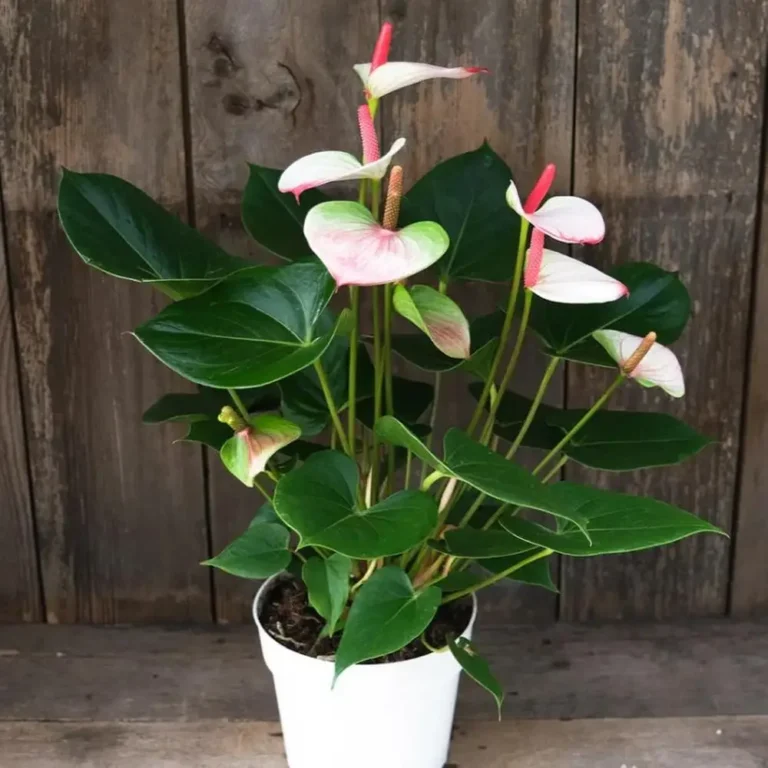
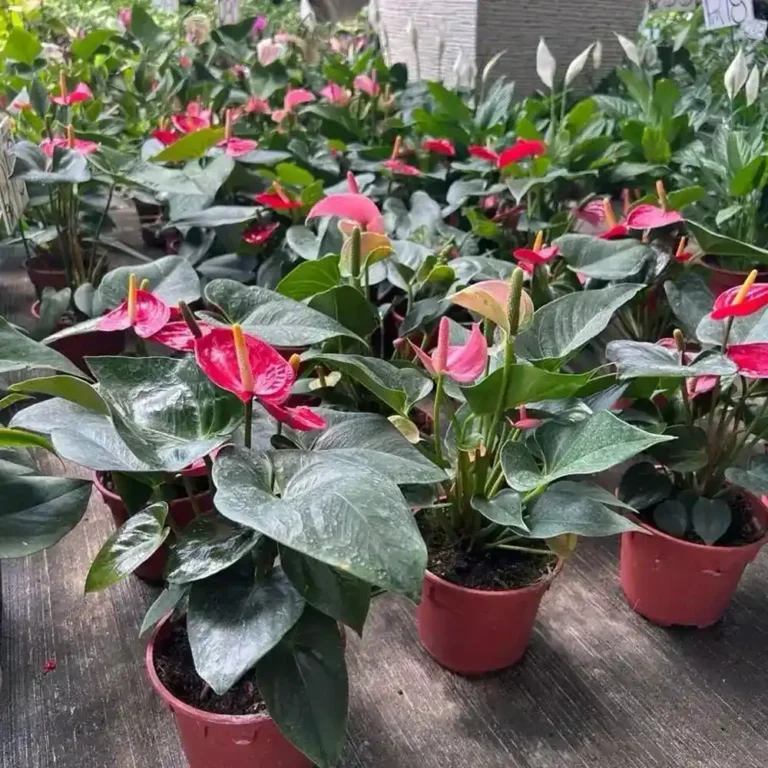
The familiar flowering Anthuriums sold in U.S. nurseries are often cultivars or hybrids related to Anthurium andraeanum and Anthurium scherzerianum. These plants are known for colorful waxy spathes in red, pink, white, orange, green, and related shades. The true flowers are tiny and packed along the spadix rather than being the colorful spathe itself.
Foliage Anthuriums such as A. crystallinum, A. clarinervium, and other collector types are grown primarily for dramatic leaves rather than showy spathes. Because the genus is diverse, exact size and care can vary by species or cultivar, but most indoor Anthuriums share a preference for filtered light, warm temperatures, high air humidity, and a well-aerated root zone. For a distinctive collector Anthurium, see our Veitchii care guide.
Plant Information
Difficulty
Moderate
Light
Bright Indirect / Filtered Light
Water
Water as Upper Mix Begins to Dry
Humidity
50–70%+ Preferred
Temperature
65–85°F; Protect Below 55°F
Growth Rate
Slow to Moderate
Pet Friendly
No
Indoor Size
1–3 ft Typical; Type Dependent
Repotting
Every 2–3 Years or Root-Bound
Native Range
Mexico to Tropical America
History of Anthurium
The genus Anthurium was formally published by Austrian botanist Heinrich Wilhelm Schott in 1829. Modern Kew taxonomy continues to accept Anthurium as a distinct genus in the Araceae family, with a native distribution extending from Mexico across Tropical America.
During the nineteenth and twentieth centuries, Anthurium species attracted increasing horticultural attention because of their unusual inflorescences, durable foliage, and tropical appearance. Flowering species such as Anthurium andraeanum and Anthurium scherzerianum became especially important in the florist and potted-plant trades, while other species were collected for distinctive velvety, textured, or deeply veined leaves.
Breeding and selection expanded the range of flower colors, plant sizes, foliage patterns, and compact growth habits available to home growers. Today, commercial Anthuriums include both flowering hybrids designed for repeated indoor display and foliage-focused species favored by collectors.
The plant trade still uses “Anthurium” as a broad common name, so buyers should check the species or cultivar label whenever possible. A compact flowering hybrid, a climbing species, and a large-leaved foliage Anthurium may all belong to the same genus but differ noticeably in mature size and exact care needs.
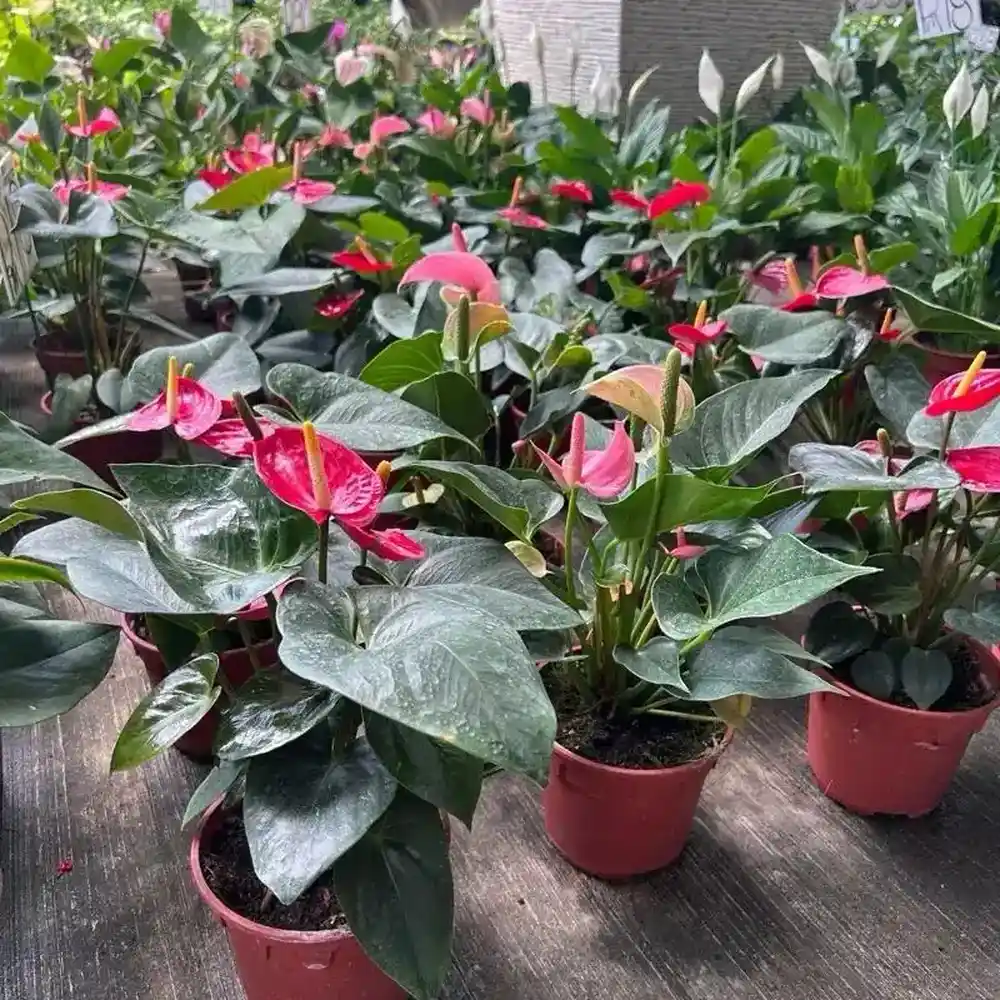
Plant Specifications
Botanical Name
Anthurium spp. & Hybrids
Family
Araceae
Plant Type
Evergreen Tropical Herbaceous Perennial
Growth Habit
Erect, Clumping, Epiphytic or Climbing
Indoor Size
1–3 ft Typical; Species Vary Widely
Light Requirement
Bright Indirect / Filtered Light
Watering
Moist, Never Waterlogged; Let Surface Dry Slightly
Humidity
50–70%+ Preferred; Flowering Types Like More
Temperature
65–85°F; Keep Above About 55°F
Soil
Airy Bark / Peat / Perlite Mix; pH About 6.0–6.5
USDA Hardiness
Zones 11–12 Typical; Species Dependent
Repotting
Every 2–3 Years or When Root-Bound
Pet Safety
Toxic if Ingested; Calcium Oxalates
Native Range
Mexico to Tropical America
Indoor Anthurium Growing Guide
Good Anthurium plant care is mostly about balancing light, moisture, warmth, and airflow. Use these guidelines as a baseline, then fine-tune them for the exact species or cultivar you own.
Light Requirements & Placement
Give Anthuriums bright indirect or filtered light. An east-facing window is often ideal in U.S. homes, while south- or west-facing windows usually need a sheer curtain or some distance from the glass. Direct midday and afternoon sun can bleach or scorch leaves.
Low light may keep the plant alive, but flowering types commonly produce fewer blooms and slower growth. Rotate the pot periodically so growth stays balanced.
Anthurium Watering
Water when the top layer of potting mix begins to feel dry, then water thoroughly and let excess moisture drain away. The root zone should be lightly moist and airy rather than continuously saturated.
In bright summer conditions you may water more often; in winter, when growth slows and indoor light drops, the mix usually dries more slowly. Never leave the inner nursery pot standing in water inside a decorative cachepot.
Best Soil & Repotting
Use a loose, oxygen-rich mix rather than dense garden soil. A practical Anthurium soil blend combines fine orchid bark or pine bark, peat or coco-based potting mix, and perlite or another coarse aeration material. UF/IFAS commercial guidance uses well-drained bark/peat/perlite-type media around pH 6.0–6.5.
Repot common flowering Anthuriums about every 2–3 years or sooner if roots are tightly packed, drainage has slowed, or the mix has broken down. Choose a pot only modestly larger than the current root ball.
Temperature & Humidity
Most common indoor Anthuriums perform well around 65–85°F. UF/IFAS advises keeping Anthuriums above about 55°F, because chilling can damage the plant and delay growth. Keep plants away from exterior-door drafts, cold winter glass, and direct blasts from air-conditioning vents.
Aim for at least moderate humidity; 50–70%+ is a useful home target, and many flowering types appreciate 60–80%. U.S. winter heating can push indoor humidity much lower, so a room humidifier is more effective than occasional misting when the air is persistently dry.
Fertilizer & Blooming Tips
Feed lightly during active spring and summer growth with a balanced houseplant fertilizer diluted according to the label. Excess fertilizer can lead to soluble-salt buildup and brown leaf margins or tips, so avoid heavy feeding and occasionally flush the potting mix with plain water.
For better flowering, prioritize bright filtered light, stable warmth, healthy roots, and moderate feeding. Remove spent inflorescences so the plant can redirect energy toward new foliage and future blooms.
Pruning, Cleaning & Propagation
Trim yellow, badly damaged, or diseased leaves at the base with clean tools and remove spent flower stems. Wipe broad leaves gently with a damp cloth when dusty so they can photosynthesize efficiently and pests are easier to spot.
Common Anthuriums can be propagated by division or stem cuttings, depending on growth habit. Divide clumping plants during repotting, keeping viable roots attached to each section. Climbing species can often be propagated from stem sections with nodes.
Common Anthurium Problems & Fixes
Anthurium problems can look similar even when the causes differ. Check light, soil moisture, drainage, humidity, fertilizer use, temperature, and pest activity before changing several parts of the care routine at once.
Yellow Leaves
Widespread yellowing often points to excessive moisture, poor drainage, aging foliage, or root stress. Let the upper mix dry slightly between waterings and make sure the pot drains freely. If the soil stays wet for many days, inspect the roots and reconsider the potting mix.
Root Rot & Soft Stems
Persistently saturated soil can lead to root rot. Warning signs include wilting despite wet soil, soft dark roots, a sour smell, or a collapsing stem base. Remove badly decayed tissue and repot salvageable plants into fresh, airy mix with reliable drainage.
Brown Tips or Leaf Margins
Dry air, inconsistent watering, damaged roots, or fertilizer-salt buildup can all cause brown tips. During heated U.S. winters, check room humidity and keep plants away from furnace vents. If fertilizer has been frequent, flush the potting mix thoroughly with plain water.
Leaf Scorch
Bleached, tan, or crispy patches often appear after exposure to intense direct sun, especially through a hot south- or west-facing window. Move the plant to filtered light and acclimate it gradually if increasing sun exposure.
Few or No Flowers
Flowering Anthuriums commonly bloom less in low light. Increase bright indirect light, maintain steady warmth, avoid overpotting, and feed lightly during active growth. Recently divided or stressed plants may also pause flowering while they rebuild roots and foliage.
Mealybugs, Scale & Mites
Inspect leaf undersides, petioles, nodes, and new growth for cottony mealybugs, scale insects, stippling, webbing, aphids, or thrips. Isolate infested plants promptly, clean the foliage, and use an appropriate houseplant pest treatment according to its label.
How to Choose a Healthy Anthurium
Choose an Anthurium with firm leaves, sturdy petioles, and a clean central growth point. For flowering types, look for a mix of fresh open spathes and developing buds rather than a plant whose display is already fading. Avoid widespread yellowing, black water-soaked areas, mushy stem bases, severely curled foliage, or potting mix that smells sour or remains saturated.
Inspect both leaf surfaces, the bases of petioles, and any aerial roots for mealybugs, scale, thrips, mites, sticky residue, or webbing. Check that the pot has drainage and that the growing medium feels airy rather than dense and muddy. A healthy plant should be stable in its container, with roots that are firm rather than dark and soft.
Read the plant label before buying because “Anthurium” covers very different plants. A compact flowering hybrid may fit a windowsill, while a collector foliage species can need substantially more space, humidity, and vertical support. Match the plant to your available light, typical indoor humidity, pet situation, room temperature, and the amount of care you want to provide.
Buying Checklist
Firm Healthy Foliage
Choose leaves with strong color and firm texture, without widespread yellowing, collapsing tissue, or major scorch.
Fresh Spathes & Buds
For flowering types, select a plant with fresh spathes plus developing buds so the display lasts longer after purchase.
Airy, Well-Drained Mix
The potting mix should be open and free-draining rather than dense, sour-smelling, or permanently saturated.
No Visible Pests
Inspect petioles, nodes, leaf undersides, and new growth for mealybugs, scale, thrips, mites, or sticky residue.
Correct Species or Cultivar
Confirm the label so mature size, growth habit, flowering traits, and humidity needs match the Anthurium you actually want.
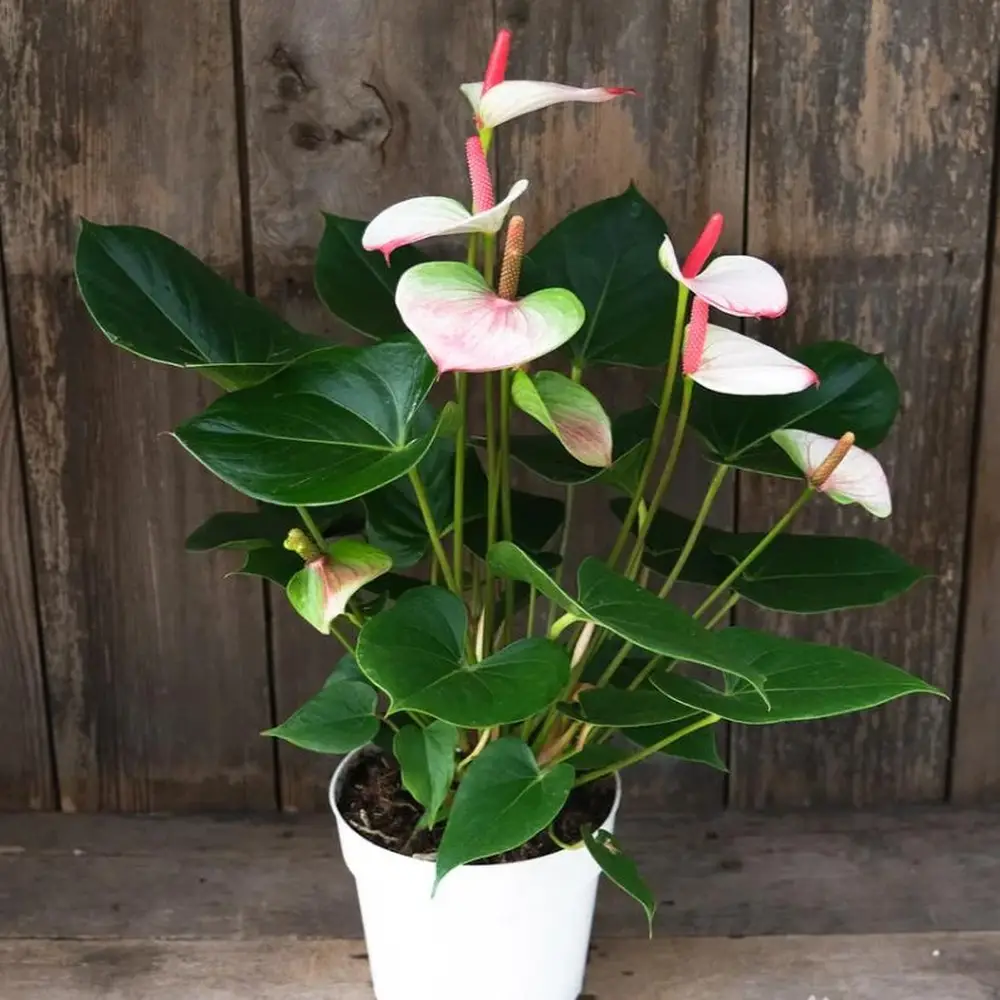
Anthurium Plant Care FAQs
Water when the upper layer of potting mix begins to dry, then water thoroughly and let the excess drain away. Do not follow a rigid calendar because light, season, pot size, and indoor temperature all change how quickly the mix dries.
Bright indirect or filtered light is best for most common indoor Anthuriums. East-facing windows work well, while strong south- or west-facing exposure usually needs filtering. Too little light can reduce growth and flowering.
Provide brighter filtered light, stable 65–85°F temperatures, healthy well-aerated roots, and light fertilizer during active growth. Remove spent flower stems and avoid keeping the potting mix constantly wet.
Many common types appreciate at least 50–70% relative humidity, and flowering Anthuriums often perform especially well around 60–80%. In dry winter homes, use a room humidifier and keep the plant away from heating vents.
No. Anthuriums contain insoluble calcium oxalates and are considered toxic to cats and dogs if chewed or swallowed. Exposure can cause oral irritation, drooling, vomiting, and difficulty swallowing.
Brown tips can come from low humidity, inconsistent moisture, root stress, or fertilizer-salt buildup. Check the root zone first, then review humidity and feeding. Avoid assuming every brown tip means the plant needs more water.
Common tropical Anthuriums are generally outdoor perennials only in very warm climates, with many types listed around USDA Zones 11–12. Elsewhere they can spend warm months outside in bright shade, but should be protected before temperatures approach the mid-50s°F.
Related Plants
Explore Similar Indoor Plants
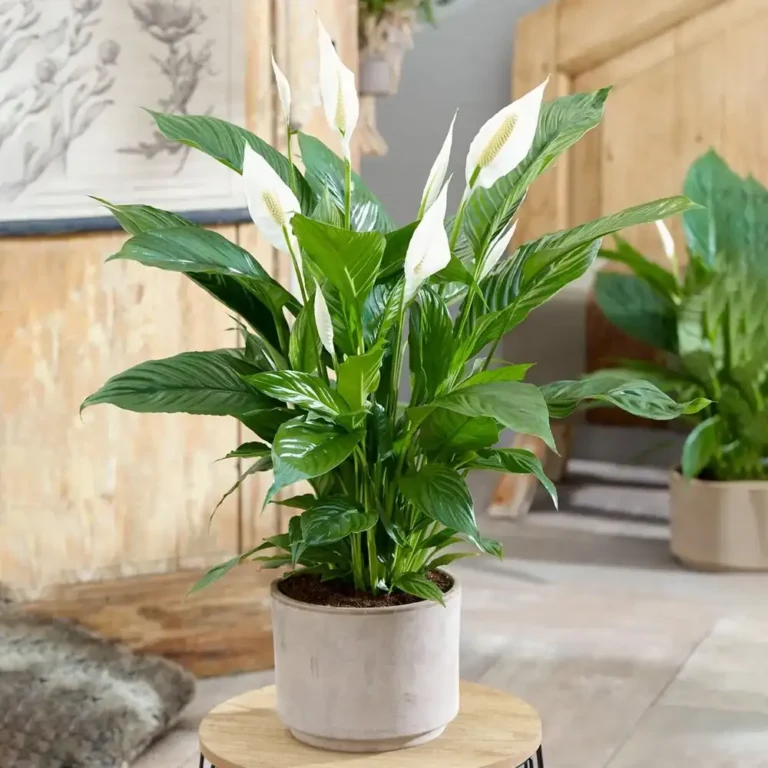
Spathiphyllum
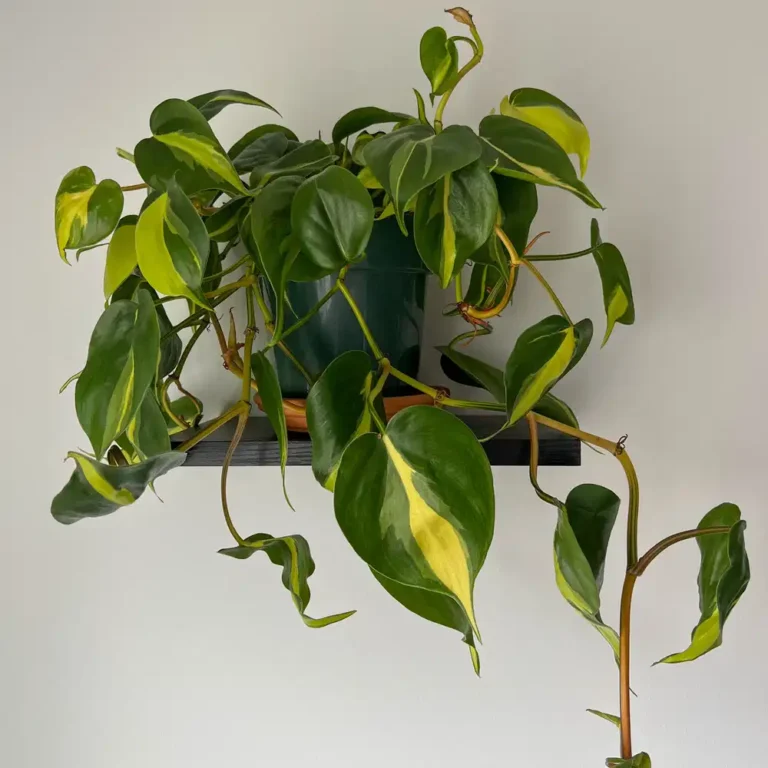
Philodendron
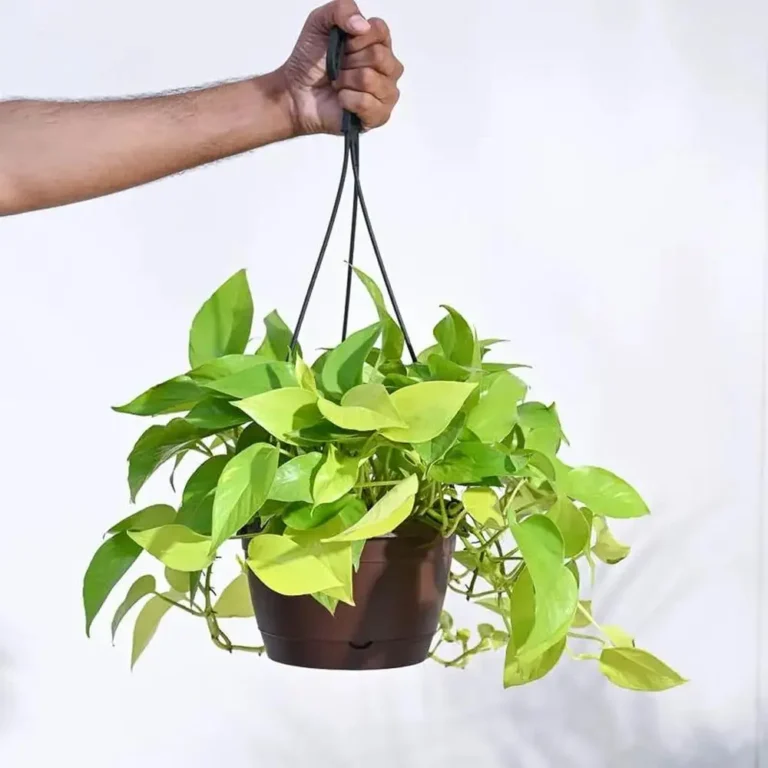
Epipremnum
