Calathea Care Guide with Detail & Buying Tips
- Home
- Indoor Plants
- Calathea
- Tropical Foliage Houseplant
Evergreen Rhizomatous Perennial
Care + Buying Guide
Calathea Care
Calathea care centers on stable warmth, filtered light, consistent soil moisture, and higher humidity. Plants sold as Calatheas include true Calathea species and many popular ornamentals now classified in Goeppertia. Indoors, keep them in bright indirect light, water before the root ball becomes completely dry, and use a well-drained, moisture-retentive potting mix. Most Calatheas dislike soggy soil, harsh direct sun, cold drafts, and very dry air. In U.S. homes, winter heating and air-conditioning can lower humidity quickly, so a humidifier and careful moisture monitoring often make Calathea care more successful.
FAMOUS PLANT
🌿 Decorative Patterned Foliage
☀️ Bright Indirect Light
💧 Consistent Moisture
🐾 Pet Friendly

Care Guide
About Calathea
Calathea is a familiar horticultural name for a group of tropical foliage plants in the Marantaceae, or prayer plant family. Many of the houseplants still sold in U.S. garden centers as “Calathea” are now botanically classified in the genus Goeppertia, while the genus Calathea itself remains valid. This is why the same plant may appear under an older Calathea name on nursery labels and a newer Goeppertia name in botanical references.
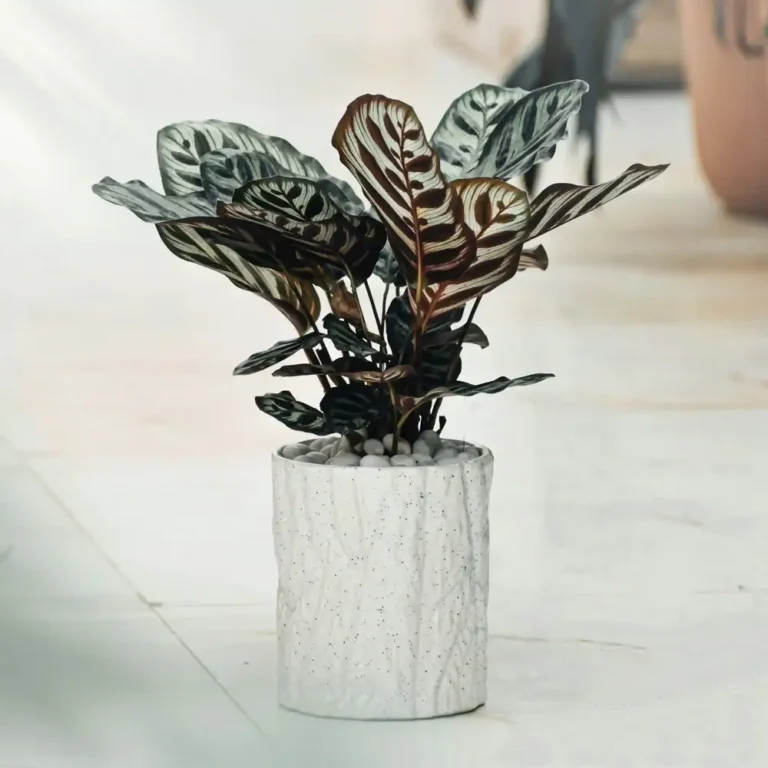
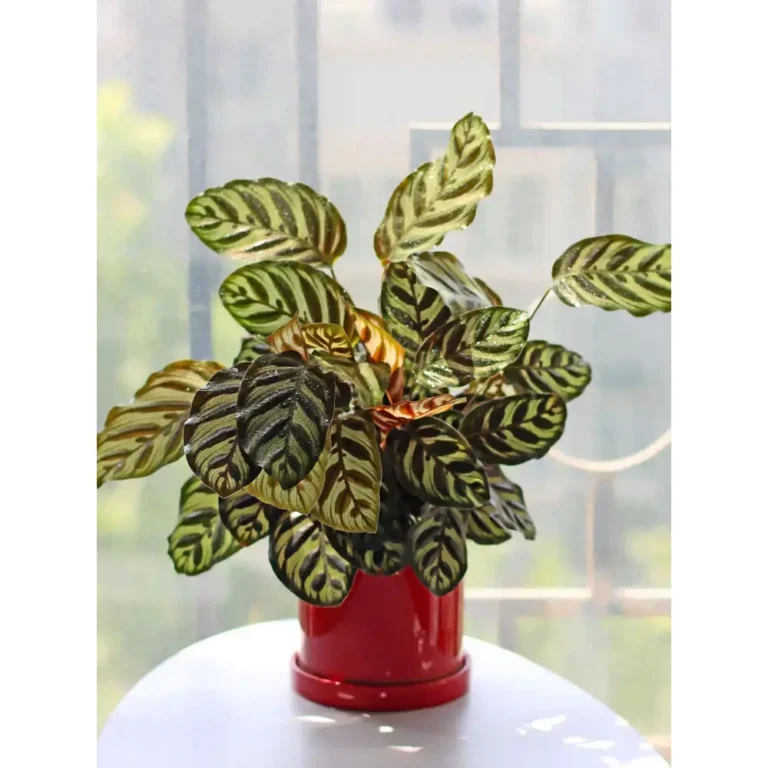
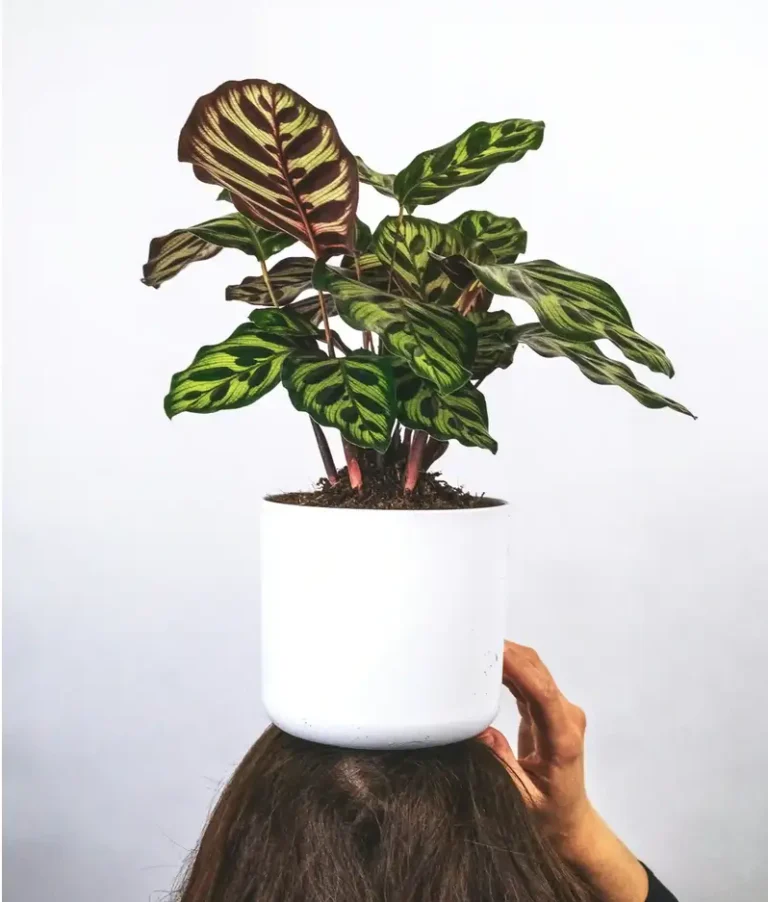
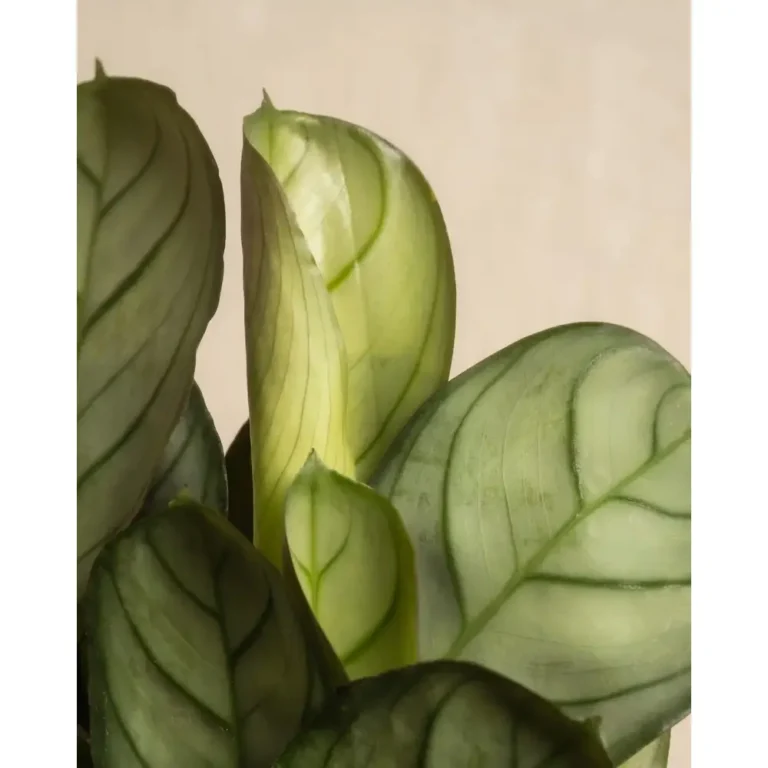
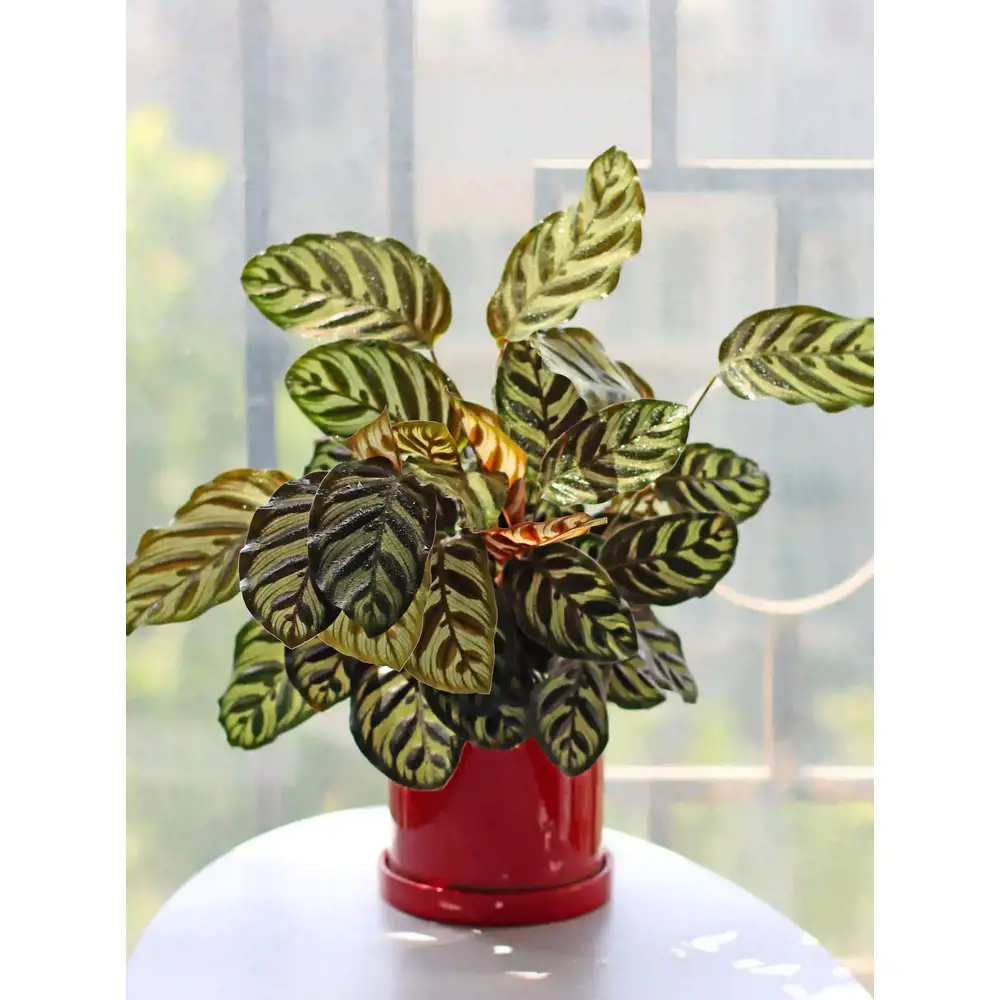
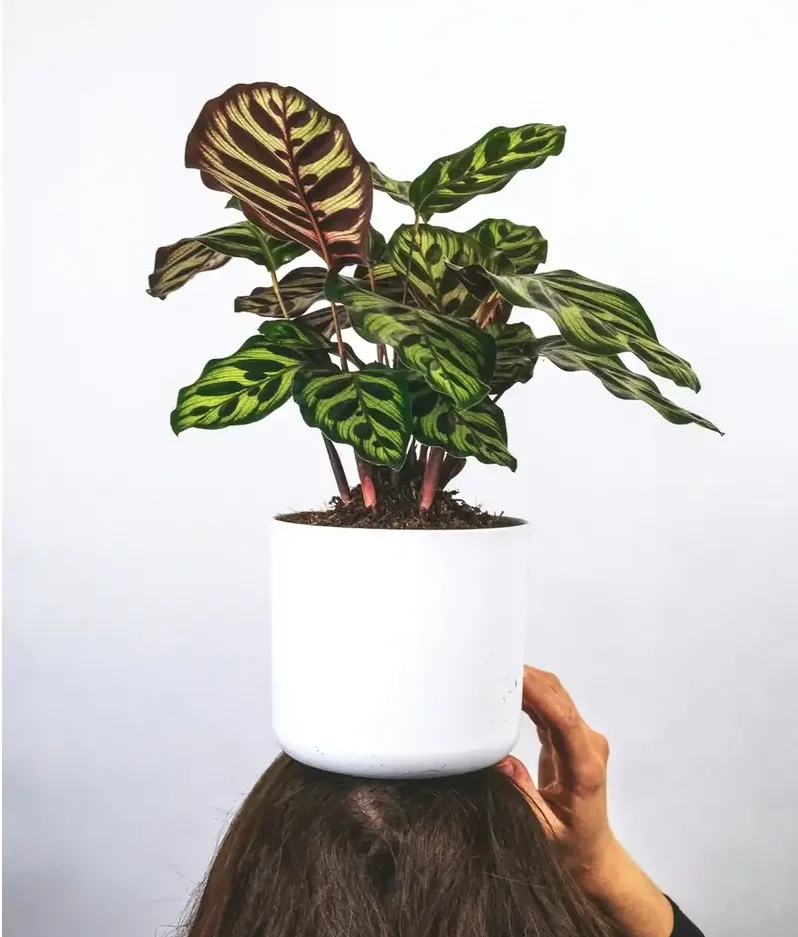
These plants are usually evergreen, rhizomatous perennials that form dense clumps of leaves from the base. Their foliage is the main attraction, with patterns that may include silver bands, dark green markings, cream stripes, pink accents, burgundy undersides, or dramatic contrasting veins. Popular houseplant forms include orbifolia, rattlesnake, medallion, rose-painted, and peacock-type Calatheas.
Calatheas naturally come from warm, humid parts of the tropical Americas and are adapted to filtered forest light rather than intense sun. Indoors, they reward stable care with colorful foliage but can react quickly to dry air, poor-quality water, cold drafts, or irregular watering. They are especially well suited to bright bathrooms, humidified rooms, and protected indoor spaces with steady temperatures.
Plant Information
Difficulty
Moderate to High
Light
Bright Indirect / Filtered Light
Water
Keep Evenly Moist, Never Soggy
Humidity
50–60%+ Preferred
Temperature
65–80°F (18–27°C)
Growth Rate
Moderate
Pet Friendly
Yes
Indoor Height
1–3 ft, Species Dependent
Repotting
Every 1–2 Years / When Crowded
Native Range
Mexico to Tropical America
History of Calathea
The botanical name Calathea was published by German botanist Georg Friedrich Wilhelm Meyer in 1818. The genus became associated with a large group of tropical American plants valued for their patterned leaves, unusual inflorescences, and rhizomatous growth.
A second genus, Goeppertia, was published by Christian Gottfried Daniel Nees von Esenbeck in 1831. Modern taxonomic work later resulted in many ornamental plants long known as Calatheas being accepted under Goeppertia. For example, plants historically sold as Calathea orbifolia and Calathea lancifolia are now commonly treated botanically as Goeppertia orbifolia and Goeppertia insignis.
Both Calathea and Goeppertia are accepted genera in the Marantaceae. Their native ranges are centered in tropical America, extending from Mexico through Central America, the Caribbean, and large parts of South America. Many species developed in warm forest habitats with filtered light, moist organic soils, and consistently humid air.
Despite the taxonomic changes, “Calathea” remains the dominant horticultural and retail name in the United States. Garden centers, plant shops, care guides, and collectors continue to use it as a practical umbrella term for many decorative Marantaceae houseplants, so checking the scientific label is useful when buying or researching a specific cultivar.
Plant Specifications
Botanical Name
Calathea spp. / Goeppertia spp.
Family
Marantaceae
Plant Type
Evergreen Tropical Herbaceous Perennial
Growth Habit
Clumping, Rhizomatous
Indoor Height
1–3 ft, Species Dependent
Light Requirement
Bright Indirect / Filtered Light
Watering
Evenly Moist; Never Waterlogged
Humidity
50–60%+ Preferred
Temperature
65–80°F; Stable Warmth
Soil
Moist, Airy, Well-Drained Mix
USDA Hardiness Zones
USDA Zones 11–12, Species Dependent
Repotting
Every 1–2 Years or When Crowded
Pet Safety
Non-Toxic to Cats & Dogs
Native Range
Mexico to Tropical America
Calathea Care Guide
Use these practical Calathea care guidelines to maintain strong foliage color, healthy roots, steady growth, and fewer problems with brown edges, curling leaves, or indoor humidity stress.
Light & Placement
Calatheas perform best in bright indirect or filtered light. In U.S. homes, an east-facing window or a bright north-facing window often works well; near south- or west-facing windows, place the plant back from intense midday and afternoon sun.
Best placement: a bright room with stable light and no hot direct sun. If you use a grow light, keep the plant far enough away to prevent heat or bleaching. Strong direct sunlight can scorch leaves and fade decorative patterns.
Watering & Drainage
Keep the potting mix consistently moist but never saturated. Water when the surface begins to dry slightly, then water thoroughly and allow excess moisture to drain from the container.
Do not let the entire root ball stay dry for long periods. Many Calatheas are also sensitive to mineral-heavy or fluoridated water; if brown tips repeatedly develop, filtered, distilled, or rainwater may help. Reduce watering somewhat during slower winter growth.
Soil & Repotting
Use a loose, organic, moisture-retentive but well-drained potting mix. A quality indoor mix amended with coir or peat plus perlite and fine bark can hold moisture without keeping the rhizomes waterlogged.
Repot in spring when the roots and rhizomes become crowded, usually every one to two years. Move up only one container size and always use a pot with drainage holes. Oversized pots can remain wet for too long.
Temperature & Humidity
Calatheas prefer stable warmth. A practical indoor range is about 65–80°F, with many plants performing best around normal warm-room temperatures. Keep them away from cold windows, exterior doors, and heating or air-conditioning vents.
Humidity is especially important in U.S. homes during winter heating. Aim for at least 50% relative humidity, and around 60% when possible for sensitive types. A room humidifier is more reliable than occasional misting.
Fertilizer
Feed lightly during active spring and summer growth with a balanced liquid houseplant fertilizer diluted according to the product label. Monthly feeding is usually enough for actively growing plants.
Reduce or stop fertilizer during winter if growth slows. Avoid heavy feeding because fertilizer salts can accumulate in the potting mix and contribute to burned leaf edges or root stress.
Pruning & Leaf Cleaning
Remove fully yellow, badly damaged, or severely browned leaves close to the base with clean scissors or pruners. Calatheas do not need regular structural pruning because new leaves emerge from the rhizomatous crown.
Wipe broad leaves gently with a soft damp cloth to remove dust. Avoid oily leaf-shine products. When repotting a mature clump, division of healthy rhizomes is the most dependable way to propagate most Calatheas.
Common Calathea Problems
Calathea problems often reflect moisture, humidity, water quality, light, or temperature stress. Check the soil, roots, leaf undersides, indoor humidity, and nearby HVAC drafts before making major changes to the plant’s care routine.
Brown or Crispy Edges
Brown leaf tips and edges are commonly associated with low humidity, inconsistent moisture, or mineral and fluoride buildup from tap water. Increase humidity, keep moisture more consistent, and consider filtered or distilled water if the problem continues.
Curling or Drooping Leaves
Leaves may curl or droop when the root zone becomes too dry, humidity is low, or the plant is exposed to cold drafts. Check soil moisture before watering, then correct environmental stress instead of automatically keeping the pot constantly wet.
Yellow Leaves & Root Rot
Widespread yellowing, soft growth, or a sour-smelling wet potting mix can indicate excessive watering and root damage. Improve drainage, let the mix breathe, and inspect roots if the plant remains weak despite wet soil.
Sun Scorch or Faded Pattern
Bleached, tan, or crispy patches can develop in strong direct sun, while weak light can reduce color contrast and slow growth. Move the plant to bright filtered light and avoid abrupt exposure to hot afternoon sun.
Spider Mites
Spider mites can cause fine stippling, dull foliage, and delicate webbing, especially in warm, dry indoor air. Inspect leaf undersides regularly, isolate affected plants, and improve humidity while treating the infestation promptly.
Mealybugs, Scale & Aphids
Check leaf bases, petioles, new growth, and undersides for white cottony mealybugs, attached scale insects, or clusters of aphids. Isolate an infested plant and inspect nearby houseplants before pests spread through the collection.
How to Choose a Healthy Calathea
Choose a healthy Calathea with well-colored patterned foliage, firm petioles, and active new growth. A small amount of cosmetic browning can occur on sensitive plants, but avoid specimens with widespread crispy margins, large yellow areas, extensive curling, bleached patches, or multiple collapsing leaves. Inspect both sides of the foliage carefully because spider mites can hide on leaf undersides and may be difficult to notice at first.
Check the central crown, rhizomes, and potting mix. The plant should sit firmly in the container, and the soil should feel lightly moist rather than swampy, sour-smelling, or bone-dry. Avoid plants with soft blackened roots, mushy crown tissue, severe fungus-gnat activity, or signs that the pot has remained waterlogged. Look for a container with working drainage and an airy, moisture-retentive mix.
Read the plant label before buying because “Calathea” is used broadly in the U.S. houseplant trade. Many popular forms are now botanically classified as Goeppertia, and different species vary in mature size, leaf shape, color pattern, and humidity tolerance. Consider your indoor humidity, winter heating, air-conditioning, window exposure, watering routine, and available space before choosing a cultivar. A plant suited to your home conditions will be much easier to maintain than one selected only for leaf pattern.
Buying Checklist
Healthy Patterned Leaves
Choose leaves with strong natural color and pattern, firm texture, and only minimal browning, curling, or physical damage.
Healthy Crown & Roots
Avoid mushy crown tissue, blackened roots, foul-smelling wet soil, or a plant that feels loose and unstable in its pot.
Moist, Airy Potting Mix
Look for a moisture-retentive but well-drained mix in a container with working drainage holes; the soil should not be permanently saturated.
No Visible Pests
Inspect leaf undersides, petioles, and new growth for spider mites, mealybugs, scale, aphids, webbing, sticky residue, or stippled foliage.
Correct Species or Cultivar
Confirm the cultivar and scientific name when possible because many plants sold as Calathea are now classified as Goeppertia and can differ in size and care sensitivity.
Frequently Asked Questions
Calatheas are usually better described as moderate-care houseplants than true beginner plants. They need more consistent moisture, humidity, and temperature than Pothos or ZZ Plant, but they are manageable once their environment is stable.
Bright indirect or filtered light is best. Avoid intense midday and afternoon sun, which can scorch leaves and fade decorative patterns. Lower light may slow growth and reduce color contrast.
Do not water on a rigid calendar. Check the potting mix and water when the surface begins to dry slightly, keeping the root zone evenly moist but never waterlogged. Watering frequency changes with season, light, temperature, and pot size.
Aim for at least about 50% relative humidity, with around 60% preferred for many sensitive types. In heated U.S. homes, a humidifier is often the most reliable way to prevent extremely dry winter air.
ASPCA lists Calathea species as non-toxic to cats and dogs. Even so, preventing pets from repeatedly chewing houseplants is sensible because plant material can still cause minor digestive upset.
Common causes include low humidity, inconsistent watering, fertilizer-salt buildup, and sensitivity to minerals or fluoride in tap water. Check the full growing environment before simply increasing watering.
Division is the most dependable method. During spring repotting, separate a healthy clump so each division has roots, rhizome tissue, and foliage, then pot the divisions into fresh, well-drained moisture-retentive mix.
Related Plants
Explore Similar Indoor Plants
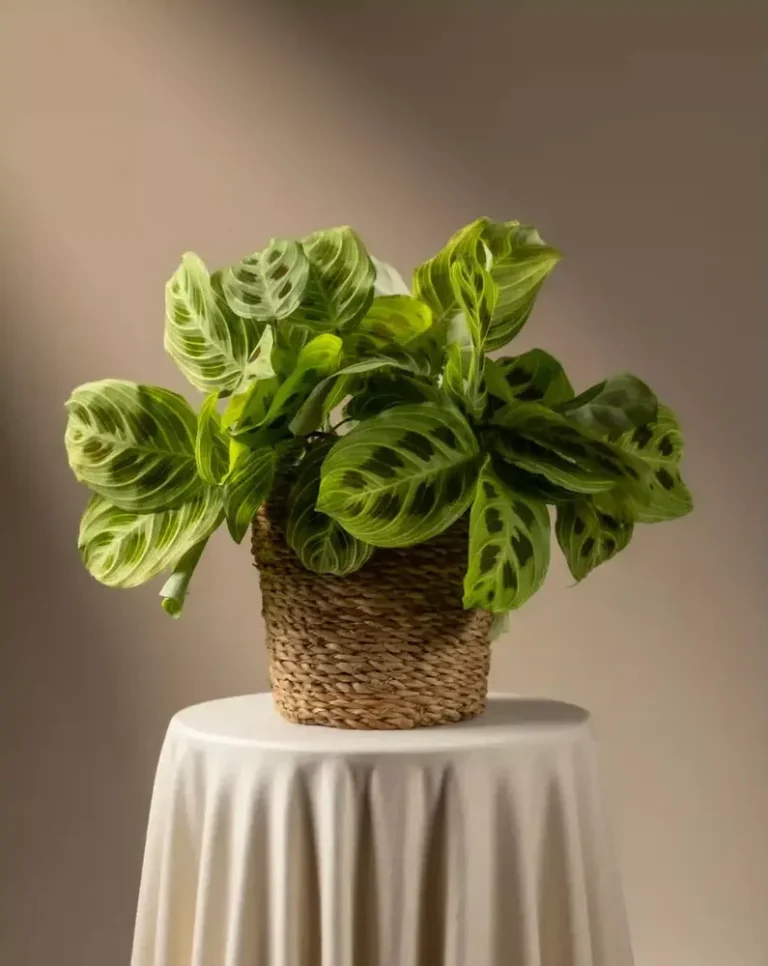
Maranta
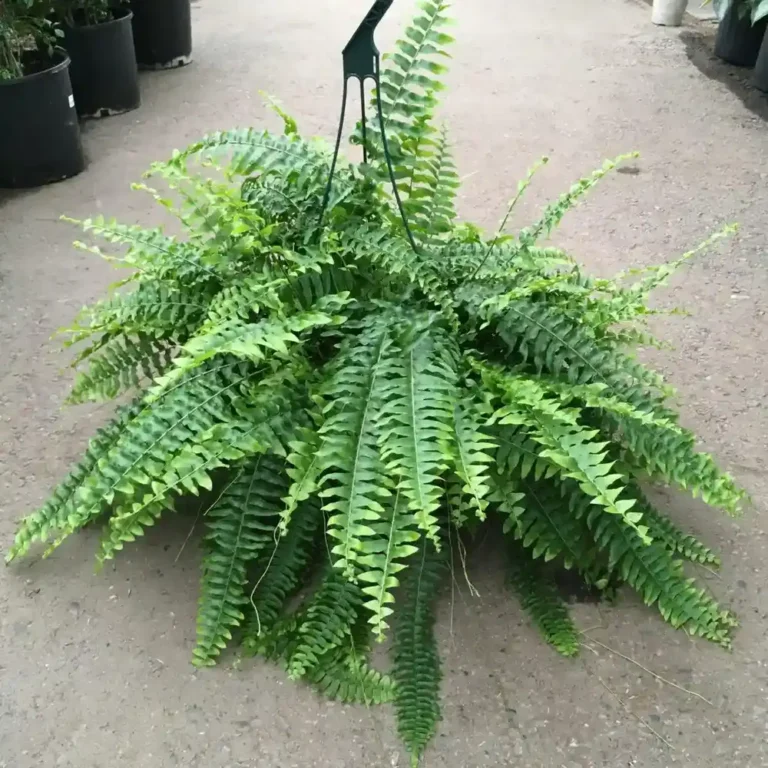
Boston Fern
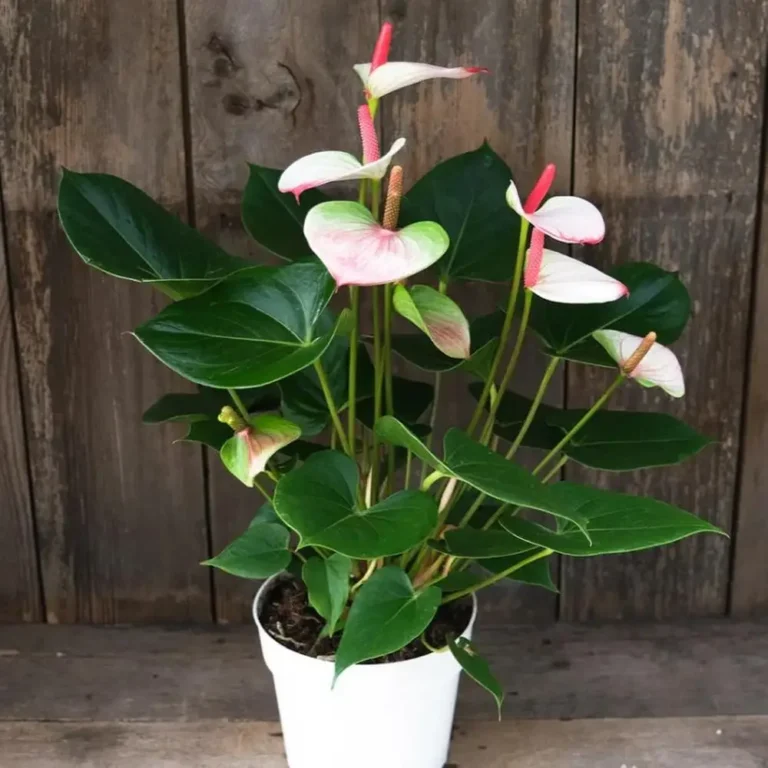
Anthurium