
Flowering Plants Guide: Choosing, Growing & Caring
- Home
- Collection
- Flowering Plants
- Flowering Plant Guide
Blooms for Homes & Gardens
Care + Buying Guide
How to Choose, Grow and Care for Flowering Plants Successfully
Flowering plants bring color, texture, fragrance, and seasonal interest to indoor spaces, patios, and gardens. From compact African violets and colorful Kalanchoe to elegant Anthuriums and fragrant Gardenias, every flowering plant has its own light, watering, temperature, and soil requirements.
Successful flowering plant care starts with choosing a plant suited to your growing conditions. Consider available light, mature size, watering needs, humidity, bloom season, and pet safety before buying. With proper care, many popular indoor flowering plants can produce healthy foliage and repeat blooms for years.
POPULAR FLOWERING PLANTS
🌸 Colorful Seasonal Blooms
☀️ Medium to Bright Light
🪴 Indoor & Outdoor Types
🏡 Homes, Patios & Gardens

Care Guide
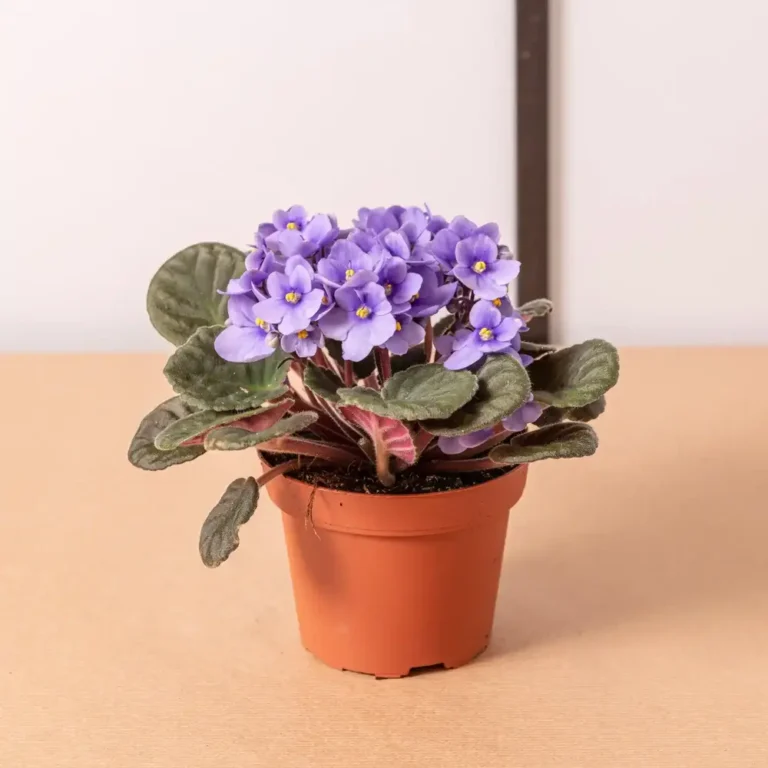
About Flowering Plants
Flowering plants are plants that produce flowers as part of their reproductive cycle. Botanically known as angiosperms, they represent one of the largest and most diverse groups of plants in the world. They range from tiny houseplants and annual flowers to vines, shrubs, trees, and landscape plants.
For home growers, flowering plants are especially popular because they combine attractive foliage with colorful or fragrant blooms. Some flowering houseplants bloom throughout much of the year under suitable conditions, while others flower seasonally in response to changes in light, temperature, or maturity.
The best results come from understanding the specific plant rather than treating every flowering species the same. Light requirements, watering frequency, humidity, fertilizing, pruning, and bloom cycles can vary considerably between species.
Flowering Plant Quick Facts
Difficulty
Beginner to Advanced
Light
Medium to Bright Light; Species Dependent
Water
Species Dependent; Check Soil Moisture
Humidity
Average to High; Species Dependent
Temperature
Commonly 60–85°F
Growth Rate
Slow to Fast
Pet Friendly
Species Dependent
Indoor Size
Compact to Large; Species Dependent
Repotting
When Root-Bound or Mix Breaks Down
Best For
Homes, Patios & Gardens
Best Flowering Plants by Home Conditions
Bright indirect light: African violets, Anthuriums, Peace Lilies, orchids, and some Begonias can perform well when their individual watering and humidity requirements are met.
Sunny windows: Kalanchoe and other sun-tolerant flowering plants can be excellent choices. Introduce plants gradually to stronger sunlight to reduce the risk of leaf scorch.
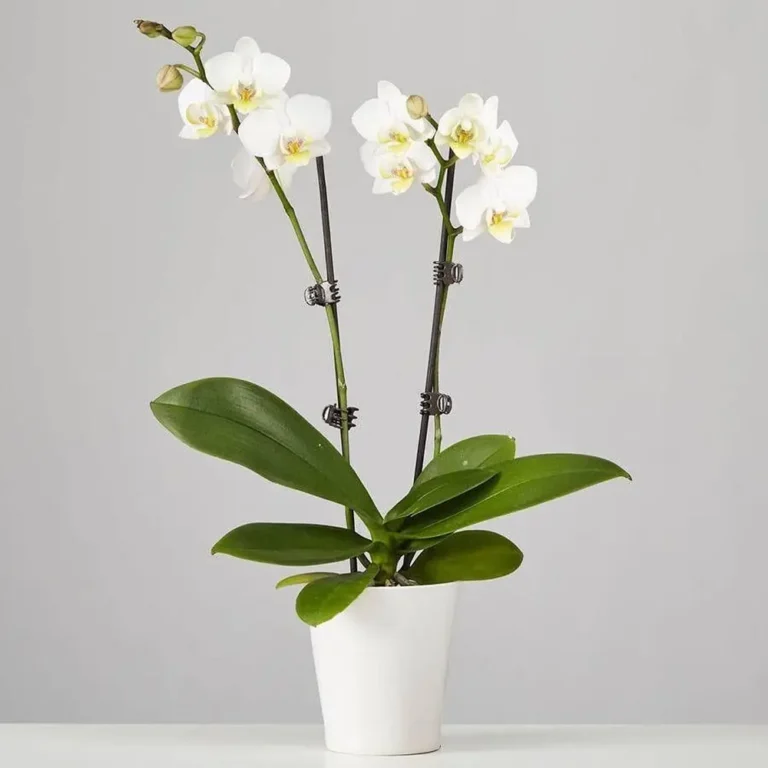
Small spaces: Compact flowering plants such as African violets, miniature orchids, and smaller Kalanchoe varieties can provide color without taking up much room.
Longer bloom displays: Choose healthy plants with a mixture of open blooms and unopened buds. Correct light and stable environmental conditions can help extend flowering.
Beginner growers: Select species that tolerate normal household conditions and do not require extremely precise humidity or watering.
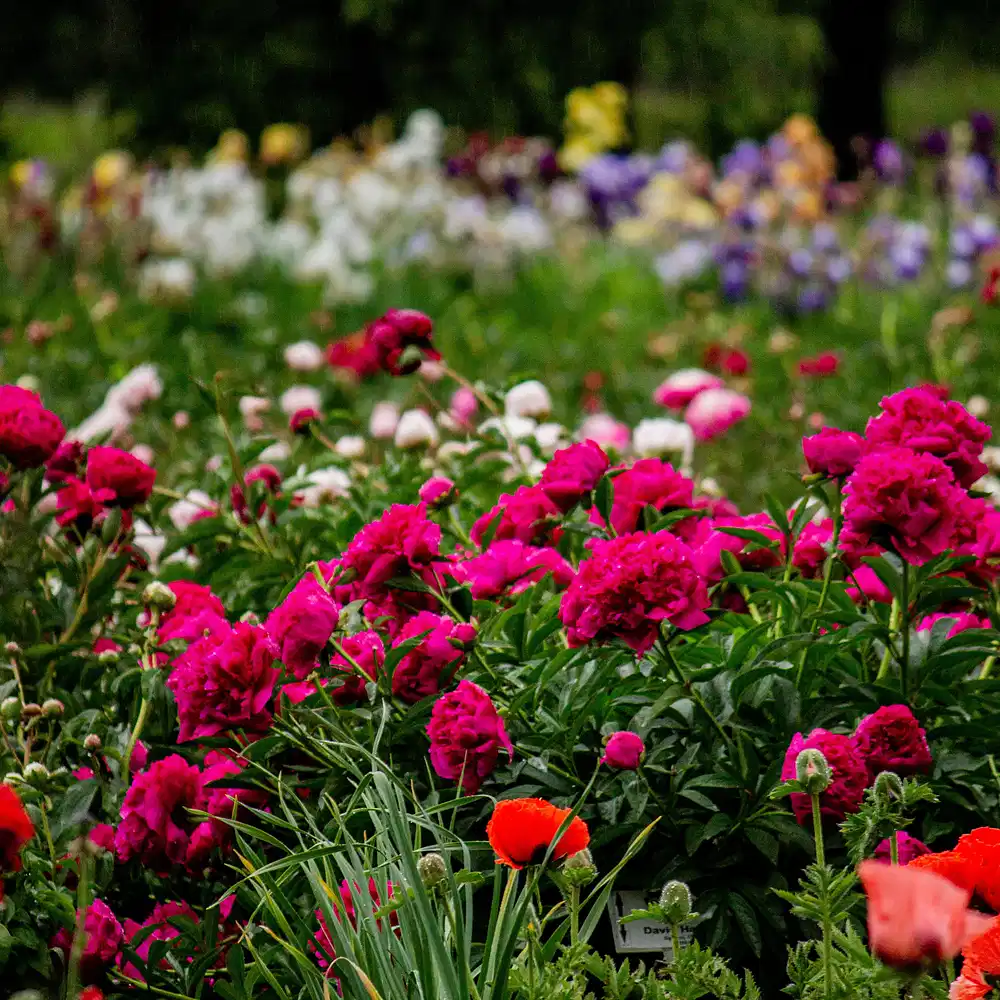
Flowering Plant Essentials
Category
Flowering Plants / Angiosperms
Common Groups
African Violet, Anthurium, Orchid, Begonia & More
Best For
Homes, Patios & Gardens
Growth Habit
Upright, Rosette, Trailing, Clumping & Shrubby
Indoor Size
Compact to Large; Species Dependent
Light Requirement
Medium to Bright Light; Some Direct Sun
Watering
Check Soil Moisture; Species Dependent
Humidity
Average to High; Species Dependent
Temperature
Commonly 60–85°F
Potting Mix
Loose, Fertile & Well-Draining
Drainage
Containers with Drainage Holes Recommended
Fertilizing
During Active Growth & Blooming
Repotting
When Root-Bound or Mix Breaks Down
Pet Safety
Species Dependent; Verify the Exact Plant
Flowering Plant Care Guide
Healthy blooms depend on more than fertilizer. Light, root health, watering, temperature, humidity, and plant maturity all influence flowering. Learn the needs of your specific species and adjust care as seasons change.
Light Requirements & Placement
Adequate light is one of the most important factors for healthy flowering. Many indoor flowering plants prefer bright indirect light, while sun-loving species may need several hours of direct sunlight.
Plants receiving too little light may produce healthy leaves but few or no flowers. Increase light gradually to avoid sunburn.
Watering & Drainage
Check the potting mix before watering rather than following a strict calendar. Some flowering plants prefer lightly moist soil, while others should dry more between waterings.
Always use containers with functional drainage holes. Constantly wet soil can reduce oxygen around the roots and increase the risk of root rot.
Potting Mix & Repotting
Use a potting mix appropriate for the species. Most flowering houseplants benefit from a mix that drains freely while retaining enough moisture for healthy roots.
Repot when roots become crowded, water passes through unusually quickly, or the potting mix has significantly broken down.
Temperature & Humidity
Many popular flowering houseplants perform well within normal indoor temperatures, but cold drafts, heating vents, air-conditioning, and sudden temperature changes can cause stress.
Tropical flowering plants may benefit from moderate or higher humidity.
Fertilizing Flowering Plants
Feed plants during active growth according to their species and the fertilizer label. Nutrients can support healthy leaves, roots, and flower production.
Avoid excessive fertilizer. Too much can burn roots, create salt buildup, or encourage foliage at the expense of blooms.
Pruning, Deadheading & Propagation
Remove dead or damaged leaves with clean tools. For appropriate species, removing spent flowers can improve appearance and may encourage continued blooming.
Flowering plants may be propagated through cuttings, division, offsets, or seeds depending on the species.
Common Flowering Plant Problems & Fixes
Flowering plants may stop blooming or develop damaged leaves when light, watering, roots, temperature, nutrition, or pests become unsuitable. Diagnose the cause before changing several care conditions at once.
Plant Not Flowering
Common causes include insufficient light, excessive nitrogen, seasonal dormancy, incorrect temperature, recent stress, or a plant that has not yet reached flowering maturity. Improve the most likely limiting condition and give the plant time to respond.
Yellow Leaves
Yellow leaves on flowering plants may result from overwatering, poor drainage, low light, root damage, nutrient problems, temperature stress, or normal aging. Check soil moisture and roots before automatically adding more water.
Flower Buds Dropping
Bud drop may occur after sudden temperature changes, underwatering, overwatering, low humidity, poor light, relocation, or other environmental stress. Maintain stable conditions while buds are forming.
Root Rot & Soft Stems
Constantly wet soil and poor drainage can damage roots. Warning signs may include yellow leaves, wilting despite wet soil, slow growth, soft stems, or dark mushy roots. Improve drainage and remove badly damaged root tissue when appropriate.
Brown Leaves & Flower Edges
Brown tips or crispy flower edges may be associated with dry air, inconsistent watering, excessive heat, fertilizer salts, or natural aging of older flowers. Evaluate the whole plant before treating it as disease.
Common Houseplant Pests
Spider mites, aphids, thrips, mealybugs, scale insects, and fungus gnats may affect flowering plants. Inspect leaf undersides, stems, buds, flowers, and the soil surface regularly for early signs of infestation.
How to Choose a Healthy Flowering Plant
When buying a flowering plant, do not select it only because it has the most open flowers. Inspect the overall health of the plant first. Look for firm stems, healthy foliage, active new growth, and a reasonable mixture of open flowers and unopened buds. Healthy flowering plants and indoor flowering plants should show balanced growth, strong leaves, and buds that appear firm rather than dry or damaged.
Avoid plants with widespread yellowing, severe wilting, extensive brown spots, sticky residue, fine webbing, cottony pests, or a sour smell from the potting mix. Inspect both sides of leaves and look closely around flowers and new growth because pests such as aphids, thrips, mealybugs, and spider mites often hide in these areas. Whether you are choosing flowering houseplants, blooming plants, or other plants with flowers, early pest inspection is an important part of good flowering plant care.
Choose a species that matches the amount of light available in your home. Also consider mature size, humidity needs, flowering season, temperature requirements, and whether the plant is safe around pets. The best flowering plants are those that match your growing conditions, whether you want flowering plants for home, houseplants with flowers, or attractive indoor plants with flowers. After bringing a new plant home, keep it separate from your existing collection for an observation period when practical.
Flowering Plant Buying Checklist
Healthy Foliage & New Growth
Choose leaves with good natural color, firm stems, and active new growth. A mixture of open flowers and healthy unopened buds can provide a longer display.
No Visible Pests
Inspect leaf undersides, stems, flowers, buds, and new growth for mites, aphids, thrips, mealybugs, scale, sticky residue, webbing, or other pest signs.
Healthy Potting Mix
The growing medium should suit the species and should not smell sour, remain permanently saturated, or be severely compacted.
Good Roots & Drainage
When visible, roots should generally be firm rather than black, soft, or foul-smelling. Make sure the container can drain excess water.
Correct Plant for Your Home
Match the plant’s light, mature size, humidity, temperature, bloom cycle, and care needs to your space. Check pet safety for the exact species before buying.
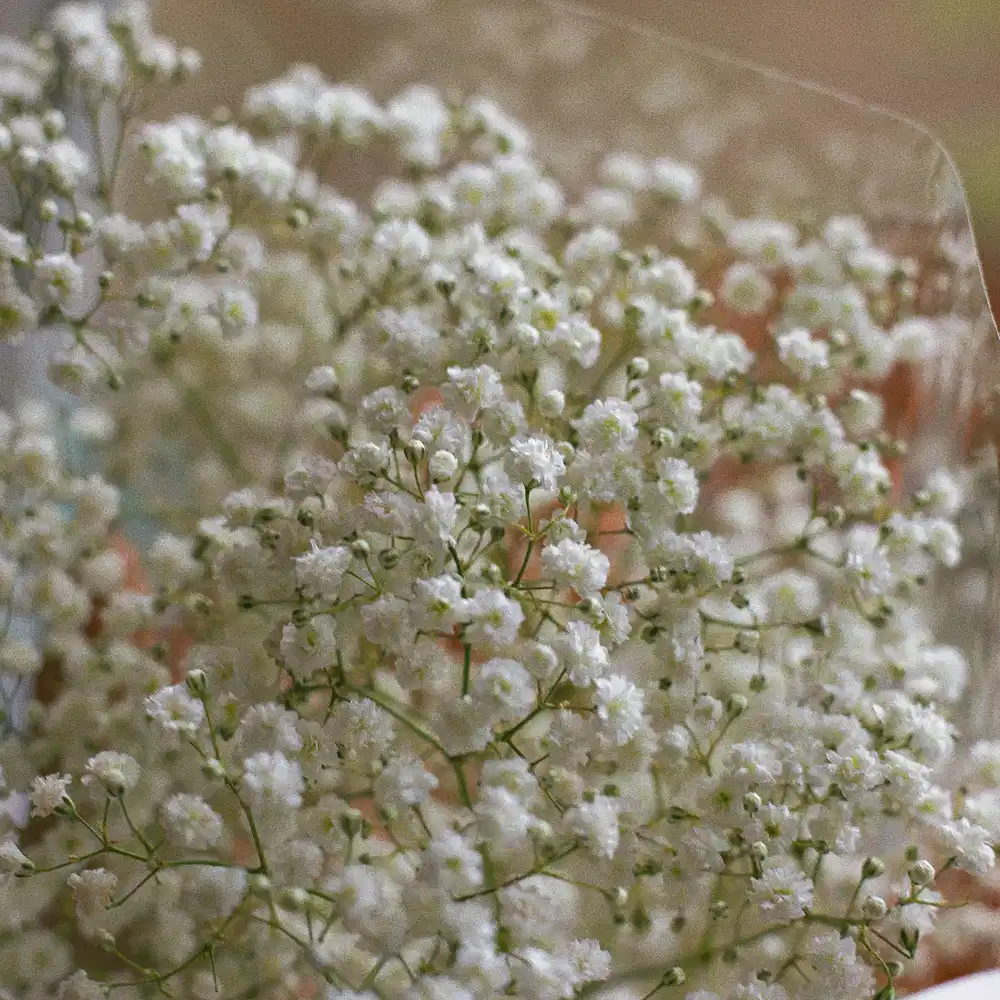
Flowering Plant Care FAQs
Popular indoor flowering plants include African violets, Anthuriums, Peace Lilies, orchids, Kalanchoe, Christmas cactus, Gardenias, and Begonias. The best choice depends on your light and household conditions.
Insufficient light is a common reason, but temperature, fertilizer, plant maturity, seasonal dormancy, root stress, or recent environmental changes can also affect blooming.
There is no single watering schedule for all flowering plants. Check the soil and follow the moisture requirements of the individual species.
Some do, but many indoor flowering plants prefer bright indirect light. Always check the requirements of the specific plant.
Use a fertilizer suitable for the specific plant and follow label directions. More fertilizer does not automatically mean more flowers.
For many flowering species, deadheading improves appearance and may encourage additional blooms. However, not every species requires it.
Watering stress, low humidity, sudden temperature changes, relocation, poor light, or other environmental stress can cause bud drop.
Popular Flowering Plants
Explore Popular Flowering Plants for Your Home
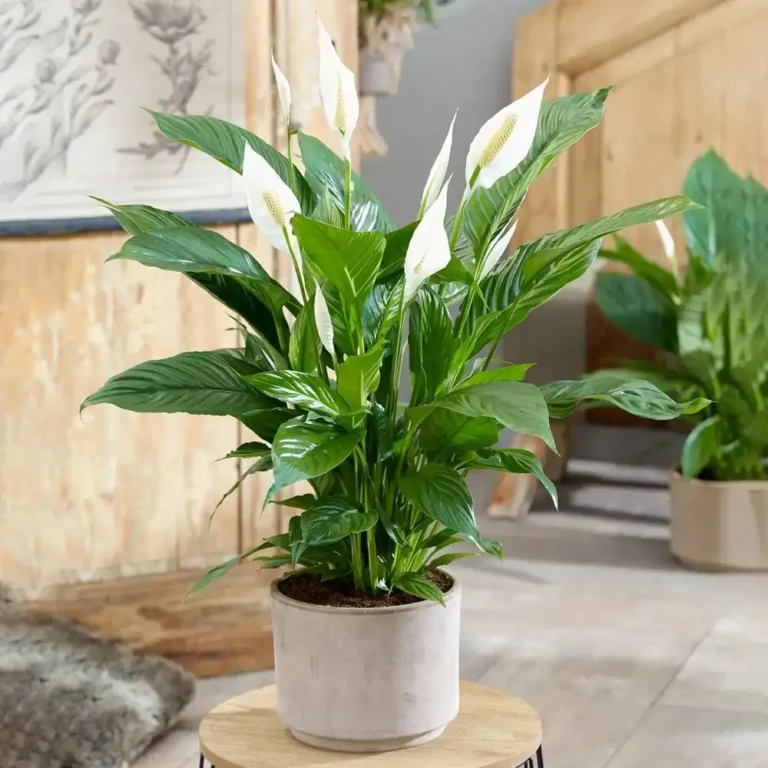
African Violet
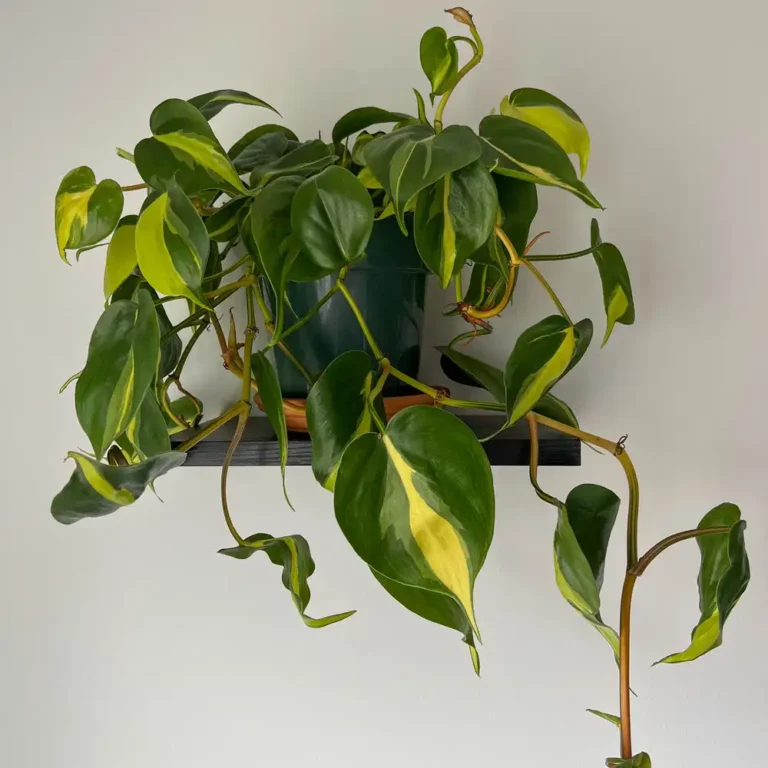
Anthurium
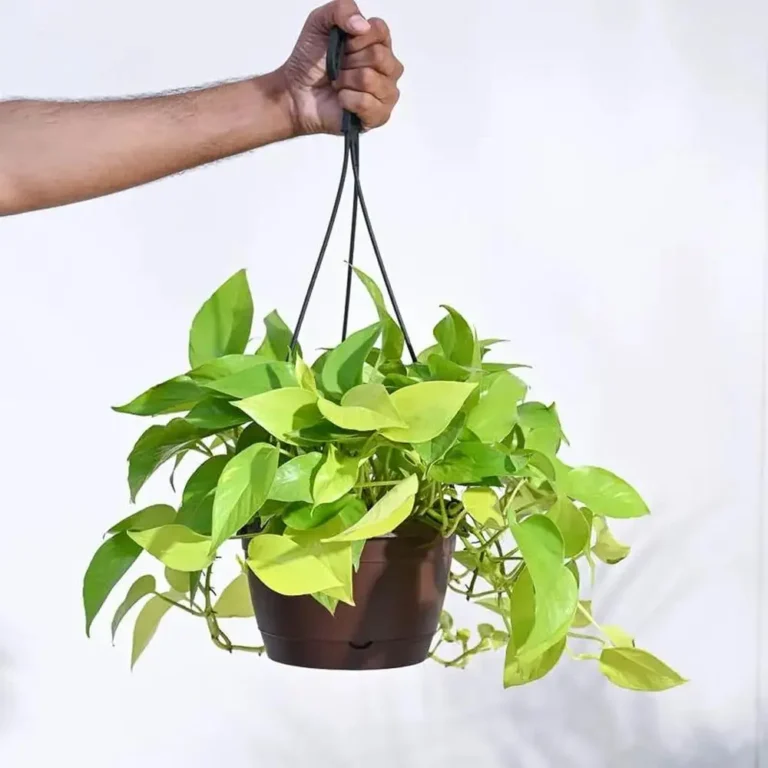
Peace Lily
